
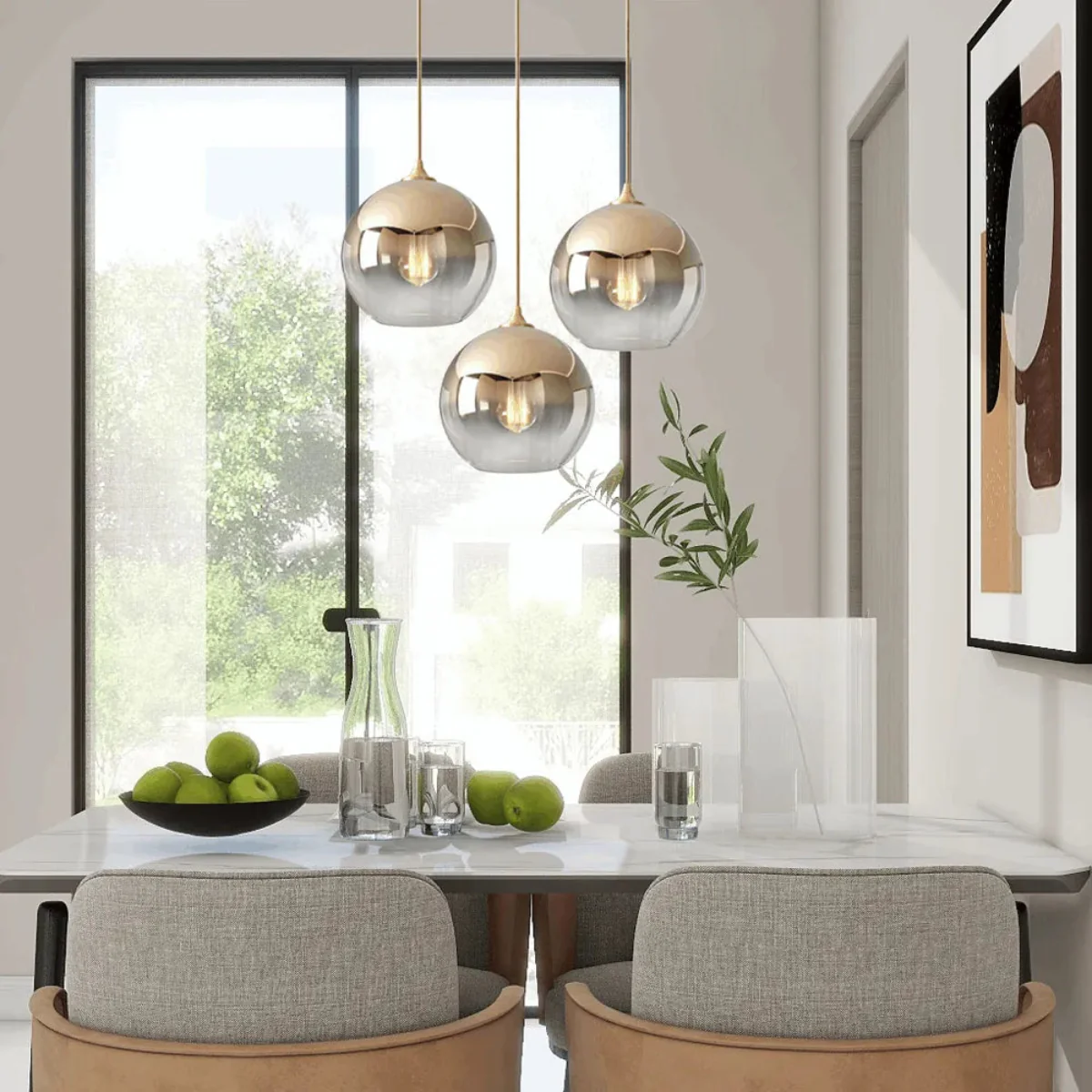
Have you ever sat down for dinner and felt that something about the room just did not feel inviting? You can create a cozy dining room with the right lighting choices. Warm bulbs and layered dining room lights make your space feel comfortable and welcoming. Interior design studies show that cozy lighting not only boosts your mood but also makes meals look and taste better. You do not need a big budget to see results—small changes, like adding dimmers or swapping bulbs, can transform the atmosphere.
Key Takeaways
Layer your lighting with ambient, accent, and task sources to create a warm and inviting dining atmosphere.
Choose warm white bulbs for a cozy glow that enhances the look of food and encourages relaxation.
Use dimmable bulbs and switches to adjust brightness for different occasions, making your dining space versatile.
Avoid common mistakes like relying on a single light fixture; instead, balance light levels to prevent harsh shadows.
Select a statement ceiling fixture that reflects your style and hangs 30-36 inches above the table for optimal lighting.
Why Cozy Dining Room Lighting Matters
Setting the Mood
Lighting shapes the way you feel in your dining space. When you choose the right dining room lighting, you create a cozy dining room that welcomes everyone. The importance of lighting in a dining room goes beyond just seeing your food. It sets the tone for every meal and gathering. Warm, layered lights help you relax and enjoy your time at the table.
You can see the psychological effects of cozy lighting in the table below:
Effect |
Description |
|---|---|
Relaxed Atmosphere |
Cozy lighting creates a relaxed environment that encourages guests to linger. |
Sense of Privacy |
Ambient lighting fosters a feeling of privacy, enhancing comfort during meals. |
Increased Spending |
A calm atmosphere leads to longer stays and potentially higher spending. |
Selecting the right dining room lights helps you build a welcoming environment. You can adjust the ambience for different occasions. Bright lights work well for game nights, while softer lights make family dinners feel special. The right balance of brightness and fixture style enhances both the look and function of your space.
Common Mistakes
Many people make simple mistakes with dining room lighting that can ruin the ambiance. Here are some common issues to watch out for:
Relying only on one main fixture often creates harsh shadows and uneven light.
Placing recessed lights directly above the table can make the space feel cold and clinical.
Skipping ambient and accent lighting leaves the room flat and uninviting.
Not using a dimmer switch limits your ability to set the mood for different events.
Forgetting to balance light levels can make some areas too bright and others too dark.
You can avoid these mistakes by layering your lights and choosing fixtures that fit your table and room size. When you pay attention to these details, you create a cozy and inviting atmosphere that makes every meal memorable.
Layering Dining Room Lights
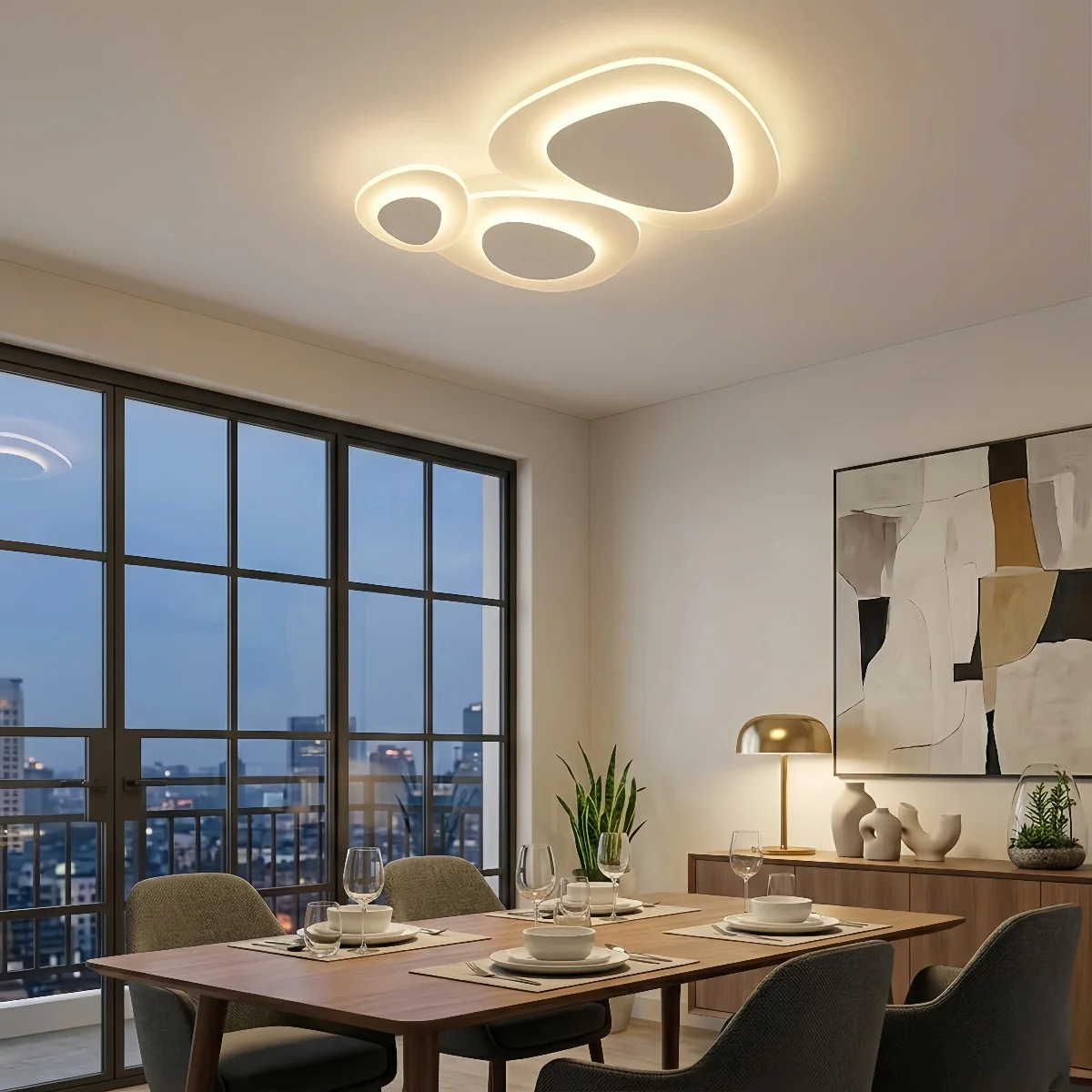
Layered lighting solutions help you create an atmosphere that feels both functional and cozy. When you layer the light in your dining room, you use different types of fixtures and bulbs to add depth and warmth. This approach goes beyond a single overhead fixture. Instead, you combine ambient, accent, and task lighting to make the space more inviting and practical.
Tip: The 5-7 lighting rule recommends using five to seven light sources in your dining room. This method gives you balanced illumination, reduces harsh shadows, and adds visual interest.
Ambient Lighting
Ambient lighting forms the foundation of your dining room lighting. It provides general illumination, making the room feel bright and welcoming. You can use a chandelier, pendant, or flush mount fixture as your main source. Wall sconces also add to the overall glow and help define the space.
Chandeliers work well above the dining table and bring elegance to the room.
Pendants offer a modern touch and can be grouped for a dramatic effect.
Flush or semi-flush mounts fit smaller rooms or spaces with low ceilings.
Wall sconces add warmth and help fill in dark corners.
Ambient lighting creates a warm environment that encourages people to relax and enjoy their meals. Dimmers let you adjust the brightness, so you can set the right mood for any occasion.
Lighting Component |
Contribution to Coziness |
|---|---|
Ambient Lighting |
Provides overall illumination, creating a warm environment. |
Accent and Task Lighting
Accent and task lighting add layers that make your dining room lights more dynamic. Accent lighting highlights artwork, plants, or architectural features. It draws attention to special details and adds a sense of drama. Task lighting focuses on areas where you need extra brightness, such as serving stations or buffets.
Wall sconces give soft light and highlight artwork or shelves.
Buffet lamps provide focused light for serving areas.
Candles add ambiance and make special occasions feel even cozier.
Accent lighting brings warmth to the room’s perimeter, while task lighting ensures you have enough light for activities like serving food or reading menus. Together, these layers help you create a cohesive and comfortable space.
Note: Layering your lights can also help you save energy. You can turn on only the lights you need, which lowers your electricity bill and supports sustainable living.
Safety matters, too. Proper lighting prevents accidents by eliminating dark corners and improving visibility during meals. Well-placed fixtures reduce the risk of spills and make your dining room safer for everyone.
When you combine ambient, accent, and task lighting, you achieve a balanced look that feels both stylish and functional. Layered lighting solutions let you adjust the ambiance for any event, from family dinners to festive gatherings.
Choosing a Ceiling Light Fixture
Statement Pieces
You can make your dining room feel special by choosing a ceiling light fixture that acts as a statement piece. The best dining room light fixture draws attention and sets the tone for the entire space. Many popular styles work well for creating a cozy atmosphere. Chandeliers offer a classic look and provide plenty of light. Black chandeliers add a modern touch, especially in contemporary or industrial dining rooms. Rustic wrought iron fixtures bring warmth and tradition, perfect for farmhouse or Mediterranean-inspired spaces.
Here is a quick comparison of popular styles:
Style |
Description |
|---|---|
Chandeliers |
Offer a wide range of styles, serving as focal points and providing ample illumination. |
Black Chandeliers |
Add a sleek, modern look, perfect for contemporary or industrial-style dining rooms. |
Rustic Wrought Iron |
Provide a cozy, traditional feel, ideal for farmhouse or Mediterranean-inspired spaces. |
You can also consider other options for your dining room lights:
Rustic lantern-style pendants made of wicker, rattan, or bamboo create an inviting glow.
Globe pendants give a timeless look and a soft, stylish ambiance.
Adjustable arm pendant lights let you highlight different areas of the table.
The right fixture does more than light the room. It creates a warm and inviting atmosphere for meals and entertaining. You can set the mood for casual family dinners or formal gatherings. Good lighting also makes food look more appealing and helps everyone feel comfortable.
Tip: Choose a fixture with soft, warm lighting to make your dining room feel welcoming and relaxing.
Placement and Height Tips
Proper placement and height are important for both style and function. You want your ceiling fixture centered above the table. This keeps the light even and makes the room look balanced. If the electrical box is not in the right spot, you have several options:
Install a ceiling hook and use a swag kit to move the fixture to the center.
Use a large rectangular canopy to cover the junction box and hang the fixture in the right place.
Add a ceiling medallion to hide small adjustments.
Pick a multi-arm or asymmetrical fixture for a creative, centered look.
Try track lighting or monorail systems for flexible pendant placement.
Hanging height matters, too. The general rule is to position the fixture 30 to 36 inches above the dining table. This height gives you good light without blocking anyone’s view. For rooms with higher ceilings, add about 3 inches for every foot above 8 feet. Make sure there is at least 7 feet from the floor to the bottom of the fixture in areas where people walk.
Here is a helpful table for reference:
Ceiling Height |
Recommended Height Above Table |
|---|---|
8 feet |
30-34 inches |
9 feet |
33-39 inches |
10 feet |
36-42 inches |
12 feet |
42-48 inches |
Note: Dimmers give you flexibility. You can adjust the brightness for different occasions without changing the fixture.
When you follow these guidelines, you create a balanced look and make your dining room lighting both beautiful and practical. The right ceiling fixture helps you achieve a cozy space where everyone feels at home.
Best Bulbs for Dining Room Lighting
Choosing the right bulbs makes a big difference in how your dining room feels. The color temperature of your bulbs affects the mood and comfort of your space. You want your dining room lights to create a cozy and inviting atmosphere for every meal.
Warm White Bulbs
Warm lighting for the dining area helps you set the perfect mood. Most designers recommend bulbs with a color temperature between 2700K and 3000K. This range gives off a soft, golden glow that makes your dining room feel comfortable and welcoming. You should avoid cool white or daylight bulbs, which can make the room look harsh or sterile.
Warm white bulbs (2700K-3000K) are ideal for family dining rooms.
This color temperature enhances the appearance of food and creates a pleasant dining atmosphere.
Warm lighting for the dining area brings out the beauty of crystal fixtures and adds a soft touch to your space.
Cold white lights often feel too clinical, while warm-toned bulbs foster an intimate setting.
You will notice the benefits of using warm-toned lighting in a dining room right away. Meals look more appetizing, and guests feel relaxed. The right bulbs help you enjoy every moment at the table.
Dimmable Options
Dimmable bulbs give you essential control over the brightness in your dining room, offering the flexibility to set the perfect mood. By pairing warm white LED or incandescent bulbs with a compatible dimmer switch, you can easily shift the atmosphere from bright, casual family breakfasts to a cozy, romantic glow for intimate evening dinners. This simple upgrade works beautifully for chandeliers, sconces, and pendants. You can easily find these dimmable options at most home stores, maximizing the comfort and versatility of your space.
Decorative Touches with Dining Room Lights
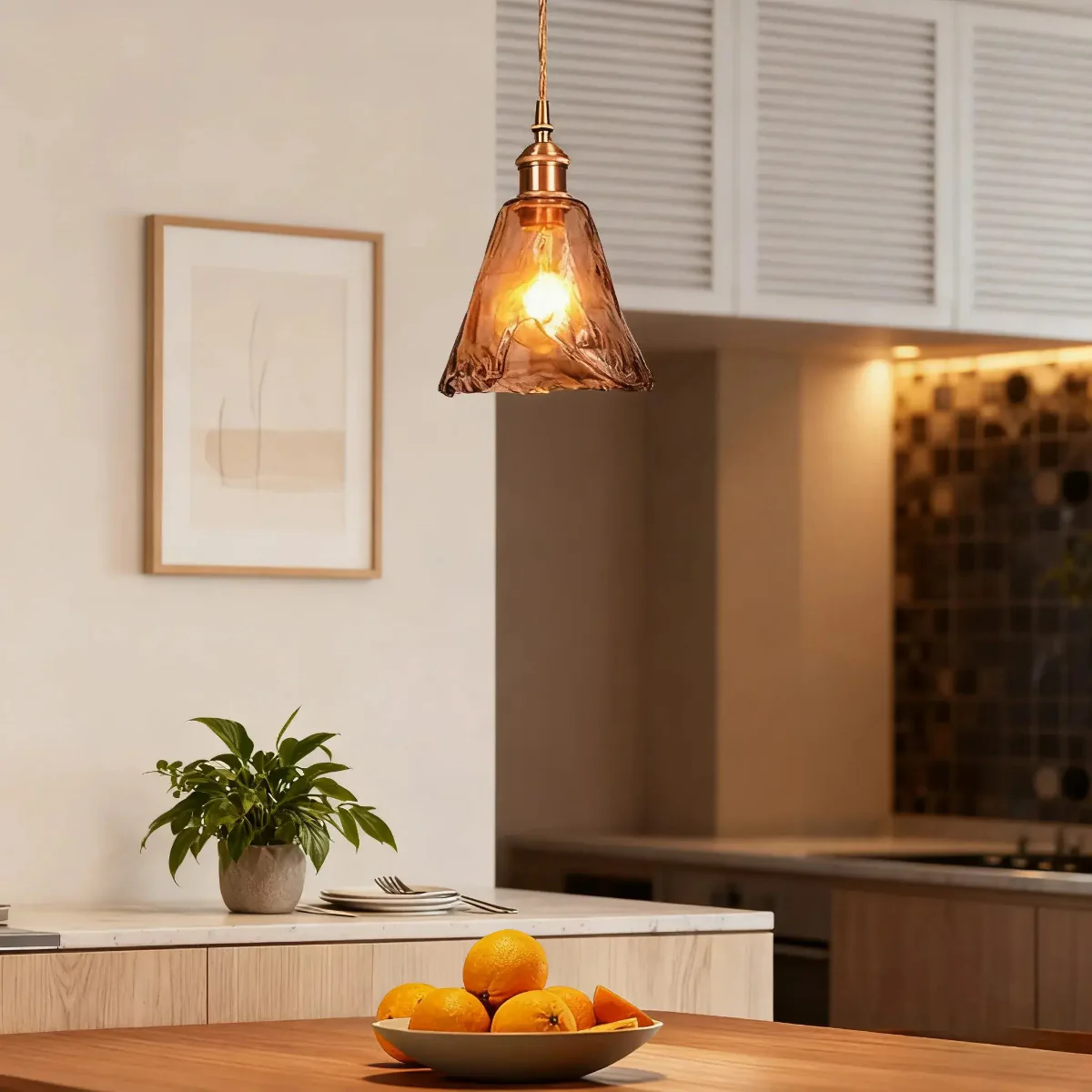
Table Lamps and Sconces
You can add a cozy feel to your dining space by placing table lamps on sideboards or console tables. Table lamps around 32 inches in height work well for smaller rooms. In larger dining rooms, buffet-style lamps about 40 inches tall can flank a server or mirror. These lamps provide gentle light that softens the room and highlights your decor.
Wall sconces also play a key role in accent lighting with table lamps and wall sconces. You should mount sconces at eye level—usually between 62 and 70 inches from the floor when standing, or closer to 60 inches if you sit nearby. Traditional sconces may have scrolled arms and linen shades, while modern styles often feature simple cylindrical shades with minimal trim. Both styles add warmth and style to your dining room lights.
Pro-Tip: Best Practices for Arranging Table Lamps. When arranging your table lamps, grouping items in odd numbers (like three or five) and varying their heights will add visual interest and dimension to your display. To enhance the overall design and reflect light beautifully, anchor the arrangement with a vertical element like a mirror or artwork. Be sure to leave at least a third of the surface clear to prevent clutter, and incorporate a living element, such as fresh flowers or a potted plant, to bring vibrant life to the space.
You can also use matching pairs of buffet lamps for symmetry. Designers like Regina Andrew Lighting offer unique options that suit many styles.
Candles and Small Lamps
Candles and small lamps help you create a cozy ambience and an intimate vibe for every meal. Centerpiece candles provide a warm, welcoming glow. You can arrange them with flowers or greenery for extra charm. Candles are versatile and instantly change the ambiance of your dining room. Their soft light makes the space feel elegant and inviting.
Small decorative lamps add another layer of cozy lighting. You can place them on shelves or in corners to brighten dark spots. These lights encourage emotional closeness and make meals feel special. Candlelight, in particular, creates an intimate setting that brings people together.
Tip: Mix candles and small lamps with your main dining room lights to achieve a balanced, cozy look.
By adding these decorative touches, you transform your dining room into a space that feels warm, stylish, and welcoming.
Arranging and Adjusting Lighting
Balancing Light Levels
You want your dining area to feel inviting and comfortable. To create balanced light in your dining room, start by combining different types of lighting. Use table lamps or focused pendants to highlight your dining table with lighting and add intimacy without causing glare. Avoid relying only on one main fixture. Instead, layer ambient and accent lighting to prevent harsh shadows and uneven brightness.
Place small lamps on sideboards or shelves for soft, indirect light.
Install dimmer switches or smart controls to adjust brightness throughout the evening.
Choose warm, soft lighting to enhance the ambiance and make food look appealing.
Mix overhead lights with wall sconces or buffet lamps for a cozy, layered effect.
Tip: Dimmers let you control the mood for any occasion, from family dinners to festive gatherings.
When you balance light levels, you avoid glare and create a space where comfortable chairs and warm woods stand out. This approach makes your dining area both functional and beautiful.
Testing and Tweaking
After setting up your lighting, take time to test and tweak the arrangement. Sit at the table during different times of day and adjust the lights to see what feels best. Use the table below as a quick guide for fine-tuning your setup:
Aspect |
Recommendation |
|---|---|
Fixture Size |
|
Hanging Height |
Hang the fixture 30–36 inches above the tabletop for most ceilings. |
Glare Control |
Use diffusers, frosted bulbs, or fabric shades to reduce glare. |
Color Temperature |
Select warm white bulbs for a warm, inviting glow. |
Dimmer Installation |
Add a dimmer to shift from bright to soft lighting as needed. |
Maintenance |
Choose easy-to-clean fixtures for lasting style and comfort. |
Visualization Tool |
Try online tools to preview different lighting styles in your space. |
You can also experiment with different bulb types and fixture placements. Adjust the brightness until the ambiance feels just right. Remember, small changes can make a big difference in how your dining area looks and feels.
Note: Layered lighting not only improves style but also helps you enjoy meals in a cozy, welcoming setting.
You can create a cozy dining room by layering ambient, accent, and task lighting. Choose warm-white, dimmable bulbs for a welcoming glow. Experiment with different fixtures and styles to match your taste. Small changes, like adding dimmers or adjusting fixture height, transform your space.
Beginner’s Checklist:
Select a fixture with strong visual presence and warm glow.
Hang the chandelier about 30 to 36 inches inches above the table.
Use dimmable warm white bulbs.
Layer your light sources using ambient, task, and accent fixtures.
Mix styles for personal expression.
Trust your instincts—your dining room should reflect your personality and needs.
FAQ
What is the best way to make my dining room lighting feel cozy?
You can layer different types of lighting. Combine overhead fixtures, wall sconces, and table lamps. Use warm white bulbs and dimmers. This approach creates a comfortable and inviting atmosphere for meals.
How high should I hang my dining room light fixture?
Hang your main fixture 30 to 36 inches above the table. This height gives you enough light without blocking anyone’s view. Adjust slightly for higher ceilings by adding about 3 inches for each extra foot.
Can I use a candle chandelier in a modern dining room?
Yes, you can use a candle chandelier in a modern dining room. Choose a simple design with clean lines. This fixture adds warmth and a touch of elegance, blending traditional charm with modern style.
What type of bulbs should I use for dining room lights?
Select warm white bulbs. These bulbs create a soft, welcoming glow. Dimmable options let you adjust the brightness for different occasions.
How do I avoid glare in my dining room lighting?
Use fabric shades, frosted bulbs, or diffusers to soften the light. Place lamps and sconces at eye level—adjusting the height based on whether the primary view is while seated or standing. Adjust the brightness with dimmers to prevent harsh glare and create a pleasant dining experience.
Share:
Expert Advice for Installing Outdoor Wall Lights in 2026
Pros and Cons of Solar Outdoor Wall Lights for Homeowners