

You want to install outdoor wall lights that look great and work safely. Start by making safety your top priority. Use proper tools and follow expert advice at every step. Always check your comfort level with electrical work. If you feel unsure, contact a licensed electrician for help. Good preparation and the right mindset keep your project safe and successful.
Key Takeaways
Prioritize safety by turning off power and using a voltage tester before starting any electrical work.
Choose outdoor wall lights based on lumens, energy efficiency, and compatibility with your home's style.
Use weather-resistant materials and proper sealing techniques to protect fixtures from the elements.
Regularly clean and inspect your outdoor lights to maintain performance and extend their lifespan.
Consult a licensed electrician for complex installations or if you feel unsure about any step in the process.
Choosing Outdoor Wall Lights
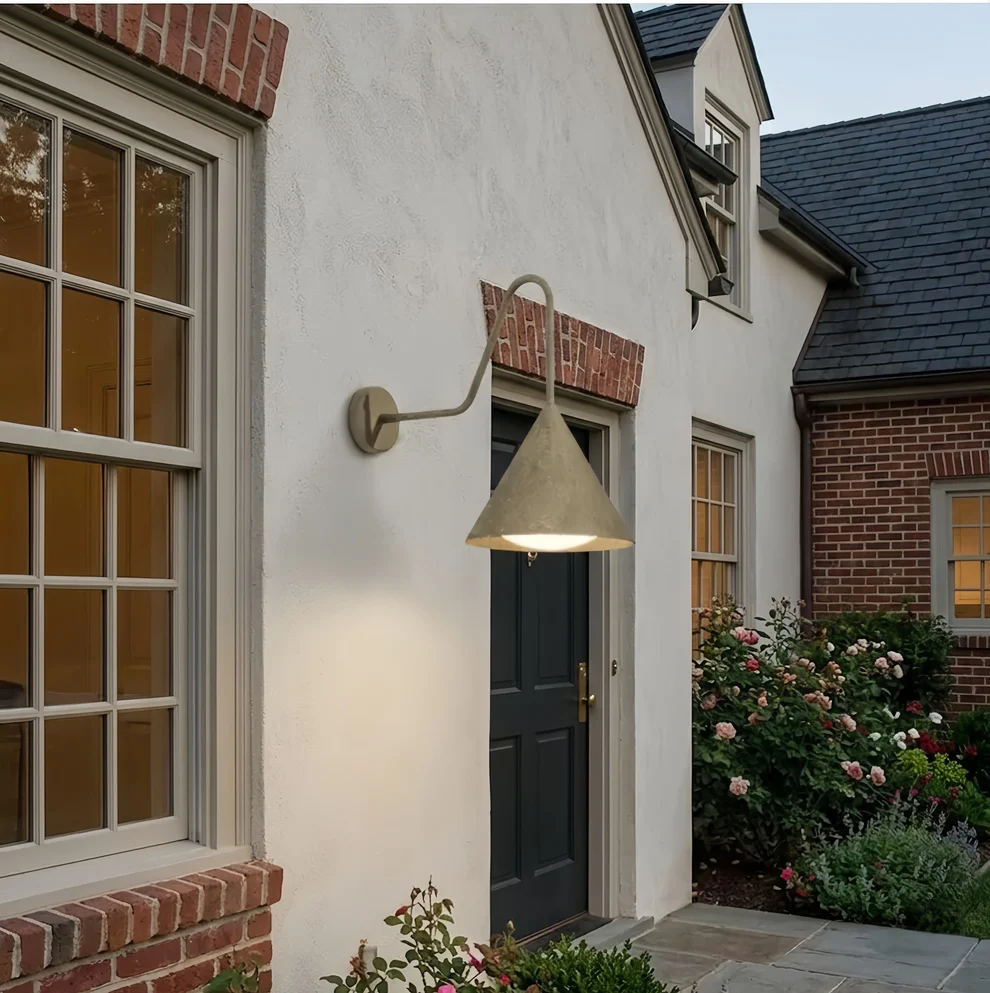
Key Factors for Selection
When you choose outdoor wall lights, you want to balance style, function, and safety. Start by thinking about how much light you need and how much energy you want to use. The table below shows important factors to consider:
Factor |
Description |
|---|---|
Lumens and Watts |
Lumens show how bright the light is. Watts tell you how much energy it uses. Find a balance for your needs. |
Color Temperature |
Measured in Kelvin. Warm light (around 2700K) feels cozy. Cool light (above 5000K) works well for tasks. |
Outdoor Space Assessment |
Look at your space and decide what you want the lights to do. Good planning helps you get the right effect. |
Home Style Matching |
Pick a fixture that matches your home’s design. This keeps everything looking neat and coordinated. |
Energy Efficiency |
Choose options like LED bulbs or add motion sensors to save energy. |
Tip: Always match the fixture style to your home’s architecture for a unified look.
Energy Efficiency Options
You can save money and help the environment by picking energy-efficient outdoor wall lights. The table below lists some of the best options in 2026:
Type |
Description |
|---|---|
LED |
Uses up to 90% less energy than old bulbs. Gives bright light and lasts a long time. |
Solar Powered |
Charges during the day and lights up at night. Needs no wiring or electricity. |
Energy Star |
Meets strict energy-saving rules. Helps lower your bills and reduces your carbon footprint. |
Look for lights with motion sensors or timers. These features make sure the lights only turn on when needed.
Essential Weatherproofing & Sealing Strategies
Outdoor wall lights face relentless exposure to rain, wind, and fluctuating temperatures. Fragmented approaches to weatherproofing often lead to electrical shorts and premature rust. To protect your investment and ensure long-term safety, you must address weatherproofing comprehensively—from the physical housing down to using weather-resistant wiring and connectors for all your internal electrical connections.
Selecting Climate-Appropriate Materials
Your local climate dictates the weather-resistant materials you should choose. Always check the fixture's Ingress Protection rating (aiming for an IP65 waterproof rating for robust defense against heavy rain and dust) to ensure it is explicitly rated for wet exterior locations.
Coastal Environments: Saltwater and high humidity cause rapid corrosion. Avoid cheap metals and choose fixtures made from marine-grade 316 stainless steel, solid brass, or pure copper.
Harsh Winters or Deserts: Look for heavy-duty, powder-coated aluminum that can withstand extreme temperature shifts, ice accumulation, and abrasive winds.
Built-in Drainage: Opt for fixture designs that feature natural drainage paths and breathable membranes to prevent internal condensation from building up.
The "Weep Hole" Caulking Technique
Even with the best materials, incorrect installation will trap water and destroy your fixture. A common DIY mistake is caulking the entire perimeter of the light.
What to do: Apply a continuous bead of exterior-grade clear silicone caulk strictly around the top and both sides where the fixture's baseplate meets the exterior wall.
What to avoid (The Weep Hole Rule): Never seal the bottom edge. You must leave the lower edge completely unsealed to create a "weep hole." This allows any trapped internal moisture or condensation to drain out safely. Sealing all four sides traps water inside, inevitably leading to electrical failures and corroded wiring.
Routine Seal Inspections
Weatherproofing is not a "set it and forget it" task. Extreme UV rays and freezing cycles will eventually degrade even the best silicone caulk and internal rubber gaskets.
Post-Storm Checks: After heavy storm seasons or extreme winters, inspect the fixture for any signs of water ingress inside the glass enclosure.
Maintain the Barrier: Check the silicone caulk line annually. If you notice peeling, cracking, or gaps, scrape the old caulk off and reapply a fresh bead to maintain a watertight barrier.
Electrical Safety for Installation
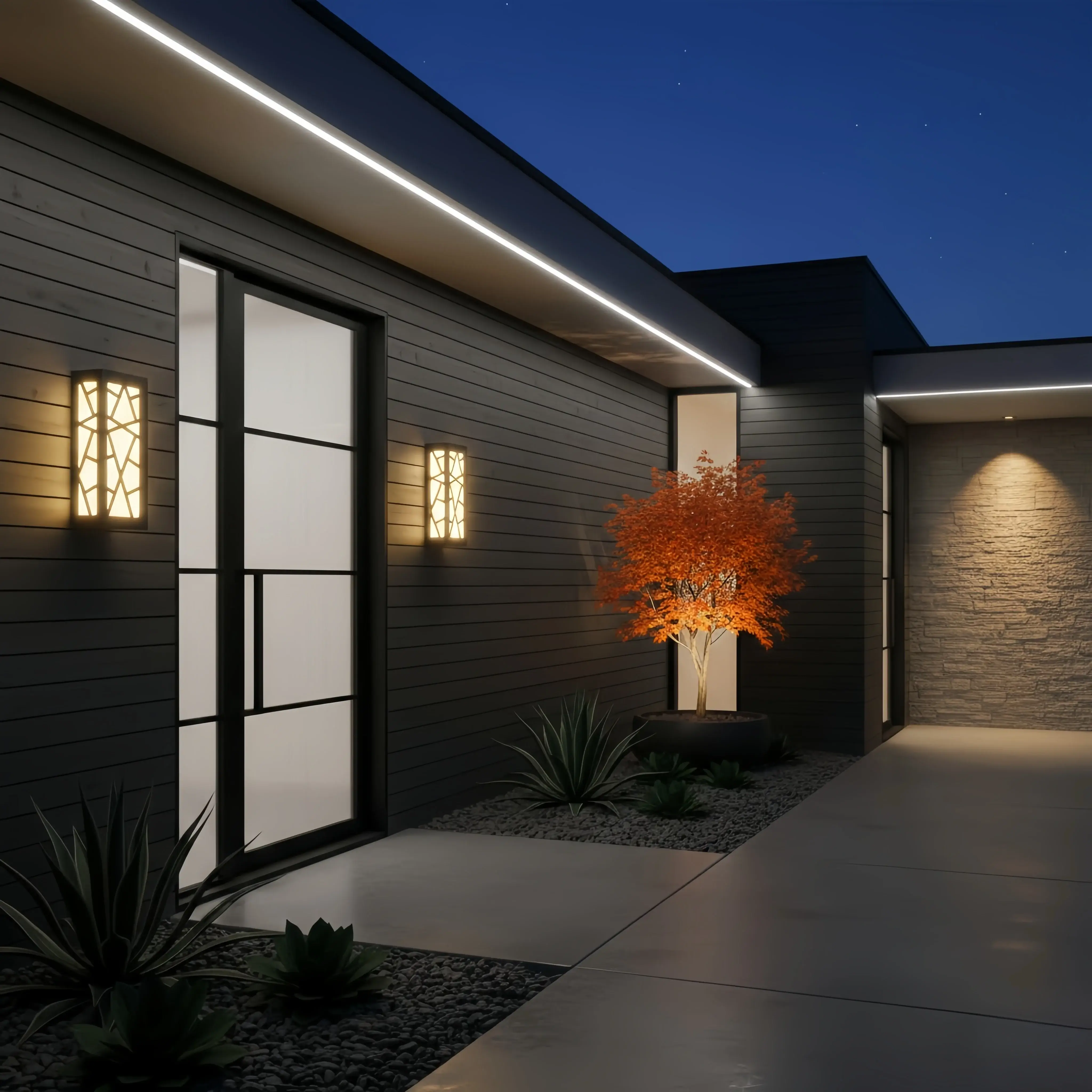
Before you install outdoor wall lights, you must focus on electrical safety. Mistakes can cause electric shock or fire. You can avoid most hazards by following expert advice and using the right equipment.
Tools and Safety Gear
You need the right tools and protective gear for a safe installation. Always wear safety glasses and insulated gloves before you start. Use a sturdy ladder if you need to reach high places. Gather these essential items:
Voltage tester
Screwdrivers (flathead and Phillips)
Wire strippers
Electrical tape
GFCI outlet tester
Insulated gloves
Safety glasses
Tip: Protective gear keeps you safe from electric shock and flying debris.
You should also check all wires and connectors for damage. Faulty or frayed wiring can cause serious fire hazards. Regular inspections help prevent accidents.
Turning Off Power
You must turn off the power before you touch any wires. Follow these steps to stay safe:
Step |
Description |
|---|---|
1 |
Turn off the power to the area where you will work at the main circuit breaker. |
2 |
Use a voltage tester to make sure no electricity flows to the wires. |
3 |
Try switching the light on and off at the wall switch to confirm the power is off. |
Never skip this step. Even a small mistake can lead to electric shock.
Local Codes and Permits
Check your local building codes before you start. Some areas require permits for electrical work. You may need to follow special rules for outdoor installations. GFCI protection is often required for outdoor wall lights to prevent electric shock from moisture or damaged wiring. Always keep your project up to code to avoid fines and ensure safety.
Note: Installing lights near flammable materials can create a fire hazard. Keep fixtures away from wood, dry leaves, or other combustibles.
Planning Light Placement
Assessing Wall Structure
You need to check your wall before you install outdoor wall lights. The wall material affects how you mount the fixture and run wires. Consider these points:
Brick walls require special anchors for secure mounting.
Wood walls allow easier drilling and fastening.
Vinyl siding needs careful handling to avoid cracks.
Weatherproofing methods change based on the wall surface. Sealing techniques for brick differ from those for wood or vinyl.
Tip: Always use the right anchors and sealants for your wall type. This prevents water damage and keeps your lights stable.
Measuring Height and Spacing
Proper placement is crucial for both aesthetic appeal and functional illumination. Unlike low-voltage landscape lighting, wall lights are structural elements that require precise alignment with your home's architecture.
As a general rule, outdoor wall lights should be mounted at eye level, typically 60 to 66 inches from the ground to the center of the fixture. Use the table below to plan the specific sizing and spacing for different exterior wall applications:
Application Area |
Sizing Guideline |
|
|---|---|---|
Front Door / Porch |
Mount 60–66 inches from the ground. If using two lights, space them evenly flanking the door. |
Choose a fixture that is about 1/3 to 1/4 the height of the door. |
Garage Flanking |
Mount 60–66 inches from the driveway surface. |
Often slightly larger than porch lights to balance the visual weight of the garage door. |
Patio / Exterior Walls |
Space multiple fixtures 8 to 10 feet apart along a long wall. |
Maintain a consistent size with other exterior fixtures for a unified look. |
Measure carefully to avoid casting harsh shadows on the wall or blinding guests as they approach the entrance.
Wiring Layout for 120V Wall Lights
Standard outdoor wall lights operate on your home's high-voltage (120V) electrical system. Unlike 12V landscape lights, you do not need to worry about voltage drop over long distances or use specialized low-voltage layouts (like daisy chains or hub methods).
Instead, planning your layout for wall lights focuses on circuit capacity, switching convenience, and standard parallel wiring. The table below outlines the core strategies for wiring multiple exterior wall fixtures:
Wiring Strategy |
Description |
Key Advantage |
|---|---|---|
Parallel Wiring (Standard) |
Connect all wall fixtures in parallel on the same 120V circuit. |
Ensures every fixture receives full voltage for consistent brightness. If one bulb burns out, the others stay on. |
Multi-Way Switching |
Wire the circuit so the exterior lights can be controlled from multiple locations (e.g., inside the front door and inside the garage). |
Maximizes convenience and security, allowing you to light up the exterior before stepping outside. |
Smart/Sensor Integration |
Group all porch and garage wall lights on a single circuit controlled by an indoor smart switch or astronomical timer. |
Automates your lighting schedule based on sunset/sunrise without needing individual sensors on each fixture. |
Note: Always calculate the total wattage of your fixtures to ensure you do not overload the existing circuit. If adding several high-lumen fixtures, running a dedicated 15-amp or 20-amp circuit from your main breaker panel is highly recommended.
Installation Steps for Outdoor Wall Lights
Installing outdoor wall lights requires careful planning and attention to detail. You need to follow each step to ensure your lights work safely and last for years. The process includes preparing the junction box, mounting the fixture bracket, wiring with proper connectors, and securing and testing the fixture.
Preparing the Junction Box
The junction box is the foundation of your installation. It houses the electrical connections and supports the weight of the fixture. The preparation steps depend entirely on whether you are replacing an existing light or installing a brand-new one on a blank wall.
Scenario A: Replacing an Existing Fixture
If you are simply upgrading an old wall light, your primary job is inspection.
After removing the old fixture, assess the existing junction box.
Ensure the box is securely fastened to the wall structure and does not wobble.
Verify that the box is outdoor-rated and free of deep rust or severe water damage.
Check the existing wires; if the insulation is brittle or frayed, you may need to trim them back to expose fresh copper.
Scenario B: New Installation (Running New Wiring)
If you are adding a light where none existed before, you must carefully plan the placement and cut a new opening.
Determine Placement: Mark the center point for your light. For the best lighting effect and residential curb appeal, position the box at eye level, roughly 60 to 66 inches from the ground.
Trace the Outline: Place the back of your new outdoor-rated "old work" junction box against the wall and trace its outline with a pencil.
Cut the Wall: Carefully cut along the outline. Use a jigsaw for wood or vinyl siding. If you have a brick or stucco exterior, you will need a masonry bit and chisel.
Run the Wires: Thread your new, wet-rated electrical cable (like THWN-2) from your power source, through the inside of the wall, and out through the newly cut hole.
Secure the Box: Feed the wires through the back of the junction box. Push the box into the hole so the edge sits flush against the exterior wall, then tighten the internal screws to lock its mounting tabs securely into place.
Tip:Always familiarize yourself with local residential building codes. If you are doing a new installation, you may need to pull a permit or have a licensed electrician verify that your home's electrical panel can handle the additional load.
Mounting the Fixture Bracket
Before attaching the main fixture, you need to establish a solid foundation and complete the electrical connections safely.
Install the mounting bracket securely over the front of the junction box using the provided screws.
Wrap the bare copper (or green) ground wire around the green grounding screw on the mounting bracket.
Connect the wires from the wall supply to the corresponding wires on the light fixture (typically black to black, white to white) by twisting the copper ends together.
Secure all connections using weather-resistant wire nuts to protect against moisture. Carefully tuck the connected wires back into the junction box, ensuring nothing is pinched.
Wiring and Using Romex Connectors
Wiring is a critical step for safety and ensuring your high-end outdoor lighting performs flawlessly over time. When installing fixtures on exterior walls, you must use cable types specifically designed to withstand moisture, temperature fluctuations, and the elements.
A common and dangerous mistake is using standard indoor wiring for exterior projects. Here is what you need to know to code-compliant and safe electrical cables:
Cable Type |
Usage Guide & Recommendations |
|---|---|
Standard NM Cable (Romex) |
Strictly Prohibited Outdoors. Even if enclosed in a waterproof conduit, standard Romex lacks the moisture resistance required for exterior environments. Using it can lead to degraded insulation, short circuits, and severe fire hazards. |
Wet-Rated Conductors (THWN-2) |
The Standard Choice. All outdoor conduits are considered wet locations. THWN-2 wire is insulated with PVC and a nylon jacket, making it highly resistant to heat and moisture—ideal for residential exterior walls and patios. |
UF-B Cable (Underground Feeder) |
Excellent for Direct Burial. If your lighting setup requires running wires underground without conduit (e.g., from the main house to a garden wall), UF-B cable offers a tough, solid plastic sheathing that safely resists moisture and soil conditions. |
Expert Wiring Tips: You should never use standard Romex cable outside. Always choose wet-rated conductors like THWN-2 for your exterior wall installations. To protect your investment and maintain the safety of your home, secure all wire connections using weather-resistant wire nuts (which are pre-filled with silicone sealant) rather than relying solely on standard electrical tape. This prevents moisture ingress and ensures your lighting remains reliable year-round.
Securing and Testing the Fixture
Once the wiring is safely tucked away, it is time to mount the fixture to the wall and apply proper weatherproofing. Applying caulk correctly is critical to the lifespan of your light.
Hold the fixture up to the mounting bracket. Line up the screw holes and secure the fixture tightly to the wall using the provided decorative nuts or screws.
Apply proper weatherproofing: Seal around the top edge and both sides of the fixture with a continuous bead of exterior-grade clear silicone caulk where it meets the wall.
CRITICAL: Do NOT seal the bottom edge. Leave the lower edge completely unsealed to create a "weep hole." This allows any internal condensation or trapped moisture to safely escape rather than pooling inside the electrical housing.
Restore power at the main circuit breaker.
Test the light by flipping the switch. Check that the light illuminates correctly without flickering.
Do a final visual inspection to ensure the fixture is level, securely mounted, and the caulk line is neat.
If the light does not turn on, turn off the power and double-check the wiring. Ensure the bulb is securely in place and the fixture is properly grounded. Verify that the circuit breaker is on and the light switch is turned on. If issues persist, check for loose connections.
Tip: Securing the fixture tightly prevents movement or damage from wind and weather. Proper sealing keeps water out and extends the life of your outdoor wall lights.
Common Mistakes to Avoid
Skipping Safety Steps
You might feel tempted to rush through the installation, but ignoring the core protocols outlined in the "Electrical Safety" section can lead to serious risks. Rather than repeating every step, the golden rule remains: always verify the main power is still off before making any mid-project adjustments. Furthermore, using regular indoor extension cords outdoors or failing to check connections means you risk electrical shocks or sparks. Never compromise on using weather-resistant materials and wearing your protective gear.
Incompatible Fixtures or Bulbs
Choosing the wrong fixture or bulb for your outdoor wall lights can cause problems. If you use incompatible parts, you may face short circuits or permanent damage to the fixture. You also risk safety hazards that could affect your home. Always check the manufacturer’s recommendations for bulb type and wattage. Make sure the fixture matches the location and purpose. For example, using indoor-rated bulbs outside can lead to quick failure and unsafe conditions.
-
Using incompatible parts can lead to:
Short circuits
Permanent fixture damage
Safety hazards
Tip: Match bulbs and fixtures carefully. This ensures reliable performance and keeps your installation safe.
Maintenance Tips
Cleaning and Inspection
You need to clean and inspect your outdoor wall lights regularly to keep them working well and looking good. Dirt, insects, and weather can reduce brightness and cause damage. Start by rinsing fixtures with a hose to remove loose dirt. Use a mild detergent solution to wipe down surfaces. Remove glass enclosures for separate cleaning and dry them before putting them back. Apply a protective coating to metal fixtures to prevent rust and corrosion. Check wiring and connections for security and damage. Establish a regular inspection schedule for LED wall packs. Sometimes, you may need professional services for in-depth inspections. If your area has lots of birds or insects, consider using bird deterrents or insect-resistant designs.
Regular cleaning extends the lifespan of your fixtures and keeps your outdoor space safe.
Maintenance Routine |
Description |
|---|---|
Regular Cleaning |
Essential to maintain optimal performance; prevents reduced illumination levels. |
Routine Inspections |
Helps identify potential issues like corrosion or loose connections before they escalate. |
Environmental Considerations |
Use bird deterrents or insect-resistant designs to enhance longevity in outdoor settings. |
Replacing Bulbs
You should replace bulbs before they burn out to maintain consistent lighting. LED bulbs last much longer than traditional bulbs. Check the table below for typical lifespans:
Bulb Type |
Lifespan (Hours) |
|---|---|
LED |
|
Traditional |
2,000 - 10,000 |
Inspect bulbs during routine cleaning. If you notice dimming or flickering, replace the bulb right away. Always use the recommended bulb type and wattage for your fixture.
Tip: Keep spare bulbs on hand so you can replace them quickly when needed.
Seasonal Checks
You must perform seasonal checks to protect your outdoor wall lights from weather changes. In winter, clear snow and ice from fixtures to maintain visibility. Check for obstructions regularly. Use weather-resistant fixtures or protective covers during harsh conditions. After rain, inspect seals and gaskets for wear or damage. Clean fixtures to remove dirt and debris. Make sure fixtures are dry before turning them on. Purchase high-quality fixtures rated for your climate. Use surge protectors to avoid circuit overloads. Apply weatherproof sealants around fixture bases as needed.
Season |
Maintenance Action |
Considerations |
|---|---|---|
Winter |
Clear snow and ice from fixtures to maintain visibility. |
Accumulation can obstruct light output. |
Rain |
Inspect seals and gaskets for wear or damage. |
Prevents water ingress and potential corrosion. |
General |
Purchase high-quality fixtures rated for your climate. |
Protects against extreme temperature fluctuations and harsh weather conditions. |
Seasonal maintenance keeps your lights working through every climate and extends their lifespan.
When to Call a Professional
Signs You Need Help
You may feel confident handling many home projects. However, some situations require a licensed electrician. Watch for these signs:
You see old or damaged wiring.
The circuit breaker trips when you test the light.
You find moisture or rust inside the junction box.
The wall structure feels weak or unstable.
You do not understand the wiring diagram.
Local codes require a permit or inspection.
You feel unsure about any step in the process.
Tip: If you ever feel unsafe or confused, stop working. Safety always comes first.
You should also call a professional if you plan to install multiple fixtures or connect to a smart home system. Complex projects need expert knowledge to avoid costly mistakes.
Benefits of Expert Installation
Hiring a professional gives you peace of mind. Electricians bring training and experience to every job. You get safe, reliable results. Here are some key benefits:
Benefit |
Description |
|---|---|
Code Compliance |
Electricians know local codes and make sure your installation meets all rules. |
Safety Assurance |
Experts use proper tools and techniques to prevent shocks and fires. |
Time Savings |
Professionals finish the job quickly and correctly. |
Warranty Protection |
Many electricians offer warranties on their work. |
Troubleshooting Skills |
Experts can spot and fix hidden problems before they cause damage. |
You protect your home and family when you hire a licensed electrician. You also avoid fines and future repairs.
You may want to save money by doing it yourself. However, expert installation often costs less in the long run. You avoid mistakes, reduce risks, and enjoy outdoor lighting that works perfectly for years.
You improve safety and effectiveness when you follow expert advice for outdoor wall light installation.
Always turn off power at the circuit breaker and use a voltage tester to check wires.
Map out your wiring layout carefully and inspect all weatherproofing seals after installation to prevent long-term hazards.
Clean fixtures and check wiring regularly to extend lifespan and maintain performance.
If you feel unsure or face complex issues, contact a licensed electrician. Use this guide to achieve reliable lighting and protect your home.
FAQ
How do you choose the right wattage for outdoor wall lights?
You should check the fixture’s label for the maximum wattage. Use LED bulbs for energy savings. For most homes, 8–15 watts per fixture gives enough light for safety and style.
Can you install outdoor wall lights without an electrician?
You can install lights if you feel comfortable with basic wiring and follow safety steps. Always turn off power at the breaker. If you feel unsure, hire a licensed electrician.
What is the best way to weatherproof outdoor wall lights?
Seal around the fixture with silicone caulk, leaving the bottom edge open for drainage. Use weather-resistant fixtures and connectors. Check seals after storms to keep water out.
How often should you clean and inspect outdoor wall lights?
You should clean and inspect your lights every three to six months. Remove dirt, check for rust, and tighten loose screws. Regular care keeps your lights bright and safe.
Share:
Bedroom Lighting Trends for 2026 You Need to Know
Beginner’s Guide to Cozy Dining Room Lights