

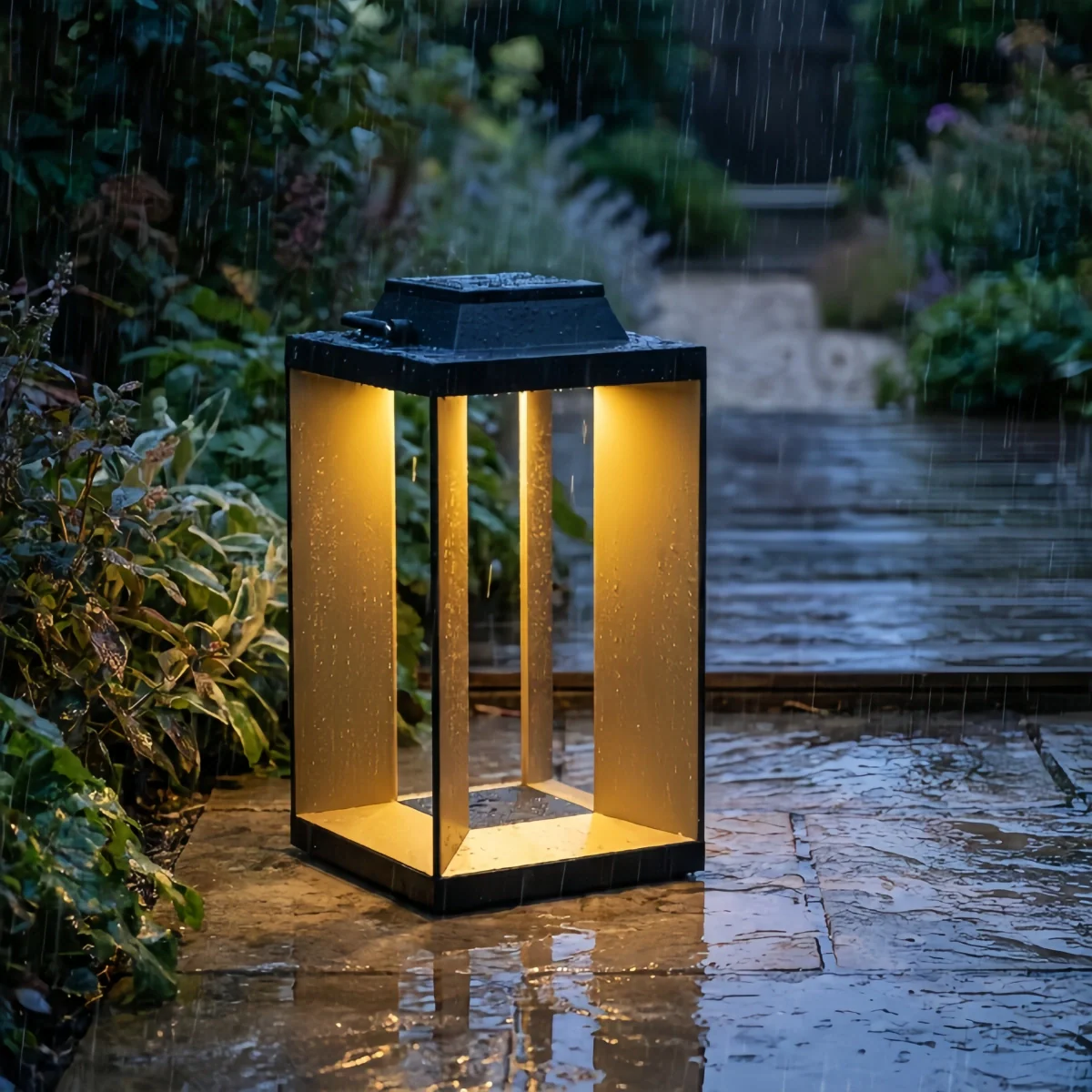
Solar outdoor wall lighting offers you a smart way to brighten your home’s exterior while using clean solar energy. Many homeowners across North America report high satisfaction with these lights due to their low energy costs and eco-friendly benefits. You can see real savings compared to traditional options:
Lighting Type |
Initial Hardware & Installation |
Energy Costs (Over 5 Years) |
Maintenance Costs (Over 5 Years) |
Total Cost Over 5 Years |
|---|---|---|---|---|
Solar Outdoor Wall Lights |
$200 (Free DIY Installation) |
$0 |
$60 (Battery replacements) |
$260 |
Traditional Electric Lights |
$500 (Requires Professional Electrician) |
$300 |
$100 (Bulb replacements & wiring check) |
$900 |
You should consider your sunlight exposure, local climate, and how much outdoor wall lighting you need. Installation and maintenance stay simple, but long-term savings depend on your home’s access to solar power.
Key Takeaways
Solar outdoor wall lights save you money on energy bills since they use free solar energy.
Installation is simple and can be done without hiring an electrician, making it a hassle-free option.
Regular maintenance, like cleaning solar panels and checking batteries, keeps your lights working well.
Consider your home's sunlight exposure to ensure optimal performance from your solar lights.
High-quality solar lights can enhance your home's value and improve security with effective illumination.
Solar Lights: Advantages and Disadvantages
Quick Overview for Homeowners
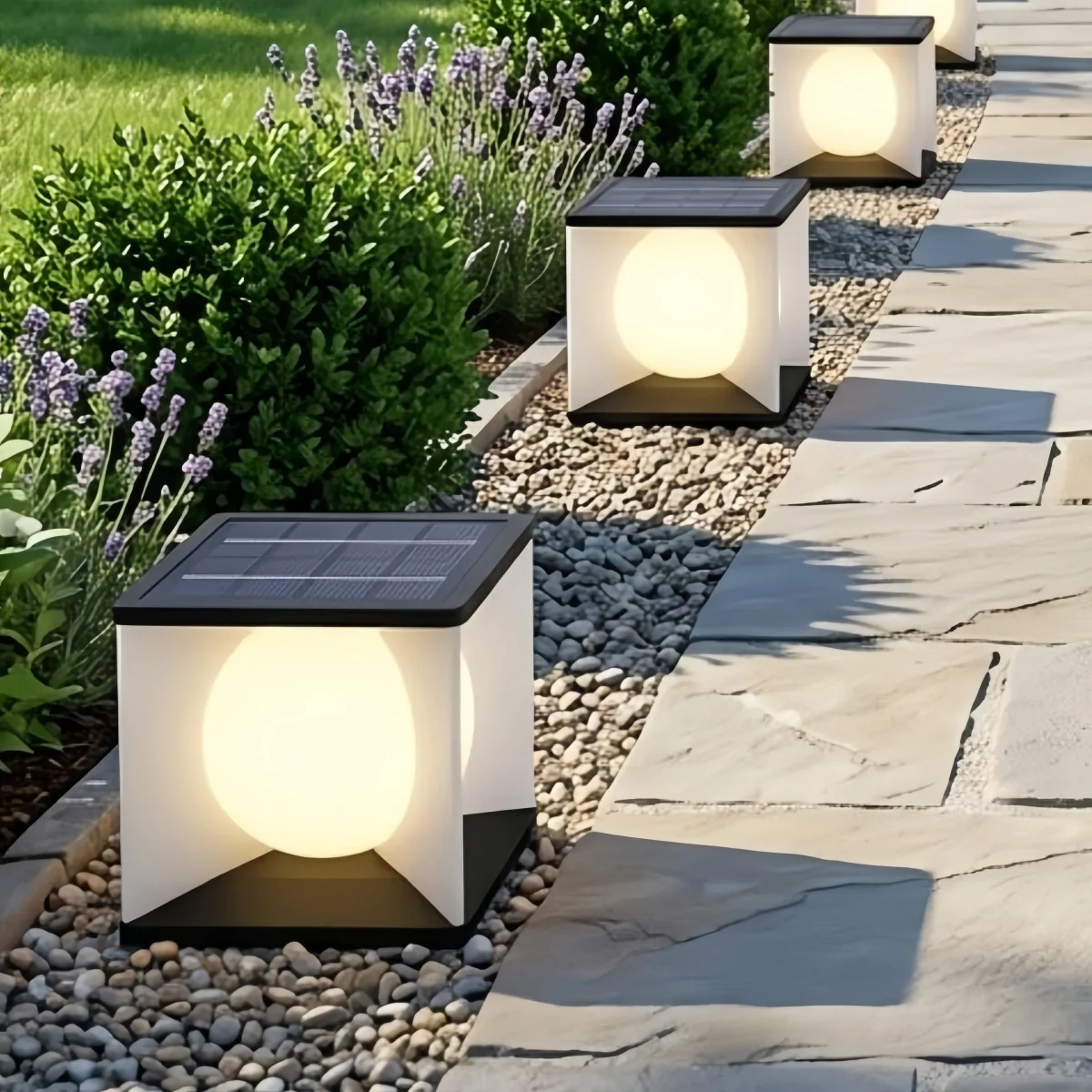
When you consider outdoor wall lighting for your home, you need to weigh the advantages and disadvantages of solar lights. These fixtures use solar energy to power LED bulbs, which means you do not pay for electricity. You can install most models yourself, so you avoid hiring an electrician. Solar lights help you lower your carbon footprint because they use renewable solar power instead of fossil fuels.
Here are the main advantages and disadvantages you should know:
Solar lights operate on solar energy, so you do not have ongoing electricity costs.
You can install them easily with basic tools and mounting brackets.
These lights require little maintenance. Cleaning the solar panels and checking the batteries usually keeps them working well.
Most solar lights are built to handle rain, snow, and heat, so you can use them in many climates.
You help the environment by using solar power, which reduces carbon emissions.
However, you also need to consider the disadvantages:
Disadvantage Type |
Description |
|---|---|
Limited Power Generation |
Performance drops if your home does not get enough sunlight, especially in winter or cloudy weather. |
Panel Efficiency and Orientation |
Poor panel placement or low-quality panels can reduce how much solar energy your lights collect. |
Battery Life and Storage |
Rechargeable batteries wear out over time, which can make your lights dimmer or shorten their run time. |
Higher Initial Cost |
Solar lights usually cost more to buy than traditional outdoor wall lighting. |
Mounting Challenges (on specific surfaces) |
While no electrical wiring is required, drilling into difficult surfaces like brick, stone, or high exterior peaks may require special tools or handyman assistance. |
Routine Upkeep Requirements |
While financially inexpensive, solar lights require regular physical upkeep, such as wiping panels clean of dust or snow to ensure they charge properly. |
You should also know that solar lights may not shine as brightly as traditional outdoor wall lighting. While modern solar fixtures have improved, they still do not match the intensity of wired lights, especially if you need strong illumination for security or large spaces.
Many homeowners ask if solar lights last a long time. High-quality fixtures are built to be long-lasting; while the solar panels and LEDs can function for over 15 years, you simply need to replace the batteries every few years to keep them running like new.
Who Benefits Most from Outdoor Wall Lighting
You benefit most from outdoor wall lighting if you want to enhance your home’s aesthetics, improve security, and reduce electricity bills. Homeowners who live in sunny areas get the best results because their solar lights receive more solar energy each day. If you want to avoid running wires or paying for electricity, solar power gives you a simple and eco-friendly solution.
Here is a quick look at who gains the most from outdoor wall lighting:
Homeowner Profile |
Key Benefits |
|---|---|
Security-Focused Homeowners |
Eliminates dark spots around the perimeter; powers motion-sensor lights without complex wiring. |
Eco-Conscious & Budget DIYers |
Reduces electricity bills to zero; allows for easy, wire-free installation on any wall surface. |
You may also want to know about common misconceptions. Some people think that only expensive solar lights work well, but mid-range models often perform better because of smart engineering. Others believe that all solar lights are equally durable, but metal fixtures last longer than plastic ones, especially in harsh weather.
If you want to increase your property value, outdoor wall lighting can help. Studies show that quality solar lights can raise your home’s value by two to five percent. You may recover your investment in one to two years through energy savings and higher resale value.
Tip: Choose solar lights with high-efficiency panels and lithium-ion batteries for the best performance. Look for features like motion detection and adjustable settings to get more value from your outdoor wall lighting.
What Is Outdoor Wall Lighting?
Outdoor wall lighting helps you brighten the exterior of your home. You can use these lights to highlight architectural features, improve safety, and create a welcoming atmosphere. Solar outdoor wall lights stand out because they use sunlight to power LED bulbs. You do not need to connect them to your electrical system, which makes installation simple and cost-effective.
Features of Solar Lights
Solar outdoor wall lights offer several unique features that set them apart from traditional lighting options. You can see the differences in the table below:
Feature |
Solar Outdoor Wall Lights |
Traditional Lighting Options |
|---|---|---|
Light Output (Lumens) |
50 - 800 Lumens (Varies by mode) |
450 - 1,600+ Lumens |
Energy Efficiency |
High (uses renewable energy) |
Low (high electricity consumption) |
Installation |
Easy (no wiring needed) |
Complex (requires electrical work) |
Maintenance |
Minimal (cleaning solar panels) |
High (bulb replacements, wiring checks) |
Durability |
Weather-resistant |
Varies (may degrade over time) |
Environmental Impact |
Eco-friendly |
Higher carbon footprint |
You benefit from solar lights because they use renewable energy and require little maintenance. You can install them without hiring an electrician. Most models resist harsh weather, so you do not worry about rain or snow. Solar lights also help you reduce your carbon footprint.
Tip: Clean the solar panels regularly to keep your lights working at their best. You can extend battery life and improve performance with simple care.
Common Uses and Types
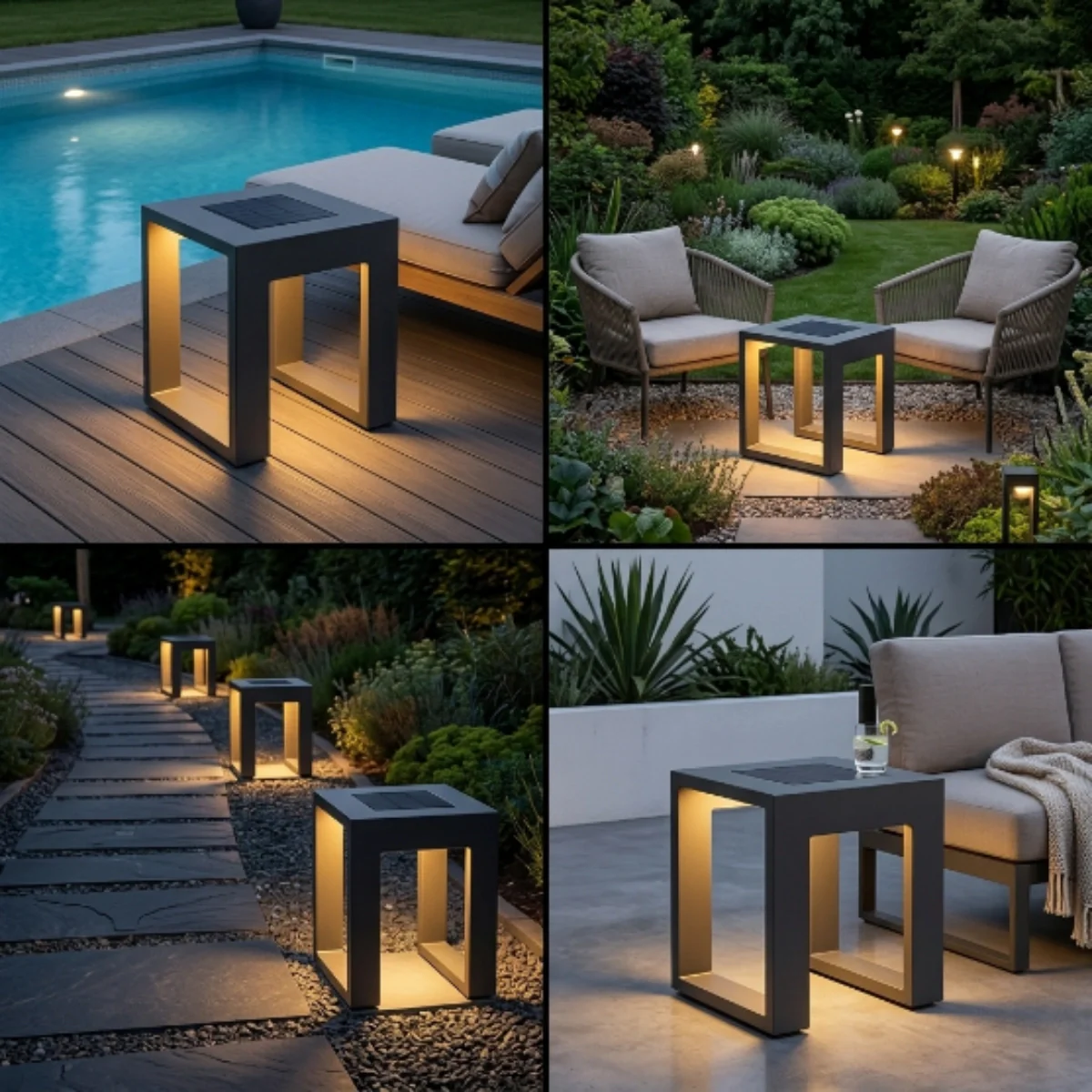
You can use solar outdoor wall lights in many ways around your home. These lights illuminate pathways, driveways, gardens, and patios. You improve safety and add beauty to your outdoor spaces without running wires.
You can place solar lights along walkways to guide guests safely.
You can install them near patios or decks to create a cozy atmosphere for gatherings.
You can use them around fire pits or outdoor seating areas for both ambiance and safety.
Homeowners often choose from several popular types of outdoor wall lighting:
Wall Lanterns
Solar Lights
Landscape Lighting
Floodlights/Security Lights
Pathway Lights
Deck Lights
String Lights
Post Lights
You can select the type that fits your needs and style. Solar wall lights give you flexibility and help you save energy while enhancing your home’s exterior.
Outdoor Wall Lighting: Benefits
Easy Installation
You can install solar lights quickly. Most models require only basic tools and simple mounting. You do not need to run wires or hire an electrician. Many homeowners set up solar outdoor wall lights in just a few minutes. This saves you time and reduces hassle. You can place lights wherever you need them, even in hard-to-reach spots.
Solar outdoor wall lights can be set up in just a few minutes, eliminating the need for wiring.
Energy Savings
Solar energy powers your outdoor wall lights. You do not pay for electricity. The lights collect sunlight during the day and use it at night. You see real savings on your energy bills. Solar power works independently from the electrical grid. You can light your garden lighting, patio, or driveway without extra costs.
Eco-Friendly Lighting
Solar lights use clean solar energy. You help the environment by reducing your reliance on fossil fuels. The lights lower greenhouse gas emissions and promote a cleaner atmosphere. You support renewable energy sources when you choose solar power. As more people use solar energy, the demand for fossil fuels drops.
Solar lights reduce dependence on non-renewable energy sources.
They lower greenhouse gas emissions, contributing to a cleaner environment.
Solar lighting uses clean, renewable solar energy instead of fossil fuels.
This significantly reduces carbon emissions and the strain on conventional energy sources.
Solar outdoor wall lights utilize renewable solar energy, reducing reliance on fossil fuels.
They operate independently of the electrical grid, which means they do not contribute to carbon emissions from electricity generation.
By choosing solar lighting, homeowners can significantly lower their carbon footprint.
Investing in solar technology promotes renewable energy sources.
As more people adopt solar solutions, the demand for fossil fuels decreases, leading to a more sustainable energy future.
Enhanced Security
You improve your home’s security with solar lights. The lights illuminate dark areas and deter intruders. Many models feature motion detection. When someone approaches, the lights turn on and make it harder for burglars to hide. You also get clearer footage from security cameras at night.
Solar outdoor wall lights deter intruders by illuminating areas when motion is detected, making it difficult for burglars to operate unnoticed.
These lights enhance the effectiveness of surveillance systems by providing necessary illumination for clearer camera footage at night.
The presence of lighting eliminates dark areas around the home where potential threats could hide.
Durability and Lifespan
Solar outdoor wall lights last longer than many traditional fixtures. You benefit from sturdy materials and advanced technology. The lights withstand rain, snow, and heat. You can rely on solar power for years. Here is a quick look at typical lifespans:
Component |
Lifespan |
|---|---|
Solar Panels |
20-25 years |
LED Lights |
10-15 years (up to 50,000 hours) |
Batteries |
3-7 years (depending on type) |
Low Maintenance
You spend less time maintaining solar lights. You only need to clean the solar panels and check the batteries. Schedule quarterly cleaning and annual battery checks. You do not worry about wiring or electrical issues. Solar power keeps your outdoor wall lights running smoothly.
Solar outdoor wall lights require regular cleaning of solar panels and battery replacement every 3 to 5 years.
Electric outdoor lights typically need more extensive maintenance related to wiring and electrical components.
For solar lights, it is recommended to schedule quarterly cleaning of solar panels and annual battery checks to maintain performance.
Tip: Clean your solar panels regularly and check batteries each year. This keeps your solar lights bright and reliable.
Outdoor Wall Lighting: Drawbacks
Sunlight Dependence
You rely on solar energy to power your outdoor wall lights. If your home sits in a shaded area or you experience frequent cloudy days, your lights may not charge fully. Solar panels need direct sunlight to collect enough solar energy. When trees, buildings, or other objects block the sun, your lights lose brightness and may not turn on at night. Snow or rain can cover panels and reduce solar energy absorption. You must clean panels often to keep them working well.
Higher Initial Cost
You will notice that high-quality solar wall lights generally cost more per unit than standard wired fixtures because they include built-in solar panels and lithium-ion batteries. The table below shows the difference in hardware investment:
Lighting Type (Per Fixture) |
Average Hardware Cost |
Note |
|---|---|---|
Traditional Electric Wall Light |
$25 - $40 |
Cheaper upfront hardware, but relies on existing home wiring. |
Solar Outdoor Wall Light |
$40 - $70 |
Higher unit cost due to integrated panels and battery systems. |
You pay more at first for solar energy systems, but you save money later because you do not pay for electricity. Traditional lights add annual operational costs for electricity, while solar energy eliminates those bills after installation.
Battery and Performance Issues
You may face battery problems with solar outdoor wall lights. Batteries store solar energy during the day and release it at night. Over time, batteries lose capacity and cause dim or weak light output. You see lights turning off too early or not turning on at all. Dirty solar panels, limited sunlight, or sensor issues can also affect performance. You must replace batteries every few years to keep your solar energy system running smoothly.
Solar lights not turning on often result from limited sunlight, dirty panels, or sensor issues.
Dim light output comes from battery wear or charging inefficiency.
Lights turning off too early relate to short daylight hours or aging batteries.
Motion sensors may not work properly if the angle is wrong or there are obstructions.
Placement Limitations
You must place solar outdoor wall lights where they receive enough solar energy. Shaded areas or poor panel orientation reduce the amount of solar energy collected. If you install lights in spots with little sunlight, batteries degrade faster and lights become less reliable. You need to check panel orientation and avoid placing lights under trees or near tall buildings.
Solar lights depend on sunlight for energy, so shaded areas compromise performance.
Poorly oriented panels generate less electricity, affecting light output.
Batteries degrade over time, especially in shaded locations.
Climate Impact
You see that climate affects how well your solar outdoor wall lights work. Frequent rain reduces solar energy absorption by panels. Heavy rain can impact operation and cause lights to fail. Snow blocks sunlight and prevents panels from charging. You must clear snow and debris to keep your solar energy system effective.
Frequent rain diminishes sunlight absorption, leading to reduced performance.
Heavy rain may significantly affect operation.
Snow accumulation blocks sunlight, resulting in poor charging.
Note: You can improve performance by cleaning panels regularly and checking battery health. Solar energy works best in sunny climates with minimal obstructions.
Maximizing Solar Lights Performance
Best Placement Tips
You can get the most from solar lights by choosing the right spot for installation. Place each fixture where it receives direct sunlight for at least 6 to 8 hours daily. Avoid shaded areas caused by trees or buildings. Tilt the solar panel to face south if you live in the Northern Hemisphere. Elevate the panel to prevent obstructions and observe sunlight patterns throughout the day. Position your solar lights according to their intended use, such as near entryways or along walkways, to maximize both solar energy collection and illumination.
Maintenance Advice
Regular care helps your solar lights last longer and work better. Clean the solar panels often to remove dust, pollen, or debris that can block solar energy absorption. Inspect your lights every few months for loose connections or damage. Use smart controls like motion sensors or dimming features to reduce energy use and extend battery life. Schedule an annual professional checkup to ensure all parts function properly.
Maintenance Task |
Description |
|---|---|
Clean Solar Panels |
Wipe panels to boost solar energy absorption. |
Replace Batteries |
Change batteries every 3-5 years for best results. |
Use Smart Controls |
Add motion sensors to save solar power and battery life. |
Inspect Regularly |
Check for dirt, loose wires, or damage. |
Professional Checkup |
Get a yearly inspection for optimal solar energy performance. |
Battery Care
Proper battery care keeps your solar lights shining bright. Replace batteries every 3 to 5 years, especially if you notice dimming or reduced run times. Choose high-quality NiMH or lithium-ion batteries for longer life. Monitor battery performance and always follow the manufacturer’s recommendations for battery type. Neglecting battery care can lead to poor solar power storage and reduced lighting.
Improving Performance in Low Sunlight
You can still use solar lights in areas with less sunlight. Place them where they get the most sun during the day. Clean the panels often to remove anything that blocks solar energy. Use reflective surfaces nearby to boost the amount of light reaching the panels. Select models with efficient monocrystalline panels and lithium-ion batteries for better solar power storage and longer operation. These steps help you make the most of solar energy, even in challenging conditions.
Tip: Consistent care and smart placement help you enjoy reliable solar lighting year-round.
Solar outdoor wall lights offer you energy savings, easy installation, and eco-friendly benefits, but you must weigh these against sunlight dependence and higher upfront costs. Before you decide, consider these important factors:
Purpose and location
Brightness and lumens
Battery capacity and efficiency
Durability and weather resistance
Installation and maintenance
Budget
You can start with a small installation or consult a professional for guidance. This approach helps you find the best solution for your home and needs.
FAQ
How long do solar outdoor wall lights last?
You can expect solar outdoor wall lights to last three to ten years. Solar panels often work for up to 25 years.Batteries generally need replacement every three to five years to maintain peak performance.
Do solar lights work during winter or cloudy days?
Solar lights still operate in winter and on cloudy days. You may notice reduced brightness and shorter run times. Clean panels often to help them collect more sunlight.
Can you install solar wall lights yourself?
You can install most solar wall lights without professional help. Use basic tools and follow the instructions. Mount lights where they get direct sunlight for best results.
What maintenance do solar outdoor wall lights need?
You should clean solar panels every few months. Check batteries once a year. Replace batteries when lights dim or stop working. Inspect for damage after storms.


