
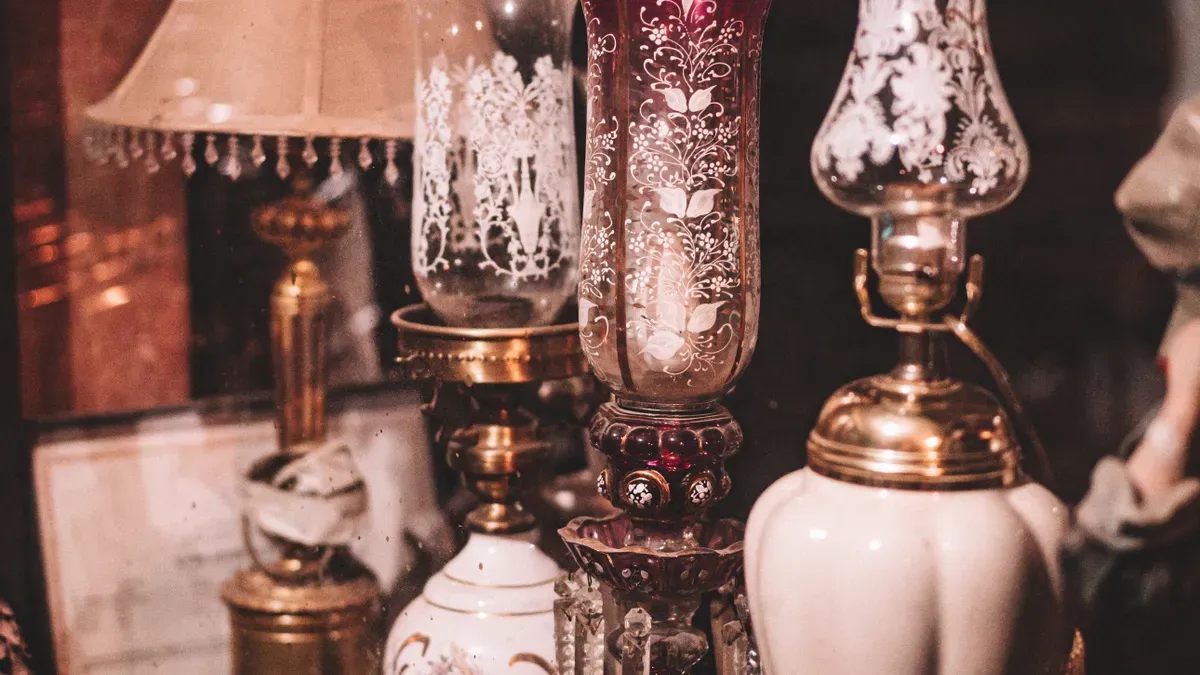
I always rely on these five tricks for antique crystal lamps maintenance:
Gentle cleaning
Regular dust prevention
Careful handling
Proper metal care
Routine bulb and wiring checks
These steps help me protect the beauty and value of my antique lighting. I find these tasks easy, even as a beginner. Consistent care keeps my vintage lighting bright for years. I often review my routine and think about what I want to improve.
Key Takeaways
Clean your antique crystal lamps with soft cloths and mild soap. This helps protect them.
Dust your lamps often. This keeps them bright and stops dust from building up.
Be careful when you move lamps. Hold them the right way and use things to protect them.
Look at the metal parts often. This stops tarnish and keeps them shiny. Use safe polish to clean them.
Check bulbs and wiring a lot. This keeps the lamps safe and working well. Replace broken parts right away.
Cleaning Antique Crystal Lamps
Cleaning Materials
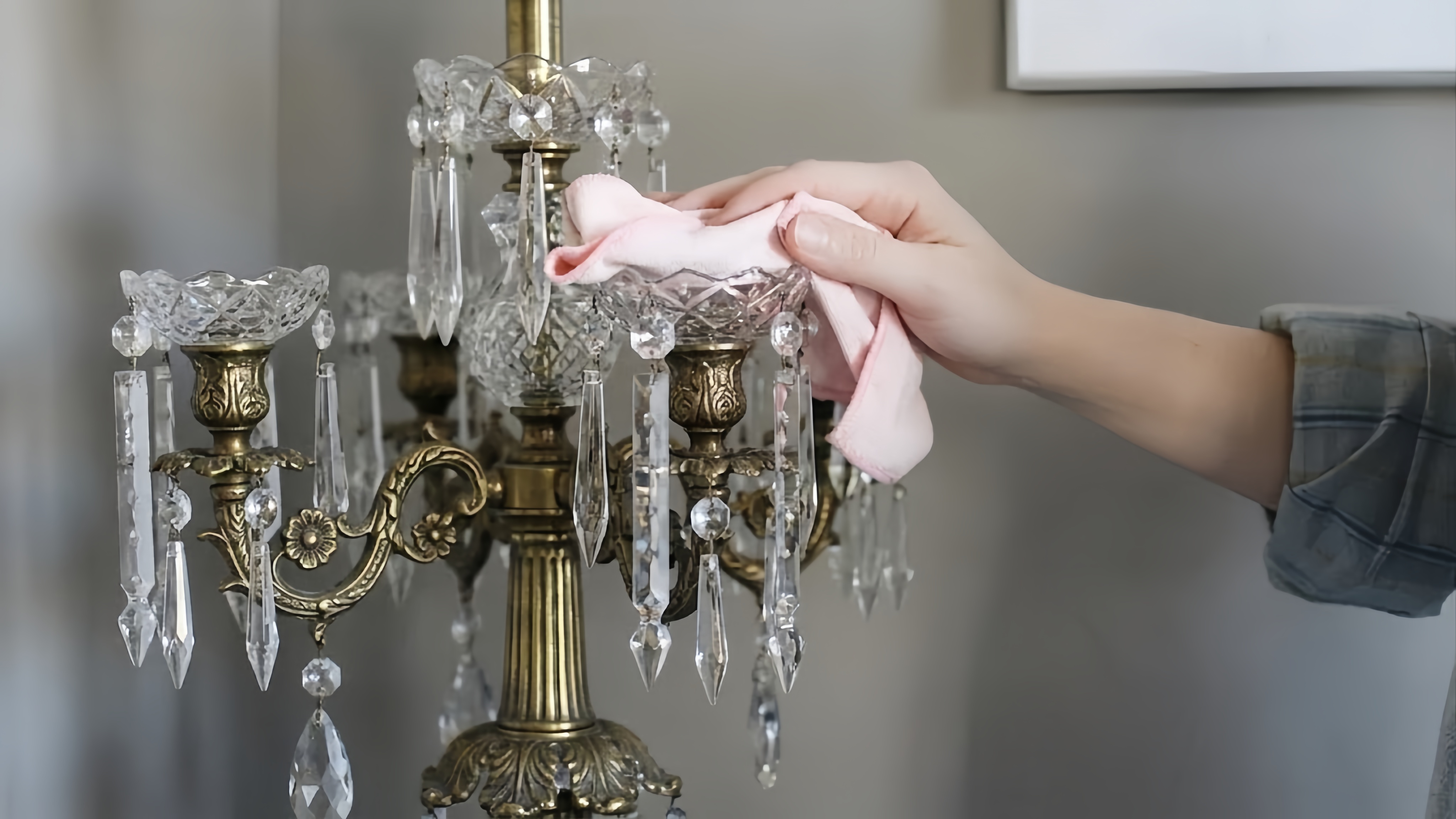
I always start with the right tools for cleaning. I use a soft microfiber cloth, a small bowl of warm water, and a gentle dish soap. I avoid harsh chemicals because they can damage the delicate surfaces. I also keep a soft-bristled brush nearby for reaching tight spots. Sometimes, I use cotton swabs for detailed areas. I make sure to have a dry towel ready for drying each piece.
Cleaning Steps
I unplug the lamp before I begin. I remove any bulbs and set them aside. I dip the cloth in soapy water and wring it out well. I gently wipe each crystal piece, working from top to bottom. For stubborn spots, I use the brush or a cotton swab. I rinse the cloth in clean water and wipe away any soap. I dry each part right away with a towel. I never soak the lamp or let water drip into the metal parts. I reassemble the lamp only when everything feels dry.
Tip: I always clean one section at a time. This helps me avoid missing any spots and keeps the process organized.
Common Mistakes
I learned to avoid a few common mistakes. I never use ammonia or vinegar because these can dull the crystals. I do not scrub hard, as this can scratch the surface. I also avoid spraying cleaners directly onto the lamp. I always support the lamp with one hand while cleaning with the other. This prevents accidents and keeps my antique crystal lamps safe. Regular cleaning keeps them looking their best and makes care much easier over time.
Dust Prevention Routine
Dusting Methods
I learned that dusting is the easiest way to keep antique crystal lamps looking bright. I use a feather duster for quick cleaning. Sometimes, I choose a microfiber cloth for a deeper clean. I gently wipe each crystal piece to remove dust. I avoid using rough materials because they can scratch the surface. I never use compressed air since it can push dust into small spaces. I always start at the top and work my way down. This method helps me catch falling dust and keeps the lamp clean.
Tip: I dust my lamp when I notice a dull shine. Regular dusting keeps the crystals sparkling and makes deep cleaning easier.
Maintenance Schedule
I set a schedule for dusting. I dust my lamp once a week. If I see more dust, I clean it twice a week. I mark my calendar to remind myself. I check the lamp after big events or when I move furniture. I find that sticking to a routine prevents buildup. I spend less time cleaning when I follow my schedule. I also inspect the lamp for any signs of wear during each dusting session.
Week |
Task |
Notes |
|---|---|---|
1 |
Dusting |
Use feather duster |
2 |
Dusting |
Use microfiber |
3 |
Inspection |
Check for damage |
4 |
Dusting |
Repeat steps |
Dust Control Tools
I keep a few tools handy for dust control. I use a feather duster for quick jobs. I rely on a microfiber cloth for detailed cleaning. I sometimes use a soft brush for tight spots. I store these tools near my lamp for easy access. I avoid using vacuum attachments because they can pull on delicate parts. I make sure my tools stay clean so they do not spread dust. I believe that having the right tools makes care simple and effective for antique crystal lamps.
Handling Antique Crystal Lamps
Moving Lamps Safely
When I move my antique crystal lamps, I always plan ahead. I unplug the lamp and remove the bulb first. I wrap each crystal piece in soft tissue or bubble wrap. I use both hands to lift the lamp, holding it by the base. I never grab the lamp by the neck or the crystal parts. If I need to move the lamp a long distance, I place it in a sturdy box with padding. I fill empty spaces with soft cloths to keep the lamp from shifting.
Tip: Ask someone to help if the lamp feels heavy or awkward. Two sets of hands make moving much safer.
Display Tips
I choose a stable, flat surface for display. I avoid placing my lamp near the edge of a table or shelf. I keep it away from high-traffic areas where it might get bumped. I like to use a table runner or felt pad under the base. This helps prevent scratches on both the lamp and the furniture. I also make sure the lamp sits away from direct sunlight. Sunlight can fade the crystals over time.
Here is a quick checklist I follow for display:
Stable surface
Away from edges
Out of direct sunlight
Not in busy walkways
Protective pad underneath
Preventing Damage
I take extra care to avoid chips and cracks. I dust gently and never use force. I keep pets and small children away from my antique crystal lamps. I check the lamp regularly for loose parts. If I find any, I fix them right away. I do not stack items near the lamp. I also avoid hanging decorations on it. Careful handling keeps my lamp beautiful and safe for years.
Note: Regular attention and gentle habits protect your lamp from accidents.
Caring for Metal Parts
Metal Identification
I always start by looking closely at the metal parts of my antique crystal lamp. I check for brass, bronze, or silver finishes. Brass usually has a warm, yellow color. Bronze looks darker and feels heavier. Silver shines with a cool, bright tone. I use a small magnet to test the metal. If the magnet sticks, the part is likely steel or iron. If it does not stick, I know I have brass, bronze, or another non-magnetic metal. Knowing the type of metal helps me choose the right cleaning method.
Tip: I keep a small chart of metal types and their features in my lamp care kit. This helps me remember what to look for.
Tarnish Prevention
I try to keep my lamp’s metal parts free from tarnish. I wipe them with a dry, soft cloth every week. I avoid touching the metal with bare hands because oils can cause tarnish. I keep my lamp away from damp places. Moisture can speed up tarnishing. I also check for dust and clean it off right away. If I see any spots starting to form, I act quickly to stop them from spreading.
Here are my top tarnish prevention steps:
Wipe metal parts weekly
Avoid touching with bare hands
Keep lamp in a dry place
Remove dust often
Polishing Tips
When I polish the metal, I use products that are safe for antiques. I want to protect the finish and keep the lamp looking bright. I found that George Basch N/D Never-Dull works well. It is non-toxic and easy to use. I also like Flitz Metal Polish Paste. It cleans gently and adds a protective layer. Both products help restore shine without harming the surface.
Product Name |
Key Features |
|---|---|
George Basch N/D Never-Dull |
Non-toxic, effective on all metal surfaces, easy to use, restores shine |
Flitz Metal Polish Paste |
USA-made, balances cleaning strength and surface safety, protective qualities |
I always test a small area first. I use a soft cloth and rub gently. I never use steel wool or rough pads. These can scratch the metal. After polishing, I buff the area with a clean cloth. I make sure to remove all polish so no residue stays behind. Regular care keeps the metal parts bright and beautiful.
Bulb & Wiring Checks
Bulb Selection
I always choose bulbs carefully for my antique crystal lamps. I look for bulbs that fit the lamp sockets perfectly. I avoid bulbs that run too hot because they can damage the crystals. I prefer LED bulbs since they stay cool and save energy. I check the wattage to make sure it matches the lamp’s rating. I never force a bulb into the lamp sockets. If I see any resistance, I stop and check the size. I keep extra bulbs on hand so I can replace them quickly.
Tip: I use clear bulbs to highlight the sparkle of the crystals. Frosted bulbs can dull the shine.
Wiring Inspection
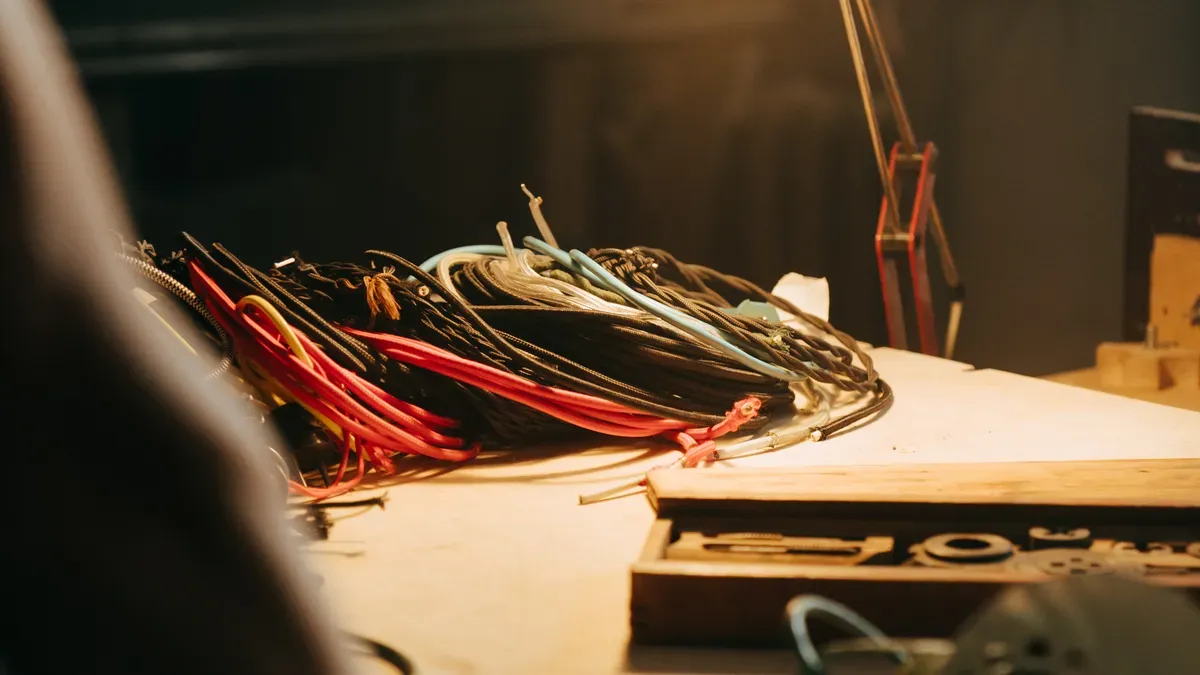
I inspect the lamp cord every few months. I look for cracks, fraying, or discoloration. I check the plug for signs of wear. I gently wiggle the lamp cord to see if it feels loose. I also examine the lamp sockets for corrosion or damage. If I notice any problems, I stop using the lamp right away. I never ignore issues with the lamp cord because safety comes first. I keep a checklist for my inspections:
Check lamp cord for cracks or fraying
Inspect plug for wear
Examine lamp sockets for corrosion
Test lamp cord for firmness
I record any problems in my notebook. I contact a professional if I need repairs.
Electrical Safety
I take electrical safety seriously when I care for my antique crystal lamps. I know that old lamp cord can become brittle and dangerous. I always unplug the lamp before I start any maintenance. I never use a lamp with a damaged lamp cord. I ask a qualified electrician to inspect and rewire genuine antiques. I trust experts to handle old lamp cord because they know how to prevent fire risks. I avoid using extension cords with my lamps. I keep the lamp cord away from water and heat sources.
Here are my top electrical safety habits:
Unplug lamp before cleaning
Replace damaged lamp cord immediately
Keep lamp cord dry and cool
Avoid extension cords
Note: Regular lamp cord checks and professional rewiring protect both the lamp and my home.
I rely on these five tricks to keep my antique crystal lamps bright and valuable. Regular maintenance stops dust from building up and keeps the crystals shining. I use gentle cleaning and avoid harsh products to protect the finish. I see that well-cared-for lamps can even grow in value over time.
Dust never dulls the crystal
The lamp stays beautiful
Value remains strong
I invite you to share your own tips or questions. Anyone can master these steps with practice.
FAQ
How often should I clean my antique crystal lamp?
I clean my lamp once a month. I dust it weekly. Regular cleaning keeps the crystals bright and prevents buildup. I notice that consistent care makes restoring lamps easier if they ever lose their shine.
What should I do if my lamp has loose crystals?
I check each crystal for looseness. I gently tighten the hooks or fasteners. If I cannot fix it, I ask a professional for help. I avoid using glue because it can damage the lamp.
Tip: I always handle crystals with care to prevent chips.
Can I use modern bulbs in my antique lamp?
I use LED bulbs in my antique lamp. They stay cool and save energy. I check the socket size and wattage before installing. I avoid bulbs that run hot because they can damage the crystals.
How do I know if my lamp needs rewiring?
I inspect the cord for cracks or fraying. I look for discoloration or loose plugs. If I see any problems, I stop using the lamp. I ask a qualified electrician about rewiring lamps to keep them safe.
Is it safe to polish metal parts myself?
I polish metal parts with gentle products. I test a small area first. I avoid harsh chemicals and rough pads. If the metal looks damaged, I ask a professional for advice.
Share:
Guía paso a paso para instalar una lámpara de tocador en el baño encima de su espejo
Dining Room Lights Which Would You Choose