
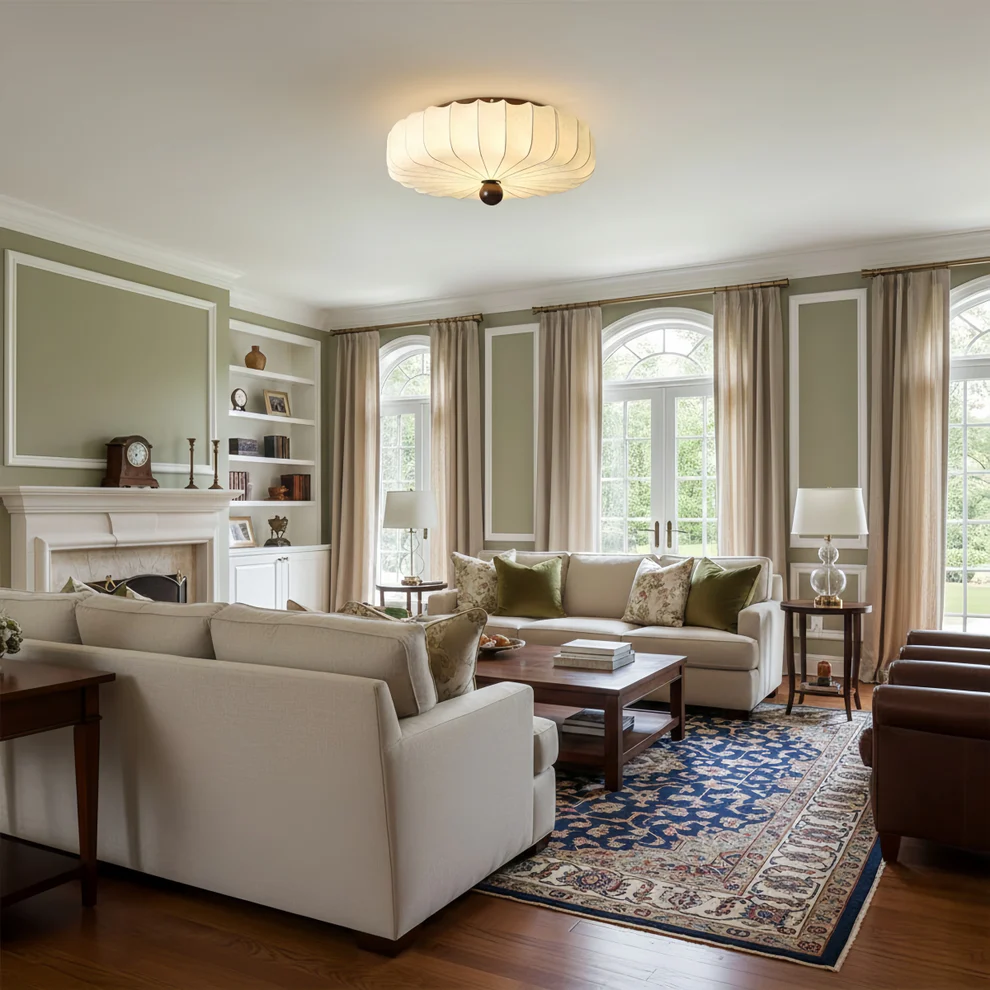
What should you consider when buying LED ceiling lights for your space? Picture updating your room with new lighting that transforms the atmosphere. You need to think about the size of your space, the purpose of the room, and the style you want to achieve. Many people make mistakes like ignoring compatibility with existing fixtures or mismatching wattage and voltage. Others choose low-quality lights or overlook lighting design principles. You can avoid these pitfalls by taking a careful approach and making smart decisions.
Key Takeaways
Measure your room's dimensions and ceiling height to choose the right size and type of LED ceiling light.
Match the light's brightness (lumens) and color temperature to the room's purpose for comfort and functionality.
Select a fixture style that complements your decor and fits the room's size and ceiling height.
Check for energy efficiency labels like ENERGY STAR or DLC to save on energy costs and ensure quality.
Avoid common mistakes like mismatched sizes, incorrect color temperatures, or ignoring safety ratings for damp or wet areas.
Assessing Your Space
Room Dimensions
Start by measuring your room. Length, width, and height all play a role in choosing the right lighting. The size of your space determines how much light you need and what type of fixture works best. For example:
A small bedroom may only need one compact fixture.
A large dining area benefits from a bigger or multiple fixtures for even coverage.
Use the length-plus-width formula in feet to determine the ideal fixture diameter in inches. This keeps the lighting balanced and effective.
Place fixtures in the center or align them with key features, like a table or seating area.
If you use more than one fixture, keep them 6 to 8 feet apart for even light.
Ceiling Height
Ceiling height affects both the style and function of your lighting. While the standard ceiling height in most modern homes is 8 to 10 feet, you must also be aware of minimum building code heights, especially when planning for basements or non-habitable spaces. Use this table to check the minimum height requirements:
Ceiling Type |
Minimum Height (US) |
Minimum Height (Canada) |
|---|---|---|
Habitable Spaces |
7 feet |
6 feet 11 inches |
Non-habitable Spaces |
6 feet 8 inches |
6 feet 8 inches |
Basements |
7 feet |
6 feet 11 inches |
Low ceilings work best with flush-mounted fixtures. High ceilings allow for larger or pendant lights. Higher ceilings can make a space feel open and social, while lower ceilings create a cozy atmosphere. Remember, higher ceilings may also affect energy efficiency.
Room Function
Think about how you use the room. Match the fixture to the room’s purpose for the best results.
In the kitchen, you need bright, functional lighting for cooking and cleaning. Slim fixtures help keep the space clean.
Bathrooms require moisture-resistant fixtures and steady, bright light for grooming.
A bedroom benefits from softer, relaxing light.
Dining areas often need adjustable lighting for different moods.
Choosing the right LED ceiling lights for each space ensures comfort, safety, and style.
Ceiling Light Size and Placement
Fixture Size
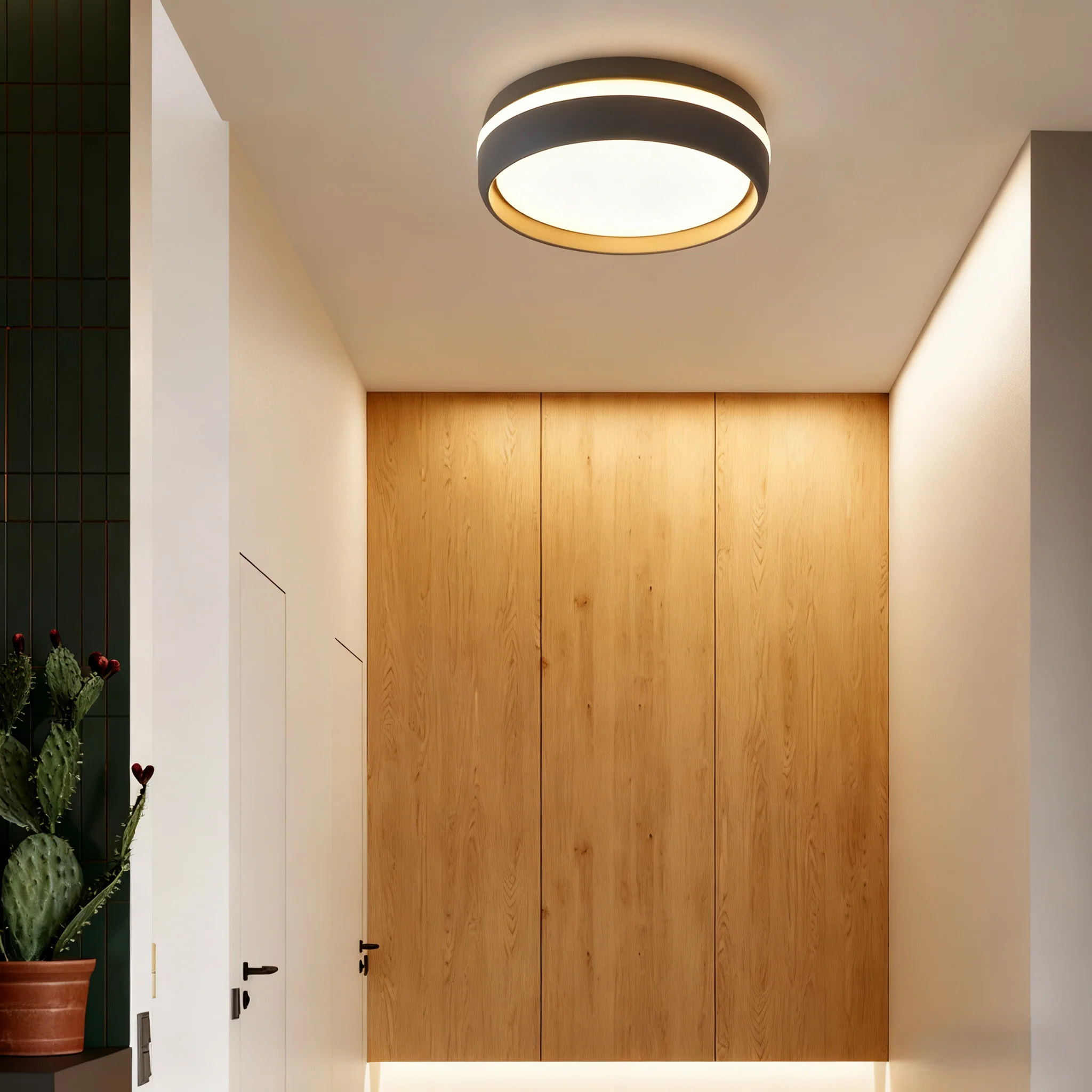
When you choose the right size ceiling light, you improve both the function and aesthetics of your space. Start by measuring your room. Add the length and width in feet, then convert that number to inches. For example, if your room is 12 feet by 10 feet, the sum is 22 feet. This means you should look for a fixture about 22 inches wide. This simple formula helps you find the right fixture size for most spaces.
Consider the visual weight of your fixture alongside its exact measurements. For example, if you choose a modern minimalist ultra-thin LED ceiling light, you can often size up slightly without it overpowering the room. Conversely, a thicker or more visually heavy flush mount should adhere strictly to the formula so it does not make the ceiling feel lower. This approach ensures your lighting fits both the dimensions and the style of the space.
High ceilings need larger or taller fixtures. Low ceilings work best with flush or semi-flush mounts. When you select the right size ceiling light, you create a balanced look and avoid overpowering or under-lighting the area.
Tip: Always consider the height of your ceiling when finding the right fixture size. Taller ceilings allow for more dramatic fixtures, while lower ceilings need compact designs.
Proper Spacing
Proper spacing between fixtures keeps your lighting even and your aesthetics pleasing. Center your fixture in the room or align it with a key feature, such as a dining table or seating area. If you use multiple fixtures, space them about 6 to 8 feet apart. This distance helps distribute light evenly and avoids dark spots.
For rooms that use recessed lighting, space the fixtures about 4 to 6 feet apart, which generally provides one light for every 16 to 36 square feet of ceiling space. In hallways, keep lights 6 to 8 feet apart for the best coverage.
Center fixtures for symmetry.
Align with focal points for better aesthetics.
Space multiple fixtures evenly for consistent lighting.
Clearance and Scale
Clearance and scale play a big role in both safety and aesthetics. Make sure your fixture hangs high enough so people can walk under it comfortably. For rooms with standard 8-foot ceilings, keep the bottom of the fixture at least 7 feet above the floor. In dining areas, hang the fixture 30 to 36 inches above the table for the right scale and aesthetics.
Choose a fixture that matches the scale of your room. A small fixture in a large space looks out of place, while an oversized fixture can overwhelm a small room. The right ceiling light size brings harmony and enhances the aesthetics of your space.
Note: Always check the fixture’s height and width before buying. This step ensures you get the right fit for your ceiling and room.
By focusing on fixture size, proper spacing, and clearance, you create a lighting plan that supports both function and aesthetics. This approach helps you achieve the perfect placement and makes your space feel comfortable and visually appealing.
Light Output and Quality
Lumens, Brightness, and Foot-Candles
You need to understand lumens and foot-candles when choosing LED ceiling lights. Lumens measure the total light output from a fixture, while foot-candles measure how much of that light actually reaches a surface (1 foot-candle equals 1 lumen per square foot). By matching these metrics to your room’s size and function, you avoid under-lighting or over-lighting your space.
Here is a table to help you determine the recommended lumens for different spaces:
Space / Room Type |
Recommended Brightness (Foot-candles / Lumens per sq ft) |
Purpose & Lighting Details |
|---|---|---|
Living Rooms & Bedrooms |
10 to 20 |
Creates a comfortable, ambient atmosphere. (e.g., aim for 2,000 to 4,000 total lumens for a 200 sq ft room). |
Dining Areas |
30 to 40 |
Provides enough illumination for dining while keeping the mood inviting. |
Task-Heavy: Kitchens |
30 to 40 |
Ensures bright, clear visibility for safe food preparation and cooking. |
Task-Heavy: Bathrooms |
70 to 80 |
Delivers high illumination for detailed tasks like grooming and makeup application. |
Tip: Always check the packaging for lumen ratings rather than wattage, as advanced LED technology uses minimal energy to produce high brightness.
Color Temperature and CRI
Color temperature affects the ambiance and usability of your space. It is measured in Kelvins (K) and ranges from warm to cool tones. Warm white light (2700K–3000K) creates a relaxing and inviting atmosphere. Neutral white (3500K–4000K) supports focus and resembles daylight. Cool white (5000K–6500K) boosts alertness and works well for tasks.
Here is a table that shows how color temperature influences mood and ideal spaces:
Color Temperature |
Mood and Usability |
Ideal Spaces |
|---|---|---|
Warm White (2700K–3000K) |
Cozy, inviting, promotes comfort and relaxation |
Living rooms, bedrooms, dining areas |
Neutral White (3500K–4000K) |
Enhances focus, resembles natural daylight |
Kitchens, offices, study rooms |
Cool White (5000K–6500K) |
Promotes alertness, best for task-oriented settings |
Bathrooms, workshops, garages |
Use warm light below 3000K in living rooms and bedrooms to create a relaxing ambiance.
Utilize cooler light above 5000K in workspaces to support concentration and productivity.
Combine different color temperatures in ambient, task, and accent lighting to transition smoothly between activities.
You also need to consider the Color Rendering Index (CRI). CRI measures how accurately a light source displays colors. For residential spaces, choose LED ceiling lights with a CRI of at least 90. This ensures your colors look natural and your design elements stand out.
Note: High CRI lighting helps you see true colors in your home, which is important for tasks like applying makeup or selecting clothes.
Choose the Right Fixture Style
Matching Decor
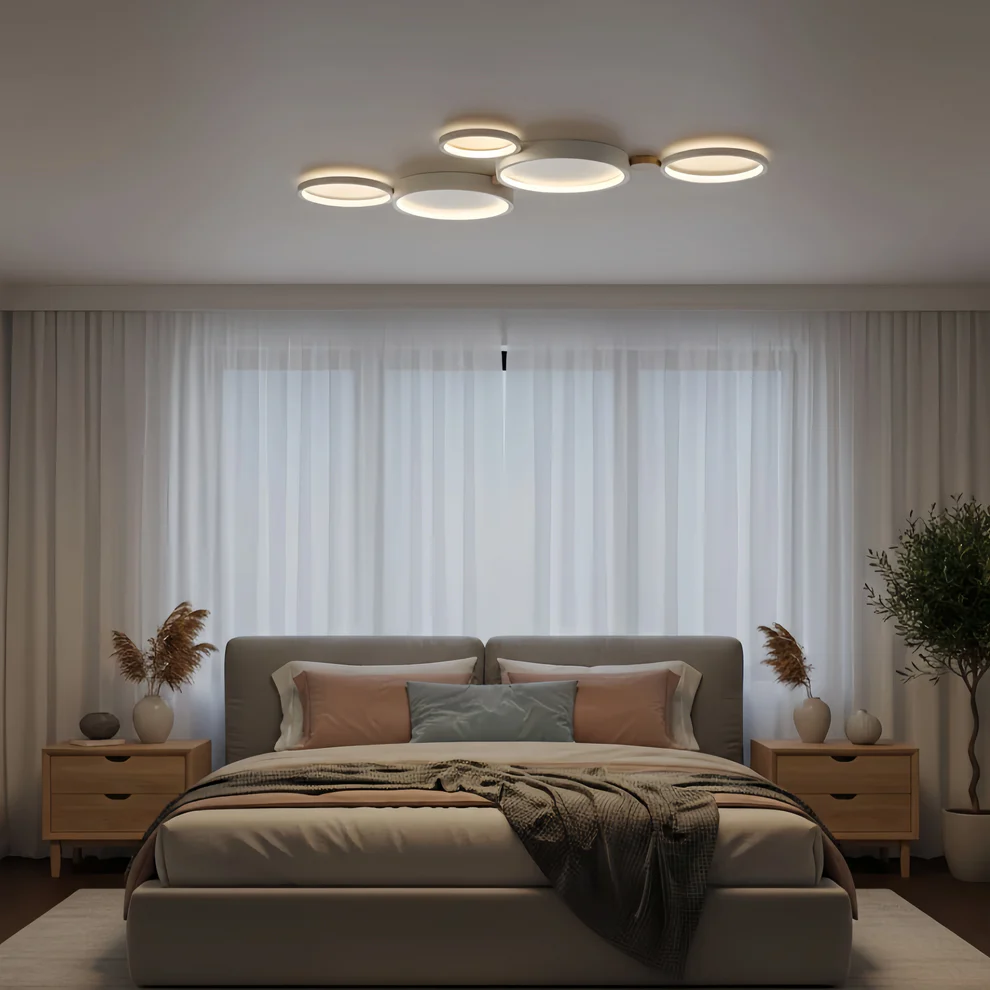
Choosing the right fixture aesthetic is a crucial step in pulling your room's interior design together. An LED ceiling light is no longer just a functional necessity; it acts as a central design element that draws the eye and sets the foundational tone for the entire space. Whether you are aiming to create a cozy sanctuary, a sleek workspace, or an elegant entertaining area, the visual style, shape, and materials of your lighting fixture should closely harmonize with your existing furniture, color palette, and architectural details. By thoughtfully coordinating these elements, you can seamlessly transform a basic room into a cohesive, beautifully curated environment.
Here is a breakdown of popular aesthetic styles and how they can enhance your home:
Design Style |
Key Features & Materials |
Aesthetic Impact |
|---|---|---|
Modern Minimalist |
Features clean lines and ultra-thin profiles. |
Perfect for keeping ceilings feeling high, open, and visually uncluttered. |
Quiet Luxury |
Incorporates premium materials like textured glass and sleek metallic accents for understated elegance. |
Focuses on high-end, atmospheric designs that significantly elevate the room's sophistication. |
Nordic Retro & American Modern |
Utilizes rich materials like walnut wood finishes or brushed brass. |
Blends classic charm with contemporary functionality to add warmth and character to your living or dining room. |
Select materials that are both beautiful and durable. A glass shade diffuses light softly, while wood or metallic accents can tie the fixture perfectly to your existing furniture.
Finishes and Materials
The finishes and materials of your fixture impact both durability and maintenance. Brass finishes bring vintage charm to your space. Chrome finishes create a modern edge. Textured glass shades diffuse light and make your room feel warm and inviting. The right finish and material can enhance your design and support the mood you want to achieve.
You should consider how the fixture’s finish matches other elements in your room. Choose materials that are easy to clean and maintain. The size of the fixture also affects how it fits with your decor. A large fixture with a bold finish can become a focal point, while a smaller fixture blends in for a subtle effect.
Tip: Select finishes that coordinate with your furniture and other lighting for a unified look.
Enhancing Your Space
You can improve your space by coordinating your LED ceiling lights with other fixtures. Use best practices to create a balanced design and lighting plan.
Description |
|
|---|---|
Aesthetic Coordination |
Choose LED lights that complement your existing decor, enhancing the overall aesthetic of the space. Warm white lights work well with neutral tones for a cozy atmosphere. |
Functional Illumination |
Select lights based on the room's activities; brighter lights for kitchens and softer lights for living areas create the right ambiance. |
Dynamic Lighting |
Experiment with different colors and intensities to create versatile lighting scenes that add depth to your home. |
You should match the fixture style to your room’s size and function. Combine different fixture styles for layered lighting. This approach helps you achieve a cohesive design and supports enhancing your space.
Installation and Compatibility
Mounting Types
You need to select the right mounting type for your LED ceiling fixture. Flush mount lights sit directly against the ceiling. These work best in rooms with low ceilings because they maximize headroom and prevent obstruction. Semi-flush mounts hang a few inches below the ceiling. This style creates different lighting effects and adds visual interest. Pendant fixtures drop further down and make a bold statement. Choose pendant fixtures for rooms with high ceilings where you want a dramatic look. The mounting type affects both the appearance and the function of your lighting.
Low ceilings require shallow fixtures to avoid blocking movement.
Semi-flush mounts suit spaces with moderate ceiling height.
Pendant fixtures enhance rooms with tall ceilings and add style.
Tip: Always measure your ceiling height before choosing a fixture. This step helps you avoid safety issues and ensures the fixture fits your space.
Voltage and Ratings
You must check voltage compatibility when installing LED ceiling fixtures. Residential spaces in the US use standard 120 volts. Some fixtures operate at low voltage, ranging from 6 to 48 volts. Always match the fixture’s voltage rating to your home’s electrical system. This prevents electrical hazards and ensures proper operation.
Type of LED Lighting |
Voltage Range |
|---|---|
Low Voltage |
6 to 48 volts |
Standard |
Note: Using the correct voltage rating protects your fixture and keeps your lighting safe.
Environmental Considerations
You need to consider environmental ratings for your LED ceiling fixture. Wet-rated fixtures are necessary for areas with direct water exposure, such as showers or outdoor spaces. These fixtures have waterproof seals that protect internal parts. Damp-rated fixtures work in spaces with occasional moisture, like covered patios or areas outside a shower. Choosing the right rating prevents electrical hazards and extends the life of your fixture.
Callout: Always use wet-rated fixtures in bathrooms and outdoor locations. Damp-rated fixtures suit areas with humidity but no direct water contact.
Selecting the proper mounting type, voltage, and environmental rating ensures your ceiling fixture operates safely and efficiently. You create a comfortable and reliable lighting plan for every room.
Energy Efficiency and Rebates
DLC Listing
You can boost your savings and ensure quality by choosing DLC-listed fixtures. DLC stands for DesignLights Consortium. This certification means the fixture meets strict energy efficiency and performance standards. Many utility companies offer rebates for DLC-listed products. You should check with your local energy provider to see if you qualify for discounts or cash-back offers when you install these fixtures. DLC-listed LED ceiling lights often last longer and use less energy, making them a smart investment for your home.
Cost Savings
Switching to LED ceiling lights can cut your energy bills and reduce replacement costs. Here are some key benefits:
LED bulbs use up to 75% less energy than incandescent lighting.
A 24W LED ceiling light can produce as much brightness as a 150W incandescent bulb, cutting energy use by more than 80%.
A 10-watt LED can match the brightness of a 60-watt incandescent bulb.
LED lights consume up to 90% less energy than traditional bulbs.
LED bulbs last up to 25 times longer than incandescent lighting.
You will see lower electricity bills and fewer trips to the store for replacements. Over time, these savings add up and help you recover your initial investment in energy-efficient lighting.
Maintenance Tips
You can extend the life of your fixture and keep your lighting bright with regular care. Follow these simple tips:
Clean trim and lenses every three months to prevent dust buildup.
Check dimmer switches monthly to ensure proper function.
Inspect moisture seals in wet locations to avoid water damage.
Test GFCI protection circuits for safety.
Monitor color consistency and replace any fixture that changes color.
Verify smart control connections if your fixture uses smart features.
Always turn off power before cleaning or inspecting the fixture.
Regular maintenance keeps your fixture working efficiently and helps you avoid costly repairs. Clean fixtures also provide better light output and keep your space looking its best.
Special Room Considerations
Open Concept Spaces
Open concept spaces often combine living, dining, and kitchen areas into one large room. You face unique lighting challenges here because you need to light different zones without walls. To solve this, layer your lighting. Use ambient lights for general brightness, task lights for reading or working, and accent lights to highlight art or decor. Define each zone with its own ceiling fixture or pendant. For example, place a pendant over the kitchen island and a flush mount in the living area. Maximize natural light by choosing sheer curtains and adding mirrors. Install dimmer switches so you can adjust the brightness for different activities or moods. This approach helps you create a flexible and inviting space.
Sloped Ceilings
Sloped ceilings add character to a room but can make lighting tricky. You should look for adjustable or angled LED ceiling fixtures. These fixtures allow you to direct light where you need it most. Track lighting and pendant lights with adjustable cords work well on sloped surfaces. Make sure the fixture hangs straight and provides even coverage. For safety, always check that the mounting hardware supports the angle of your ceiling. This ensures your lighting looks balanced and works efficiently.
Kitchens and Bathrooms
Kitchens and bathrooms need bright, accurate, and safe lighting. Choose LED ceiling lights with the right specifications for these rooms. The table below shows what to look for:
Specification Type |
Recommended Range |
|---|---|
Color Temperature |
3500–5000K (cooler tones) |
CRI |
≥ 90 for color accuracy |
Wattage |
Match to room size (e.g., 24W for kitchens) |
Energy Efficiency |
LED lights save over 80% energy |
Lifespan |
30,000–50,000 hours |
Match the wattage and number of fixtures to the size of your kitchen or bathroom. Select a cooler color temperature for tasks like cooking or grooming. High CRI ensures you see true colors, which is important for food prep and makeup. For a kitchen island, use pendant lights for focused task lighting. Always choose fixtures rated for damp or wet locations in bathrooms to prevent damage and ensure safety.
Final Checklist for LED Ceiling Lights
Review Key Factors
Before you buy new lighting, review the most important points. Use this table to check if you have covered all the basics for your space:
Factor |
Description |
|---|---|
Brightness Levels |
Make sure the lumen output matches your room size and how you use the space. |
Color Temperature |
Pick warm or cool tones to set the right mood for each area. |
Energy Efficiency |
Choose ENERGY STAR or DLC labeled options to save money and get long-lasting use. |
Select a fixture that fits your home’s look and gives you the function you need. |
Common Mistakes
Avoid these common errors when choosing LED ceiling lights:
Ignoring visual proportion by picking a fixture that is too large or too small for the room.
Selecting the wrong color temperature, making a living space feel too cold or a workspace too yellow.
Overlooking the need for damp or wet safety ratings in bathrooms or outdoor spaces.
Guessing the room dimensions instead of measuring before buying.
By taking accurate measurements, defining the room's purpose, and confirming safety ratings, you set yourself up for success. The right LED ceiling lights will effortlessly transform your space, save on energy costs, and create a comfortable atmosphere for years to come. Start your lighting upgrade today.
FAQ
How do I know what size LED ceiling light to buy?
Measure your room’s length and width in feet. Add those numbers together. The sum in inches gives you the ideal fixture diameter.
Tip: For a 10x12 ft room, choose a fixture about 22 inches wide.
Can I install LED ceiling lights myself?
You can install many LED ceiling lights with basic tools. Always turn off the power first. If you feel unsure, hire a licensed electrician for safety.
What color temperature works best for bedrooms?
Choose warm white (2700K–3000K) for bedrooms. This range creates a cozy and relaxing atmosphere.
Color Temperature |
Mood |
|---|---|
2700K–3000K |
Relaxing |
Are LED ceiling lights dimmable?
Many LED ceiling lights are dimmable. Check the packaging for “dimmable” labels. Use compatible dimmer switches for best results.
How long do LED ceiling lights last?
Most LED ceiling lights last 25,000 to 50,000 hours. You can enjoy years of bright, energy-efficient lighting with minimal maintenance.
Share:
Wall With Lighting Made Easy Indoors and Out
10 Mistakes to Avoid with Fixture Light Outdoor Placement