
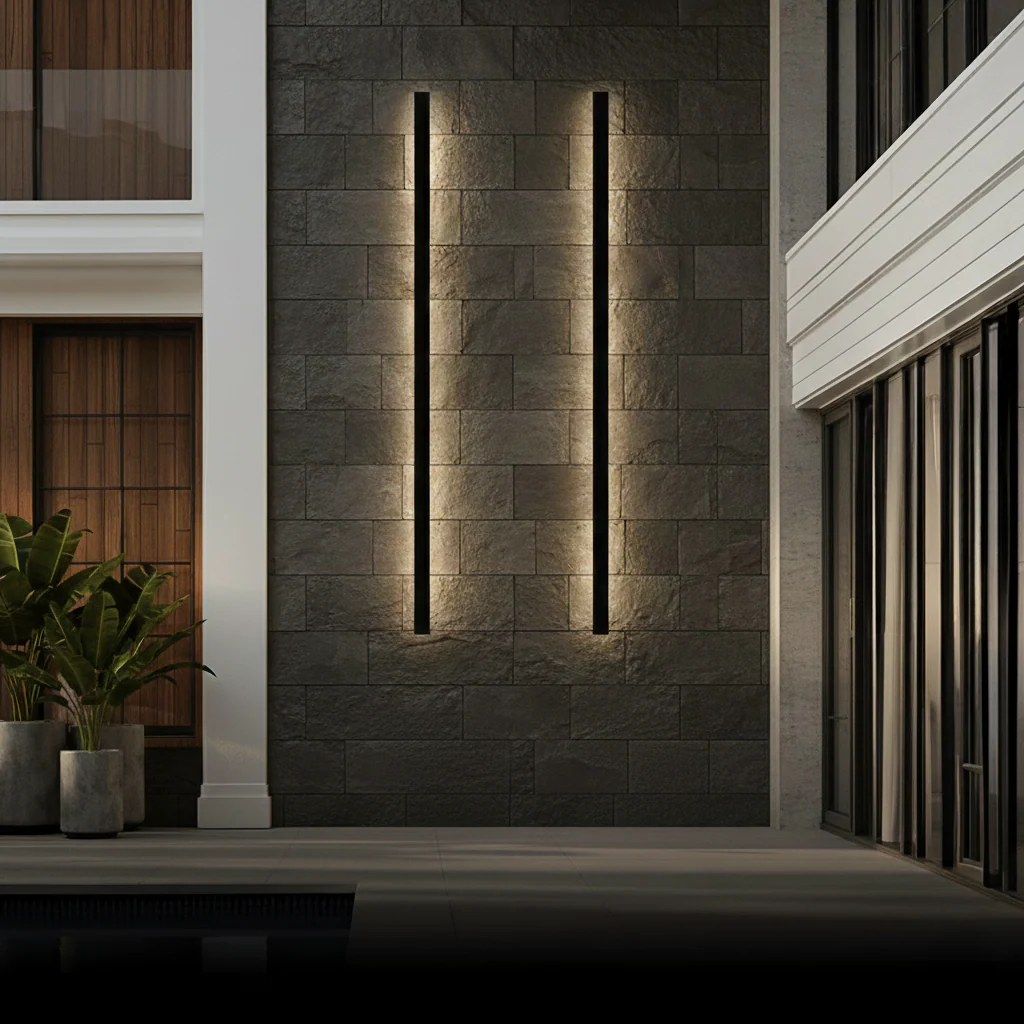
You can pick the right exterior outdoor LED lights by focusing on what fits your home’s needs and style. Many homeowners agree that lighting is important—49% say it is essential for safety and beauty, and 80% consider it a must-have feature. The right outdoor lights can boost curb appeal and property value, with homes often valued up to 15% higher when they include well-placed lighting. Start by thinking about your goals and the look you want to achieve.
Key Takeaways
LED lights save energy and last longer, reducing your electricity bills and maintenance efforts.
Identify key areas to illuminate, such as pathways and entryways, to enhance safety and curb appeal.
Choose lighting styles that match your home’s architecture for a cohesive and attractive exterior.
Consider smart features like motion sensors to improve security and convenience in your outdoor lighting.
Plan your lighting layout carefully to avoid dark spots and ensure even illumination across your outdoor space.
Outdoor Lighting Guide: Why Choose LED
Benefits of LED for Outdoor Use
When you explore any outdoor lighting guide, you will see that LED lights stand out for many reasons beyond just brightness. Here is why LEDs are the top choice for exterior use:
Energy Efficiency: They use significantly less power than traditional bulbs, making them highly cost-effective and saving you money without sacrificing light quality.
Exceptional Longevity: Most outdoor LED fixtures last for 25,000 hours or more, greatly reducing the time and effort spent on frequent replacements.
High Durability: Their solid-state construction makes them durable, so they handle harsh exterior weather conditions reliably.
Enhanced Safety: LEDs generate very little heat, which lowers fire risks and keeps your exterior fixtures safe to the touch for children and pets.
Cost Savings and Longevity
Switching to LED exterior outdoor lights can lead to big savings. For example, a typical home with five exterior lights using 60-watt incandescent bulbs uses about 876 kWh each year. If you switch to 9-watt LEDs, you cut this down to 131 kWh—a reduction of 85%. One family replaced twelve 50-watt halogen landscape lights with 7-watt LEDs and saved about $94 per year. Over five years, you could save more than $1,000 on energy bills. The table below shows how LEDs compare to other lighting types:
Lighting Technology |
Average Lifespan (Hours) |
|---|---|
LED |
25,000 - 50,000+ |
Incandescent |
1,000 |
Halogen |
2,000 - 4,000 |
Fluorescent |
7,000 - 15,000 |
HID (Metal Halide) |
15,000 - 24,000 |
Environmental Impact
LED exterior lighting offers clear environmental benefits. LEDs use less energy, which means lower greenhouse gas emissions. They do not contain hazardous materials like mercury, unlike some traditional bulbs. You also produce less waste because LEDs last longer and need fewer replacements. Many LED components, such as aluminum heat sinks, are recyclable. By choosing LED lights for your exterior, you help reduce waste and support sustainability.
Tip: Recycling your old LED bulbs helps keep materials out of landfills and supports a cleaner environment.
Step 1: Assess Your Lighting Needs
Areas to Illuminate
You need to identify which parts of your exterior require lights. Start by looking at your path, deck, entryways, and garden. Well-lit pathways help prevent accidents and make your home safer. Entrances and walkways need illumination for both security and functionality. Consider the size and layout of your outdoor space. Larger yards may need more lights, while smaller areas benefit from focused fixtures. Energy efficiency matters, so choose LED lights for sustainable lighting. Make sure your lighting complements your home’s architectural style. Use landscape lighting to highlight features and guide visitors.
Tips: Walk around your property at dusk to spot dark corners and areas that need extra light. This step helps you plan your lighting selection.
Lighting Goals: Security, Ambiance, Safety
Your lighting goals shape your selection. If you want security, place lights to eliminate shadows and dark corners. Motion-sensor lights can deter intruders and alert you to movement. For safety, use deck and step lights to prevent slips and falls. Adjustable brightness settings let you customize for comfort. Ambiance matters too. Path lights and outdoor wall lights create a welcoming atmosphere. Outdoor ceiling lights and outdoor post lights add style and function. Choose fixtures that match your needs and enhance your exterior.
Recommendations: Mix different types of lights for layered effects. Combine security lights with ambient fixtures for a balanced look.
Home Style and Layout
The style and layout of your home influence your lighting choices. Traditional homes often look best with classic light fixture designs, such as bronze or black matte finishes. These pair well with brick or stone exteriors. Contemporary homes benefit from sleek, geometric fixtures made of brushed aluminum or stainless steel. The material of your exterior walls affects how light is reflected. Smooth surfaces like stucco spread light evenly. Rough stone creates shadows and depth, which directional LED lights can enhance. When planning your outdoor lighting, match the fixture to your home’s design and layout for the best results.
Lighting selection tips: Choose lights that fit your home’s architecture and highlight unique features. Use deck and step lights to accent stairs and outdoor wall lights to frame entrances.
Step 2: Choose the Right Types of Fixtures
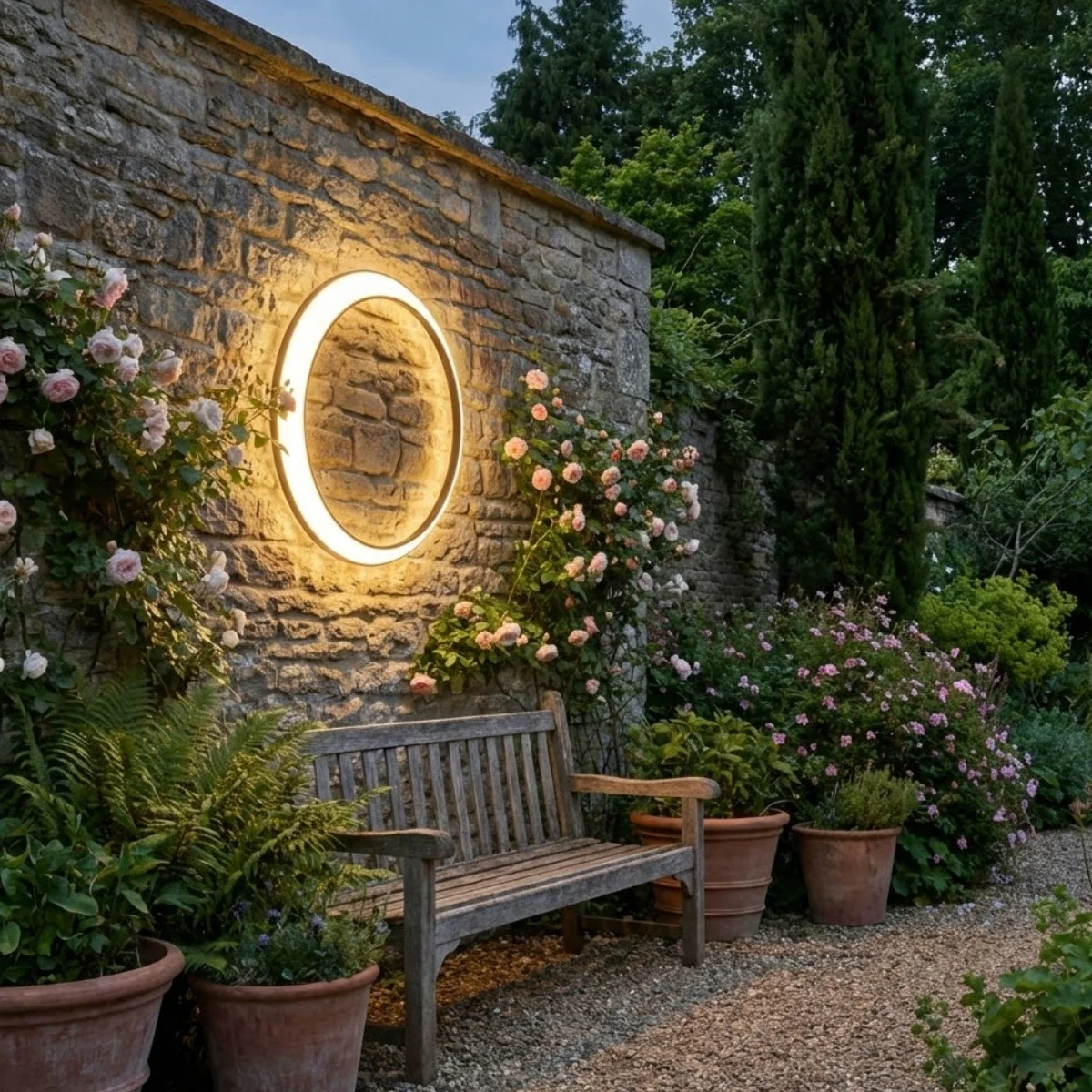
Choosing the right exterior outdoor LED lights means understanding the main functional types available. Each type serves a unique purpose, from ensuring safety to creating a sophisticated, "quiet luxury" atmosphere for your home. The table below outlines the most practical outdoor lighting categories to help you design a cohesive, high-end exterior:
Type of Fixture |
Primary Function |
Ideal Application & Styling |
Key Considerations |
|---|---|---|---|
Floodlights & Spotlights |
High-intensity illumination and targeted accent lighting. |
Driveways, large yards, or highlighting specific architectural details. |
Look for an IP65 waterproof rating for maximum durability against heavy rain and dust. |
Pathway & Garden Lights |
Safety navigation and landscape enhancement. |
Walkways, garden beds, and elevation changes. |
A 3000K warm white color temperature creates a welcoming, premium residential feel. |
Wall & Sconce Lights |
Ambient lighting and framing entry points. |
Flanking front doors, garage exteriors, or patios. |
Excellent for complementing Modern American or classic architectural styles. |
String & Decorative Lights |
Creating a cozy, festive, and atmospheric environment. |
Pergolas, decks, and outdoor dining areas. |
Perfect for layering light to achieve a soft, inviting aesthetic. |
You can use this functional breakdown as a quick reference when planning your exterior lighting layout and comparing different fixture options.
Floodlights and Spotlights
Floodlights and spotlights are two of the most popular choices for exterior lighting. You use floodlights to cover large areas with bright, even light. These lights have a wide beam angle, usually 120 degrees or more. Floodlights work well for driveways, patios, and backyards. They help you deter intruders by removing dark corners and make your home safer at night.
Spotlights have a narrow beam, less than 45 degrees. You use them to highlight specific features, such as trees, sculptures, or architectural details. Spotlights create dramatic effects and draw attention to focal points in your landscape. The table below compares the main features of floodlights and spotlights:
Feature |
Floodlights |
Spotlights |
|---|---|---|
Beam Angle |
Wide beam (120 degrees or more) |
Narrow beam (less than 45 degrees) |
Ideal Use |
Large area illumination (driveways, patios) |
Highlighting specific features (trees, sculptures) |
Security Application |
Deters intruders by eliminating dark corners |
Not typically used for security |
Floodlights can transform your backyard into a space for entertaining or relaxing. You also see them in commercial areas, parks, and sports facilities. Spotlights work best for accent lighting, pathway guidance, and task lighting in outdoor kitchens or grilling stations.
Tips: Use floodlights for security and visibility. Place spotlights to highlight your favorite exterior features.
Pathway and Garden Lights
Pathway and garden lights play a key role in both safety and aesthetics. You install these lights along walkways, driveways, and entry points. They reduce the risk of accidents by making steps and changes in elevation easy to see. Well-lit paths guide guests smoothly from the street to your front door.
Pathway and garden lights illuminate walkways, driveways, and entry points, which reduces the risk of accidents.
These lights deter potential intruders and enhance security.
You can highlight architectural features and landscaping, creating a welcoming ambiance.
Properly illuminated paths prevent mishaps and guide guests.
Landscape lighting emphasizes beautiful features of your exterior.
You can use pathway lights to mark the edge of a deck or step. Garden lights help you show off plants and flower beds. These fixtures add charm and make your exterior look well cared for.
Wall and Sconce Lights
Wall and sconce lights attach directly to your exterior walls. You use them to frame entrances, patios, and garage doors. Outdoor sconces enhance the look of your property by highlighting architectural features and landscapes. They provide focused lighting that improves safety by illuminating paths and entrances.
Outdoor sconces highlight architectural features and landscaping.
They improve safety by lighting up pathways and entrances.
Strategically placed sconces eliminate dark corners, keeping your family and guests safe after sunset.
You can choose from many styles, from classic lanterns to modern geometric shapes. Select a light fixture that matches your home’s design for the best effect.
String and Decorative Lights
String and decorative lights create a festive and inviting atmosphere. You can hang standard warm-white lights above a patio, along a fence, or around a pergola to add a soft, cozy glow to your everyday exterior space.
If you upgrade to smart, color-changing (RGB) LED string lights, you can unlock even more creative possibilities for your outdoor areas:
Use a soft lavender or warm amber glow for relaxation on your deck.
Sync lights to red, white, and blue for a festive Fourth of July party.
Create a romantic atmosphere with gentle pink or deep purple lighting.
Change colors seasonally for holidays like Halloween and Christmas.
String lights are easy to install and move. You can use them for everyday ambiance or special events. Decorative lights let you express your style and make your exterior stand out.
Recommendations: Mix different types of outdoor lighting to layer effects. Combine functional fixtures with decorative lights for a balanced and beautiful exterior.
Step 3: Select Key Features for Exterior Lighting
Energy Efficiency and Lumens
You want your exterior outdoor led lights to provide the right amount of brightness without wasting energy. Lumens measure how much light a bulb produces. For each area, you should match the lumen output to the task. Here is a quick guide:
Lighting Type |
Recommended Lumens |
|---|---|
Path Lighting |
|
Step Lights |
12-100 |
Flood Lights |
|
Motion Sensor Lights |
300-700 |
Patio Lights |
600-700 (small), 1200-1600 (large) |
Deck Lights |
50-300 |
You can use lower lumens for ambiance and higher lumens for security or large spaces. This approach helps you save energy and money.
Weather Resistance and Materials
Durability matters for exterior lighting. You need lights that stand up to rain, wind, and sun. Quality materials like aluminum alloy, stainless steel, brass, and copper resist corrosion. Marine-grade steel and powder-coated finishes add extra protection, especially near the coast. The table below shows the best materials for outdoor use:
Material |
Properties |
|---|---|
Aluminum Alloy |
|
Stainless Steel |
Excellent corrosion resistance |
Brass |
Great for coastal areas |
Copper |
Great for coastal areas |
Marine-grade Steel |
Withstands salty air |
Powder-coated Finish |
Extra layer of protection |
Choose a light fixture with these materials for long-lasting performance.
Color Temperature Choices
Color temperature affects the mood and function of your exterior. Warm white (2700K–3000K) creates a cozy, inviting feel for patios and dining areas. Neutral white (3500K–4100K) gives a balanced look for general lighting. Cool white (5000K and above) works best for security and task lighting. Use this table to match color temperature to your needs:
Color Temperature (K) |
Best Use |
|---|---|
2700K–3000K |
Patios, outdoor dining, comfort |
4000K–5000K |
Task areas, clarity, general lighting |
5000K–6500K |
Security, maximum visibility |
Smart Features and Controls
Modern exterior lights offer smart features for convenience and safety. Motion sensors turn on lights only when needed, saving energy. Smart lighting systems let you control schedules from your phone. Voice control allows hands-free operation. Many systems connect with your home’s security devices for extra peace of mind.
Tips: Look for automation and device integration to make your exterior lighting smarter and more efficient.
Budget and Quality
Balancing cost and quality is important. High-quality construction ensures your exterior lights last longer and perform better. While LEDs may cost more at first, you save money over time through lower energy bills and fewer replacements. Read customer reviews and choose reputable brands for reliable results. Assess your lighting needs to avoid overspending and get the best value for your home.
Step 4: Plan Your Placement and Installation
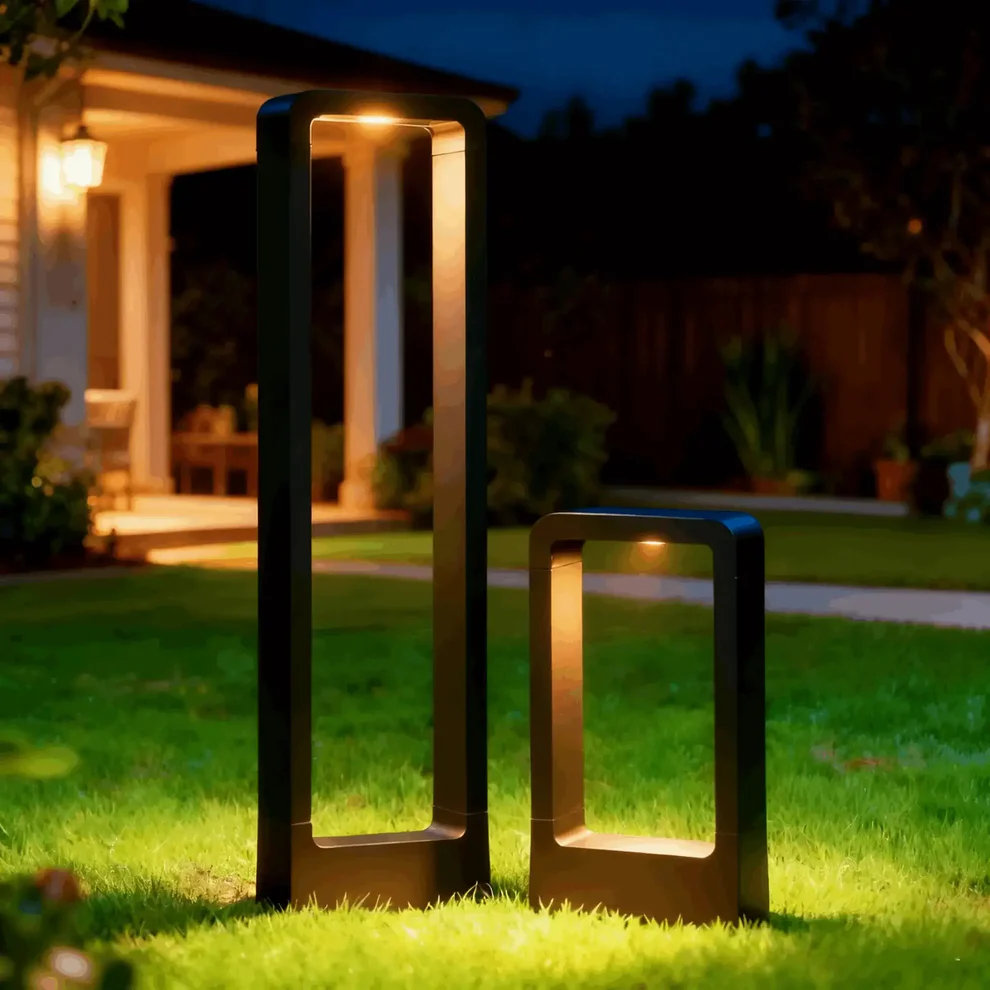
Planning Light Locations
You need to plan where to place exterior lights for the best results. Start by considering the size and layout of your outdoor space. Choose the LED light color that matches your design preference. Think about the preferred voltage and control method for your lights. Place fixtures at the proper height, usually between 6 and 10 feet, to ensure good coverage and reduce glare. Even spacing prevents dark spots and improves energy efficiency. Integrate lights with architectural features to enhance both aesthetics and functionality.
Tips: Walk around your home at dusk to spot areas that need extra illumination. Avoid placing lights too close together or pointing them directly at windows.
Aspect |
Details |
|---|---|
Height and Angle |
6–10 feet for coverage and minimal glare |
Spacing |
Even distribution prevents dark spots and boosts safety |
Integration |
Use architectural features for better aesthetics and function |
Safety and Wiring
afety is essential when installing exterior lighting. Before starting, always check if your new lamp or light fixture fits your current electrical connections. Always follow electrical standards to ensure reliability. Use weatherproof junction boxes and connectors to keep moisture out. Protect all wire connections, especially those below ground, from water. Implement proper grounding and surge protection to prevent electrical faults. Regularly test and document your installations to confirm compliance.Make sure all fixtures are specifically tested for outdoor and corrosive environments. If you live in an area prone to lightning, or if your lighting setup requires advanced circuit protection (like whole-house surge protectors), it is best to consult a licensed professional electrician to handle the complex wiring safely.
Note: About 40% of homeowners report that improper installation reduces lighting effectiveness. Always check manufacturer recommendations for elevation and angle.
DIY vs. Professional Install
You can install exterior lights yourself or hire a professional. Many products come with clear instructions and mounting hardware, making small projects easy. DIY installation is cost-effective for simple setups. However, while many fixtures allow for DIY, you should hire a professional for complex setups to ensure your outdoor lights meet strict electrical and mechanical safety standards. Professionals offer tailored design and avoid issues like over lighting or under lighting. You may pay more for professional installation, but you gain peace of mind and reliable results.
Installation Method |
Pros |
Cons |
|---|---|---|
DIY Installation |
• Cost-effective for small projects • Clear instructions provided |
• May lack expertise for complex setups • Risk of improper installation |
Professional Installation |
• Ensures tailored design and wiring • Avoids lighting mistakes |
• Higher cost compared to DIY • May require scheduling |
Pro Tip: Always protect underground wire connections from moisture by using silicone-filled, waterproof wire nuts. When planning your layout, try to keep the wire lengths from the power source to each light roughly equal—this simple trick ensures all your lights shine at the same brightness and makes troubleshooting much easier.
Post-Installation Maintenance
Once properly installed, LED lights require very little ongoing maintenance. Because high-quality LEDs can last over 50,000 hours, you will spend significantly less time and effort replacing bulbs, allowing you to simply enjoy your beautifully lit and secure exterior space.
You can choose the best exterior outdoor LED lights by following a clear process. Start with your goals, then use this checklist:
Maintenance and longevity
Energy efficiency
Smart lighting systems and motion sensors help you save money and boost security. Always check local codes and certifications for safety. For more guidance, review standards from IES, ANSI, and UL. Use these tips to create a safe, stylish, and efficient outdoor space.
FAQ
How do I choose the right brightness for outdoor LED lights?
You should check the lumens rating. For pathways, use 100–200 lumens. For security, pick 700 lumens or more. Match the brightness to your needs and space size.
Can outdoor LED lights handle rain and snow?
Most outdoor LED lights have weatherproof ratings like IP65 or higher. You should always check the product label. These ratings show the light can resist water and dust.
Do LED outdoor lights save money?
Yes! LED lights use less energy and last longer than traditional bulbs. You spend less on electricity and replacements. Over time, you save a lot of money.
What color temperature works best for outdoor spaces?
Warm white (2700K–3000K) creates a cozy feel. Cool white (5000K+) gives bright, clear light for security. You should pick the color that matches your style and purpose.
Share:
How to Choose the Best Energy-Efficient Outdoor LED Lamps for Your Home
How to Choose the Right Dining Room Lighting for Your Home