
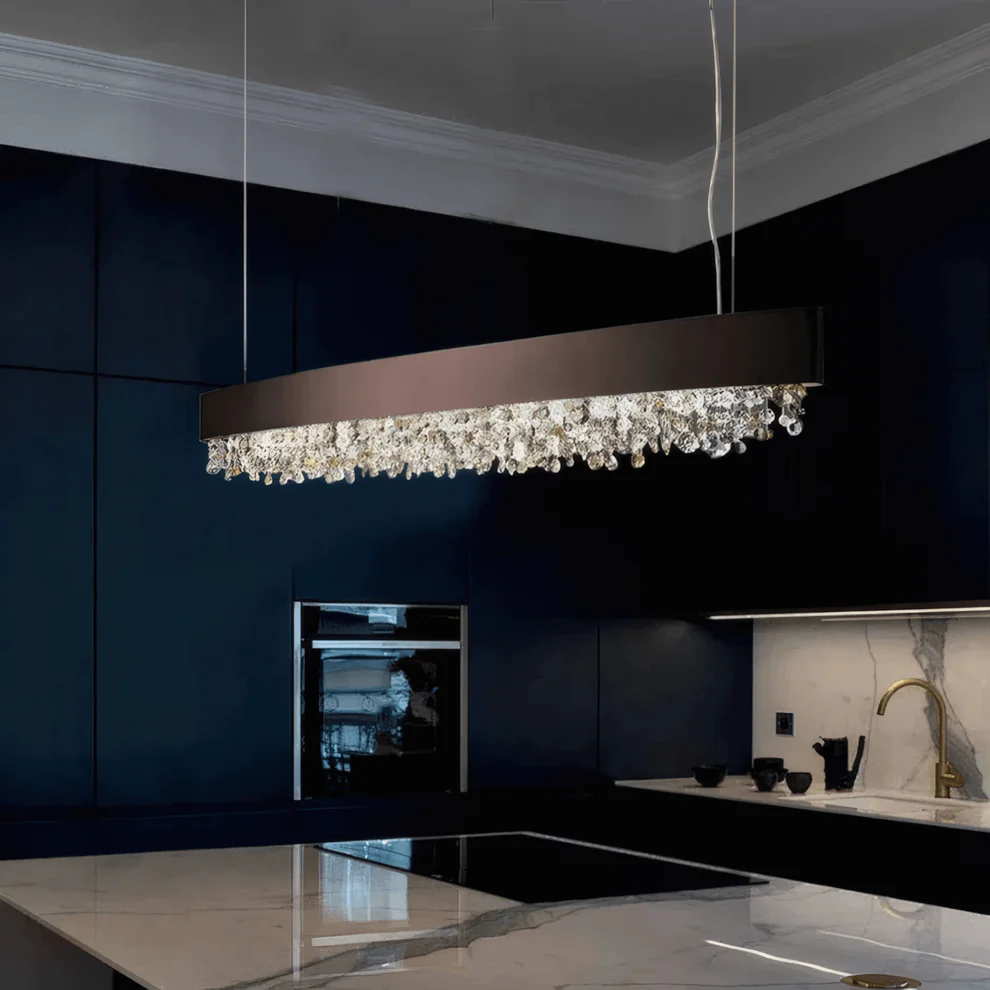
La iluminación estratégica puede elevar instantáneamente su diseño interior. Las luces adecuadas hacen más que iluminar una habitación. Dan forma a cómo se siente y cómo usa su espacio. Cuando su iluminación se siente perfecta, su hogar se siente más cómodo y acogedor. Los estudios demuestran que una buena iluminación aumenta la satisfacción y el bienestar, especialmente cuando es lo suficientemente brillante y está distribuida uniformemente. No necesita equipos sofisticados para hacer que su hogar brille. Con unos pocos trucos simples, puede crear un aspecto de diseñador que se adapte a su estilo.
Puntos clave
Aprenda sobre los tres tipos de iluminación: ambiental, de trabajo y de acento. Use los tres juntos para crear un espacio agradable y acogedor. Capas su iluminación para cambiar cómo se siente una habitación. Mezcle diferentes luces para un ambiente cálido o divertido. Elija el mejor color de luz para cada habitación. Las luces cálidas lo hacen sentir relajado. Las luces frías lo ayudan a prestar atención. Use atenuadores e iluminación inteligente para cambiar el brillo de las luces y ahorrar energía. Esto lo ayuda a establecer el estado de ánimo adecuado para cualquier evento. Agregue superficies brillantes y luz natural para hacer que su hogar sea más brillante. Los espejos y las paredes claras pueden hacer que las habitaciones se vean más grandes y abiertas.
Eleve su diseño interior con los fundamentos de la iluminación
Iluminación ambiental, de trabajo y de acento
Puede elevar su diseño interior comprendiendo los tres tipos principales de iluminación. Cada tipo juega un papel único en su hogar. Así es como funcionan juntos:
La iluminación ambiental le da a su habitación su brillo general. Por lo general, la encuentra en accesorios de techo o lámparas grandes. Este tipo hace que su espacio se sienta seguro y cómodo.
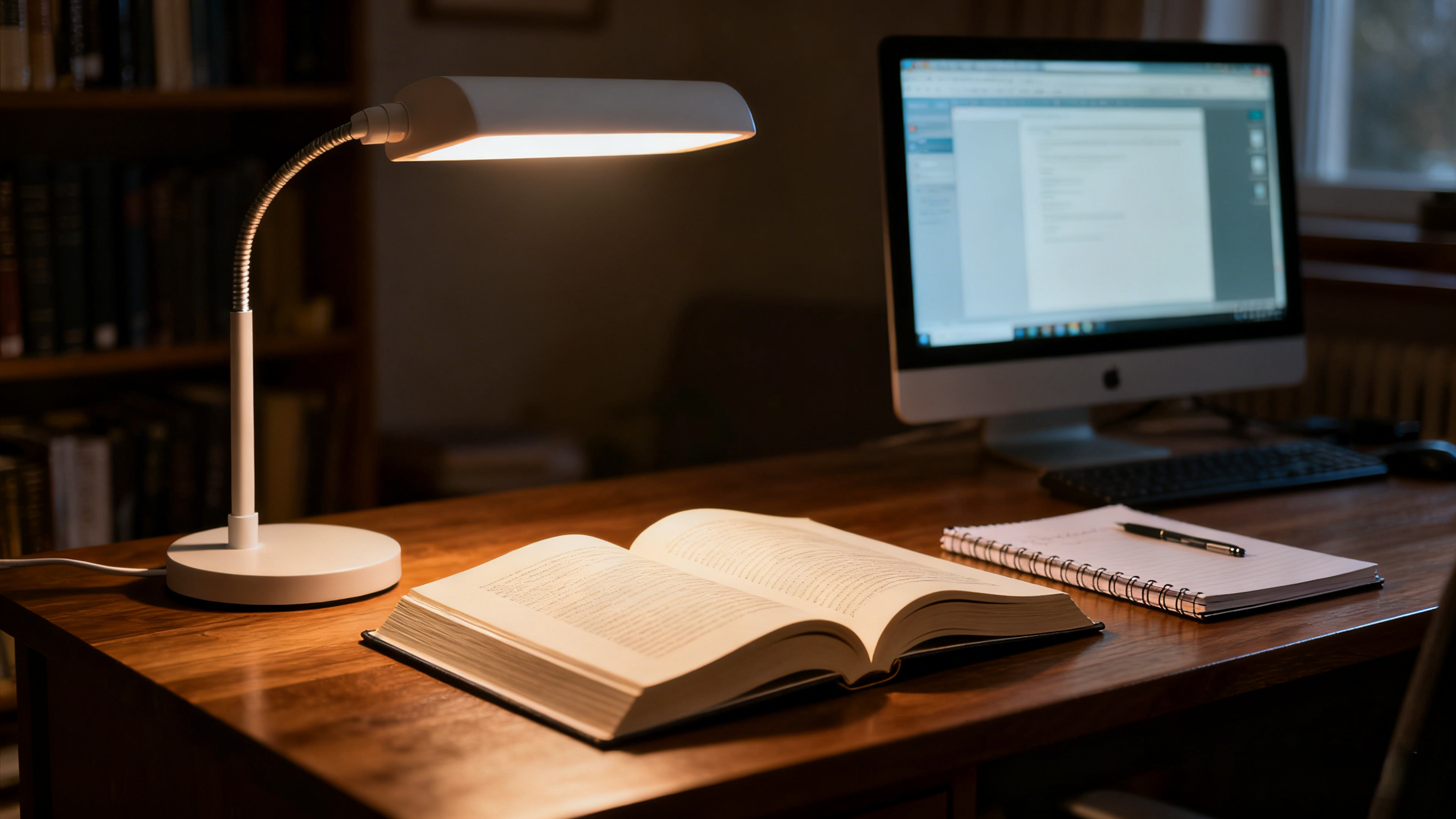
La iluminación de trabajo lo ayuda a concentrarse en actividades como leer, cocinar o trabajar. La coloca cerca de escritorios, mostradores o camas. Facilita las tareas y evita que sus ojos se esfuercen.
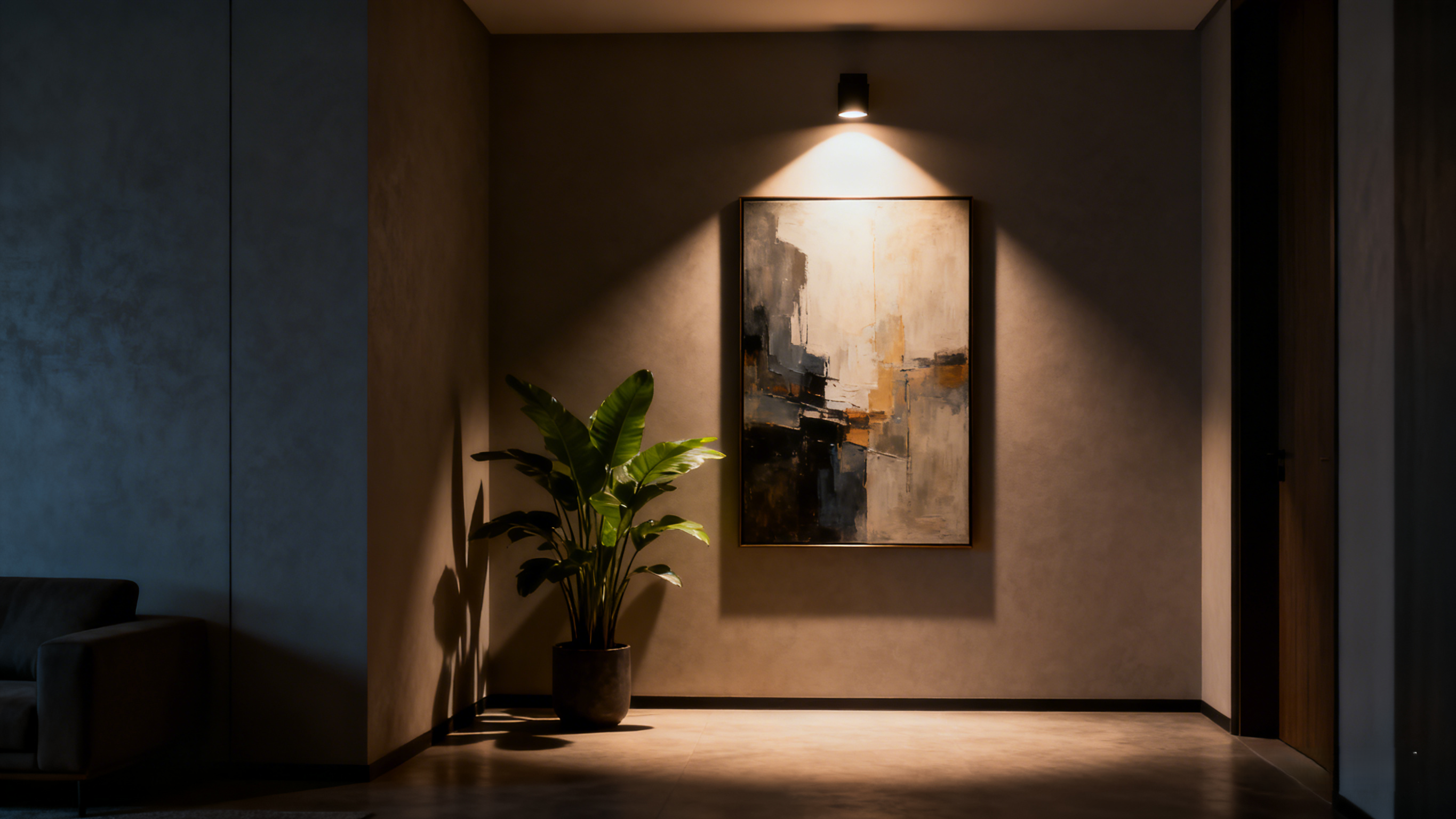
La iluminación de acento llama la atención sobre características especiales. Puede usarla para resaltar obras de arte, plantas o detalles arquitectónicos. Las luces de acento agregan estilo y hacen que su habitación resalte.
Los diseñadores profesionales recomiendan mezclar estos tipos para obtener los mejores resultados. La iluminación ambiental establece el ambiente. La iluminación de trabajo lo ayuda a hacer cosas. La iluminación de acento agrega profundidad e interés. Cuando superpone estas luces, su espacio se siente equilibrado y flexible.
Consejo: Intente usar una combinación de lámparas de pie, lámparas de mesa y luces de techo. Este enfoque lo ayuda a controlar el brillo y crear diferentes ambientes durante todo el día.
El papel de la iluminación en el estado de ánimo y la función
La iluminación hace más que ayudarlo a ver. Da forma a cómo se siente y qué tan bien trabaja. Los científicos han estudiado cómo las diferentes luces afectan el estado de ánimo, la energía y la concentración. Eche un vistazo a lo que encontraron:
Estudio/Fuente |
Hallazgos |
|---|---|
Universidad de Greenwich |
La luz enriquecida con azul hace que las personas sean más felices, más alertas y menos cansadas. |
Felderman y Keatinge |
La luz más fría aumenta la productividad y el estado de alerta. Los tonos más cálidos crean comodidad. |
Hallazgos generales |
La luz natural reduce la depresión y eleva el estado de ánimo, la energía y la productividad. |
Business.com |
Las luces cenitales elevan el estado de ánimo y hacen que los espacios sean acogedores, mejorando la concentración. |
Recomendaciones generales |
Los sistemas de iluminación en capas lo ayudan a mantenerse productivo y sentirse bien durante todo el día. |
Du et al. |
La iluminación inteligente mejora la comodidad y lo ayuda a pensar mejor. |
Llinares et al. |
La luz brillante mejora la atención. La luz tenue ayuda con la memoria. |
MG Figueiro et al. |
La iluminación especial reduce la somnolencia y lo mantiene alerta. |
La iluminación también afecta cómo usa cada habitación. Por ejemplo, las luces brillantes en una cocina lo ayudan a ver claramente mientras cocina. Las luces más suaves en un dormitorio lo ayudan a relajarse y prepararse para dormir. En las oficinas, las luces más frías lo mantienen concentrado y alerta. Los sistemas de iluminación inteligente pueden incluso ajustar el brillo y el color para satisfacer sus necesidades durante todo el día.
Cuando elige la iluminación adecuada, eleva su diseño interior y hace que su hogar funcione mejor para usted. Crea espacios que se sienten bien y lo ayudan a dar lo mejor de sí mismo.
Iluminación en capas para profundidad y versatilidad

La iluminación en capas es una de las mejores maneras de hacer que su hogar se sienta equilibrado y flexible. Cuando usa diferentes tipos de iluminación juntos, crea profundidad y le da a cada espacio su propia personalidad. Puede cambiar el estado de ánimo, resaltar características especiales y hacer que cada área funcione mejor para usted. Los diseñadores están de acuerdo en que la superposición de múltiples fuentes de luz no solo mejora el aspecto de su habitación, sino que también da forma a cómo se siente en ella. Puede elevar su diseño interior aprendiendo a mezclar y combinar luces para cada situación.
Combinación de múltiples fuentes de luz
No tiene que conformarse con una sola lámpara o accesorio de techo. La mezcla de varias fuentes de luz le permite controlar el brillo y el estilo. Así es como puede hacerlo:
La iluminación ambiental es su luz principal. Llena la habitación y establece el nivel base de brillo. Piense en accesorios de techo o luces empotradas.
La iluminación de trabajo lo ayuda a concentrarse en actividades como leer, cocinar o trabajar en un escritorio. Puede usar lámparas de escritorio, luces debajo de los gabinetes o luces colgantes sobre una isla de cocina.
La iluminación de acento agrega dramatismo y resalta características especiales. Use focos para obras de arte, tiras de LED para estantes o apliques de pared para crear un ambiente acogedor.
Consejo: Intente usar lámparas de pie en las esquinas oscuras, lámparas de mesa en las mesas auxiliares y accesorios de techo para la luz general. Esta combinación le ofrece opciones para cada estado de ánimo y actividad.
Aquí hay un vistazo rápido a cómo funciona cada tipo:
Tipo de iluminación |
Propósito |
|---|---|
Ambiental |
Iluminación general para toda la habitación |
De trabajo |
Iluminación enfocada para actividades específicas como leer o cocinar |
De acento |
Resaltar obras de arte o características arquitectónicas |
Cuando combina estas luces, obtiene un espacio que se siente acogedor y se ve genial. La superposición le permite cambiar el estado de ánimo con solo accionar un interruptor. Puede hacer que una habitación se sienta brillante y animada o suave y relajante.
Creación de zonas y ambiente
Los espacios de planta abierta pueden sentirse vacíos o confusos sin la iluminación adecuada. Puede usar la luz para crear zonas, haciendo que cada área se sienta especial y útil. Las zonas de iluminación lo ayudan a definir dónde se relaja, come o trabaja. También cambian qué tan grande o pequeño se siente un espacio.
Aquí hay algunas formas sencillas de crear zonas y establecer el ambiente:
Use iluminación zonificada para separar áreas. Coloque una luz colgante sobre la mesa del comedor, una lámpara de pie junto al sillón de lectura y luces debajo de los gabinetes en la cocina.
Ajuste los niveles de brillo para guiar la atención. Las luces más brillantes en las áreas de trabajo lo ayudan a concentrarse. Las luces más suaves en los espacios de descanso lo ayudan a relajarse.
Pruebe diferentes colores de luz para cada zona. Las luces cálidas hacen que las salas de estar se sientan acogedoras. Las luces frías mantienen las cocinas y oficinas brillantes y alertas.
Combine la iluminación ambiental, de trabajo y de acento en cada zona. Este enfoque en capas hace que cada parte de su hogar se vea y funcione mejor.
Nota: La iluminación dinámica le permite cambiar el brillo y la temperatura del color. Puede adaptar su espacio para noches de cine, cenas o mañanas tranquilas.
La iluminación en capas y las zonas le dan control. Puede resaltar el arte, hacer que los pasillos parezcan más largos o crear rincones íntimos. Cuando piensa en cómo la luz interactúa con las superficies, obtiene aún más profundidad y estilo. Con estas técnicas, puede elevar su diseño interior y hacer que su hogar se adapte a su vida.
Consejos de iluminación habitación por habitación
Estrategias para la sala de estar
La sala de estar es importante en su hogar. Quiere que se sienta acogedora y amigable. Una buena iluminación lo ayuda a relajarse y hablar con los demás. Aquí tiene algunas ideas:
Tipo de estrategia |
Descripción |
|---|---|
Iluminación ambiental |
Hace que la habitación sea cálida y cómoda con luces regulables, lámparas de pie y apliques de pared. |
Iluminación de acento |
Muestra características geniales y arte usando luces de riel y focos. |
Iluminación equilibrada |
Mezcla estilo y uso con bombillas cálidas y atenuadores. |
Use diferentes luces juntas para el mejor aspecto. No solo use luces de techo. Agregue apliques, lámparas de mesa y lámparas de pie para equilibrar.
Mezclar luces hace que la habitación sea animada y acogedora.
La iluminación puede cambiar cómo se sienten y actúan las personas. La luz solar ayuda a las personas a sentirse mejor y menos estresadas.
Las luces cálidas hacen que la habitación se sienta cómoda y buena para relajarse.
Las luces suaves ayudan a que la sala de estar se calme. Evitan la luz fuerte que puede hacerlo sentir estresado.
Ideas de iluminación para el dormitorio
Su dormitorio debe ayudarlo a descansar y sentirse tranquilo. Las luces que elija pueden ayudarlo a dormir y relajarse.
Una buena iluminación lo ayuda a dormir bien y sentirse cómodo.
La iluminación ambiental da un brillo suave y establece el estado de ánimo.
La luz blanca cálida lo ayuda a dormir al ayudar a su cuerpo a producir melatonina.
Use lámparas suaves o luces de cadena en lugar de luces de techo brillantes.
Apague las luces una hora antes de acostarse para ayudarlo a relajarse.
Use capas de iluminación ambiental, de trabajo y de acento. Las luces de techo dan luz general, las lámparas lo ayudan a leer y los apliques o las luces para cuadros muestran el arte.
Cuando su dormitorio está tenuemente iluminado, intente usar aerosoles perfumados. Los buenos olores pueden ayudar a su cuerpo a prepararse para dormir.
Soluciones para cocina y comedor
Las luces de cocina y comedor deben ser útiles y verse bien. Quiere ver bien al cocinar y tener un lugar agradable para comer.
Piense en el tamaño y la forma de su cocina. Las cocinas pequeñas funcionan bien con luces colgantes o luces empotradas. Las cocinas grandes necesitan más tipos de luces. Las luces brillantes funcionan en cocinas claras, y las oscuras se ven bien en habitaciones de colores intensos. La luz solar también es importante. Las luces suaves funcionan en habitaciones luminosas y las habitaciones oscuras necesitan luces más brillantes.
Las diferentes luces ayudan tanto al estilo como al uso. Las luces LED ahorran energía y duran más. Las luces colgantes se ven bien y lo ayudan a ver. Las luces empotradas y de riel se pueden mover.
La iluminación ambiental establece el ambiente y lo ayuda a moverse con seguridad.
La iluminación de trabajo facilita la cocción y la lectura de los menús.
La iluminación de acento hace que la habitación se vea genial y muestra el diseño.
Enfoques de iluminación para el baño
Los baños necesitan una iluminación segura y útil. Usar capas de luces ambientales, de trabajo y de acento hace que el espacio funcione bien y se vea bien.
La iluminación ambiental ilumina toda la habitación. La iluminación de trabajo es importante cerca de los espejos para el aseo. La iluminación de acento agrega estilo y muestra las características.
Elija bombillas entre 2000K y 3000K para un brillo cálido.
Use atenuadores para cambiar el brillo de las luces.
Elija bombillas LED o CFL para ahorrar energía.
Instale tomacorrientes GFCI para mantenerse a salvo de descargas.
Asegúrese de que la ducha tenga suficiente luz.
Las luces del baño deben ser resistentes a la humedad. Mantienen el agua fuera y evitan problemas eléctricos. Las luces con clasificación de humedad protegen los cables y reducen la posibilidad de incendio. Las normas de construcción dicen que necesita estas luces para mantenerse seguro.
Las buenas luces que resisten la humedad lo ayudan todos los días. Hacen que afeitarse y maquillarse sea más fácil y seguro.
Puede elevar su diseño interior eligiendo las luces adecuadas para cada habitación. Cada espacio necesita algo diferente, y una buena iluminación hace que su hogar se sienta perfecto.
Temperatura de la luz y color
La iluminación hace más que solo iluminar su espacio. El color de sus bombillas, también llamado temperatura de la luz, cambia cómo se siente y funciona su habitación. Puede usar esto a su favor y hacer que cada habitación se sienta perfecta.
Bombillas cálidas vs. frías
Puede notar que algunas luces se ven amarillas y otras se ven blancas o incluso azules. Esta diferencia proviene de la temperatura de la luz, medida en Kelvin (K). Las bombillas cálidas (por debajo de 3000K) emiten un brillo suave y amarillo. Las bombillas frías (por encima de 5000K) brillan con una luz blanca o azul nítida. Las bombillas neutras (alrededor de 4000K) se encuentran justo en el medio.
Aquí hay una guía rápida de cómo las diferentes temperaturas de luz afectan su espacio:
Temperatura de la luz (K) |
Efecto en la percepción del espacio |
Efecto en la comodidad |
|---|---|---|
Más de 5000K |
Hace que las habitaciones se sientan abiertas y luminosas |
Lo ayuda a concentrarse y mantenerse alerta |
4000K |
Se siente equilibrado y acogedor |
Acogedora pero energizante |
Menos de 3000K |
Crea una atmósfera relajante e íntima |
Perfecta para relajarse y generar ideas |
Consejo: Las bombillas cálidas funcionan mejor en lugares donde quieres relajarte, como tu sala de estar o dormitorio. Las bombillas frías te ayudan a mantenerte alerta en cocinas o espacios de trabajo.
Combinación de colores con el propósito de la habitación
Elegir el color de bombilla adecuado para cada habitación marca una gran diferencia. Los diseñadores suelen elegir bombillas cálidas para las salas de estar para crear un ambiente acogedor. En las cocinas, utilizan luces más frías o neutras para que puedas ver con claridad mientras cocinas.
Aquí tienes una tabla para ayudarte a combinar el color de la bombilla con el propósito de cada habitación:
Propósito de la habitación |
Temperatura de color recomendada (K) |
|---|---|
Sala de estar, dormitorio, hoteles |
2700 K – 3500 K |
Cocina, oficina, aula |
3500 K – 5000 K |
Restaurante de lujo, vestíbulo de hotel |
1800 K – 3000 K |
Hospital, área industrial |
3500 K – 5000 K |
Sala de estar: Las bombillas cálidas la hacen sentir acogedora.
Cocina: Las bombillas neutras o frías te ayudan a ver los detalles.
Dormitorio: La luz suave y cálida te ayuda a relajarte.
Oficina: La luz neutra te mantiene concentrado.
Puedes cambiar el ambiente de cualquier espacio simplemente cambiando la bombilla. Prueba diferentes temperaturas y observa cómo se transforman tus habitaciones. El color de luz adecuado te ayuda a sentirte cómodo y hace que tu hogar funcione mejor para ti.
Elección de accesorios y controles
Los accesorios y controles de iluminación hacen más que simplemente iluminar tu hogar. Te ayudan a mostrar tu estilo, ahorrar energía y hacer que cada habitación funcione mejor para ti. Elegir los accesorios y controles adecuados puede convertir un espacio simple en algo especial.
Estilos y colocación de accesorios
Tienes muchas opciones cuando se trata de accesorios de iluminación. El estilo y la ubicación de cada uno pueden cambiar el aspecto y la sensación de tu habitación. Echa un vistazo a esta tabla para ver cómo importan los diferentes aspectos:
Aspecto |
Explicación |
|---|---|
Tipos de iluminación |
Mezclar iluminación ambiental, de tarea y de acento hace que tu habitación sea útil y hermosa. |
Propósito de los accesorios |
Cada área necesita su propio tipo de accesorio. Un pasillo necesita luces diferentes a un rincón de lectura. |
Escala y proporción |
Elige tamaños de accesorios que se ajusten a tu habitación. Las luces grandes pueden abrumar las habitaciones pequeñas. Las luces pequeñas se pierden en espacios grandes. |
Colocación estratégica |
Coloca los accesorios para guiar a las personas y separar espacios, especialmente en planos de planta abiertos. |
Iluminación por capas |
Usa más de un tipo de luz para que tu habitación se sienta equilibrada y acogedora. |
Consejo: Prueba a colgar una lámpara colgante llamativa sobre tu mesa de comedor o a colocar una lámpara de pie en un rincón oscuro. Estas opciones te ayudan a crear zonas y añadir personalidad.
Reguladores y luces inteligentes
Los reguladores y los controles de iluminación inteligente te dan más poder sobre tu espacio. Puedes cambiar el estado de ánimo, ahorrar energía y hacer que tus luces duren más. Aquí te explicamos por qué querrías usarlos:
Los reguladores te ayudan a usar menos electricidad, lo que significa facturas más bajas.
Puedes crear el ambiente perfecto para cualquier actividad, desde una noche de cine hasta hacer los deberes.
Los reguladores hacen que las bombillas duren más al reducir el calor.
La iluminación inteligente te permite controlar las luces con tu teléfono o voz, lo que hace la vida más fácil y ecológica.
¿Quieres impresionar a tus invitados? Ajusta las luces con un toque o un comando de voz para un ambiente instantáneo.
Opciones de eficiencia energética
Elegir luces de bajo consumo es inteligente para tu bolsillo y para el planeta. Así es como se comparan las opciones más comunes:
Tipo de luz |
Ahorro de energía |
Vida útil |
Costo |
|---|---|---|---|
LED |
Usa hasta un 75% menos de energía |
Dura 25 veces más |
Costo inicial más alto, costo de por vida más bajo |
CFL |
Usa alrededor de un 70% menos de energía |
Dura 10,000 horas |
Costo inicial medio, costo de por vida bajo |
Incandescente |
Alto consumo de energía |
Dura 1,000 horas |
Costo inicial bajo, costo de por vida más alto |
Cambiar a bombillas LED puede ahorrarte alrededor de $225 al año en facturas de energía.
Las CFL cuestan menos al principio y aún ahorran energía.
Las LED y las CFL cuestan menos con el tiempo, incluso si cuestan más al principio.
La iluminación representa aproximadamente el 15% del consumo eléctrico de tu hogar. Cuando eliges bombillas de bajo consumo, ayudas al medio ambiente y mantienes más dinero en tu bolsillo.
Técnicas de iluminación creativas
Tiras de LED e iluminación ascendente
Puedes darle a tu hogar un toque moderno con tiras de LED e iluminación ascendente. Estas luces hacen más que simplemente iluminar una habitación: añaden estilo y hacen que los espacios se sientan especiales. Prueba estas ideas:
Coloca tiras de LED debajo de cada peldaño de la escalera. Esto hace que tus escaleras sean más seguras y les da un brillo suave y elegante.
Añade tiras de LED a lo largo de los bordes de tus suelos. Este truco ayuda a definir espacios en habitaciones abiertas y crea una sensación acogedora.
Instala tiras de LED debajo de muebles como sofás o gabinetes. Esto hace que los muebles parezcan flotar y añade un toque fresco y dinámico.
La iluminación ascendente funciona bien en carpintería o detrás de cabeceros. Envía la luz hacia arriba, haciendo que los techos parezcan más altos y las habitaciones se sientan más grandes. También puedes usar luces ascendentes para resaltar plantas o estantes.
¿Quieres una habitación que se sienta de lujo? Prueba a añadir tiras de LED en lugares inesperados para un aspecto de diseñador.
Superficies reflectantes y luz natural
No tienes que depender solo de lámparas o bombillas. Las superficies reflectantes y la luz natural pueden hacer que tu hogar se sienta más brillante y abierto. Aquí tienes algunas formas creativas de usarlas:
Cuelga espejos para reflejar la luz solar en los rincones más oscuros.
Elige acabados brillantes para gabinetes o muebles. Estas superficies reflejan la luz y hacen que las habitaciones parezcan más grandes.
Usa cristales ahumados en puertas o armarios para ayudar a que la luz fluya por tu espacio.
Añade accesorios cromados o detalles metálicos. Los detalles plateados u dorados captan la luz y añaden un toque de elegancia.
Pinta paredes y techos en colores claros. Este simple cambio puede amplificar la luminosidad en todo tu hogar.
Consejo profesional: Coloca un espejo frente a una ventana para duplicar la cantidad de luz natural en una habitación.
Resaltar características con iluminación de acento
La iluminación de acento te permite mostrar lo que hace que tu hogar sea único. Puedes usarla para llamar la atención sobre obras de arte, paredes con textura o detalles arquitectónicos especiales. Prueba estas ideas:
Usa tiras de luz LED para un brillo suave y uniforme que no abarrota tu espacio.
Instala luces de cuadro encima de tu arte favorito. Angúlalas a unos 30 grados para resaltar los colores y las texturas.
Dirige luces de acento en un ligero ángulo sobre paredes texturizadas para resaltar sus características.
Elige bombillas cálidas (menos de 3.500K) para una sensación acogedora y atractiva.
Mantén las luces de acento sutiles. Demasiado brillo puede abrumar el espacio.
La iluminación de acento hace más que verse bien. Te ayuda a relajarte, añade profundidad y hace que las habitaciones se sientan más grandes. También mejora la seguridad al iluminar los puntos oscuros e incluso puede aumentar el valor de tu hogar al darle un aspecto pulido y lujoso.
La iluminación puede transformar verdaderamente tu hogar. Cuando superpones luces, eliges los accesorios adecuados y pruebas ideas creativas, aumentas la comodidad y el estilo. Muchas personas dicen que sus hogares se sienten como hoteles boutique después de añadir tiras de LED o superponer luces. Una mejor iluminación también te ayuda a sentirte más feliz y relajado. Incluso puedes ver beneficios como menos estrés y mejores estados de ánimo. Prueba estos consejos, experimenta con tu propio estilo y observa cómo tu espacio cobra vida.
Preguntas frecuentes
¿Cuál es la forma más sencilla de hacer que una habitación se sienta más brillante?
Puedes añadir más lámparas o usar bombillas de mayor potencia. Intenta colocar un espejo frente a una ventana. Este truco refleja la luz natural por toda la habitación y la hace sentir más grande.
¿Cómo elijo el color de bombilla adecuado?
Piensa en el propósito de la habitación. Las bombillas cálidas (amarillas) funcionan bien en dormitorios y salas de estar. Las bombillas frías (blancas o azules) te ayudan a concentrarte en cocinas u oficinas.
¿Puedo mezclar diferentes estilos de iluminación en una habitación?
¡Sí! Mezclar estilos añade interés y profundidad. Podrías usar una lámpara de pie moderna con una araña vintage. Simplemente mantén los colores y acabados similares para un aspecto cohesionado.
¿Las bombillas inteligentes realmente ahorran energía?
Las bombillas inteligentes usan menos energía que las bombillas normales. Puedes apagarlas con tu teléfono, incluso si lo olvidas. Esto te ayuda a ahorrar dinero y energía.
Share:
Por qué una lámpara de araña de cristal de lujo eleva instantáneamente el ambiente de tu hogar
Comprender las clasificaciones IP para luminarias de baño y exteriores