
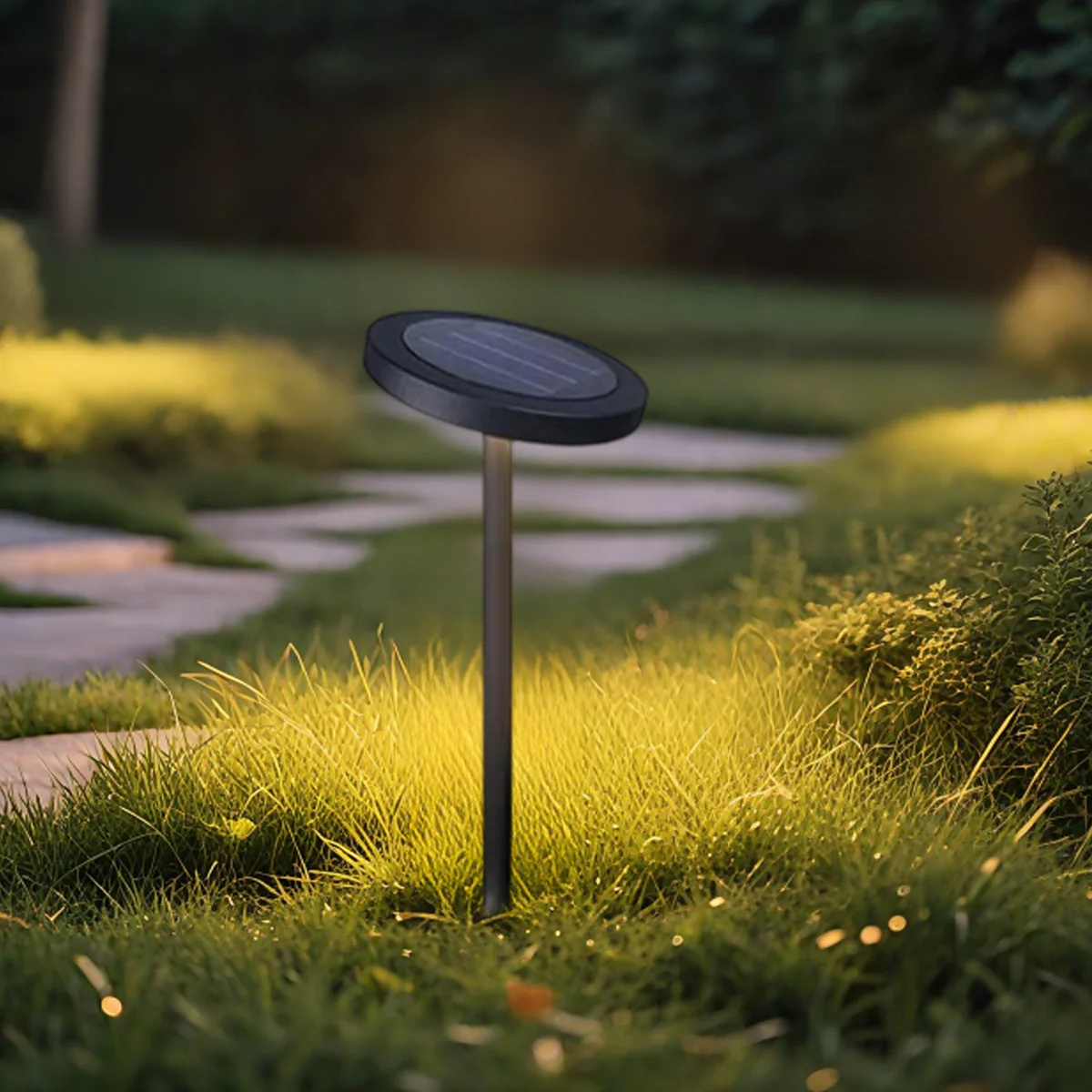
¿Buscas las mejores lámparas solares para exteriores en 2025? Aquí tienes algunas excelentes opciones: AloftSun Motion Sensor Solar Landscape Spotlights, Linkind SP6 Smart Solar Lights Outdoor, URAGO SuperBright Pathway Lights, BioLite Luci Charge 360, WdtPro Solar Motion Lights Outdoor y Bright Solar Pathway Lights Outdoor. Cada lámpara es especial por su brillo, funciones inteligentes o resistencia. Puedes encontrar una para tu patio, jardín o sendero. Elige la lámpara que mejor se adapte a tu espacio y necesidades de iluminación.
Puntos clave
Las lámparas solares de exterior te ayudan a ahorrar dinero. Utilizan la luz solar, no electricidad. Esto reduce tus facturas de servicios públicos.
Estas lámparas son fáciles de cuidar. Duran más que las luces normales. También necesitan menos reparaciones.
Algunas lámparas tienen características geniales. Los sensores de movimiento y el encendido/apagado automático hacen que consuman menos energía. También son más fáciles de usar.
Elige el brillo adecuado para tu área. Usa al menos 200 lúmenes para senderos. Usa de 500 a 1.000 lúmenes para espacios más grandes.
Es fácil instalar estas lámparas. Colócalas en lugares soleados. Obtendrás luz brillante y ecológica. No necesitas cables.
Por qué elegir lámparas solares para exteriores
Ventajas sobre la iluminación tradicional
Te preguntarás por qué tanta gente está cambiando a las lámparas solares de exterior. La respuesta es simple: te ahorran dinero y ayudan al planeta. Cuando usas luces solares, no pagas por la electricidad. Estas lámparas usan energía del sol, así que evitas las facturas mensuales de servicios públicos. También gastas menos en reparaciones porque las lámparas solares duran más y necesitan menos mantenimiento.
Aquí tienes un vistazo rápido a los principales beneficios económicos:
Ventaja económica |
Descripción |
|---|---|
Sin costos de electricidad |
Las lámparas solares funcionan de forma autónoma, por lo que no obtienes cargos adicionales en tu factura. |
Bajos costos de mantenimiento |
Materiales resistentes y bombillas LED significan menos reparaciones y reemplazos. |
Ahorro a largo plazo |
Ahorras más dinero con el tiempo, incluso si el costo inicial es más alto. |
También ayudas al medio ambiente cuando eliges lámparas solares para exteriores. Estas luces utilizan energía renovable, lo que significa que reduces tu huella de carbono. Mucha gente ahora se preocupa más por la sostenibilidad, por lo que la iluminación solar es una opción inteligente.
Te encantará lo fácil que es instalar estas lámparas. No necesitas cables ni llamar a un electricista. Simplemente colócalas donde les dé el sol y listo. Esto las hace perfectas para jardines, senderos o incluso lugares remotos.
Consejo: Las lámparas solares de exterior vienen en muchos estilos y colores. Puedes combinarlas con tu jardín o casa para un aspecto fresco.
Innovaciones en 2025
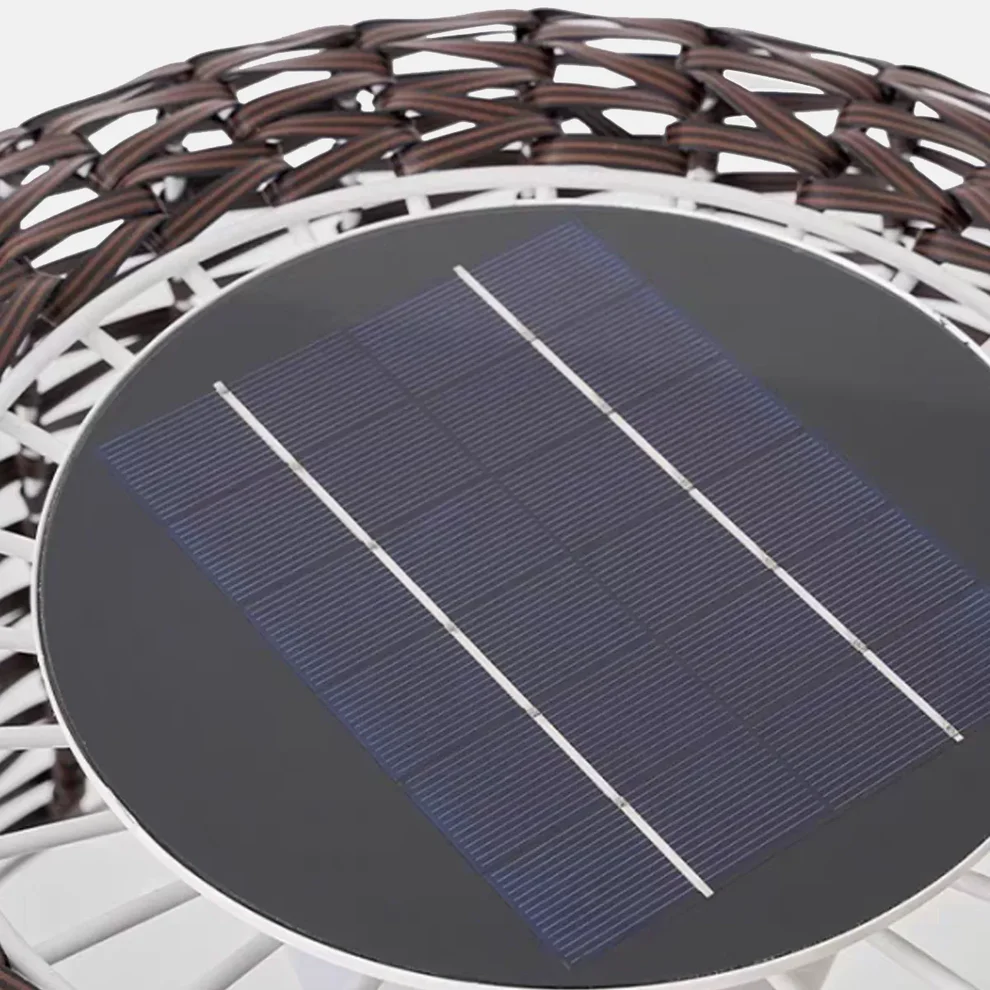
Las lámparas solares para exteriores en 2025 tienen algunas características nuevas e interesantes. Obtendrás mejores paneles solares que funcionan incluso en días nublados. Algunas lámparas utilizan paneles flexibles, por lo que puedes colocarlas en casi cualquier lugar. Los sensores de movimiento ayudan a ahorrar energía al encender la luz solo cuando alguien pasa. Los sensores automáticos de encendido/apagado aseguran que tus luces funcionen en el momento adecuado.
Aquí tienes una tabla con las últimas características:
Característica |
Descripción |
|---|---|
Paneles de eficiencia energética |
Generan más energía con menos luz solar. |
Paneles flexibles |
Fáciles de instalar y se adaptan a muchos lugares. |
Sensores de movimiento |
Se encienden solo cuando es necesario, ahorrando batería. |
Encendido/apagado automático |
Se encienden al anochecer y se apagan al amanecer, para que no tengas que recordarlo. |
Inteligencia artificial |
Ajusta la iluminación según el clima y la cantidad de energía que utilizas. |
La nueva tecnología de baterías también significa que tus luces permanecerán encendidas durante más tiempo, incluso después de días nublados. Algunas lámparas utilizan células solares especiales que funcionan bien con poca luz. Obtendrás una luz brillante y confiable con menos preocupaciones.
Revisión de las mejores opciones
Características
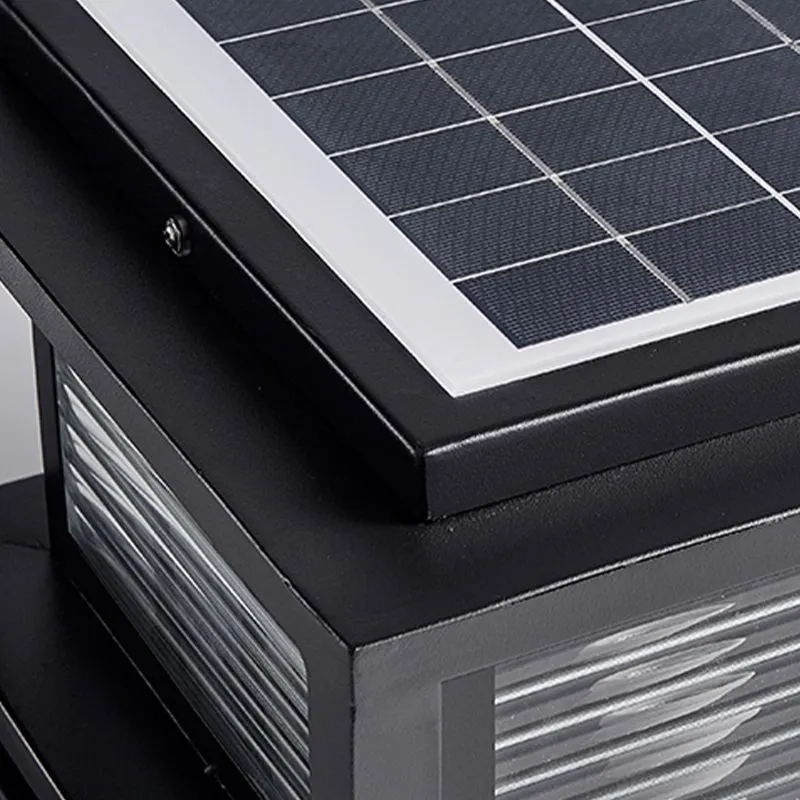
Veamos qué hace que cada una de estas lámparas solares de exterior destaque en 2025:
-
Focos solares de paisaje con sensor de movimiento AloftSun
Obtienes un foco brillante con un sensor de movimiento inteligente. Se enciende cuando alguien pasa, lo que ayuda a ahorrar energía. El cabezal ajustable te permite dirigir la luz donde más la necesites. El panel solar se carga durante el día, así que no tienes que preocuparte por cables o baterías.
-
Luces solares inteligentes para exteriores Linkind SP6
Estas luces ofrecen controles inteligentes. Puedes cambiar el brillo y configurar temporizadores con tu teléfono. El panel solar es eficiente, por lo que se carga incluso en días nublados. Las luces son impermeables y funcionan bien bajo la lluvia o la nieve.
-
Luces de camino superbrillantes URAGO
Estas luces de camino brillan intensamente y duran toda la noche. El diseño tiene un aspecto moderno y se adapta a cualquier jardín o pasarela. El panel solar se carga rápidamente y la batería mantiene las luces encendidas durante horas.
-
BioLite Luci Charge 360
Esta lámpara es portátil y ligera. Se puede usar como linterna o como foco. Se carga con energía solar o USB, lo que le da opciones. Su luz de 360 grados cubre una amplia zona, lo que la hace ideal para acampar o para emergencias.
-
Luces Solares con Sensor de Movimiento para Exteriores WdtPro
Estas luces ofrecen una fuerte detección de movimiento. Se encienden rápidamente cuando alguien se mueve cerca. Su diseño de gran angular cubre más espacio. La batería dura toda la noche, incluso después de días nublados.
-
Luces Solares Brillantes para Caminos de Exterior
Estas luces son fáciles de instalar. Solo hay que clavarlas en el suelo. El panel solar se carga rápidamente y las luces se encienden automáticamente al anochecer. Añaden un cálido resplandor a su patio o camino.
Aquí tiene una rápida comparación de la luminosidad, el alcance del sensor de movimiento y la duración de la batería de los modelos populares en esta categoría:
Nombre del producto |
Luminosidad (Lúmenes) |
Alcance del sensor de movimiento (metros) |
Duración de la batería (horas) |
|---|---|---|---|
Focos con sensor de movimiento AloftSun |
~800 |
8-10 |
8-12 |
Luces solares inteligentes Linkind SP6 |
~600 |
8 |
8-10 |
Luces para caminos SuperBright de URAGO |
~400 |
N/A |
8-10 |
BioLite Luci Charge 360 |
~300 |
N/A |
8-24 |
Luces solares con sensor de movimiento para exteriores WdtPro |
~1000 |
10 |
8-12 |
Luces solares brillantes para caminos de exterior |
~200 |
N/A |
8-10 |
Nota: Para obtener los mejores resultados, coloque sus lámparas solares de exterior donde reciban de 6 a 8 horas de luz solar directa al día. Evite los lugares sombreados o las zonas cercanas a otras luces brillantes.
Pros y Contras
Analicemos lo que le encantará y lo que podría no gustarle de cada lámpara:
-
Focos solares con sensor de movimiento AloftSun para paisajes
Pros: Luz brillante, fuerte sensor de movimiento, fácil de ajustar.
Contras: Necesita luz solar directa, puede ser demasiado brillante para espacios pequeños.
-
Luces solares inteligentes Linkind SP6 para exteriores
Pros: Controles inteligentes, resistentes a la intemperie, funcionan con poca luz.
Contras: La configuración de la aplicación puede ser complicada, no tan brillantes como otras.
-
Luces para caminos URAGO SuperBright
Pros: Elegantes, larga duración de la batería, fáciles de instalar.
Contras: No tan brillantes como los focos, mejor para caminos que para grandes áreas.
-
BioLite Luci Charge 360
Pros: Portátil, doble carga (solar y USB), luz de 360 grados.
Contras: Menor brillo, no fijada en un solo lugar.
-
Luces solares con sensor de movimiento para exteriores WdtPro
Pros: Amplia cobertura, detección de movimiento rápida, larga duración de la batería.
Contras: Necesita espacio abierto para un mejor efecto, puede detectar mascotas o coches.
-
Luces solares brillantes para caminos de exterior
Pros: Configuración sencilla, luz cálida, asequibles.
Contras: Menor brillo, no para iluminación de seguridad.
Casos de uso
Las lámparas solares de exterior se pueden utilizar de muchas maneras. Aquí tienes algunas ideas para cada producto:
-
Focos solares con sensor de movimiento AloftSun para paisajes
Ilumine su entrada o destaque árboles y elementos del jardín. El sensor de movimiento añade seguridad cerca de puertas o garajes.
-
Luces solares inteligentes Linkind SP6 para exteriores
Ideales para los amantes de la tecnología que desean controlar las luces desde su teléfono. Utilícelas en patios traseros, terrazas o en cualquier lugar donde desee una iluminación inteligente.
-
Luces para caminos URAGO SuperBright
Perfectas para delimitar pasillos, senderos de jardín o macizos de flores. Añaden estilo y le ayudan a ver por dónde va de noche.
-
BioLite Luci Charge 360
Llévela de camping, utilícela durante cortes de energía o para iluminar una mesa de picnic. Es fácil de transportar y funciona en cualquier lugar.
-
Luces solares con sensor de movimiento para exteriores WdtPro
Utilícelas para la seguridad de su hogar, garaje o cobertizo. La luz de gran angular cubre grandes áreas y ahuyenta a los visitantes no deseados.
-
Luces solares brillantes para caminos de exterior
Colóquelas a lo largo de aceras, entradas o alrededor de patios. Crean un brillo acogedor y cálido para los invitados.
Consejo: Para un rendimiento óptimo, instale sus lámparas solares de exterior donde los paneles solares miren al sur (si vive en el hemisferio norte). Manténgalas alejadas de la sombra y de otras luces.
No es necesario contratar a nadie para instalar estas lámparas. Simplemente elija un lugar soleado, clávelas en el suelo o móntelas en una pared. Disfrutará de una luz brillante y ecológica con casi ningún esfuerzo.
Guía del comprador de lámparas solares de exterior
Brillo y batería
Cuando elige lámparas solares para exteriores, desea el brillo y la duración de la batería adecuados para su espacio. El brillo se mide en lúmenes. Esto es lo que debe buscar:
Para caminos o jardines, elija lámparas con al menos 200 lúmenes.
Para áreas más grandes como entradas o patios, elija de 500 a 1,000 lúmenes.
Si desea opciones extra brillantes, algunos modelos alcanzan más de 1,500 lúmenes.
Una batería potente mantiene las luces encendidas por más tiempo, incluso después de días nublados. Las baterías de iones de litio duran más y funcionan mejor que los tipos más antiguos. Verifique el tiempo de funcionamiento de la batería antes de comprar. Aquí hay un breve vistazo a algunos modelos populares:
Producto |
Lúmenes |
Duración de la batería |
|---|---|---|
Foco solar LEPOWER |
N/A |
|
Foco solar Otdair |
500 |
Hasta 30 horas |
Foco solar de seguridad TBI |
2,200 |
N/A |
Farola Cyberdax |
5,000 |
Más de 10 horas |
Durabilidad e impermeabilidad
Necesita que sus luces resistan la lluvia, la nieve y el sol. Busque estas características:
Característica |
Descripción |
|---|---|
Impermeable |
Evita la entrada de agua, por lo que su lámpara funciona bajo la lluvia. |
Muestra qué tan bien la lámpara resiste el agua y el polvo. IP65 o superior es lo mejor. |
|
Durabilidad |
Los materiales resistentes ayudan a que su lámpara dure más en todas las condiciones climáticas. |
Elija lámparas fabricadas con materiales resistentes a la corrosión.
La resistencia a la intemperie ayuda a que sus luces sobrevivan a tormentas y al calor.
Estilo y diseño
Las lámparas solares de exterior vienen en muchos estilos. Puede combinarlas con su patio o jardín:
Las luces solares para caminos añaden seguridad y estilo a los pasillos.
Los focos solares resaltan árboles o elementos del jardín.
Las luces solares de pared decoran vallas o paredes.
Las luces solares de cadena crean un ambiente divertido para las fiestas.
Elija un estilo que se adapte a su espacio exterior y le haga feliz cada vez que lo vea.
Consejos de instalación
La mayoría de las lámparas solares de exterior son fáciles de instalar, pero podría enfrentarse a algunos desafíos. Aquí tiene una tabla con problemas comunes y soluciones:
Desafío |
Causas |
Soluciones |
|---|---|---|
Entrada de agua de lluvia |
Sellos o grietas defectuosas |
Revisar y reemplazar sellos o juntas |
Daños por clima extremo |
Sol fuerte, viento o nieve |
Usar cubiertas o sellador adicional |
Parpadeo o luz débil |
Cables sueltos o malas conexiones |
Ajustar cables y verificar conexiones |
El sensor de movimiento no funciona |
Sensor bloqueado o desalineado |
Ajustar el sensor y eliminar cualquier obstáculo |
La función de anochecer a amanecer no funciona |
Sensor defectuoso o batería baja |
Probar el sensor y asegurarse de que la batería se cargue |
Consejo: Coloque sus lámparas donde reciban la mayor cantidad de sol. Limpie los paneles solares con frecuencia para obtener el mejor rendimiento.
Instalación y mantenimiento
Guía de configuración
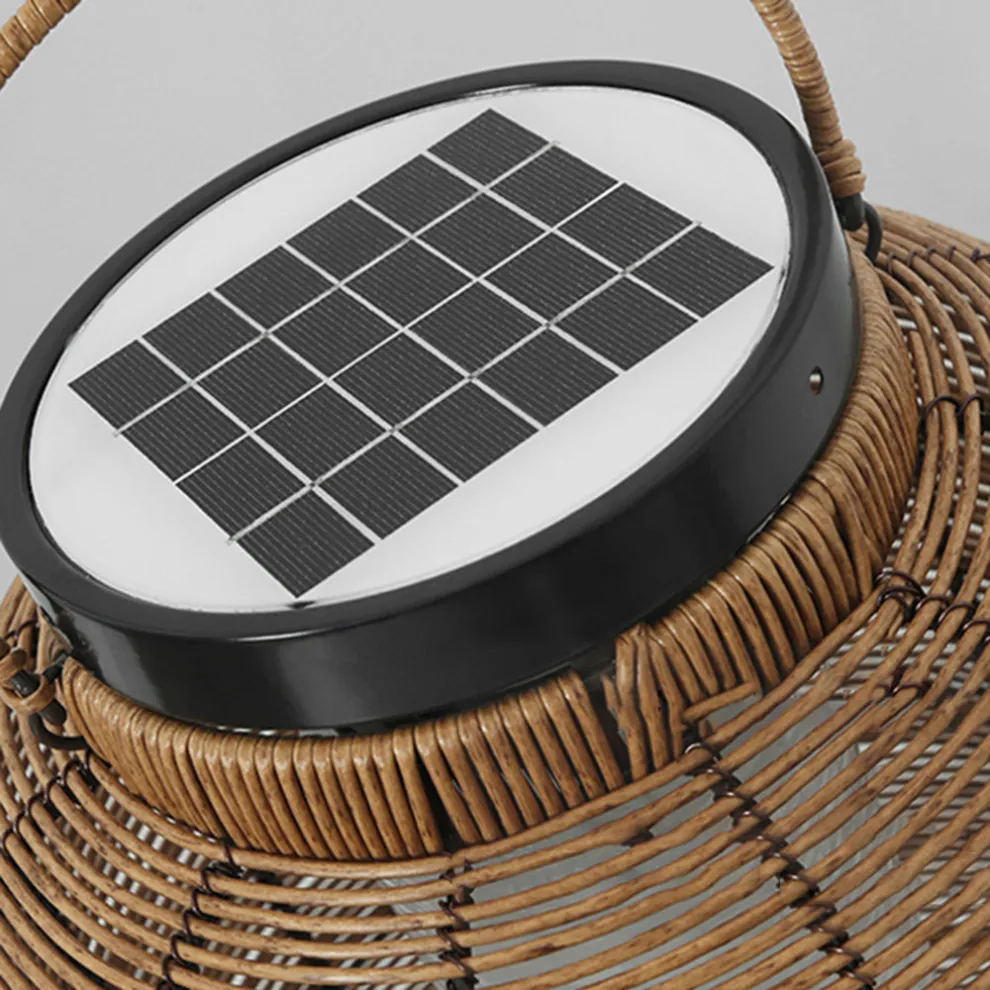
Puede instalar lámparas solares de exterior sin mucha dificultad. La mayoría de las personas terminan el trabajo en menos de una hora. Antes de empezar, reúna sus herramientas y accesorios. Esto es lo que podría necesitar:
Luces solares (elija su estilo favorito)
Pala o paleta
Guantes de jardinería
Cinta métrica
Estaca o banderas de marcaje
Martillo (para luces con estaca)
Tijeras de jardín (opcional)
Nivel (opcional)
Carretilla (opcional)
Primero, elija un lugar soleado. Use su cinta métrica y banderas de marcaje para planificar dónde irá cada lámpara. Cave un pequeño agujero con su pala o paleta. Coloque la estaca en el suelo y use un martillo si es necesario. Asegúrese de que la lámpara quede recta usando un nivel. Clave la lámpara en el suelo y fíjela. ¡Eso es todo! Podrá disfrutar de sus nuevas luces de inmediato.
Consejos de mantenimiento
Mantener sus lámparas solares en óptimas condiciones es fácil. Un cuidado regular las ayuda a brillar intensamente cada noche. Pruebe estos sencillos pasos:
Limpie los paneles solares y las cubiertas con agua jabonosa y un paño suave.
Revise si hay cables dañados o conexiones sueltas.
Inspeccione la lámpara en busca de daños o desgaste por el clima.
Mantenga el área alrededor de cada lámpara libre de hojas o suciedad.
Mueva las lámparas si no reciben suficiente luz solar.
Debe limpiar los paneles solares al menos una vez al mes, especialmente si vive en un lugar polvoriento. Revise las baterías en busca de corrosión y cámbielas cada uno o dos años. Guarde las baterías de repuesto en un lugar fresco y seco.
Consejo: ¡Un panel solar limpio significa una luz más brillante por la noche!
Solución de problemas
A veces, las lámparas solares dejan de funcionar como deberían. No se preocupe, puede solucionar la mayoría de los problemas usted mismo. Aquí tiene problemas comunes y cómo resolverlos:
Cableado dañado: Busque cables rotos y reemplácelos.
Paneles solares sucios: Limpie los paneles para que absorban la luz solar.
Baterías defectuosas: Cambie las baterías viejas por otras recargables nuevas.
No hay suficiente luz solar: Mueva las lámparas a un lugar más soleado.
Sensores de movimiento bloqueados: Retire cualquier cosa que cubra el sensor.
Si su lámpara sigue sin encenderse, pruebe estos pasos:
Reemplace las baterías.
Inspeccione la lámpara y cámbiela si es necesario.
Asegúrese de que el fusible no esté fundido.
Con estos consejos, sus lámparas solares de exterior mantendrán su jardín brillante y seguro durante todo el año.
Tiene muchas opciones excelentes de lámparas solares para exteriores este año. Cada lámpara aporta algo especial, ya sea que desee una iluminación de seguridad brillante o una acogedora iluminación para caminos. Los expertos dicen que debe observar su patio y pensar en la seguridad y en cómo utiliza cada espacio. Por ejemplo, las luces para caminos ayudan a los invitados a evitar tropiezos, mientras que las luces de pared protegen los límites de su hogar. Cuando elige la energía solar, ayuda al planeta y ahorra dinero. Eche un vistazo a estos beneficios:
Beneficio |
Lo que obtiene |
|---|---|
Menor consumo de energía |
Reduzca su factura de electricidad hasta en un 75% |
Menos mantenimiento |
Dedique menos tiempo y dinero a reparar sus luces |
Aire más limpio |
No hay contaminación por energía solar |
Agua más segura |
No hay riesgo de contaminación del agua |
Elija la lámpara que se adapte a sus necesidades y disfrute de un jardín más brillante y ecológico.
Preguntas frecuentes
¿Cuánto duran las lámparas solares de exterior?
La mayoría de las lámparas solares de exterior funcionan durante tres a cinco años. Puede hacer que duren más si limpia los paneles y reemplaza las baterías cuando sea necesario.
¿Pueden funcionar las lámparas solares en días nublados?
Sí, las lámparas solares aún pueden cargarse en días nublados. Puede que note una luz más tenue, pero los nuevos paneles recogen energía incluso cuando el sol se esconde tras las nubes.
¿Necesito encender y apagar las lámparas solares?
No, no es necesario. La mayoría de las lámparas solares tienen sensores automáticos. Se encienden al anochecer y se apagan al amanecer, por lo que nunca tendrá que recordarlo.
¿Qué debo hacer si mi lámpara deja de funcionar?
Intenta estos pasos:
Revisa la batería.
Mueve la lámpara a un lugar más soleado. Si aún no funciona, es posible que necesites una batería nueva.
Share:
Las 10 mejores lámparas exteriores impermeables para tu hogar
Las 10 mejores lámparas de pared para exteriores para hogares modernos en 2025