
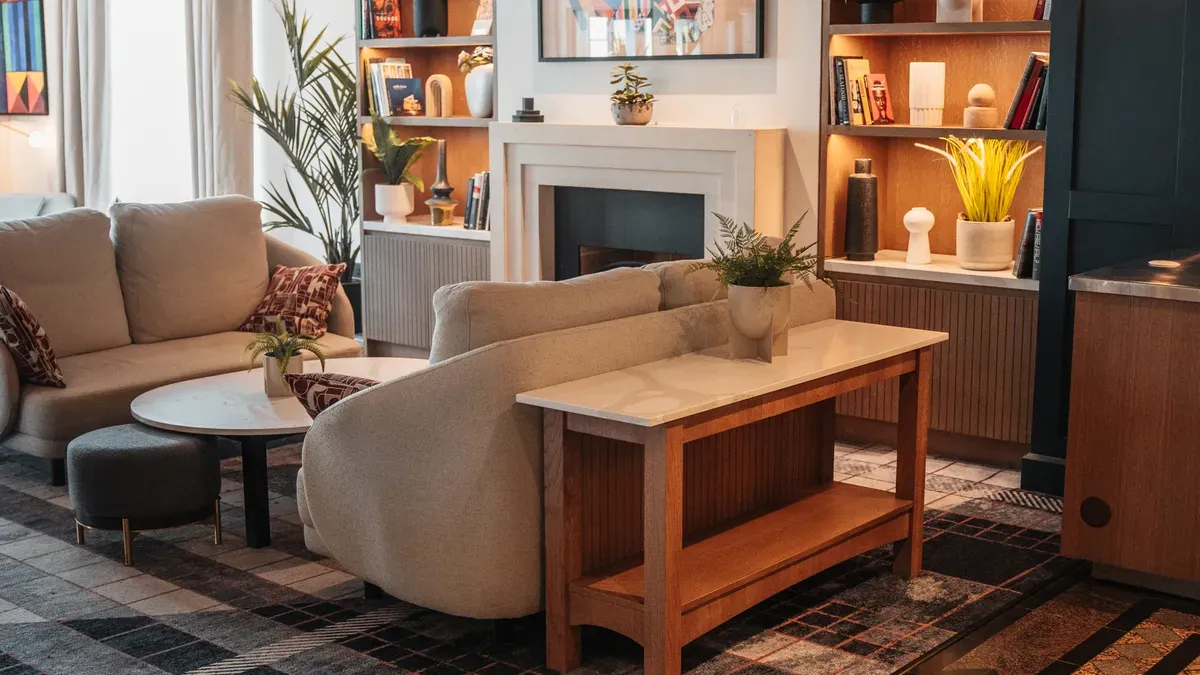
You can make your space brighter with just a few simple tricks. Try swapping out old bulbs for LEDs—they last longer and can save you about $225 a year on energy bills. Lighting for living room setups often takes up 15% of your home’s electricity, so even small changes matter. Place a new lamp in a dark corner or change a lampshade for a fresh look. You don’t need a big budget or a pro to see real results.
Key Takeaways
Change to LED bulbs to use less energy and save money. They last longer and can lower your energy bills by about $225 each year.
Mix different lights like ambient, task, and accent lights. This makes your living room feel warm and welcoming.
Find dark spots in your room and add task lighting to make them brighter. This makes it easier to see and feel comfortable.
Get more natural light by moving furniture away from windows. Use light-colored furniture and thin curtains to make the room brighter.
Add fun lights like string lights or cool fixtures to show your style and make your living room look nice.
Assess Your Living Room Lighting
Quick Lighting Check
Let’s start with a quick check of your living room lighting. Stand in the center of your living room during the day and again at night. Look around. Do you see any spots that feel too dark or too bright? Ask yourself these questions:
Can you read a book comfortably in your favorite chair?
Does your TV area have enough light without glare?
Are there shadows in corners or behind furniture?
Tip: Try turning on all your lights at once. Notice if the room feels balanced or if some areas still look gloomy.
Now, think about your furniture. Big sofas or tall shelves can block light. Move them a little to see if more light reaches the rest of the room. Wall colors matter, too. Dark walls soak up light, while lighter shades bounce it around. If you want your living room lighting to feel brighter, try adding a mirror or using lighter paint.
Spotting Dark Areas
Next, focus on those tricky dark spots. Walk around your living room and look for places where the light doesn’t reach. Corners, behind the couch, or near bookshelves often need extra help. This is where task lighting comes in handy. Task lighting isn’t just for reading or working. You can use task lighting to highlight art, brighten a reading nook, or make a cozy spot for hobbies.
Here’s a simple table to help you spot where you might need more task lighting:
Area |
Signs You Need Task Lighting |
Easy Fixes |
|---|---|---|
Reading corners |
Hard to see text, eye strain |
|
Workspaces |
Shadows on desk, dim light |
Use a desk lamp |
Art displays |
Artwork looks dull |
Install picture lights |
Seating areas |
Faces in shadow, uneven lighting |
Place table lamps nearby |
Don’t forget, task lighting can make your living room lighting feel layered and comfortable. Try adding task lighting in more than one spot. You’ll notice a big difference right away.
Layered Lighting for Living Room
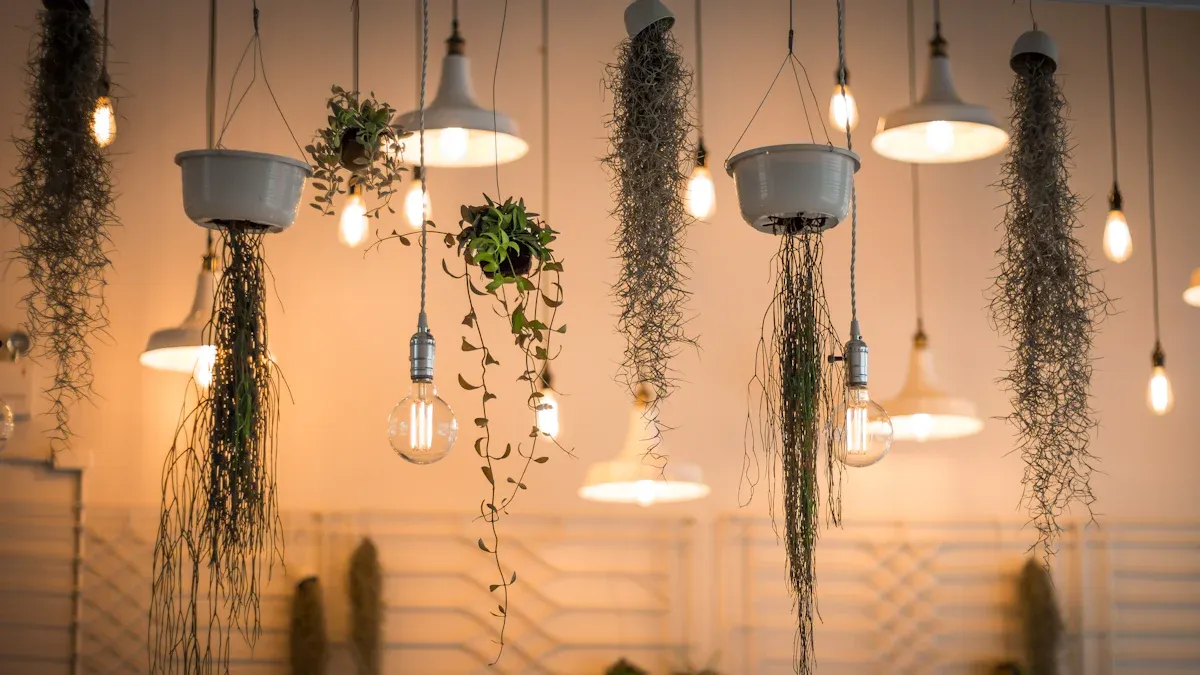
You can make your living room lighting feel cozy, bright, and stylish with one simple trick: use more than one kind of light. Designers call this layered lighting. It means you combine ambient lighting, task lighting, and accent lighting. Each type has a job, and together, they make your space look and feel just right.
Ambient Lighting Basics
Ambient lighting is the main light in your living room. It fills the whole space and helps you see everything clearly. You usually get ambient lighting from ceiling fixtures, pendant lights, or recessed lights. Some people use wall lights or even a big chandelier. When you turn on ambient lighting, you set the mood for the whole room.
Here are some ways to add or improve ambient lighting:
Use ceiling lamps or pendant lights for even brightness.
Try wall lights if you want a softer glow.
Add cove lighting or LED strips along the ceiling for a modern touch. This indirect light bounces off the ceiling and makes the room feel bigger and more comfortable.
Pick high-CRI LEDs with dim-to-warm features. You can make the light bright for daytime or soft and warm for evenings.
Tip: Avoid using lights that are too bright. Too much ambient lighting can make your living room feel harsh and unwelcoming. Try dimmers so you can control the brightness.
Task Lighting Tips
Task lighting helps you do things like read, work, or play games. It shines light right where you need it. You can use table lamps, floor lamps, or desk lamps for task lighting. Place a lamp next to your favorite chair or near your work table. This makes reading or working much easier.
Think about these ideas for better task lighting:
Put a floor lamp with a tall, slim shape next to your sofa. This adds a vertical line that draws your eyes up and makes the room feel taller.
Use a desk lamp on your side table for puzzles or crafts.
Try adjustable lamps so you can point the light exactly where you want it.
Task lighting also helps you avoid shadows in corners or behind furniture. If you notice dark spots, add a lamp or move your current lights. Your living room lighting will feel more balanced and comfortable.
Accent Lighting Ideas
Accent lighting adds style and drama to your living room. It highlights special things like artwork, plants, or cool shelves. Accent lighting makes your space look interesting and unique.
Here are some easy ways to use accent lighting:
Install picture lights above your favorite painting.
Use adjustable spotlights or gimbal can lights to shine on a sculpture or a pretty wall.
Place LED strips under shelves for a soft, glowing effect.
Accent lighting helps you create a focal point. It draws attention to the things you love most in your living room. You can also use accent lighting to mark different zones, like a reading nook or a display area.
Note: Don’t pick a light fixture that is too big for your space. It can make your living room feel crowded. Also, make sure your lights match your room’s style for a nice, put-together look.
When you mix ambient lighting, task lighting, and accent lighting, you get a living room that feels just right. You can relax, work, or have friends over, and your space will always look its best.
Choosing Bulbs for Living Room Lighting
Brightness and Color Temperature
Picking the right bulb can change the whole feel of your living room lighting. You want enough light to see clearly, but not so much that it feels harsh. Start by thinking about what you do most in your living room. Do you read, watch TV, or just relax? Each activity needs a different amount of light.
A good rule is to aim for about 100 to 200 lumens per square meter. This gives you enough brightness for most living rooms. For color temperature, look for bulbs between 2700K and 3000K. These numbers mean the light will look warm and cozy, not too yellow or too blue. Warm light helps your living room lighting feel inviting and comfortable.
Here’s a quick table to help you choose the best bulb for your space:
Factor |
Description |
|---|---|
Purpose |
Decide if you want the bulb for reading, relaxing, or decoration. |
Room Size |
Pick a bulb that matches the size of your living room. |
Lighting Requirements |
Think about how bright you want the space to be. |
Interior Style |
Choose a bulb that fits your room’s look and feel. |
Placement |
Make sure the bulb works well in its spot, like a lamp or ceiling fixture. |
Tip: Try using dimmers. You can adjust the light level for movie nights or parties. Dimmers also help save energy.
Energy-Saving Options
You can save money and help the planet by picking energy-saving bulbs. LED bulbs use less power and last much longer than old-fashioned bulbs. They work great for living room lighting because they come in many shapes and sizes.
Here are some easy ways to make your lighting more efficient:
Switch to LED bulbs for every lamp and fixture.
Use smart bulbs to control brightness and color with your phone.
Install dimmer switches to lower the light when you don’t need it so bright.
LEDs use less electricity, so you’ll see lower bills. They also stay cool, which keeps your living room comfortable. When you choose the right bulbs, your living room lighting will look great and work better for you.
Maximize Natural Light
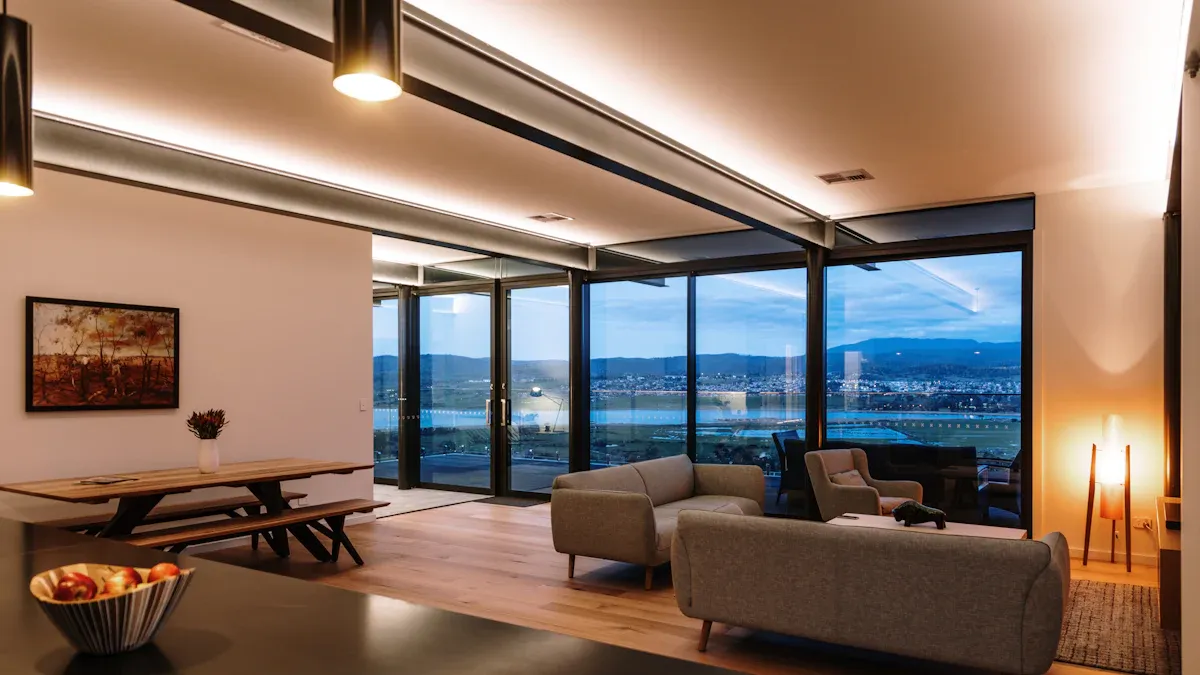
Furniture and Window Choices
You can make your living room feel brighter just by moving things around. Start by looking at your furniture. Heavy or dark pieces can block sunlight and make your space feel smaller. Try these simple tricks:
Use light and neutral colors like white, cream, or pale gray for your sofa or chairs. These shades reflect sunlight and help your living room lighting feel open and airy.
Pick furniture with legs or lifted bases. Raised pieces let light flow underneath, making the room look less crowded.
Arrange your seating so it does not block windows. Keep walkways between large furniture pieces at least 30 to 36 inches wide. This helps sunlight travel across the room.
Choose sheer or light-filtering curtains. These let in more daylight while still giving you privacy.
Here’s a quick guide for arranging your space:
Rule Description |
Measurement/Guideline |
|---|---|
Walkways between large furniture pieces |
30 to 36 inches |
Seating group spacing for conversation |
3.5 to 10 feet apart |
Distance between sofa and coffee table |
16 to 18 inches |
Tip: Even one light-colored sofa or cabinet can make a big difference in your living room lighting.
Reflective Surfaces
Mirrors and shiny surfaces can double the sunlight in your living room. Place a mirror across from a window to bounce light around the space. You can also use mirrored trays, glass tables, or metallic decor for extra sparkle.
Hang an oversized mirror to create a bright focal point.
Try smaller accent mirrors on shelves or walls for extra depth.
Use mirrors with textured or frosted finishes if you want them to double as art.
In sunny rooms, mirrors help spread natural light, making your living room lighting feel even and cheerful.
Note: Mirrors do more than reflect light. They add style and make your space look bigger and more interesting.
With these easy changes, you can boost natural light and make your living room lighting shine all day.
Best Living Room Lighting Ideas: Fixtures & Accessories
Floor and Table Lamps
You can change the look and feel of your living room lighting with just one lamp. Floor and table lamps give you focused light for reading, studying, or relaxing. They also help you fill dark corners and make your space more comfortable. Tall floor lamps create vertical lines that lift your room visually. Table lamps add soft light and highlight your favorite art or decor.
Many lamps do more than just light up a room. They act as decorative statements and can accentuate art or consoles. You might want a lamp with a minimalist design or a natural wood finish. Compact lamp lights work well in smaller spaces. Multi-purpose lamps combine style and function, so you get both beauty and practicality.
Here’s a quick look at popular lamp trends:
Trend |
Description |
|---|---|
Minimalist Lamp Designs |
Simple forms remain highly popular. |
Natural Material Finishes |
Wood and textured surfaces continue to attract homeowners. |
Multi-Purpose Lamps |
Lighting that combines practicality and design. |
Compact Lamp Lights |
Smaller designs for apartments and compact homes. |
Contemporary Shapes |
Modern silhouettes gain popularity. |
Tip: Place a tall lamp next to your sofa or chair. You’ll notice your living room lighting feels brighter and more inviting.
Dimmers and Smart Bulbs
Dimmers and smart bulbs let you control your living room lighting with ease. You can adjust the brightness for movie nights, parties, or quiet evenings. Dimmers help you save energy and extend the life of your bulbs. Smart bulbs allow you to change color and brightness with your phone or voice.
You get more flexibility when you use dimmers and smart bulbs. You can set timers or use sensors to change the light automatically. Dimming bulbs lowers their wattage and output, which means lower energy bills. These upgrades cost less than you think and make your living room lighting more versatile.
Dimmers give you variable indoor lighting.
Smart bulbs let you pick the mood and color.
Both options help you create a comfortable and stylish space.
Note: Try combining ambient, task, and accent lighting with dimmers and smart bulbs. You’ll see your living room lighting become more functional and beautiful.
Decorative Lighting Ideas for Living Room
Decorative lighting ideas can help you show off your personality and make your living room feel special. You do not need to spend a lot or hire a designer. You can use simple tricks to add style and warmth.
String Lights and LEDs
String lights and LED strips bring a playful touch to your living room. You can drape string lights along a bookshelf or wrap them around a window frame. LED strips work well under shelves or behind your TV. These lighting ideas create a cozy glow and highlight your favorite spots. Try using warm white lights for a soft look. You can also pick colored LEDs if you want a fun vibe. Many LED strips come with remote controls, so you can change the mood with a click.
Tip: Place string lights in glass jars or lanterns for a creative centerpiece.
Statement Fixtures
Statement fixtures grab attention and become the star of your living room. You might choose a bold pendant light or a unique chandelier. One example is the Ankur Geom Tangled Contemporary LED Pendant Chandelier. This fixture uses tangled geometric frames and comes in gold or rose gold. It works best in rooms with high ceilings and casts beautiful light and shadow. Statement fixtures add drama and make your space feel modern.
Personal Touches
You can add your own flair with small decorative lights. Try using battery-powered lanterns, fairy lights, or even a neon sign. Pick lighting ideas that match your style. Stick to a cohesive color palette and repeat finishes for harmony. Here are some ways a consistent palette helps your living room:
It connects different elements and makes the room feel unified.
Repeated textures and finishes add balance.
You get a space that feels calm and inviting.
Decorative lighting ideas let you express yourself. Mix textures like glass, metal, or wood for extra interest. You can change your lights with the seasons or for special occasions. Your living room will always feel fresh and welcoming.
You can transform your space with just a few simple changes. Try one or two tricks for lighting for living room and see instant results. Move a lamp, swap a bulb, or add a mirror. Check your lighting for living room every few months to keep things fresh. Remember, small updates in lighting for living room can make a big impact. Want a cozy vibe or a bright spot for reading? You have the power to create it.
Tip: Snap a photo before and after you update your lighting for living room. You’ll love the difference!
FAQ
What is the best type of bulb for my living room?
You should pick LED bulbs. They last longer and use less energy. Choose warm white (2700K–3000K) for a cozy feel. LEDs also come in many shapes and sizes.
How can I make my small living room look brighter?
Try using mirrors and light-colored furniture. Place a tall lamp in a corner. Open your curtains during the day. These tricks help light bounce around and make your space feel bigger.
Do I need an electrician to add more lights?
You don’t need an electrician for most lamps or plug-in lights. You can move floor and table lamps yourself. If you want to install new ceiling fixtures, you should call a pro.
How do I avoid glare on my TV?
Move lamps away from the TV screen. Use soft, indirect lighting. Try dimmable bulbs. You can also angle your lights so they don’t shine directly on the screen.
Can I mix different lamp styles in one room?
Yes! Mixing lamp styles adds personality. Stick to a similar color palette or finish for harmony. You can use modern, vintage, or playful lamps together for a unique look.
Share:
Best Outdoor House Lights: Which Type is Right for You in 2026?
Replacing light switch safely, no sparks and no stress