
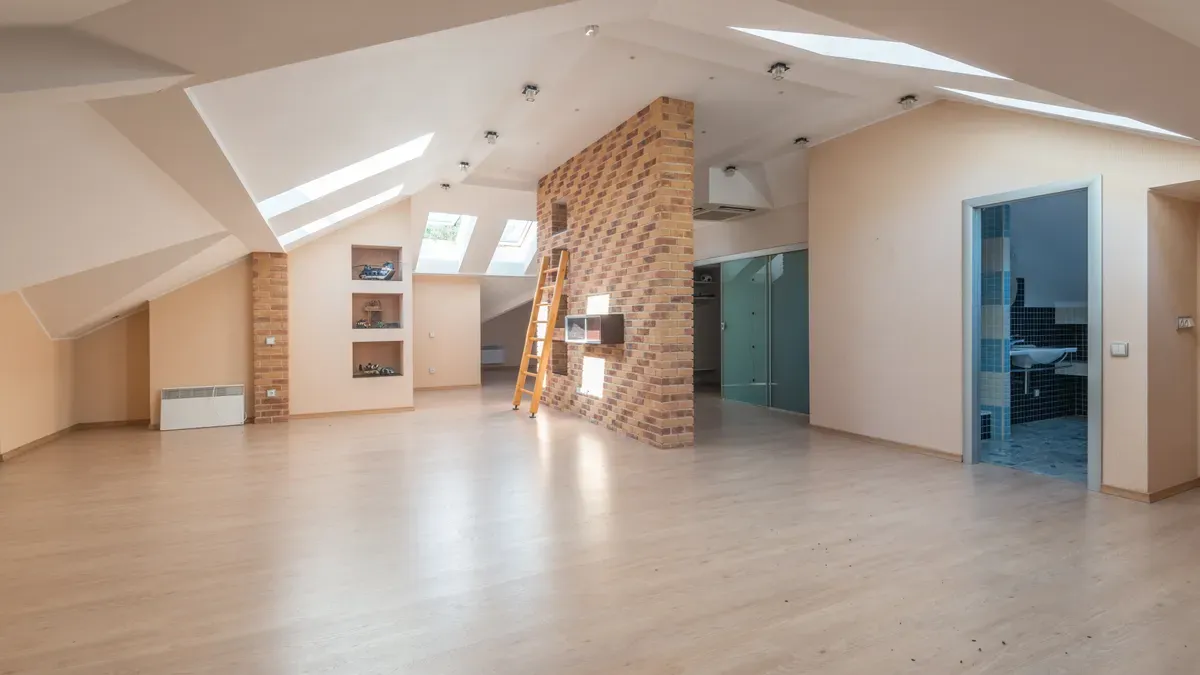
You want your inclined ceiling lighting to look beautiful and work well. You must choose adjustable fixtures, hang pendants at the right height, and use layered lighting for the best effect. Ceiling height and angle matter. You should pick fixtures that direct light where you need it. If you want a show-stopping chandelier or need lighting for sloped ceilings, avoid shadows and glare. Try different placements and think about how each layer of light changes your space.
Key Takeaways
Pick adjustable fixtures so you can point light where you want. This makes dark corners brighter and makes the room feel nicer. Hang pendant lights at different heights to make the room look interesting. Put them in groups of odd numbers for a modern style. Make sure they match the angle of the ceiling. Use layered lighting by mixing ambient, task, and accent lights. This mix makes your room work better and look good. Choose energy-saving LED lights because they last longer and save money. Smart controls let you change brightness and colour easily. Always try different places for your lights before you put them in for good. This helps you get the best lighting and stops shadows and glare.
Adjustable fixtures for sloped ceiling lighting
Benefits of adjustable fixtures
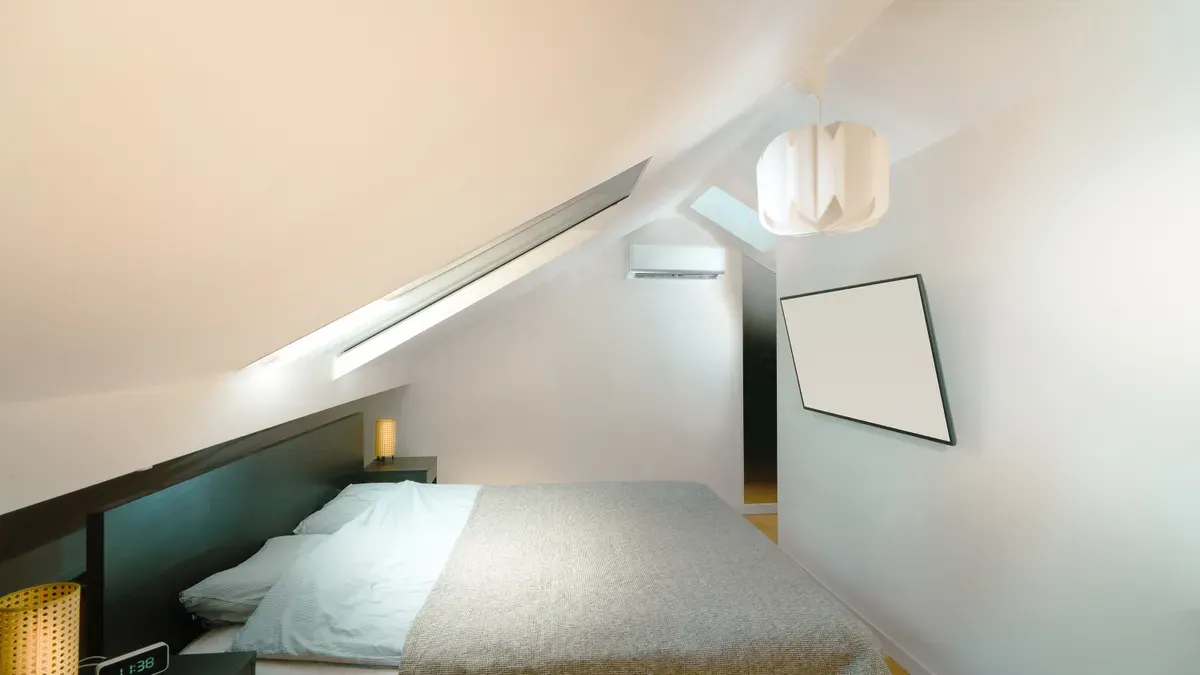
You face many challenges when you light an inclined ceiling. Adjustable fixtures help you solve these problems. You can point the light exactly where you need it. This works well for high ceilings and rooms with odd angles. Adjustable fixtures let you change the direction of light as your needs change. You avoid dark corners and make your space feel brighter. You also get more control over how your room looks and feels.
Track lighting and spotlights
Track lighting gives you great flexibility for inclined ceiling lighting. You can install track lighting along the slope or across the ceiling. Each light on the track moves and rotates. You can aim the lights at artwork, tables, or reading areas. Track lighting works well for downlights on sloped ceilings because you can adjust each head. You can also add or remove lights from the track. Spotlights work in a similar way. You can use spotlights to highlight features or create zones in your room. Track lighting suits high ceilings because it brings light closer to where you need it.
Tip: Use track lighting to create layers of light. You can mix general lighting with accent lighting for a balanced look.
Installation tips
You should always check the angle of your ceiling before you choose fixtures. Adjustable fixtures work best when you mount them so they can move freely. For downlights on sloped ceilings, pick models that tilt and swivel. This helps you avoid glare and direct light where you want it. Dimmable lights give you even more control. You can change the mood of your room with a simple adjustment. For high ceilings, use longer tracks or fixtures that drop down. This brings the light closer to your living space and makes the room feel more inviting.
Pendant placement for inclined ceiling lighting
Positioning pendants
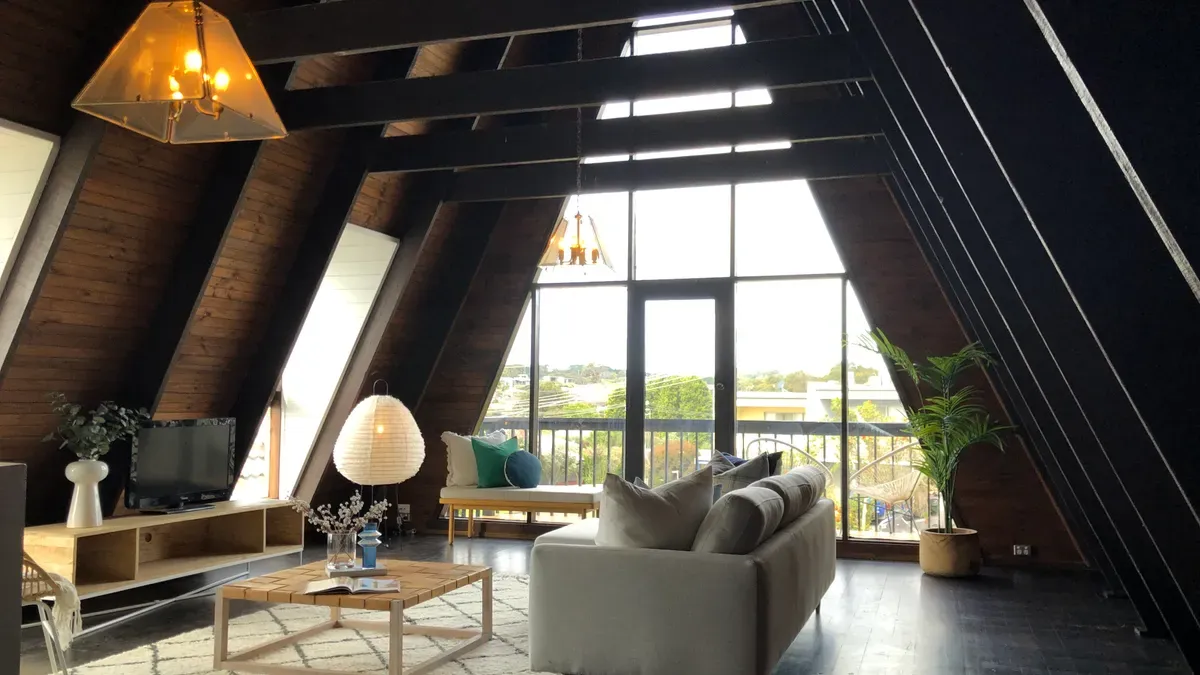
You can use pendant lights to create a strong visual effect on sloped ceilings. Hang pendant lights at different heights to add interest and balance. This trick works well in rooms with high ceilings. You can group pendant lights in odd numbers for a modern look. Place pendant lights so they follow the angle of your ceiling. This method helps you achieve both style and even light. If you want to highlight a dining table or kitchen island, centre the pendant lighting above the surface.
Tip: Use a measuring tape to check the distance between each pendant light. This step helps you keep the look neat and uniform.
Choosing length and style
You should pick pendant lighting that matches your room’s size and shape. For high ceilings, choose longer cords or adjustable rods. This choice brings the light closer to where you need it. Shorter pendants work better in smaller spaces. You can find pendant lights in many styles, such as glass, metal, or fabric shades. Pick a style that fits your décor. You can also mix shapes and colours for a playful effect. Always check that the pendant lights do not hang too low, especially in walkways.
Minimising glare and shadows
You want your pendant lighting to feel comfortable and bright. To avoid glare, use shades or diffusers on your pendant lights. These features soften the light and protect your eyes. Place pendant lights so they do not cast harsh shadows on work areas. You can use the Kelvin scale to pick the right bulb colour. Warm white bulbs (2700K–3000K) create a cosy mood. Cool white bulbs (3500K–4100K) work well for tasks. For sloped ceiling lighting, test the placement before final installation. Move the pendant lights around to see how the light falls in your space.
Integrated LED lighting and layered solutions
LED benefits for sloped ceilings
You can make your inclined ceiling lighting both stylish and practical with integrated LED options. These lights use less energy and last much longer than old bulbs. You will find that smart controls let you change the brightness or colour with just a tap on your phone. Integrated LED lighting works well for sloped ceiling lighting because it fits neatly into tight spaces. You can use motion-sensor strip lights in wardrobes or internal drawer lights to improve how you see your clothes. These lights help you avoid dark corners, especially in deep attic eaves. You also add a premium feel to your home and make each space more inviting.
Customisable options
You have many choices when you plan your lighting scheme. Flush mount or low-profile fixtures keep your ceiling lines clean and modern. These fixtures work well for rooms with low or angled ceilings. You can add wall sconces to spread light up and down the walls. Uplighting makes your room look bigger and draws the eye upward. You can use LED strips along beams or in alcoves for a soft glow. This approach lets you highlight special features and create a unique look for your sloped ceiling lighting.
Tip: Try smart bulbs or dimmers to change your lighting scheme for different times of day.
Layered lighting: ambient, task, accent
You need to think about layers of light for the best results. Start with ambient lighting to fill the room with a soft, even glow. Add task lighting where you read, cook, or work. Use accent lighting to show off art or interesting shapes in your ceiling. Mapping out these layers helps you get the right balance of function and style. You can mix ceiling lights, wall sconces, and LED strips to build a flexible lighting scheme. This method gives you control over how your room feels and works every day.
You now know three top tricks for lighting inclined ceilings: adjustable fixtures, smart pendant placement, and layered LED solutions. These methods help you avoid shadows and create a bright, stylish space. Use this checklist to guide your choices:
Check ceiling height and angle
Pick the right fixture type
Aim light where you need it
Layer your lighting
Modern, energy-saving lights make your home look better and cost less to run. Try different placements and controls to find what works best for you.
FAQ
How do you choose the best lighting for a sloped ceiling?
You should measure your ceiling height and angle. Pick adjustable fixtures or pendants. Use layered lighting for balance.
Tip: Test different placements before final installation.
Can you use recessed lights on an inclined ceiling?
Yes, you can use recessed lights. Choose models that tilt and swivel. Aim the light where you need it.
Avoid glare
Use dimmable bulbs
What bulb colour works best for sloped ceilings?
You should use warm white bulbs (2700K–3000K) for cosy spaces. Cool white bulbs (3500K–4100K) suit task areas.
Area |
Bulb Colour |
|---|---|
Living Room |
Warm White |
Kitchen |
Cool White |
How do you avoid shadows and dark spots?
You should layer your lighting. Combine ambient, task, and accent lights.
Note: Move fixtures around to check for shadows before fixing them.
Share:
What Makes Nelson Bubble Lamp Shine in History
Lighting Trends Shaping Modern Homen in 2026