

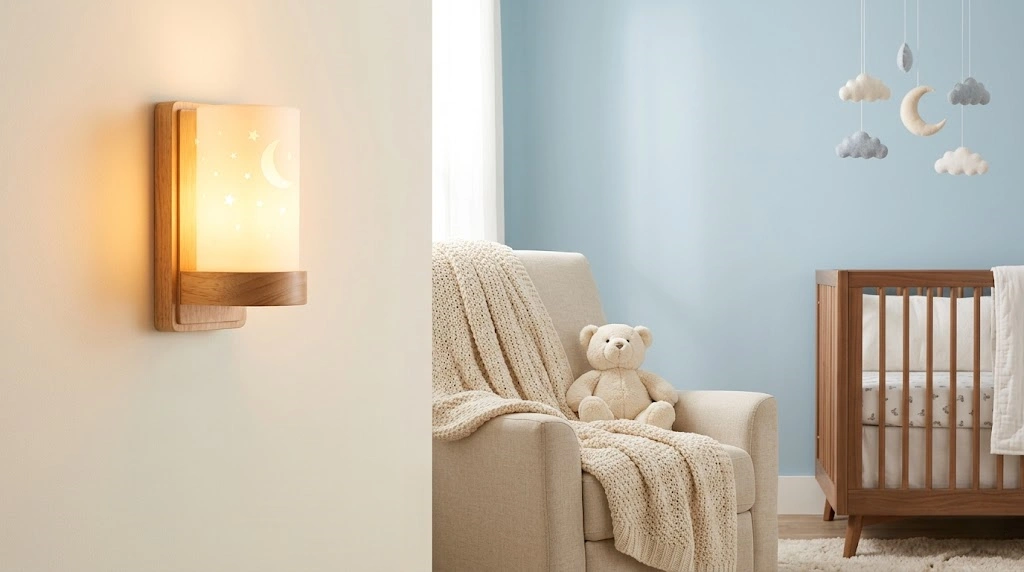
You want your nursery to feel safe, cozy, and welcoming. Choosing the right wall light for Baby room helps you set the right atmosphere for restful nights and peaceful naps. Studies show that gentle lighting in a baby's room, especially warm or soft light, supports healthy sleep by regulating melatonin and signaling bedtime. Soft nightlights can comfort your baby without disturbing their sleep. When you balance function and style, you create a space where your child can relax and grow.
Key Takeaways
Choose LED bulbs for safety. They stay cool and are energy-efficient, making them ideal for a nursery.
Mount wall lights at a height of 3–4 feet to keep them out of reach of children. This helps prevent accidents.
Use dimmable lights to create a calming atmosphere. Adjust brightness for different activities, supporting healthy sleep patterns.
Select a warm color temperature of around 3000K for a cozy environment. This helps your baby relax and sleep better.
Incorporate layered lighting with multiple sources. This approach enhances safety and allows flexibility for various needs.
Wall Light Safety for Baby Room
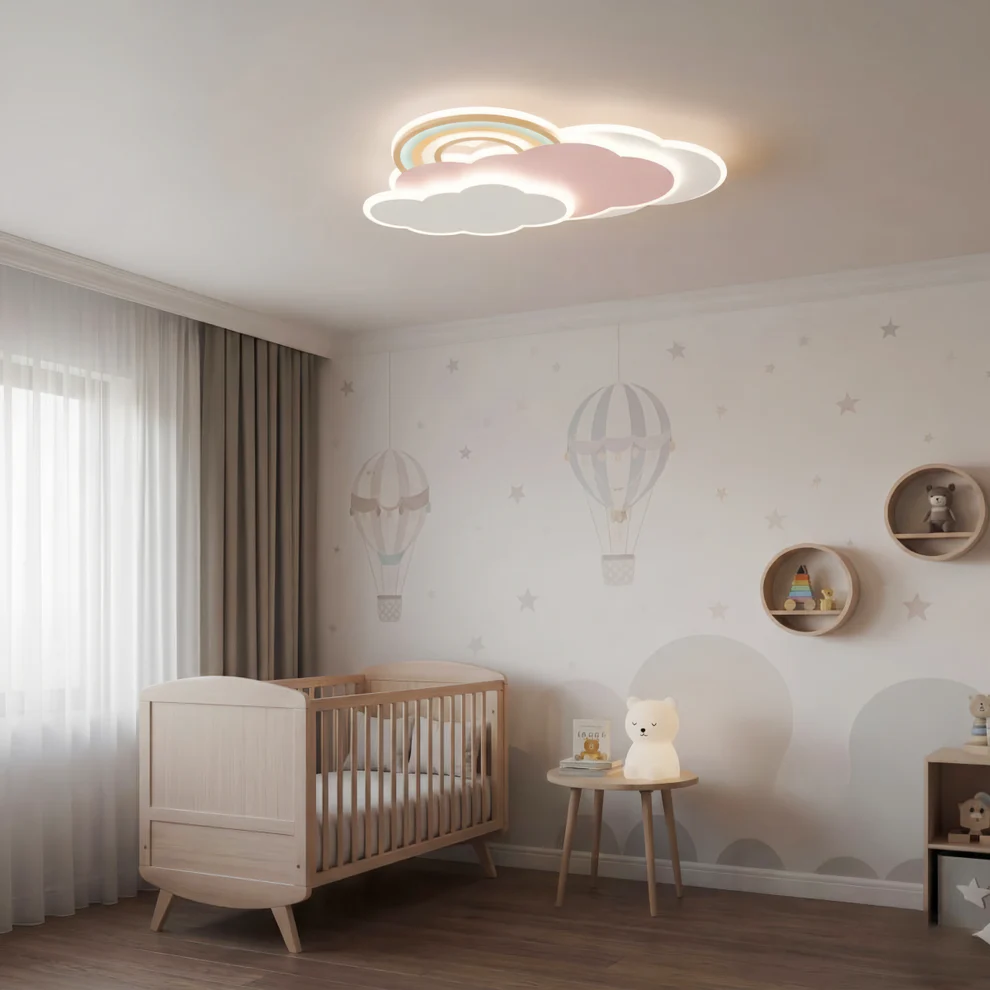
Bulb Safety
When you choose a wall light for your baby's room, safety should come first. Not all bulbs are safe for nurseries. Some bulbs, like halogen or incandescent, get very hot and can cause burns if touched. Compact fluorescent bulbs (CFLs) can also pose risks because they contain small amounts of mercury and can break easily.
LED bulbs are the safest choice for a nursery. They stay cool to the touch, even after hours of use. This means your baby will not get burned if they accidentally touch the light.
LED bulbs are also energy efficient, so you save on electricity while keeping your child safe.
Dimmable LED bulbs let you adjust the brightness for nighttime feedings or diaper changes.
Choose bulbs with a warm color temperature (around 3000K). Warm light helps your baby relax and fall asleep more easily.
Look for flicker-free LEDs with a high color rendering index (CRI 90+). These bulbs reduce eye strain and create a comfortable environment.
Tip: Always avoid exposed bulbs. Choose fixtures with covers or shades made from safe, shatter-resistant materials.
Placement
Proper placement of wall lights helps prevent accidents and keeps your nursery safe. You want to keep lights out of reach of curious hands but still accessible for you.
Mount wall sconces at a height of 3–4 feet above the floor. This keeps them out of reach for most young children.
Place light switches lower on the wall (about 7–12 inches from the floor) if you want your child to learn how to turn lights on and off safely as they grow. A small step stool can help older children reach switches without climbing on furniture.
Avoid placing wall lights near cribs, changing tables, or play areas. This reduces the risk of your baby grabbing or bumping into the fixture.
Conceal or secure all cords. Loose or hanging cords can cause choking or electric shock. Wall sconces and ceiling lights are better than table lamps for this reason.
Note: Accessibility builds your child's confidence, but safety always comes first. Keep lights high enough to prevent accidents.
Electrical Hazards
Electrical safety is essential in a baby's room. You need to protect your child from outlets, cords, and any exposed wiring. Here are some of the most effective childproofing methods:
Method |
Description |
|---|---|
Outlet Covers |
Use covers with sliding safety latches to block unused outlets. |
Cord Management |
Hide cords behind furniture or use cord covers to prevent tripping and access. |
Safety Outlets |
Install tamper-resistant outlets that stop foreign objects from being inserted. |
Furniture Arrangement |
Place furniture in front of outlets to limit access. |
Secure Loose Cords |
Fasten any loose cords from electronics to prevent tripping and access by children. |
Extension Cord Management |
Hide extension cords behind furniture or use a hide-a-cord device. |
You should also follow electrical safety standards:
Install all lighting fixtures according to the manufacturer's instructions and local codes.
Use fixtures rated for the nursery environment.
Make sure electrical boxes are securely fastened and covered.
Use tamper-resistant receptacles and switches in areas your child can reach.
If you have ceiling lights near areas with moisture, use GFCI protection.
Safety Reminder: Always check your nursery for exposed wires or damaged cords. Replace or repair them right away to keep your baby safe.
By focusing on safe bulbs, smart placement, and proper electrical precautions, you create a nursery that is both comforting and secure for your baby.
Lighting Features in a Baby's Room
Dimmable Options
You can create a flexible environment in your baby's room by choosing dimmable wall lights. A dimmer control gives you the ability to match the light to the moment: bright and clear for daytime play and tummy time; warm and moderate for story time and evening feedings; and barely a glow for late-night diaper changes or 3 a.m. soothing sessions. This kind of flexibility is not just convenient—it is actively beneficial for your baby’s developing sleep patterns.
Dimmable wall lights offer several benefits:
Consistent exposure to warm, dim light helps establish healthy sleep-wake cycles for infants.
Gradual dimming of lights as bedtime approaches serves as a physical cue for sleep.
Pediatric sleep experts recommend dimmable, warm-toned lighting for nurseries to support biological needs.
You can use dimmable lights to create a calm and soothing ambiance. Gradually dimming lights in the last hour before bedtime helps your baby's brain ramp up melatonin and wind down. Soft, ambient lighting rather than harsh, bright lights helps create a sense of relaxation and comfort for your baby. Using a dimmable night light allows you to adjust brightness to the optimal level for sleep.
Color Temperature
The color temperature of your nursery lighting plays a key role in your baby's comfort and sleep. You should choose lighting with a warm color temperature of around 3000K. This produces a softer, warmer light, which is more conducive to rest and relaxation.Bright, stimulating light can disrupt sleep and make it harder for your baby to settle down.
A warm color temperature helps your baby feel safe and cozy. You can use warm light to signal bedtime and support healthy sleep patterns. Warm light also reduces eye strain and creates a gentle atmosphere for nighttime routines. You should avoid cool or blue-toned lights in the nursery, as these can interfere with melatonin production and make it harder for your baby to fall asleep.
Layered Lighting
Layered lighting gives you versatility and control in your baby's room. You can combine different types of lighting to meet various needs and create a comfortable environment. A practical layered lighting approach suggests using three to four essential light sources (such as a main ceiling light, a wall sconce, and a safe nightlight) to maintain balance and avoid cluttered, hazardous cords in a nursery.
You can use three main types of lighting:
Ambient Lighting: Provides foundational illumination, making the room safe and inviting for both the baby and caregivers.
Task Lighting: Offers focused light for specific activities, enhancing functionality during tasks like reading or changing diapers.
Accent Lighting: Adds visual interest and comfort, creating a warm atmosphere that can soothe the baby.
Layered lighting allows you to adjust the mood and brightness in the nursery. You can use ambient lighting for general activities, task lighting for feeding or changing, and accent lighting to highlight decor or create a cozy corner. This approach helps you promote comfort and healthy sleep by avoiding harsh shadows and bright spots.
Layered lighting supports your baby's development by providing a safe, soothing, and adaptable environment. You can easily transition from playtime to bedtime, making your nursery a space where your baby feels secure and relaxed.
Design and Comfort for Baby
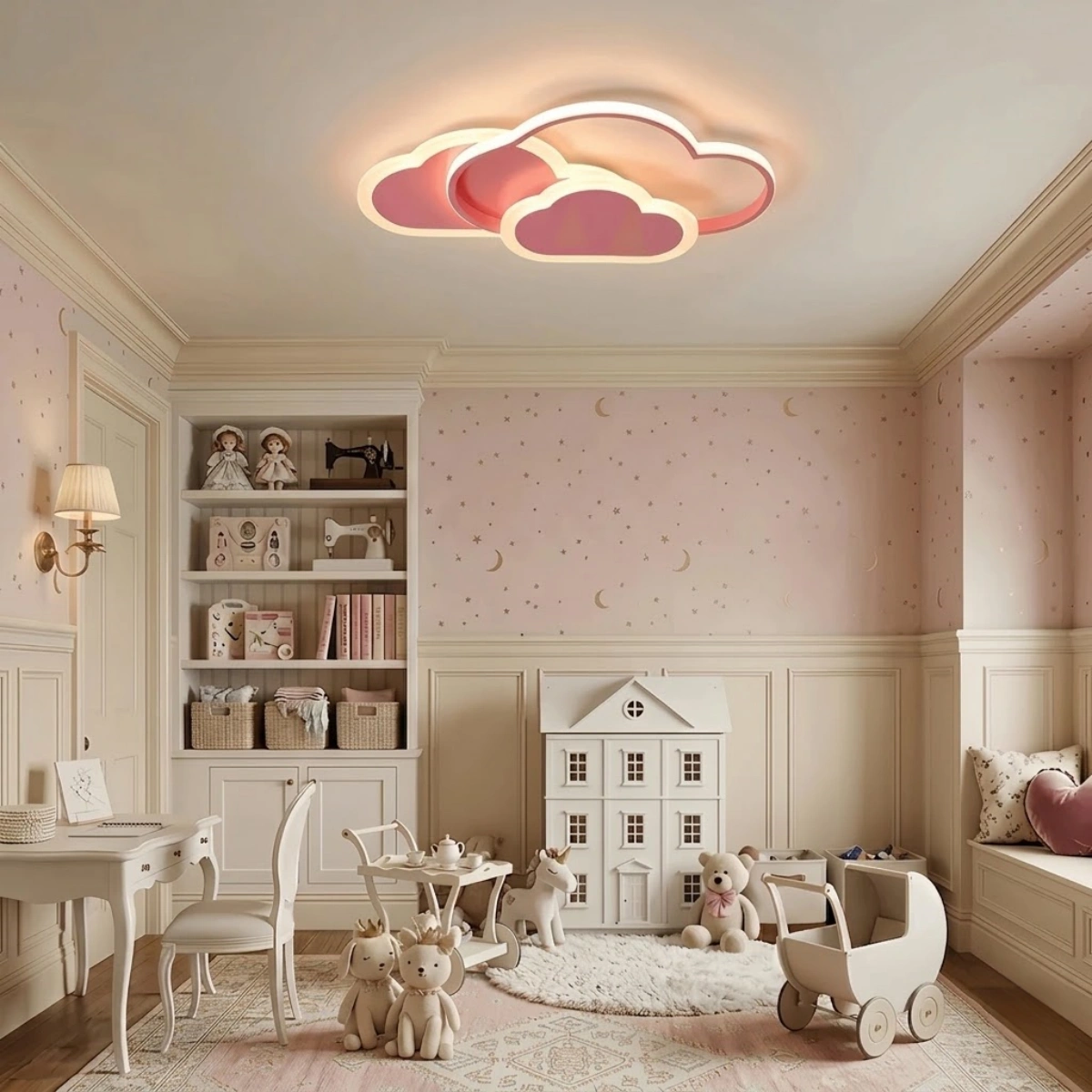
Matching Decor
You want your nursery to reflect your style while supporting your baby's comfort. Wall lights play a key role in tying the room together. Many parents choose fixtures with shaded or diffused light to create a softer ambiance. Wall sconces stand out as a versatile option. You can use them in a nursery and later transition them to a child's room. Look for shades that adapt to changing aesthetics as your child grows. Unique designs help your nursery stand out and feel special.
Fixtures with shaded or diffused light offer a gentle glow.
Wall sconces transition easily from nursery to older child’s room.
Soft white or warm-toned bulbs are gentle on your baby's eyes.
Tip: Select wall lights that complement your nursery’s color palette and theme. This creates a unified and inviting space.
Child-Friendly Materials
You need to prioritize safety and durability when choosing wall lights. Eco-friendly wooden materials ensure your fixtures are safe for children. LED technology provides a soft glow that is gentle on delicate eyes. LEDs stay cool to the touch and save energy. This combination makes wall lights ideal for baby rooms.
Material |
Benefit |
|---|---|
Eco-friendly wood |
Safe and durable |
LED technology |
Cool, energy-efficient, gentle |
Choose wall lights made from sturdy, non-toxic materials. You protect your child and support a healthy environment.
Creating a Cozy Space
You can create a cozy nursery by layering textures and using gentle lighting. Soft cotton or linen bedding, curtains, and blankets provide a gentle touch against your baby's skin. Plush rugs paired with lightweight curtains add warmth and depth. Soft color-blocked accents and gentle lighting options enhance the calming effect.
Wall lights free up table space, keeping your nursery organized.
Indirect lighting reduces glare and creates a relaxing atmosphere.
Dimmable lamps offer just enough light for late-night feedings without disturbing your baby.
Block Quote: Soft, gentle, and adjustable lighting helps you build a calming environment. Proper lighting enhances safety and functionality, making nighttime routines easier.
You create a nursery that feels warm, safe, and inviting by combining thoughtful design, child-friendly materials, and cozy finishes.
Installation and Maintenance Tips
Easy Setup
You want to install your wall light quickly and safely. Many modern wall lights for nurseries feature simple mounting systems. You can often secure the fixture with just a few screws. Some models offer plug-in options, so you do not need to hire an electrician. Touch controls make operation easy, even when you hold your baby. Portable designs let you move the lamp around the room as your needs change. You can select a style that matches your nursery decor and provides soft light for nighttime routines.
Tip: Always follow the manufacturer's instructions. Double-check that the fixture sits firmly on the wall and that no wires are exposed.
Cleaning
You need to keep your wall light clean to maintain a healthy environment. Dust and dirt can build up on shades and bulbs. Use a soft, dry cloth to wipe the fixture every week. For glass or plastic covers, you can use a damp cloth. Avoid harsh chemicals, as they can damage finishes and release fumes. Make sure the light is off and cool before you clean it. Regular cleaning helps your soft light stay gentle and bright.
Cleaning Task |
How Often |
Tools Needed |
|---|---|---|
Dusting |
Weekly |
Soft dry cloth |
Wiping covers |
Monthly |
Damp cloth |
Checking for damage |
Every 3 months |
Visual inspection |
Upgrading
You may want to upgrade your wall light as your child grows. Newer models offer features like touch controls, dimming, and energy-efficient bulbs. Many wall lights now come in different finishes to match changing decor. You can choose a fixture that provides soft light for infants and brighter light for older children. Some designs allow you to adjust the main light in the baby's room for different activities. Versatile wall lights can move from the nursery to a playroom or reading nook.
Note: Upgrading your wall light keeps your nursery safe, stylish, and functional as your family’s needs evolve.
Lighting Needs by Age
The right wall light shapes an atmosphere that supports healthy sleep and development at different stages:
0–6 months: You may not need a night light unless you want extra visibility.
6–18 months: A dim red light can ease distress and foster a soothing atmosphere.
-
18+ months: Toddlers benefit from a soft glow as emotional comfort.
Expert Tip: Test the brightness at night. If you can easily read a book next to it, it’s too bright for sleep. Look for lights labeled "sleep-friendly" or "red-spectrum" to support a restful atmosphere.
Conclusion
You create a nurturing atmosphere by prioritizing safety and choosing gentle, adjustable wall lights for your baby’s room. Parents report that a soft glow helps babies feel secure and builds a calming atmosphere for nighttime routines.
FAQ
How do you choose the best wall light for your baby’s nursery?
You should look for a wall light that gives off a soft glow. Pick a fixture that matches your nursery style. Make sure it uses safe materials. Always check that the light is easy to clean and install. Safety comes first for your baby.
What color temperature is best for a baby’s nursery?
You want a warm color temperature between 2450K and 3200K. This range creates a cozy feeling in the nursery. Warm light helps your baby relax and sleep better. Avoid cool or blue-toned lights. These can disturb your baby’s sleep patterns.
How many lights should you use in a nursery?
Experts suggest using three to four light sources in a nursery. You can effectively mix ambient, task, and accent lighting without overcrowding the space. This layered approach lets you adjust brightness for your baby’s needs. It also helps you create a safe and inviting space.
Is it safe to use night lights in a baby’s nursery?
Yes, you can use night lights in your nursery. Choose a soft, dim light. Place it away from your baby’s crib. Night lights help you check on your baby without waking them. Always pick models with safe, cool-to-the-touch bulbs.
Can you use the same lighting as your baby grows?
You can keep many wall lights as your baby grows. Look for adjustable fixtures. Some lights work for both a nursery and a child’s room. When you choose lighting for kids' rooms, pick styles that adapt to changing needs and decor.


