
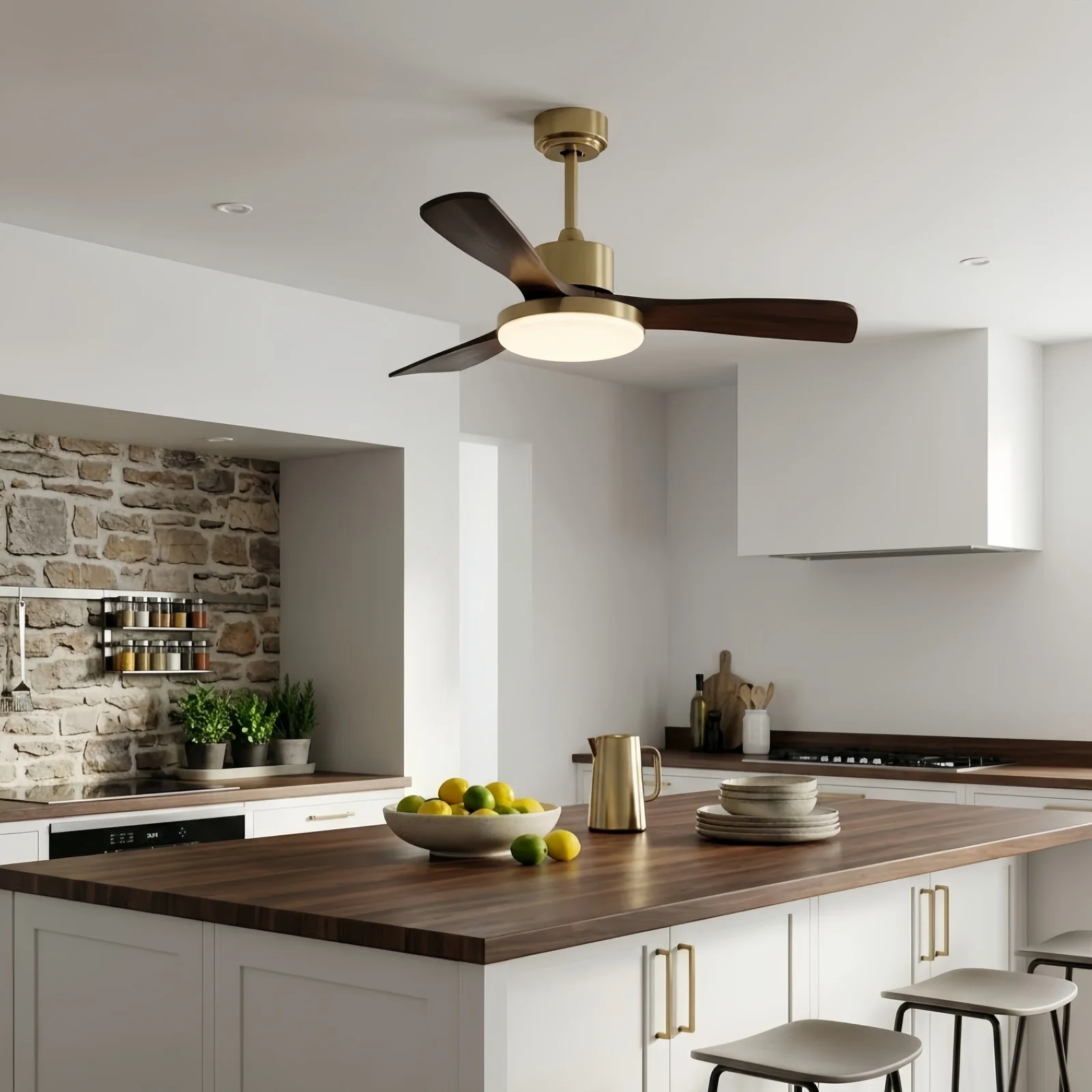
Quick Answer: Which Direction Should a Ceiling Fan Turn in Winter?
If you are wondering what way should the ceiling fan turn in winter, the answer is: a ceiling fan should rotate clockwise when viewed from below, running at a low speed setting.
I learned this after years of using ceiling fans incorrectly. Like many homeowners in the United States, I originally thought ceiling fans were only useful during hot summer months. I would turn them off completely once temperatures dropped because I assumed moving air would only make my home feel colder.
However, modern ceiling fans — especially a ceiling fan with LED light and remote — are designed for year-round comfort. By changing the rotation direction during winter, the fan can help redistribute warm air that naturally rises toward the ceiling, making the room feel more comfortable without creating an uncomfortable cold breeze.
The key is not to use the fan like you would in summer. Winter mode is about gentle air circulation, not cooling.
My Experience: Why I Started Changing My Ceiling Fan Direction in Winter
A few winters ago, I noticed that the upstairs rooms in my home always felt warmer than the living room. The heating system was working normally, but there was still a noticeable temperature difference between the floor level and the ceiling.
After researching how indoor air moves, I realized the problem was simple physics.
Warm air is lighter than cool air, so heated air naturally rises and collects near the ceiling. In rooms with higher ceilings, this warm air can remain trapped above the area where people actually spend time.
At first, I worried that turning on the ceiling fan during winter would make the room colder. That is exactly what happens if you use the summer setting. A counterclockwise rotation pushes air downward and creates a noticeable breeze, which produces a cooling sensation.
But winter operation is different.
When the fan rotates clockwise at a low speed, the blades create a gentle upward airflow pattern. This helps pull cooler air upward while pushing the warmer air near the ceiling outward and downward along the walls. Instead of creating a strong draft, the fan simply mixes the air layers in the room.
After changing the direction on my ceiling fan with remote control, I noticed the room temperature felt more balanced. The biggest difference was not that the fan produced heat — it does not. The improvement came from reducing uneven air distribution.
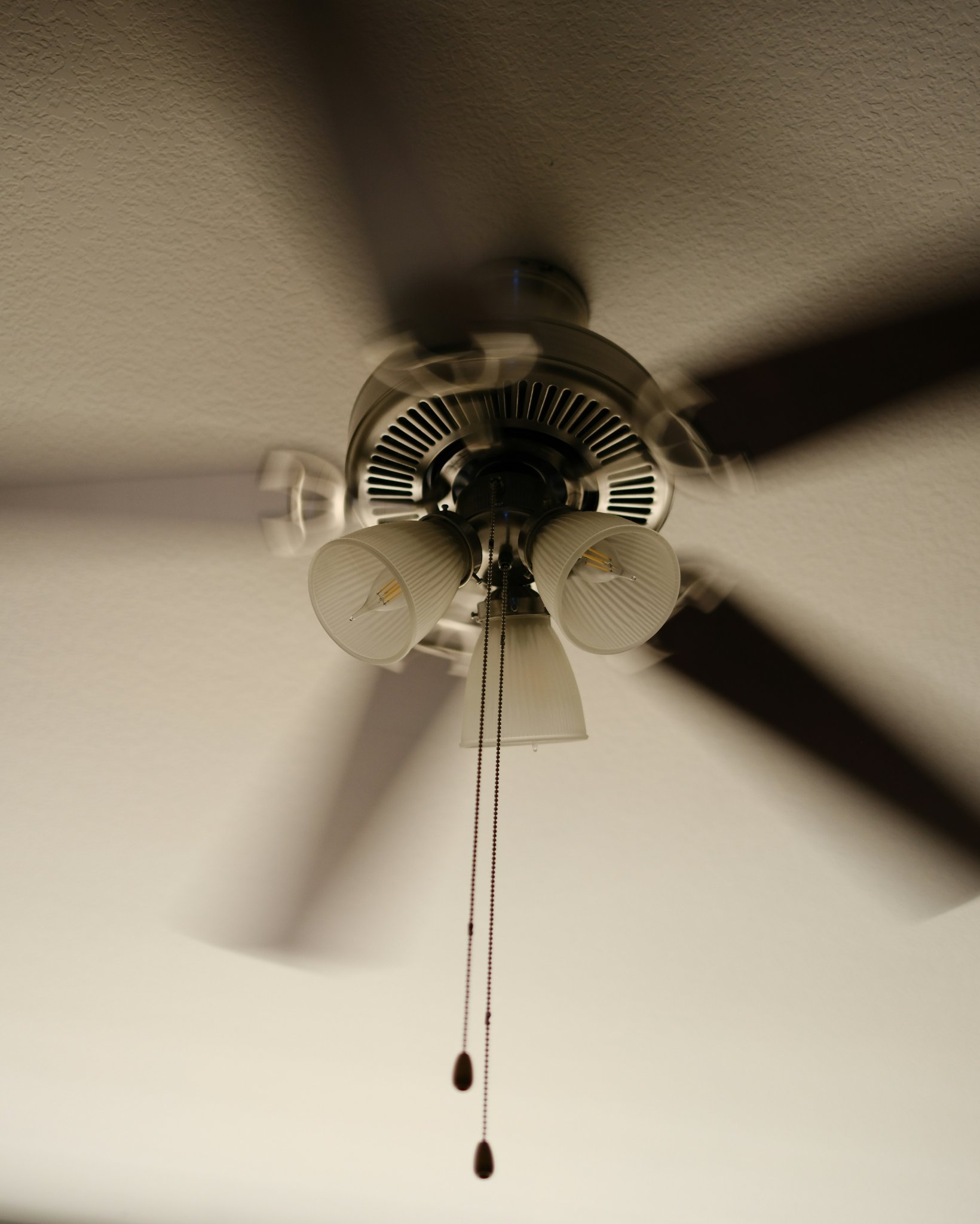
Why Should a Ceiling Fan Turn Clockwise in Winter?
The reason comes down to airflow movement.
During winter, your heating system warms the air inside your home. Because warm air naturally rises, a significant amount of heat can accumulate near the ceiling instead of staying where people sit and walk.
A clockwise ceiling fan rotation helps circulate this trapped warm air back into the living area.
According to ENERGY STAR, the U.S. government-backed energy efficiency program, ceiling fans should operate at low speed in the clockwise direction during winter because this creates a gentle updraft that pushes warm air near the ceiling back into the occupied space.
This does not mean a ceiling fan replaces your heating system. Instead, it improves air circulation and comfort.
A ceiling fan does not increase the actual temperature of your room. It simply helps distribute existing heat more evenly.
This distinction is important because many people misunderstand how ceiling fans work. A fan cools you in summer through the wind-chill effect, but in winter its purpose is air mixing rather than cooling.
How to Tell If Your Ceiling Fan Is Spinning the Correct Way in Winter
Many homeowners struggle to identify the correct direction because they look at the blades from different angles.
The easiest method is to stand directly underneath the fan and look upward.
Winter Setting:
Rotation direction: Clockwise
Viewing position: Looking upward from below
Speed: Low
Air movement: Gentle circulation without a strong breeze
Summer Setting:
Rotation direction: Counterclockwise
Viewing position: Looking upward from below
Speed: Medium or high
Air movement: Noticeable downward airflow
A simple test:
Stand directly under your ceiling fan while it is running.
If you feel air blowing strongly downward onto your face or skin, your fan is probably in summer mode.
If you barely feel airflow but notice better temperature balance throughout the room, your fan is likely operating correctly for winter.
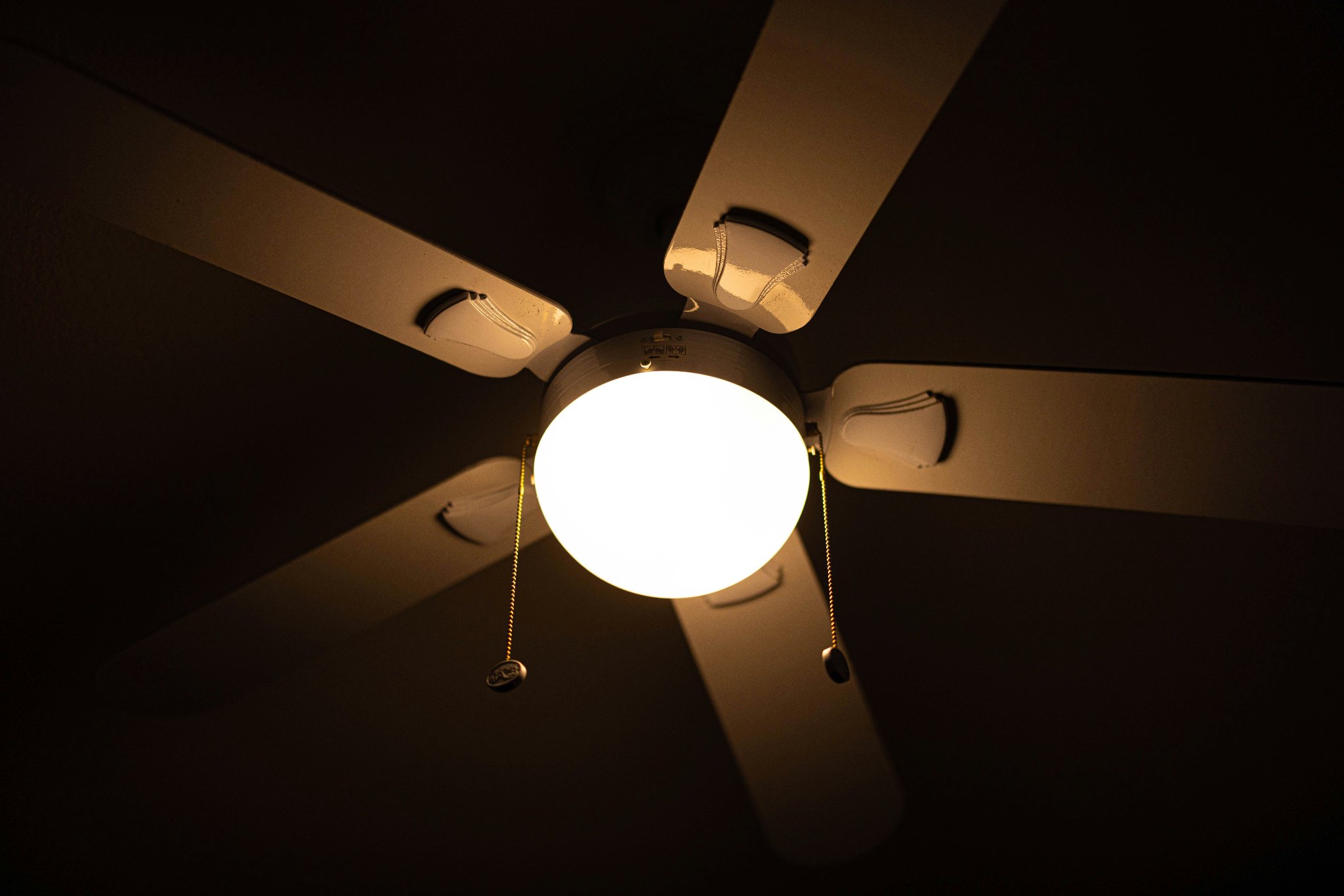
How to Change the Direction on a Ceiling Fan with LED Light and Remote
One reason many homeowners avoid changing fan direction is because older ceiling fans required manually flipping a small switch on the motor housing.
Modern models are usually easier.
Many newer ceiling fans with LED lights and remote controls allow users to reverse the motor direction directly from the remote. The exact button name depends on the manufacturer, but common labels include:
Reverse
Direction
Summer/Winter
Forward/Reverse
Before changing direction:
Turn off the ceiling fan completely.
Wait until the blades stop moving.
Change the direction using the remote or wall control.
Restart the fan at the lowest speed.
Never attempt to change direction while the blades are spinning. This can place unnecessary stress on the motor and internal components.
For fans without remote control reversal, look for a small direction switch located near the motor housing. Always disconnect power before physically touching electrical components.
Does Running a Ceiling Fan in Winter Actually Save Energy?
This is one of the most common questions homeowners ask.
The answer depends on your home, climate, insulation, heating system, and how you use the fan.
A ceiling fan itself does not create heat, so it cannot directly replace a furnace or heat pump. However, improving air circulation may allow you to feel comfortable at a slightly lower thermostat setting.
ENERGY STAR notes that efficient ceiling fan operation can improve comfort and contribute to energy savings when used correctly. Certified ceiling fans with lights are also significantly more efficient than many older fan/light combinations.
The biggest potential benefit comes from reducing temperature differences between areas of the room.
For example:
Warm air trapped near a high ceiling → redistributed downward
Less temperature variation between ceiling and floor
More consistent comfort throughout the room
However, leaving a ceiling fan running in an empty room usually provides little benefit because fans cool or circulate air for people, not the structure itself. ENERGY STAR also recommends turning fans off when rooms are unoccupied.
What About a Ceiling Fan with LED Light and Remote? Does Winter Direction Change the Light Function?
No.
Changing fan direction only affects the motor rotation. It does not change the LED light function.
A ceiling fan with LED light and remote usually separates these controls:
Fan speed control
Fan direction control
LED brightness adjustment
Light on/off function
Color temperature adjustment (on some models)
This means you can continue using the LED light normally while switching the fan into winter mode.
For example, during a winter evening, you may:
Turn on the warm LED lighting.
Set the fan direction clockwise.
Select the lowest fan speed.
Adjust your thermostat normally.
The goal is comfortable air circulation, not creating noticeable airflow.
Common Mistakes People Make When Using Ceiling Fans in Winter
Mistake 1: Running the Fan at High Speed
A high-speed clockwise fan can still create noticeable airflow, which may make people feel colder.
Winter mode works best at the lowest speed because the goal is gentle circulation.
Mistake 2: Assuming the Fan Heats the Room
A ceiling fan does not generate heat unless it has a separate heating function, which most residential ceiling fans do not.
Its job is air distribution.
Mistake 3: Forgetting to Reverse the Fan Direction Seasonally
Many homeowners install a ceiling fan and never change the direction again.
The same direction that feels comfortable in July may be uncomfortable in January.
A simple seasonal check can improve year-round comfort.
My Final Thoughts: The Small Seasonal Change That Improves Year-Round Comfort
Before researching this topic, I considered ceiling fans mainly as summer appliances. I assumed turning them off during winter was the correct choice.
Now I see them differently.
A ceiling fan is not simply a cooling device. When used correctly, it is an air circulation tool that helps improve comfort throughout the year.
The most important winter adjustment is simple:
Set your ceiling fan to rotate clockwise, keep the speed low, and use it only when the room is occupied.
For homeowners with a ceiling fan with LED light and remote, changing seasonal direction is easier than ever. Instead of ignoring the fan during colder months, a small adjustment can help create a more balanced indoor environment.
FAQ
1. What way should the ceiling fan turn in winter?
A ceiling fan should turn clockwise in winter when viewed from below and operate at a low speed. This direction creates a gentle updraft that helps redistribute warm air trapped near the ceiling without creating a strong cooling breeze.
For homeowners using a ceiling fan with LED light and remote, the reverse function is usually controlled through the remote, allowing seasonal adjustment without manually touching the fan motor.
2. Why does a ceiling fan turn clockwise in winter?
A ceiling fan turns clockwise in winter because this direction helps move warm air that naturally rises toward the ceiling back into the living area.
Heating systems warm the air, but warm air is less dense and rises. In rooms with high ceilings, this creates a temperature difference between the upper and lower parts of the room. A clockwise fan helps mix these air layers.
3. Should I run my ceiling fan in winter all day?
No, you should not run your ceiling fan continuously when nobody is using the room.
A ceiling fan improves comfort by moving air around people, but it does not heat the room itself. Running a fan in an empty room usually provides little benefit.
A better approach is to turn the fan on when the room is occupied and turn it off when leaving.
4.What speed should a ceiling fan run at in winter?
A ceiling fan should run at the lowest speed setting during winter.
The purpose of winter operation is gentle air circulation, not creating airflow that you can strongly feel. A high-speed setting may create drafts and reduce comfort.
5.Can a ceiling fan with LED light and remote reverse direction?
Yes. Many modern ceiling fans with LED lights and remote controls include a reverse function that allows homeowners to switch between summer and winter airflow modes.
Depending on the model, the direction button may be labeled:
Reverse
Direction
Summer/Winter Mode
Forward/Reverse
Always stop the fan completely before changing direction.
6. Does clockwise ceiling fan direction make a room warmer?
A clockwise ceiling fan does not increase the actual temperature of a room.
Instead, it helps distribute existing warm air more evenly. This can make the room feel warmer because less heat remains trapped near the ceiling.
7. How can I know if my ceiling fan direction is correct?
Stand directly underneath your ceiling fan and look upward.
In winter:
Blades should rotate clockwise.
You should feel little to no direct airflow.
The room should feel more evenly comfortable.
If you feel strong air blowing downward, your fan is likely still in summer mode.
Share:
How to Install a Ceiling Fan Without Existing Wiring: My Complete Guide
Control Methods for Ceiling Fans With Lights: Which One Is Right for You?