
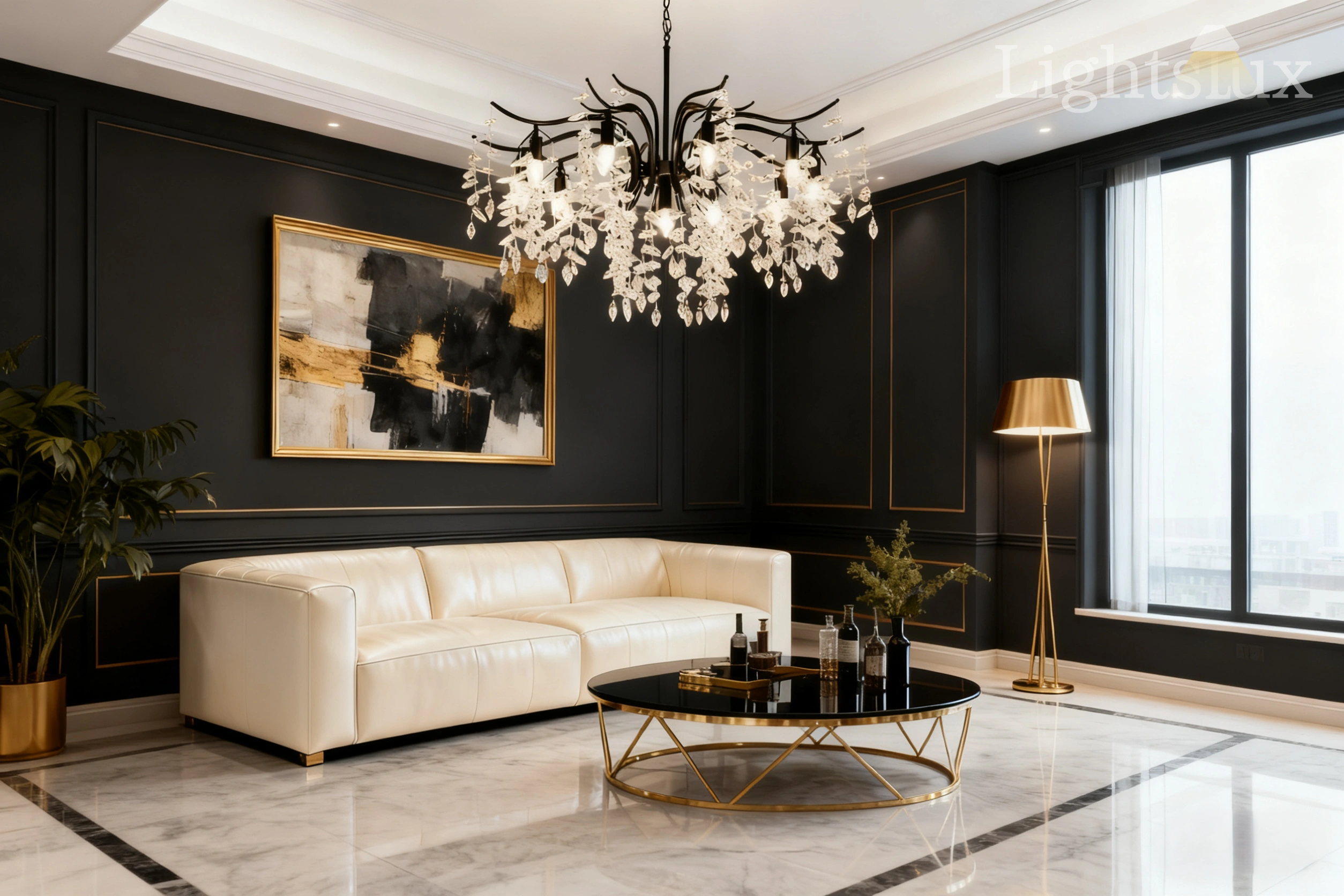
You can transform your Living Room Living experience with expert lighting ideas. When you combine different types of living room lighting, you create both style and function. Warm white lighting and modern fixtures help you build a cozy atmosphere. Try layering your lighting and use smart controls for more convenience. These simple changes make your space brighter and more inviting.
Key Takeaways
Layered lighting combines ambient, task, and accent lights for a balanced and inviting space.
Use warm white bulbs to create a cozy atmosphere and cool white bulbs for brighter, lively areas.
Incorporate dimmable lights to easily adjust brightness for different activities, enhancing comfort.
Smart lighting systems offer convenience, allowing you to control lights with your phone or voice.
Mix different lighting styles and materials to add depth and personality to your living room.
LightsLux Living Room Lights
Layered living room lighting
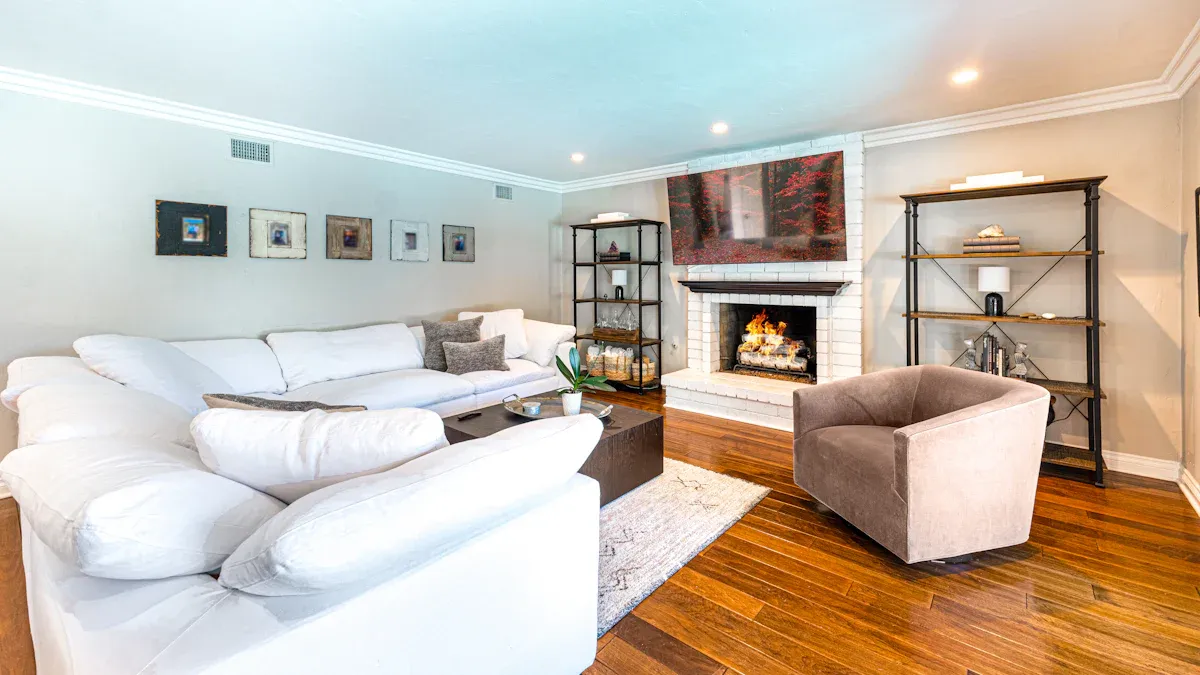
Transform your living space with expert lighting ideas for living room! Discover how layered lighting, smart systems, and stylish fixtures can create a cozy atmosphere while enhancing functionality. Ready to brighten up your living room? Dive into our expert tips!
What is layered lighting?
Layered lighting means using more than one type of light in your living room. You do not rely on just overhead lighting. Instead, you combine different sources to create a balanced and comfortable space. You use ambient lighting for general brightness, task lighting for specific activities, and accent lighting for style. This approach helps you control the mood and function of your room. You can also use natural lighting from windows to add warmth during the day.
Tip: Layered lighting lets you adjust brightness for any activity, from movie nights to reading or entertaining guests.
Benefits for living room living
Layered lighting gives you many advantages. You make your living room living experience more flexible. You can change the atmosphere with a simple switch or dimmer. You highlight your favorite features, such as artwork or shelves. You also reduce eye strain by using the right light for each activity. When you use layered living room lighting, you create a space that feels cozy and looks stylish.
Here are some key benefits:
You get better control over brightness and mood.
You make your room look larger and more inviting.
You save energy by using only the lights you need.
You add depth and interest with accent lights.
How to layer lighting ideas
You can layer lighting ideas by combining three main types of lights:
Ambient Lighting: This is your main source of light. You use ceiling lamps, chandeliers, or recessed fixtures to fill the room with even brightness.
Task Lighting: You add floor lamps, table lamps, or adjustable led lights for activities like reading, working, or playing games.
Accent Lighting: You use wall sconces, led strips, or spotlights to highlight artwork, plants, or architectural details.
You can follow these steps to create a balanced living room lighting plan:
Lighting Type |
Purpose |
Example Fixtures |
|---|---|---|
Ambient |
Overall illumination |
Ceiling lamps, chandeliers |
Task |
Focused activity lighting |
Floor lamps, table lamps |
Accent |
Highlight features, add drama |
Wall sconces, led strips |
Try mixing warm and cool lights for different effects. Place task lights near reading chairs or workspaces. Use accent lights to draw attention to special areas. You can also add dimmable switches to control brightness. When you combine these lighting ideas, you make your living room more functional and beautiful.
Note: Do not forget to use natural lighting during the day. Open your curtains to let sunlight fill your space.
Ambient lighting ideas
Ambient lighting sets the foundation for your living room lighting. You want to fill your space with soft, even light that makes every corner feel open and welcoming. The right ambient lighting ideas help you create a cozy mood and make your living room living experience more enjoyable.
Ceiling lamps and chandeliers
Ceiling lamps and chandeliers work well as overhead lighting. You can choose a modern chandelier for a bold statement or a simple ceiling lamp for a clean look. Both options spread light across the room and reduce shadows. If you have high ceilings, a chandelier draws the eye upward and adds elegance. For lower ceilings, flush-mount ceiling lamps keep the space feeling open.
Tip: Place your chandelier or ceiling lamp in the center of the room for balanced light.
Recessed and track lighting
Recessed lighting fits into the ceiling and gives a sleek, modern look. You can use several recessed lights to cover large areas without clutter. Track lighting lets you move and aim each light where you need it most. This flexibility helps you highlight artwork or brighten dark corners. Both options work well with other living room lighting ideas.
A table can help you compare these fixtures:
Fixture Type |
Best For |
Style Impact |
|---|---|---|
Recessed Lighting |
Clean, modern look |
Subtle |
Track Lighting |
Adjustable brightness |
Contemporary |
Dimmable options
Dimmable lights give you control over brightness. You can set the mood for movie nights or parties with a simple adjustment. Many ceiling lamps, chandeliers, and led fixtures now come with dimmable features. Choose warm white bulbs (2700K-3000K) for a cozy feel. These bulbs mimic natural lighting and make your space feel inviting.
Note: Combine dimmable ambient lights with task and accent lighting for the best results.
You can use these lighting ideas to create a comfortable and stylish living room. Try different fixtures and see what works best for your space.
Task lighting for living room living
Task lighting helps you focus on activities in your living room. You need more than overhead lighting to make reading, working, or playing games comfortable. Good task lighting ideas let you see clearly and reduce eye strain. You can use different fixtures to match your style and needs.
Floor lamps for reading
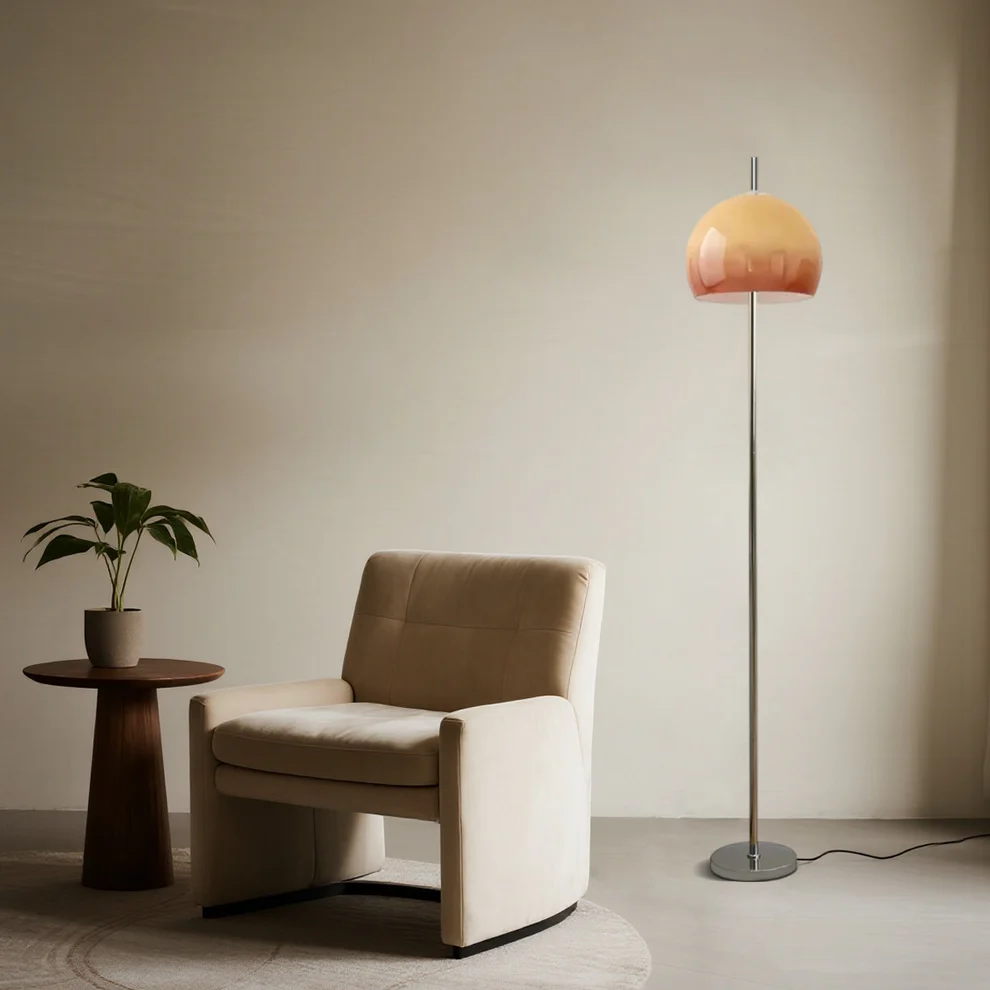
A floor lamp gives you direct light where you need it most. Place a floor lamp next to your favorite chair or sofa. You can read books, magazines, or work on hobbies with ease. Many floor lamps come with adjustable arms or shades. You can point the light exactly where you want. Choose a lamp with a led bulb for bright, energy-saving light. If you want a cozy feel, pick a warm white bulb. Floor lamps work well with natural lighting during the day. At night, they add extra brightness for your living room living experience.
Tip: Use a floor lamp with a dimmer switch. You can change the brightness for reading or relaxing.
Table lamps for side tables
A table lamp fits perfectly on a side table or shelf. You can use it for reading, writing, or working on a laptop. Table lamps come in many shapes and sizes. Pick one that matches your decor and gives enough light for your tasks. Place the lamp close to where you sit. This way, you get focused light without glare. Table lamps also add style to your living room lighting ideas.
Table lamps with led bulbs save energy.
Choose a lamp with an adjustable neck for more flexibility.
Use a shade that softens the light for a comfortable glow.
Adjustable task lights
Adjustable task lights give you control over where the light goes. You can use wall-mounted swing-arm lamps, desk lamps, or clip-on lights. These fixtures help you do detailed work, like drawing or crafting. You can move the arm or head to shine light on your project. Adjustable lights work well with other lighting ideas. You can combine them with ambient and accent lights for a complete look.
Here is a table showing effective task lighting fixtures for living room activities:
Type of Fixture |
Purpose |
|---|---|
Floor lamps |
Next to seating areas for reading |
Adjustable table lamps |
For focused activities |
Wall-mounted swing-arm lamps |
Versatile lighting for tasks |
You can mix different task lights to suit your needs. Try placing a table lamp on each side table and a floor lamp near your reading spot. Use adjustable lights for hobbies or work. These living room lighting ideas make your space more functional and stylish.
Accent lighting ideas
Accent lighting brings out the best features in your living room. You can use these lighting ideas to highlight artwork, create depth, and add style. Accent lights help you draw attention to special areas and make your space feel more inviting.
Wall sconces for style
Wall sconces add both function and beauty to your living room. You can place them on either side of a fireplace, above a sofa, or near artwork. Wall sconces provide targeted illumination that highlights architectural features and artwork. This type of lighting creates depth and dimension, making your living room look more interesting. You can choose from modern, classic, or decorative designs to match your style.
Tip: Install wall sconces at eye level for the best effect. This placement helps you avoid glare and spreads light evenly.
LED strips and cove lighting
LED strips and cove lighting offer flexible options for accent lighting. You can install led strips under shelves, behind your TV, or along the ceiling. These lights create a soft glow that enhances the overall ambiance of your room. Cove lighting, placed in recessed areas or along moldings, adds a gentle wash of light that makes your living room feel larger and more welcoming.
LED strips use less energy and last longer than traditional bulbs.
You can choose from different colors and brightness levels.
Both options help you highlight unique features and improve the visual appeal of your space.
Decorative fixtures
Decorative fixtures serve as both art and light sources. You can use pendant lights, small chandeliers, or artistic lamps to add personality to your living room. These fixtures draw the eye and become conversation pieces. When you select decorative accent lights, you enhance the style of your room and create a unique atmosphere.
A table can help you compare accent lighting options:
Accent Lighting Type |
Best Use |
Style Impact |
|---|---|---|
Wall sconces |
Highlight features, add drama |
Elegant |
LED strips/cove |
Soft glow, modern look |
Subtle/Contemporary |
Decorative fixtures |
Artistic statement, focal point |
Bold/Personalized |
Accent lighting ideas help you create a living room that feels both stylish and comfortable. You can use these lighting ideas to make your favorite features stand out and improve the overall look of your space.
Integrating living room lighting types
Balancing function and style
You want your living room lighting to work well and look great. Start by thinking about what you do in your living room. You might read, watch TV, or spend time with friends. Each activity needs a different kind of light. Use ambient lights for general brightness. Add task lights for reading or working. Accent lights can highlight art or special features.
When you balance function and style, you create a space that feels comfortable and looks inviting. Choose fixtures that match your decor. Modern rooms often use simple shapes and clean lines. Traditional spaces might feature classic designs. You can mix styles if you keep the look consistent. Try to match the color and finish of your fixtures for a unified feel.
Tip: Use dimmable lights to adjust the mood. You can make the room bright for cleaning or soft for relaxing.
Placement tips
Where you put your lights matters as much as which lights you choose. Place ambient lights in the center of the room to spread light evenly. Put task lights near chairs, desks, or tables where you need extra brightness. Accent lights work best when they shine on artwork, shelves, or architectural details.
Here are some placement ideas to help you get started:
Hang a chandelier or ceiling lamp in the middle of the room.
Set floor lamps next to sofas or reading chairs.
Place table lamps on side tables for easy access.
Install led strips under shelves or behind your TV for a modern touch.
Mount wall sconces at eye level to avoid glare.
A table can help you plan your lighting placement:
Lighting Type |
Best Placement |
Purpose |
|---|---|---|
Ambient |
Center of ceiling |
General illumination |
Task |
Near seating/work areas |
Focused activities |
Accent |
On walls/shelves |
Highlight features |
Note: Try different placements to see what works best for your living room. Move lamps and fixtures until you find the perfect setup.
Mixing materials
You can add interest to your living room lighting by mixing materials. Modern fixtures often use matte black finishes and simple curves. Traditional styles might feature brass or linen shades. When you combine different materials, you create depth and texture in your space.
Here are some popular materials for lighting fixtures:
Matte black adds a sleek, modern look.
Linen shades give a soft, warm glow.
Brass brings a touch of elegance and tradition.
Simple curves work well in both modern and classic rooms.
Try using a matte black chandelier with linen-shaded table lamps. Add brass wall sconces for a hint of luxury. Mix and match these materials to fit your style. You can use lighting ideas that blend different finishes for a unique look.
Tip: Choose materials that match your furniture and decor. This helps your living room lighting ideas feel connected to the rest of your space.
Mixing materials lets you express your personality. You can create a living room that feels both stylish and comfortable.
Modern controls and cordless lighting
Wireless and smart systems
You can upgrade your living room with wireless and smart lighting systems. These systems let you control your lights from your phone or with your voice. You do not need extra wiring or complicated setups. Many brands now offer smart lights that connect directly to Wi-Fi or use wireless switches. You can change colors, set timers, and even sync lights with music.
Here is a table showing some of the latest options for smart lighting:
Product |
Key Features |
Website |
|---|---|---|
Hub-free design, vibrant colors, direct Wi-Fi connectivity |
||
Affordable, dynamic LED strip lights, extensive scene & music modes |
||
Modular designs, customizable light panels, artistic expression |
||
Lutron Caséta |
Reliable wireless control, broad compatibility, smart switches and dimmers |
You can choose a system that fits your needs and style. Some options focus on color and creativity. Others give you reliable control and easy installation.
Rechargeable options
Cordless lighting gives you more freedom in your living room. You can place rechargeable lamps anywhere, even where outlets are hard to reach. Many modern lamps use built-in batteries that last for hours. You can charge them with a USB cable or a charging dock. These lights work well for reading nooks, shelves, or accent tables.
Some rechargeable lights use led technology for bright and energy-efficient illumination. You can move these lights around as needed. This flexibility helps you create the perfect lighting setup for any occasion.
Tip: Use rechargeable lamps for cozy corners or to highlight special features without worrying about cords.
Setting scenes
Smart lighting lets you set scenes for different activities. You can create a bright setting for cleaning or a soft glow for movie night. Many systems let you save your favorite settings and switch between them with one tap. You can also use voice commands to change scenes quickly.
Try setting up scenes for reading, relaxing, or entertaining guests. This feature helps you get the right mood every time. You can adjust brightness, color, and even the direction of the light.
Note: Setting scenes saves time and makes your living room feel more comfortable and inviting.
Expert living room lighting ideas
Choosing bulb color temperature
You can change the mood of your living room by picking the right bulb color temperature. Warm white bulbs (2700K-3000K) create a cozy and relaxing space. Cool white bulbs (3500K-4100K) make the room feel bright and lively. Daylight bulbs (5000K-6500K) work well if you want a crisp and energizing look. Most people choose warm white for the best living room lighting because it feels comfortable and inviting. Always check the packaging for the color temperature before you buy new bulbs.
Tip: Use warm white bulbs for main lights and cool white for task areas like reading corners.
Matching lighting to decor
You can make your living room look stylish by matching your lighting to your decor. Modern rooms often look great with simple fixtures and led lights. Traditional spaces may need lamps with fabric shades or brass finishes. If you have colorful walls or bold furniture, pick lighting that does not clash. Try to use similar colors and materials for a balanced look. A table can help you see which fixtures fit different styles:
Decor Style |
Fixture Type |
Material Example |
|---|---|---|
Modern |
Recessed, track |
Metal, glass |
Traditional |
Table lamps, sconces |
Brass, fabric |
Eclectic |
Pendant, led strips |
Mixed materials |
Avoiding common mistakes
Many people make simple mistakes with living room lighting ideas. You might use only one overhead light, which leaves corners dark. You could pick bulbs that are too bright or too dim. Some people forget to add accent lights or use the wrong color temperature. You can avoid these problems by using layers, checking bulb brightness, and mixing different fixtures. Always test your lights at night to see how they look.
Note: Good lighting makes your living room feel bigger, brighter, and more welcoming.
You can transform your living room living experience by using expert living room lighting ideas. Start by assessing your current lights and try new combinations for better results. Layered lighting and modern controls help you create a brighter, more stylish space. Explore different fixtures and placements to see what works best. Great lighting can change how you feel in your home every day.
FAQ
What is the best way to choose living room lighting options?
You should start by thinking about your room size and style. Look at different lighting options like ceiling lamps, floor lamps, and accent lights. Try mixing types to get the right brightness and mood.
How do I make my living room feel cozy with lighting?
Pick warm white bulbs for a soft glow. Place lamps near seating areas. Use dimmable lights to adjust brightness. Add accent lights to highlight artwork or shelves.
Can I use smart lighting in any living room?
You can use smart lighting in most living rooms. Many smart bulbs and switches work with Wi-Fi. You control them with your phone or voice. Check if your fixtures support smart bulbs before buying.
How often should I update my living room lighting?
You should check your lighting every few years. Replace old bulbs with energy-saving LEDs. Update fixtures if your style changes or if you want better brightness.
What is layered lighting and why is it important?
Layered lighting means using ambient, task, and accent lights together. You get better control over brightness and mood. This setup helps you create a comfortable and stylish space.
Share:
10 LightsLux Lighting Fixtures to Transform Every Room in Your Home
Kitchen Island Made Simple: 3 Foolproof Ways to Pick the Perfect Fit