

A plaster ceiling light can turn a plain room into a stylish space. You see the difference as soon as you walk in. The medallion draws your eyes upward and makes the ceiling stand out. It adds depth and character. You can create a warm atmosphere with the right lighting. You do not need to be a professional to make this change. Anyone can follow clear steps and enjoy the results.
Why I Started Using Ceiling Medallions
During several home lighting renovation projects, I noticed that even beautiful chandeliers often looked unfinished when installed directly against a plain ceiling.
The first time I added a plaster ceiling medallion above a dining room chandelier, the visual difference was immediate. The fixture appeared more substantial, the ceiling felt taller, and the entire room gained a more custom-designed appearance.
Since then, ceiling medallions have become one of the simplest upgrades I recommend for homeowners looking to enhance ceiling lighting without a major renovation.
Key Takeaways
Plaster ceiling medallions make any room look nicer. They make people look up and add more detail to the ceiling.
Pick a medallion size that fits your room well. Use a formula with your room size to help you choose.
Choose a medallion style that matches your light and your room. It can be modern or traditional, depending on your taste.
Installing a medallion is easy. Get the tools you need. Follow safety rules and make sure it lines up right. This gives your ceiling a neat look.
Clean your medallion often and fix small problems. This keeps it looking new and helps it last longer.
What Are Plaster Ceiling Medallions?
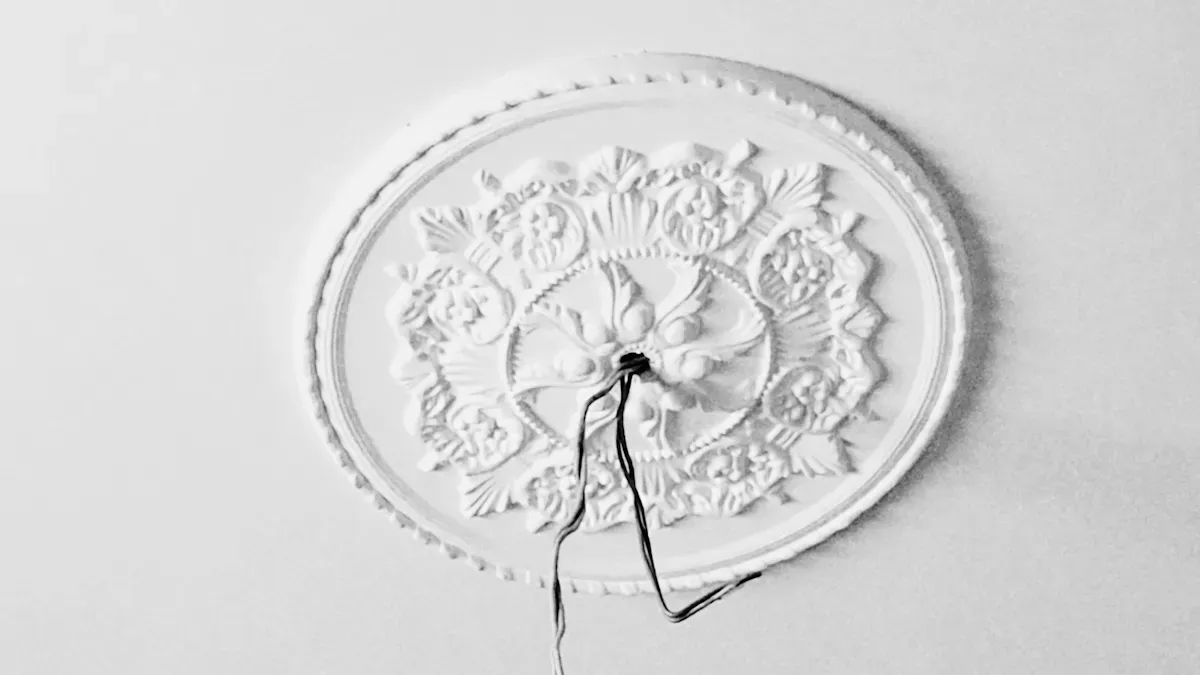
Definition and History
A plaster ceiling medallion is a pretty decoration for your ceiling. It usually goes around a light fixture. People first used medallions in ancient Greece and Rome. They wanted to show off their wealth and status. Craftsmen made the first medallions from marble and plaster. They carved beautiful patterns that people noticed right away. Later, in the Baroque and Rococo times in Europe, medallions became even more popular. Rich families put them in their homes to look fancy. When the Industrial Revolution happened, things changed. Factories started making lots of medallions. This made them cheaper for more people to buy. Now, you can see medallions in all kinds of homes.
Medallions add history and beauty to your home. When you put one on your ceiling, you connect with old designs from long ago.
Modern Uses
People use plaster ceiling medallions to make a plaster ceiling light or other fixtures stand out. Medallions help your room have a main point to look at. They give your space more style and depth. You can pick a medallion that fits what you like. Some people want simple designs for a modern look. Others like fancy patterns for a classic style. Medallions look good in living rooms, dining rooms, and bedrooms. You can also put them in entryways to wow your guests.
Types and Styles
There are many choices when you pick a medallion. Popular styles are:
Sleek, simple medallions with shapes like circles or squares
Transitional medallions that mix old and new styles
3D sculpted and laser-cut medallions for cool texture
Traditional designs like Victorian and Baroque with lots of details
Neoclassical medallions that focus on balance and fancy decorations
Custom medallions for your own special look
Antique ceiling medallions are special too. They bring old-time charm and beauty. You can mix antique styles with modern rooms to make them interesting. Antique medallions often stand out and make people look up at your ceiling.
Why Homeowners Still Choose Them Today
Although ceiling medallions originated centuries ago, they remain popular in modern interior design because they offer a relatively affordable way to add architectural detail.
Many homeowners use them to highlight statement lighting fixtures, create visual interest on otherwise plain ceilings, and add a more customized appearance to living rooms, dining rooms, and entryways.
Why Add Medallions to Lighting?
Visual Impact
Adding a medallion to your ceiling light changes the whole room. The medallion goes around the light and makes it look special. You will see the change right away. Your eyes go up to the ceiling. The medallion makes the ceiling more fun to look at. Here are some ways medallions help your room:
Medallions give your ceiling more style and depth.
You make a main spot that looks fancy and nice.
A plaster ceiling light with a medallion really stands out. It gives your room a unique feel.
Ambiance and Style
Medallions do more than just look pretty. They help set the mood in your room. A medallion can make your space feel bigger and grand. Even a simple one can change how the room feels. Medallions can also cover up small marks on the ceiling. This makes your room look neat and clean.
Medallions add shape and depth to ceilings.
They hide small problems, so the ceiling looks smooth.
A ceiling medallion can make your room feel fancy and cozy.
They connect the ceiling and light, making the room look put together.
Medallions show off good work and bring a bit of history.
You can pick a style you like, from old-fashioned to modern.
Functional Benefits
Medallions are useful too. They do more than just look good. Most medallions are light, so you can put them up easily. You can paint them to match your room. Here are some good things about medallions:
Medallions add beauty and cool details.
They make your lights stand out more.
You give plain ceilings more character and depth.
Easy to put up, so you save time and work.
You can finish them any way you want to fit your style.
A medallion with a plaster ceiling light makes your home pretty and useful.
Choosing a Medallion
Sizing Your Medallion
Getting the right size for your ceiling medallion makes a big difference. If you pick one that is too small, it can look lost. If you choose one that is too big, it might overwhelm the room. You can use a simple formula to help you decide:
Medallion Size Formula:
(Room length x Room width in feet) ÷ 7 = Recommended medallion diameter (in inches)
Here is a quick guide to help you:
Room Size (Square Feet) |
Recommended Medallion Diameter |
Typical Room Type |
|---|---|---|
Under 120 sq ft |
14 to 18 inches |
Powder room, small foyer |
120 to 200 sq ft |
20 to 24 inches |
Standard bedroom, dining nook |
200 to 300 sq ft |
28 to 32 inches |
Large living room, dining room |
Over 300 sq ft |
36 inches or larger |
Great room, two story entryway |
You also want your medallion to match your light fixture. For a chandelier, the medallion should be 4 to 8 inches larger than the chandelier’s base. This frames the light and makes it stand out. You can also use this formula:
Measure the diameter of your chandelier.
Multiply that number by 1.38.
The answer is the ideal medallion size in inches.
For example, if your chandelier is 18 inches wide, a 25-inch medallion will look just right.
Style and Material
The style and material of your medallion affect both the look and how long it lasts. You can find medallions in many materials. Here is a table to help you compare:
Material |
Pros |
Cons |
|---|---|---|
Plaster |
Durable, fire-resistant, customizable, premium appearance |
Heavy, fragile during shipping, expensive, requires skilled installation |
EPS |
Lightweight, excellent moisture resistance, versatile for designs |
Less traditional appearance compared to plaster |
Polyurethane |
Moisture-resistant, durable, similar to EPS |
May not have the same authentic look as plaster |
Plaster gives you a classic look and feels solid. It works well with a plaster ceiling light. Plaster is heavy and needs careful handling.
EPS (Expanded Polystyrene) is light and resists water. It is good for rooms with humidity, like bathrooms.
Polyurethane is also light and resists moisture. It is easy to install but may not look as traditional as plaster.
Pick a style that matches your room. Ornate medallions fit classic or Victorian rooms. Simple shapes work best in modern spaces.
Color Coordination
Color can change how your medallion looks in your room. You can match the medallion to your ceiling for a soft, tone-on-tone effect. This makes the room feel calm and elegant. If you want the medallion to stand out, pick a color that contrasts with the ceiling or matches your light fixture.
Match the chandelier’s style to the medallion for a dramatic look.
Use a simple medallion with a fancy chandelier, or a detailed medallion with a plain fixture.
Try matching finishes, like bronze or nickel, for a polished look.
Tip: Painting your medallion the same color as the ceiling can make the room feel bigger. Using a bold color draws attention and creates a focal point.
Matching to Room and Fixture
You want your medallion to fit both your room and your light. Here are some things to think about:
Size: Make sure the medallion fits the room and the light. A large medallion in a small room can feel too big. A small medallion in a big room can get lost.
Design Style: Choose a medallion that matches the room’s style. Ornate designs look great in traditional rooms. Simple medallions work well in modern spaces.
Ceiling Height: High ceilings can handle larger medallions. Lower ceilings look better with smaller ones.
Measure your room and your light fixture.
Think about the style you want.
Pick a medallion that brings everything together.
When you match your medallion to your room and fixture, you create a balanced and beautiful space. Your plaster ceiling light will look even better with the right medallion.
Designer Recommendation
In most residential projects, interior designers recommend selecting a ceiling medallion that is approximately 20–30% larger than the fixture canopy.
This proportion helps create a balanced appearance without overwhelming the fixture or making the ceiling feel crowded.
Medallion Installation
Tools and Prep
You need the right tools and good preparation for a smooth medallion installation. Gather these items before you start:
Screwdriver
Screws or a wall anchoring kit
Ladder
Sponge or clean cloth
Pencil
Optional tools can make the job easier. You might use a spray bottle with water, a stucco scraper, or a scissor lift for high ceilings.
Start by turning off the power at the breaker box. This keeps you safe. Remove the current light fixture. Clean the ceiling area with a sponge or cloth. If you want a seamless look, you can scrape off any ceiling texture around the spot where the medallion will go.
Tip: Always check that the power is off before you touch any wires.
Measuring and Marking
You want your medallion to look centered and balanced. Measure the length and width of your room in feet. Multiply these numbers to get the total square footage. Divide this number by 7 to find the best medallion size in inches.
Hold the medallion up to the ceiling. Use a pencil to outline its shape. Mark the spots for the mounting holes. Make sure the medallion lines up with the electrical box for your plaster ceiling light. If you use caulk for the first placement, you can adjust the medallion before it sets.
Cutting and Alignment
Most medallions need a center hole for the light fixture. Place the medallion on a flat surface. Trace the canopy of your light fixture in the center. Draw a smaller circle inside for the wiring.
Cut the center hole with a spiral saw, jigsaw, or a fine-toothed hand saw. Wear safety goggles when you cut. Hold the medallion up to the ceiling to check the fit. The hole should line up with the electrical box. Adjust the medallion if needed so everything matches up.
Safe Installation Steps
Safety comes first. Always turn off the power at the breaker box before you start. Never use the medallion to hold the weight of the light or ceiling fan. The medallion is for decoration only. The electrical box must support the fixture.
Follow these steps for a safe install:
Apply adhesive caulk to the back of the medallion.
Center the medallion over the electrical box.
Press the medallion to the ceiling.
Secure it with trim-head screws through the marked holes.
Wipe away extra caulk with a damp cloth.
Let the adhesive set before you reinstall the light fixture.
Always follow the instructions from the light fixture or ceiling fan manufacturer. If you feel unsure, call a licensed electrician. Local codes may require professional help.
Note: Wear safety goggles when you use power tools. Use the right tool for each step. Read all instructions for adhesives and finishing materials.
Common Mistakes
One of the most common mistakes I have seen during ceiling medallion installations is selecting a medallion that is too small for the room.
In one dining room project, a 16-inch medallion was installed around a large chandelier. While technically correct, the fixture visually overpowered the medallion. Replacing it with a 24-inch model created a much better balance and significantly improved the overall appearance.
Another common issue is failing to test-fit the medallion before applying adhesive. A quick dry fit can prevent alignment problems and save considerable installation time.
Many people make the same mistakes during installation. You can avoid them with careful planning:
Choosing the wrong size: Too big can overwhelm the room. Too small can disappear on the ceiling.
Over-decorating: Too many details can make the design look messy.
Ignoring the room’s style: A classic medallion in a modern room may not match.
Using too little adhesive: This can make the medallion fall off.
Not supporting heavy fixtures: The medallion cannot hold the weight of a light or fan.
Skipping prep work: Not turning off the power or not marking holes can cause problems.
Poor placement: If the medallion is not centered, it will not look right.
Take your time with each step. Double-check your measurements and marks. You will get a beautiful result that makes your plaster ceiling light stand out.
Pairing Plaster Ceiling Light and Medallions
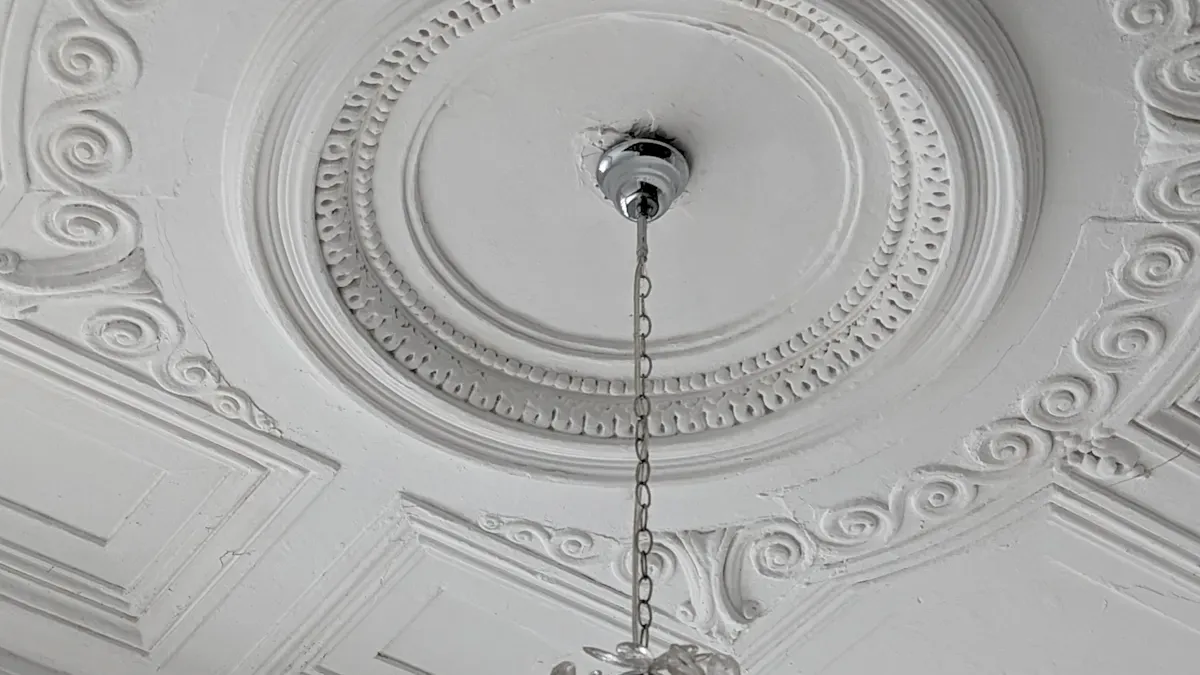
Recently, I worked on a dining room lighting upgrade that involved replacing a standard ceiling fixture with a six-light chandelier.
The room measured approximately 14 × 16 feet with a 9-foot ceiling. After testing several medallion sizes, a 28-inch plaster ceiling medallion produced the best visual balance.
The result was a stronger focal point above the dining table and a noticeably more elegant ceiling design without changing any other decorative elements.
Choosing the right medallion for your lighting makes your room look balanced and stylish. You want the medallion to fit the type of fixture you have. Each lighting type needs a different approach for the best results.
Chandeliers
Chandeliers often become the main focus in a room. You want your medallion to frame the chandelier without taking away from its beauty. Use the table below to help you match the medallion size and style to your chandelier:
Tip |
Why It Matters |
|---|---|
Make the medallion 4 to 8 inches larger than the chandelier’s base. |
This frames the fixture and shows off the medallion’s details. |
Keep the medallion in proportion with the ceiling height and room size. |
This creates a balanced look and helps the room feel harmonious. |
A plaster ceiling light with a well-sized medallion can make your chandelier stand out and add elegance to your space.
Ceiling Fans
Pairing a medallion with a ceiling fan needs careful thought. You want the medallion to blend with the fan, not clash with it.
Pick a medallion that matches the fan’s design.
Choose simple styles for modern fans and more detailed medallions for classic fans.
Make sure the medallion does not block the fan’s airflow.
This way, your ceiling fan and medallion work together for a seamless look.
Pendant and Flush Lights
Pendant and flush lights often have a smaller base. Medallions can help these fixtures look more important in the room.
Use a medallion as a bridge between the light and the ceiling.
Match the style and material of the medallion to the fixture.
Simple medallions work best with modern lights. Ornate medallions fit traditional rooms.
This pairing creates a unified design and draws attention to your lighting.
Recessed Lighting
Recessed lights usually do not need medallions, but you can use small, subtle medallions for a unique touch. Choose thin, simple designs so the medallion does not overpower the light. This adds a bit of style without making the ceiling look crowded.
Tip: Always balance the size and style of your medallion with your lighting. This keeps your room looking neat and well-designed.
Maintenance and Care
In homes with higher humidity levels, such as bathrooms or coastal properties, I recommend inspecting plaster medallions at least twice a year.
Early detection of small cracks or moisture-related issues can prevent more extensive repairs later.
Cleaning
You keep your plaster ceiling medallion looking fresh with regular cleaning. Dust collects on the surface over time. Use a soft microfiber cloth to wipe the medallion gently. This prevents scratches and removes dust without leaving buildup. For deeper cleaning, dip a damp sponge in mild soapy water. Avoid harsh chemicals or abrasive materials. These can damage the plaster and fade the finish. Always dry the medallion with a clean cloth after cleaning.
Tip: Clean your medallion every few months. This keeps it bright and prevents dust from settling.
Minor Repairs
Small cracks or chips sometimes appear on plaster ceiling medallions. You can fix these issues with simple tools and careful steps. Try these techniques:
Widen the crack with a small chisel. This helps the repair material stick better.
Clean the cracked area using a medium bristle brush.
Dampen the crevice with a wet sponge.
Apply joint compound with a putty knife before the area dries.
Smooth the surface with the flat edge of the knife. Prepare the area for painting.
You can also use patching, molding, or casting for more complex repairs. These methods restore the medallion’s shape and details. Always match the paint color to the original finish for a seamless look.
Long-Term Tips
You protect your medallion by following a few long-term care steps. Inspect the plaster twice a year for cracks, chips, or discoloration. Touch up minor imperfections before they grow. Keep indoor humidity between 30–50% to prevent moisture damage. Check for leaks near windows or walls. Avoid hanging heavy objects directly on the plaster unless you use specialty anchors.
Wipe surfaces with a damp cloth to prevent dust buildup.
Use mild soap for occasional cleaning.
Arrange touch-ups for small cracks.
Control humidity levels in your home.
Check for leaks or moisture near the medallion.
Note: Regular care keeps your plaster ceiling medallion beautiful and strong for years. You enjoy a stylish ceiling with less worry.
You can change any room with plaster ceiling medallions and lighting. These features add beauty and make your space feel complete. Many home buyers notice medallions because they serve as visual anchors and improve how light fills a room. If you want to start, remember these steps:
Pick a medallion that fits your room and light.
Center it on the ceiling.
Secure and finish it for a polished look.
You can find more ideas by looking at room size, style, and fixture guides for your next project.
FAQ
How do you paint a plaster ceiling medallion?
You can use a small brush and water-based paint. Clean the medallion first. Apply thin coats for the best finish. Let each coat dry before adding another. Avoid heavy paint that hides details.
Can you install a medallion without removing the light fixture?
You can install some medallions by splitting them and fitting them around the fixture. Most people find it easier to remove the light first. This gives you a cleaner, safer result.
What if your ceiling is not flat?
You can use flexible caulk to fill small gaps. Press the medallion firmly against the ceiling. For large gaps, choose a thinner medallion or consult a professional.
Are plaster medallions heavy?
Most plaster medallions feel heavier than foam or plastic ones.
You need to secure them well.
Always use proper anchors and adhesive for safety.
Are plaster ceiling medallions outdated?
No. While highly ornate Victorian designs are less common in modern homes, minimalist and transitional ceiling medallions remain widely used in contemporary interiors.
Can a ceiling medallion increase home value?
A ceiling medallion alone is unlikely to significantly increase property value, but it can enhance perceived quality and contribute to a more polished interior appearance.
Should the medallion be larger than the chandelier canopy?
Yes. Most designers recommend choosing a medallion that extends beyond the fixture canopy to create proper visual framing and balance.
Share:
4 Top Advantages of Choosing Glass Ceiling Light LED in 2026
Crystal Chandeliers Cleaning Tips for Every Home