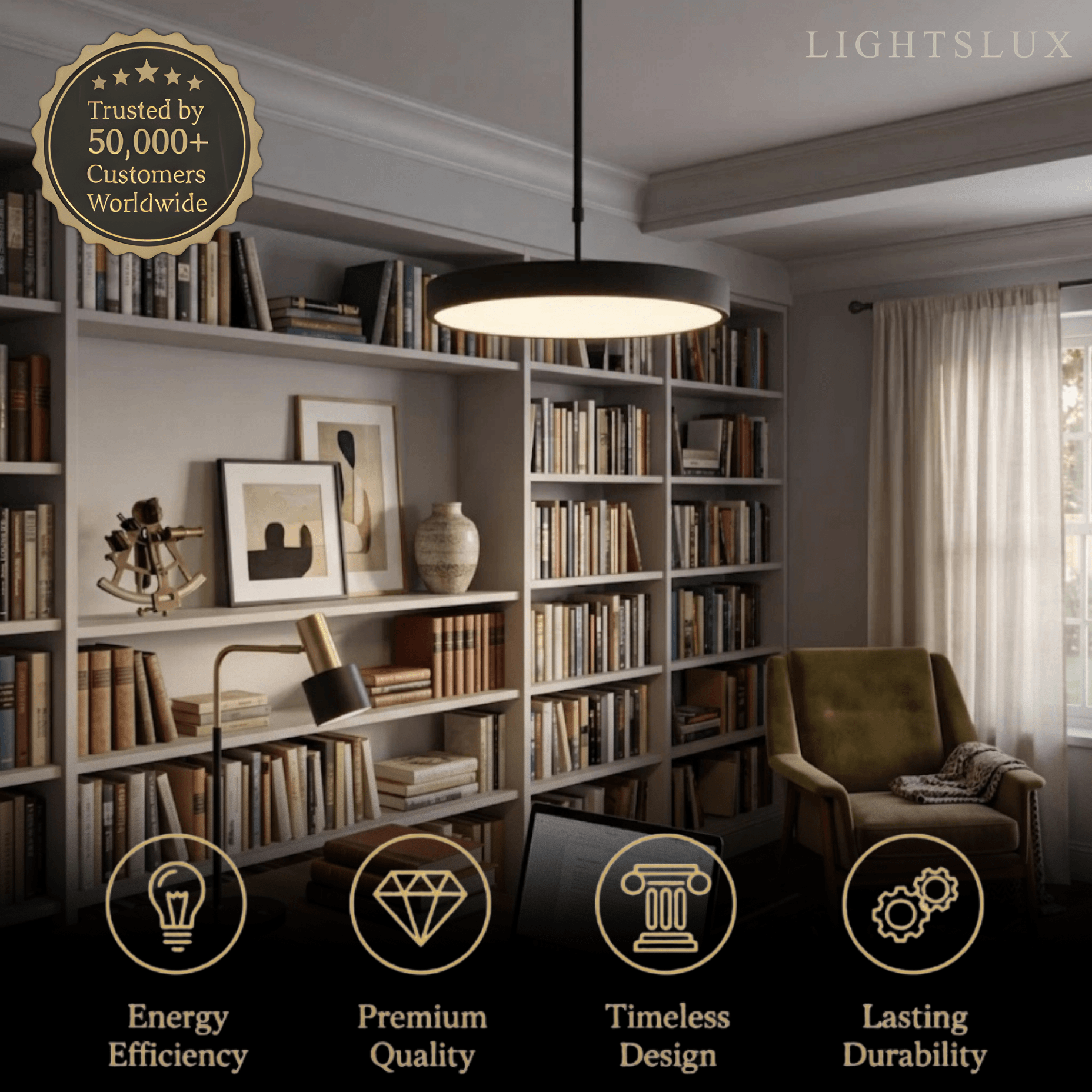
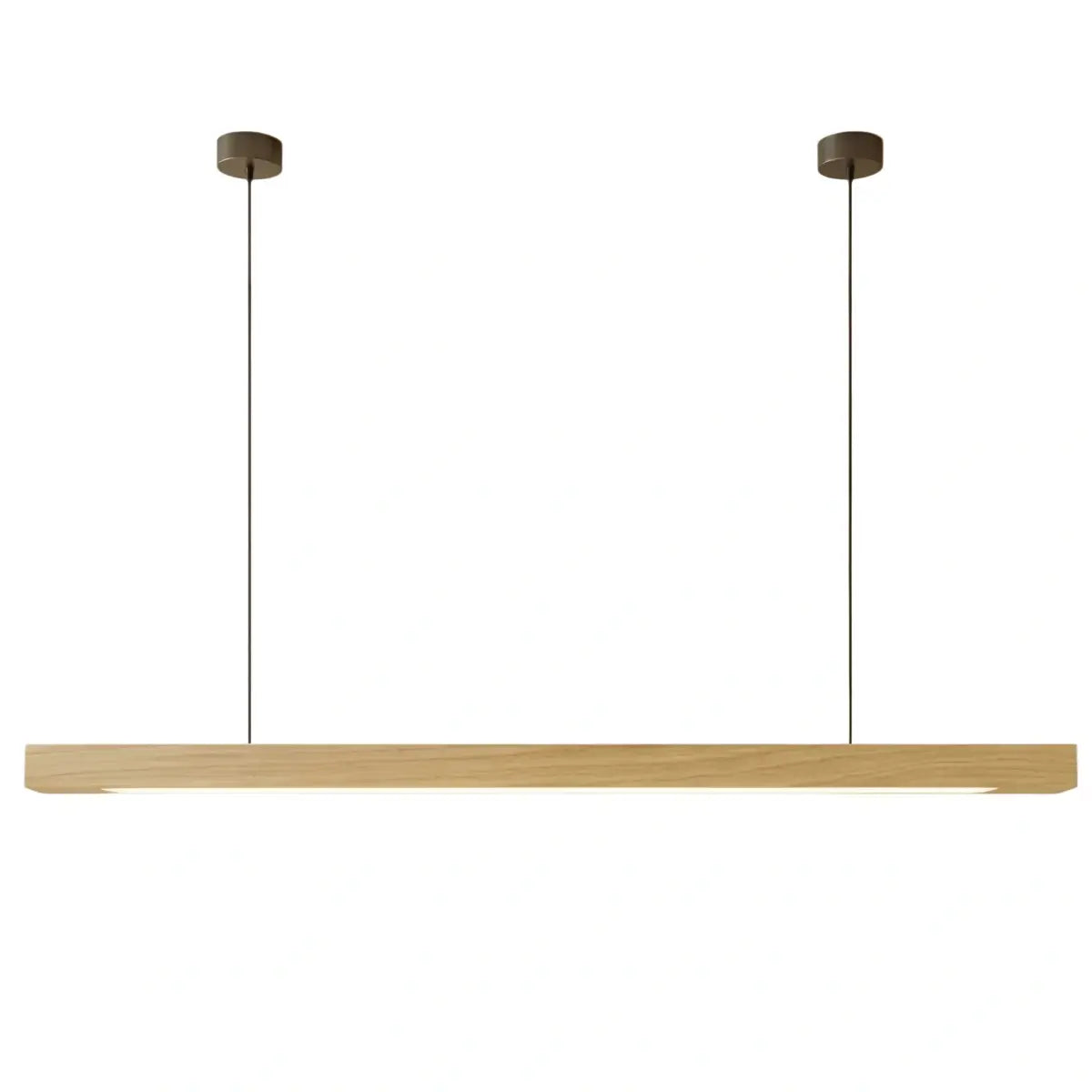
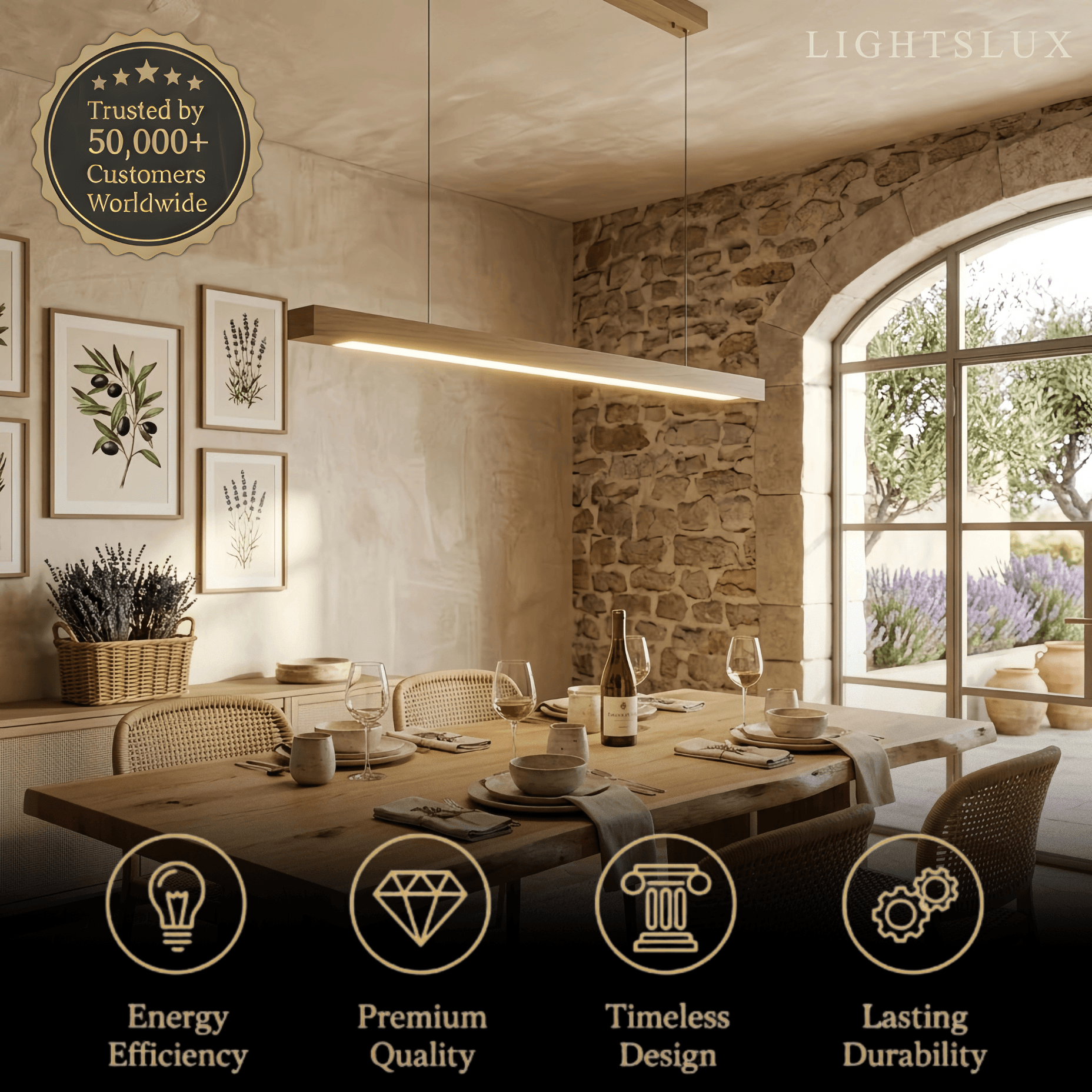
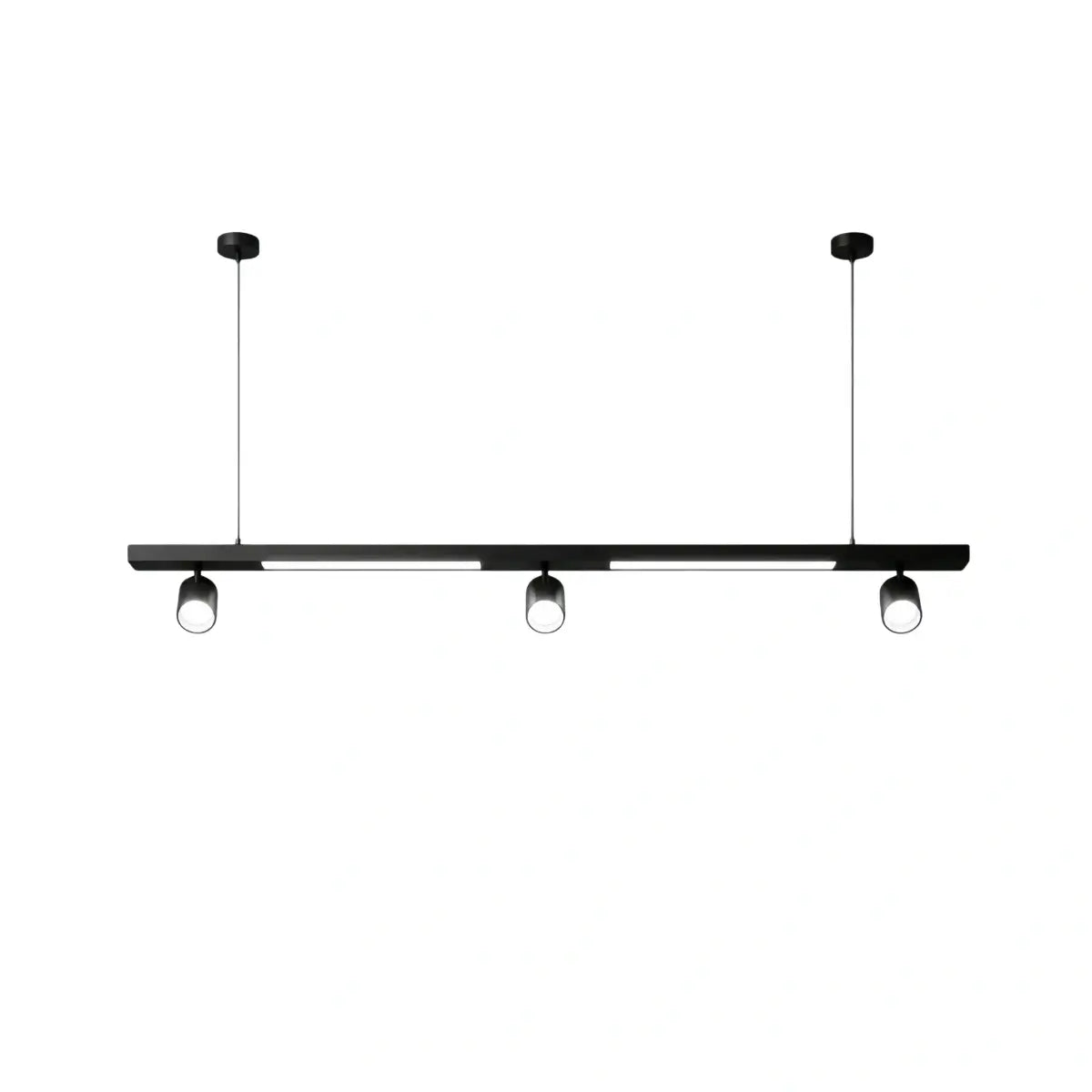
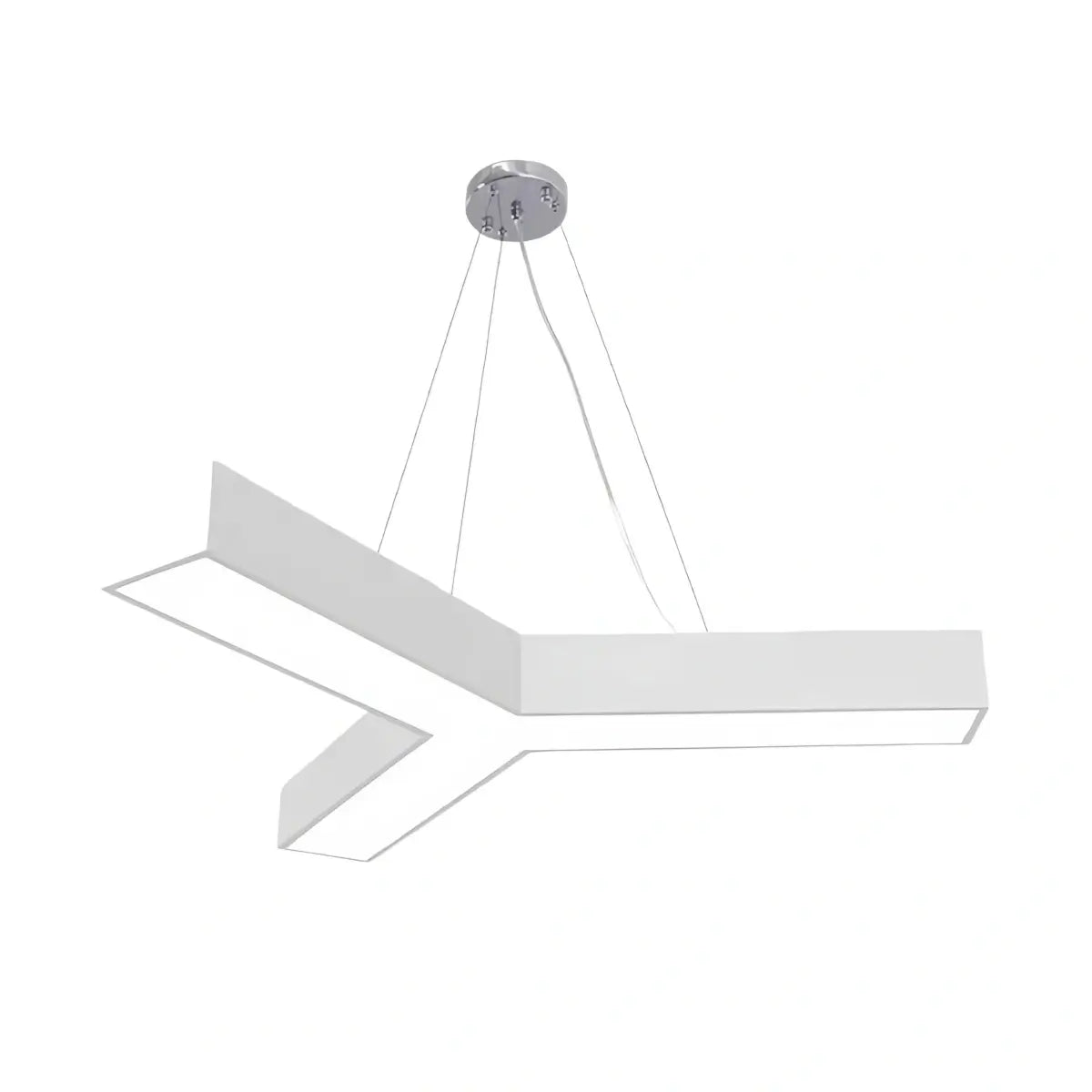
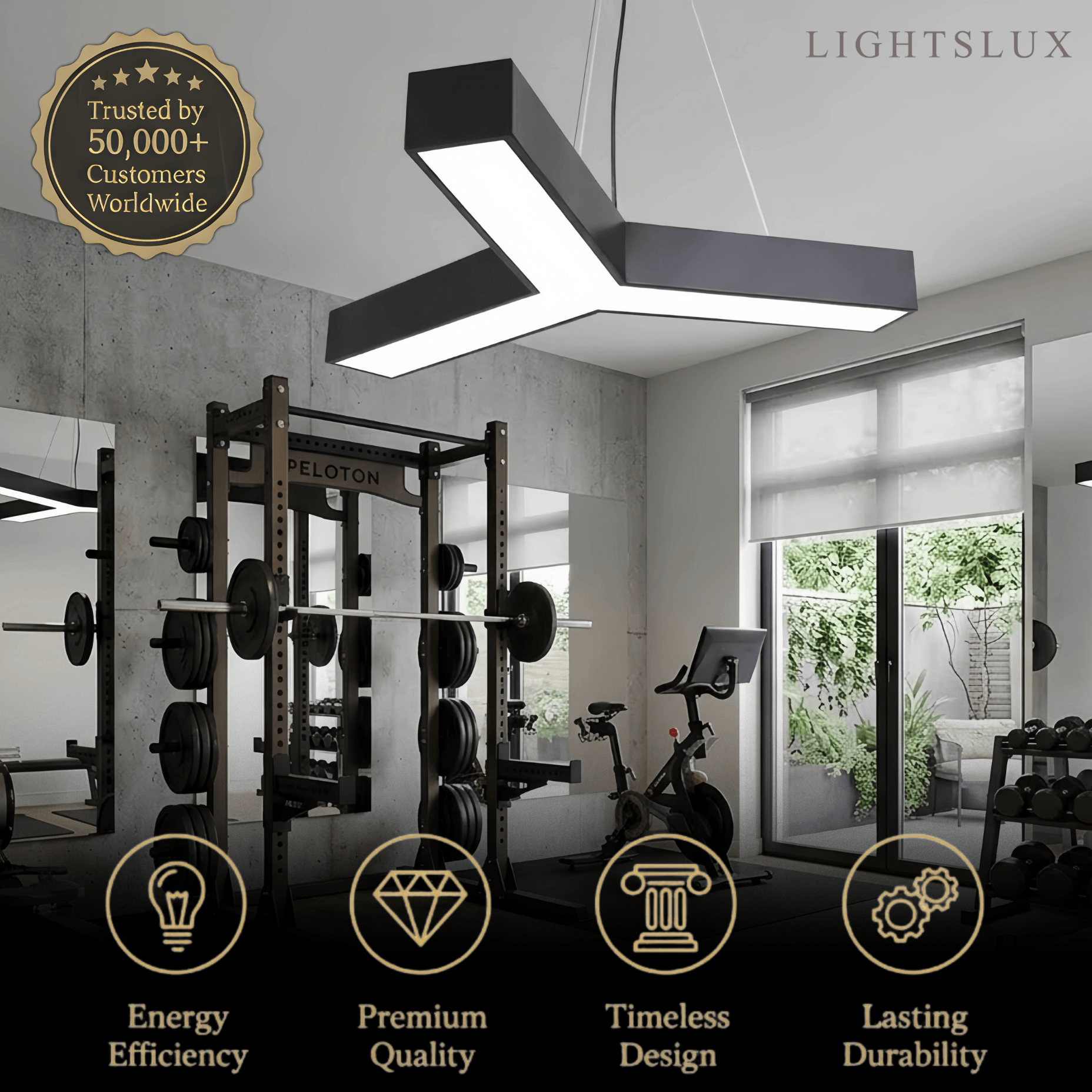
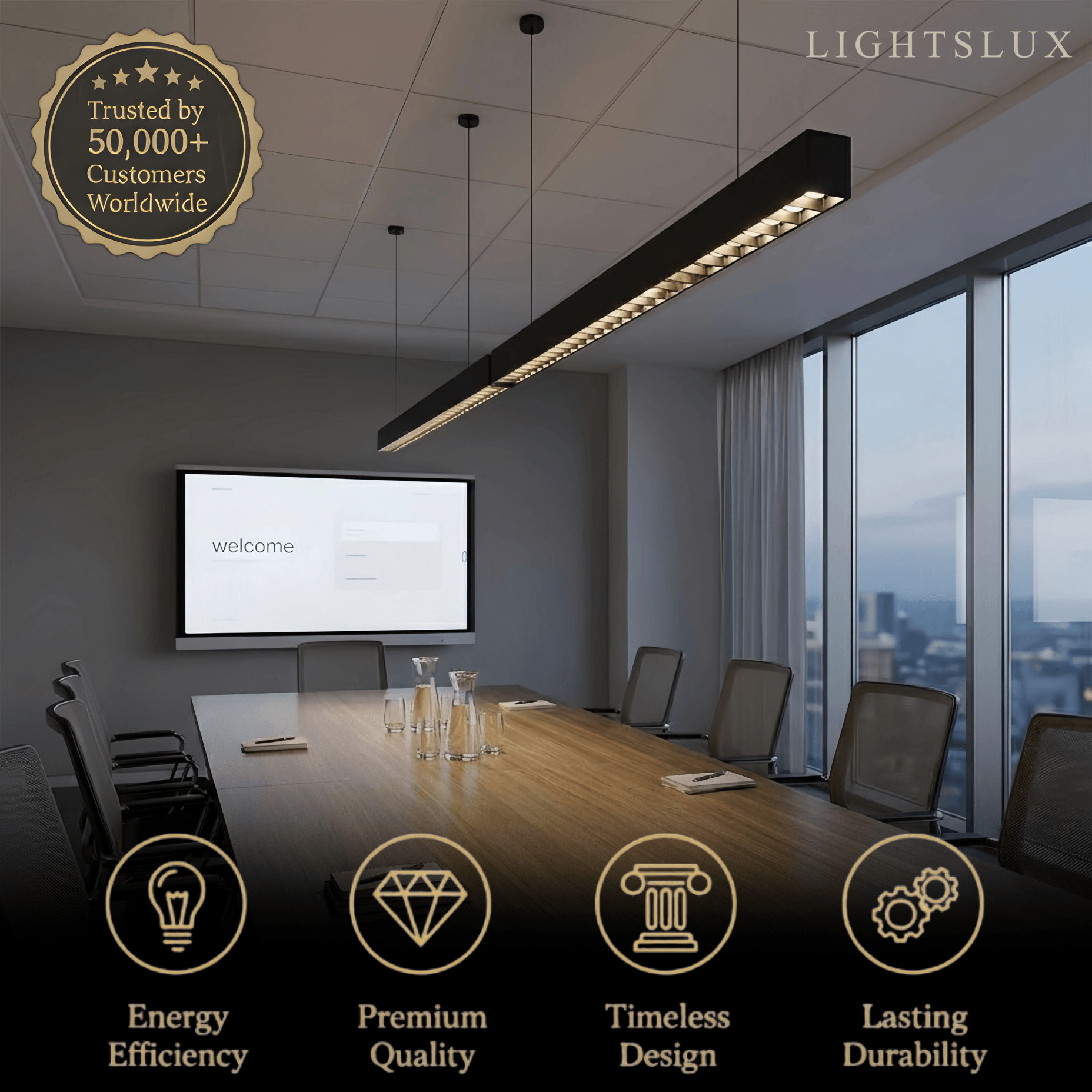
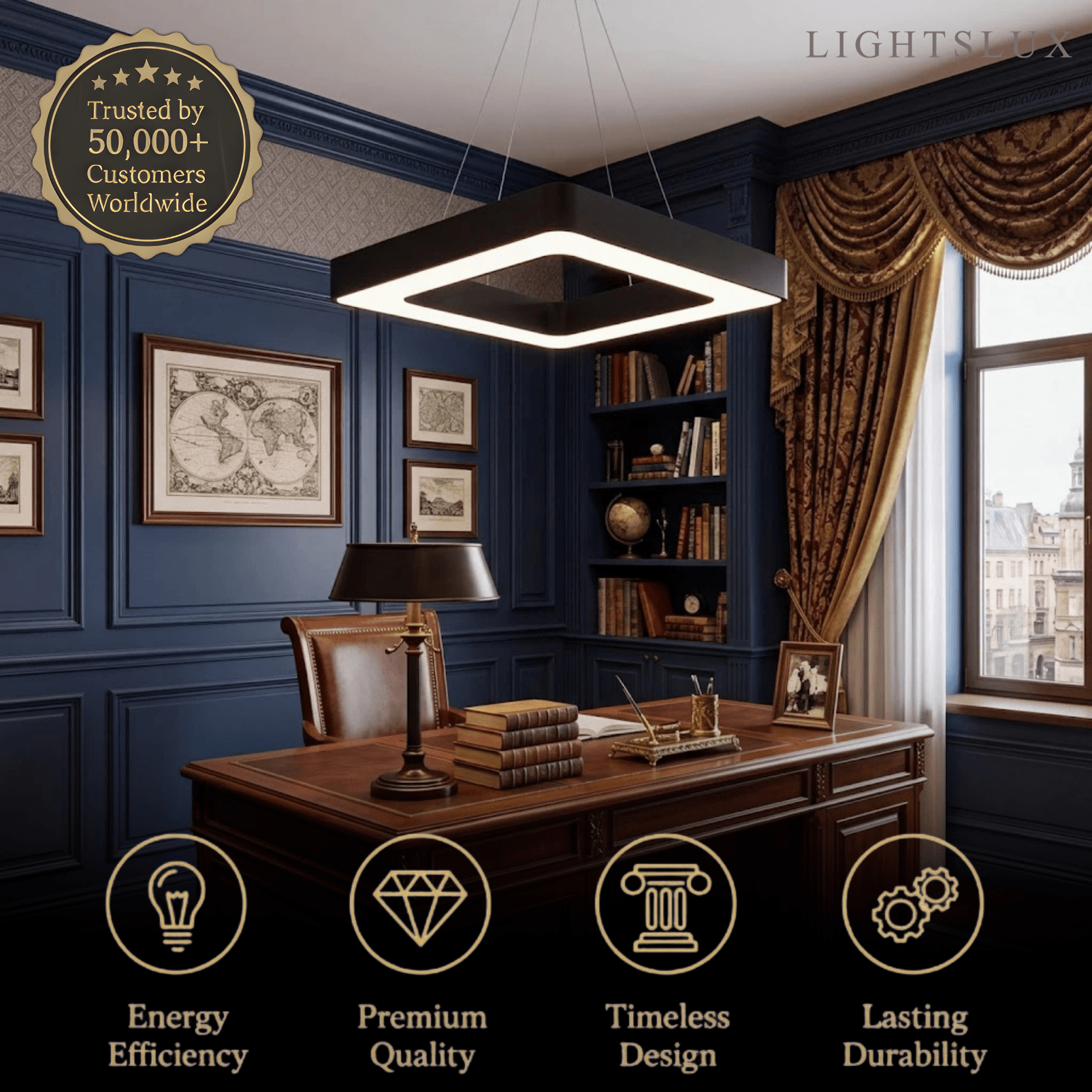
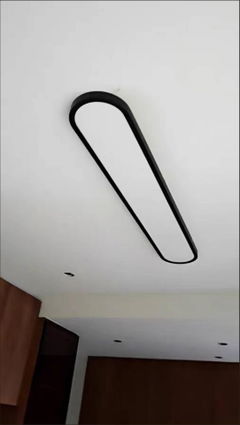
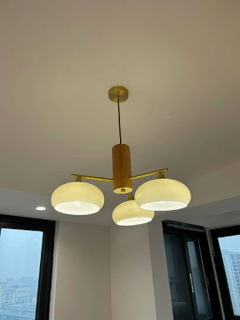
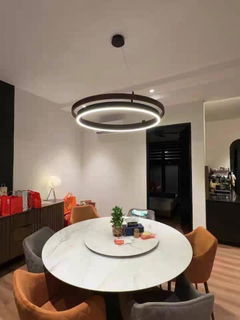
Office lighting plays a critical role in shaping productivity, comfort, and visual clarity in both commercial and home workspace environments. Poor lighting can lead to eye strain, fatigue, and reduced concentration, while a well-designed lighting system enhances alertness and workflow efficiency. Modern office lighting strategies focus on balancing natural daylight with artificial illumination, ensuring consistent brightness throughout the day. Task lighting such as desk lamps, combined with ambient ceiling lighting, helps reduce shadows and improve visual precision during work activities. Designers also emphasize selecting the right color temperature, typically cooler tones, to support focus and cognitive performance. For a deeper understanding of how lighting affects workplace efficiency and design strategies in office environments, you can read Commercial Lighting Design Tips: How to Light Restaurants, Cafés, and Offices.
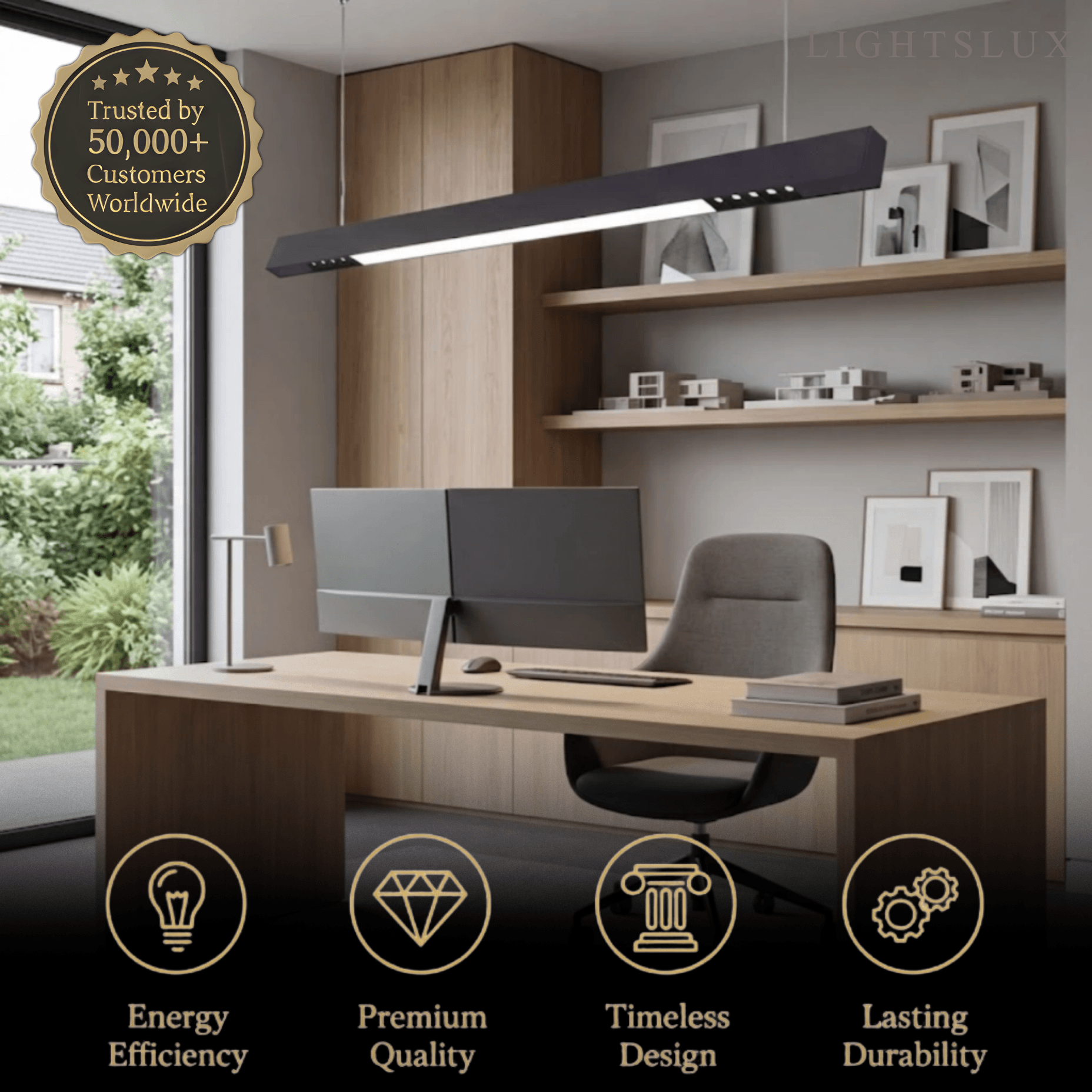
With the rise of remote work, home office lighting has become an essential part of interior design. A well-lit workspace helps improve concentration, reduce eye strain, and create a more professional working environment at home. The ideal setup typically combines a focused desk lamp for task lighting with soft ambient lighting to maintain visual balance in the room. Positioning the desk near natural light sources further enhances comfort and reduces reliance on artificial lighting during daytime hours. Adjustable lighting fixtures allow users to adapt brightness levels depending on workload and time of day. For practical insights into integrating lighting with home workspace design, you can explore Lighting Design Aesthetics: How to Balance Function and Style.
Layered lighting is a key principle in modern office design, combining ambient, task, and accent lighting to create a balanced and adaptable workspace. Ambient lighting provides overall illumination, while task lighting focuses on specific work areas such as desks or meeting tables. Accent lighting can be used to highlight architectural features or create a more visually engaging environment. This layered approach ensures flexibility, allowing office lighting to adapt to different activities such as focused work, collaboration, or presentations. Proper light distribution also reduces glare and enhances visual comfort throughout the day. For a deeper explanation of layered lighting principles and their applications across interior spaces, you can read 10 LightsLux Lighting Fixtures to Transform Every Room in Your Home.
Office lighting should be considered part of a broader interior lighting strategy that connects functionality with aesthetics. Whether in a commercial office or a home workspace, consistent lighting design helps create a unified and professional atmosphere. Using energy-efficient LED fixtures, maintaining consistent color temperatures, and integrating smart lighting controls all contribute to improved usability and sustainability. In open-plan environments, office lighting often interacts with adjacent living or commercial zones, making coordination across spaces essential. This holistic approach ensures both visual harmony and practical performance across different environments. For broader insights into how lighting design supports overall interior functionality, you can read Lighting For Living Room Made Easy With Simple Tricks.