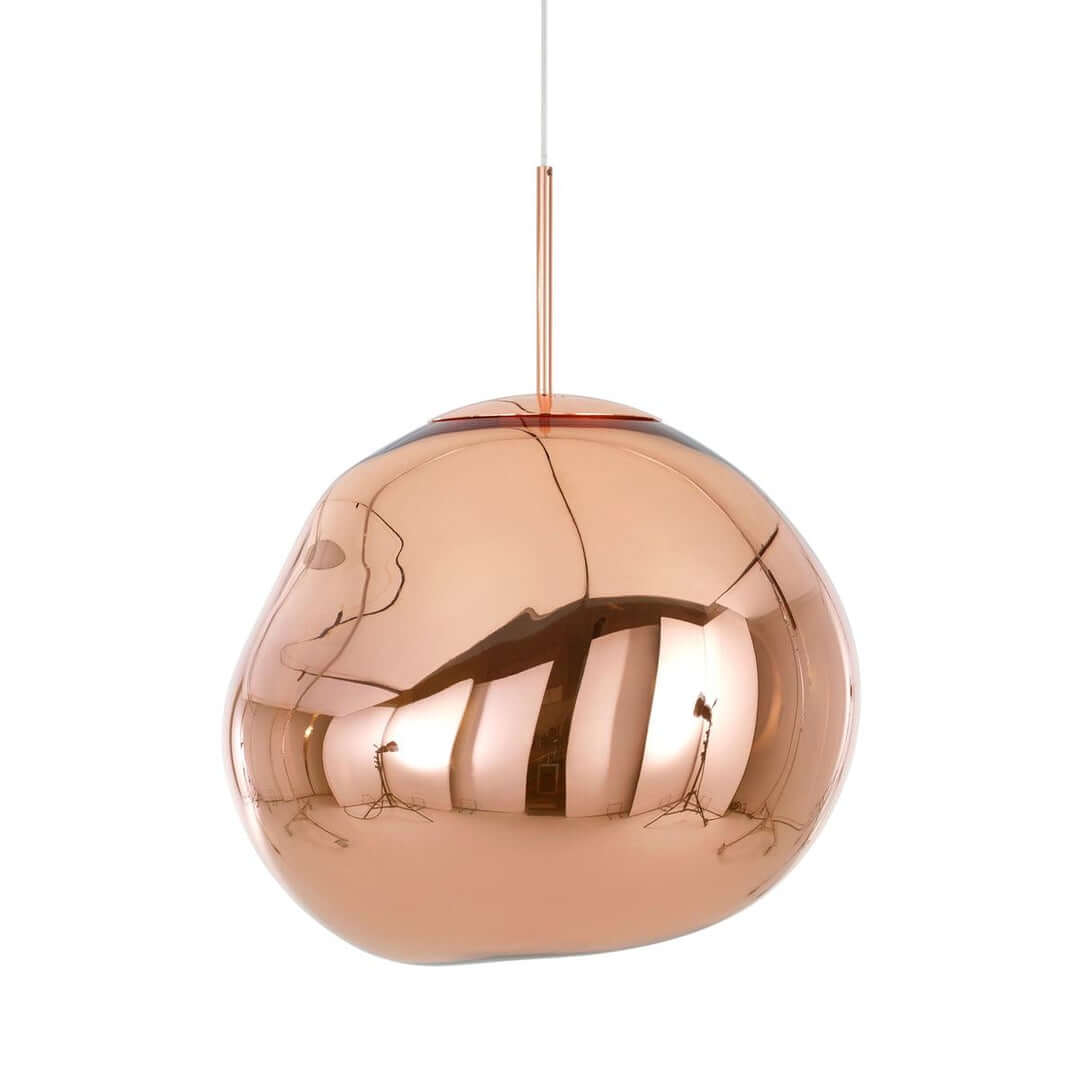
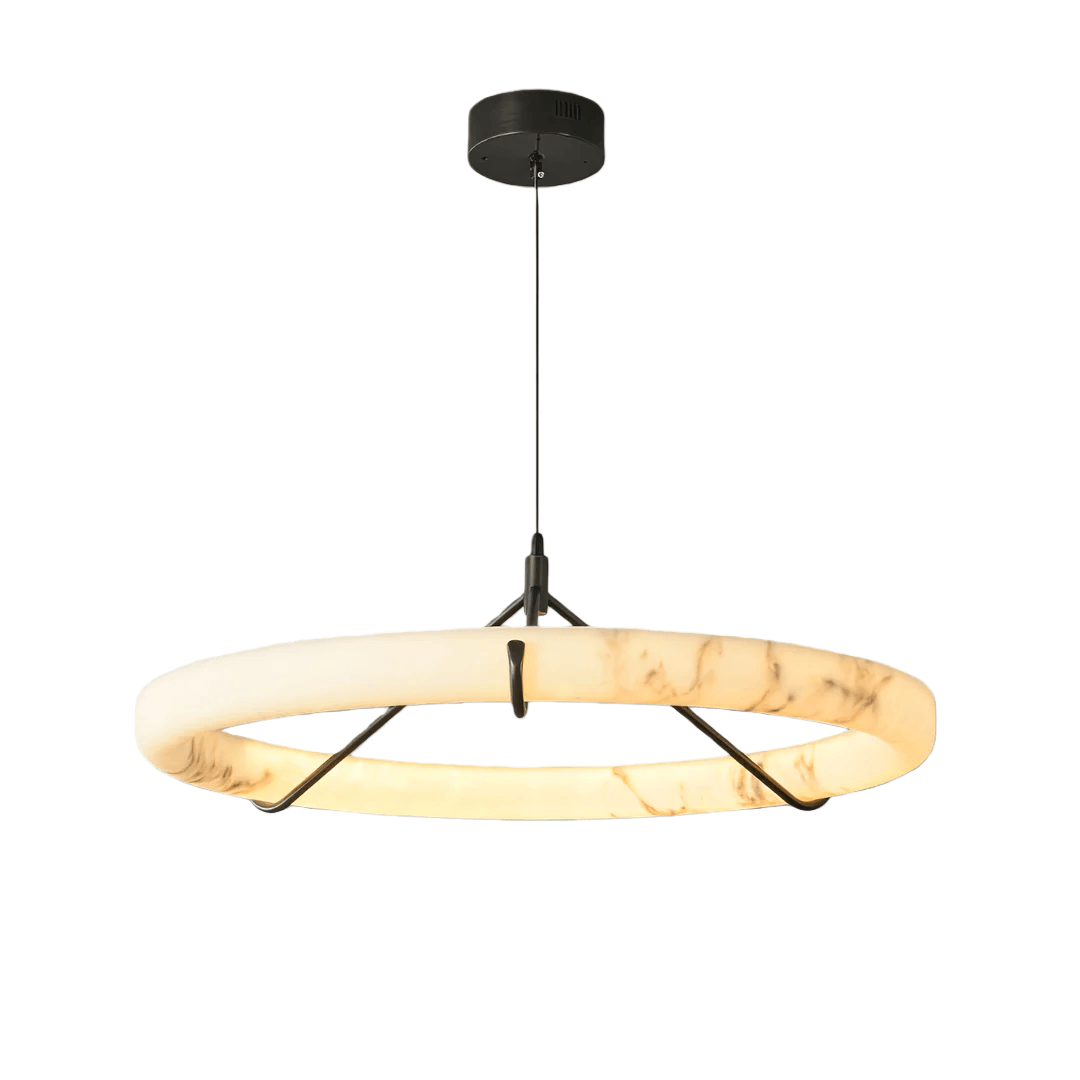
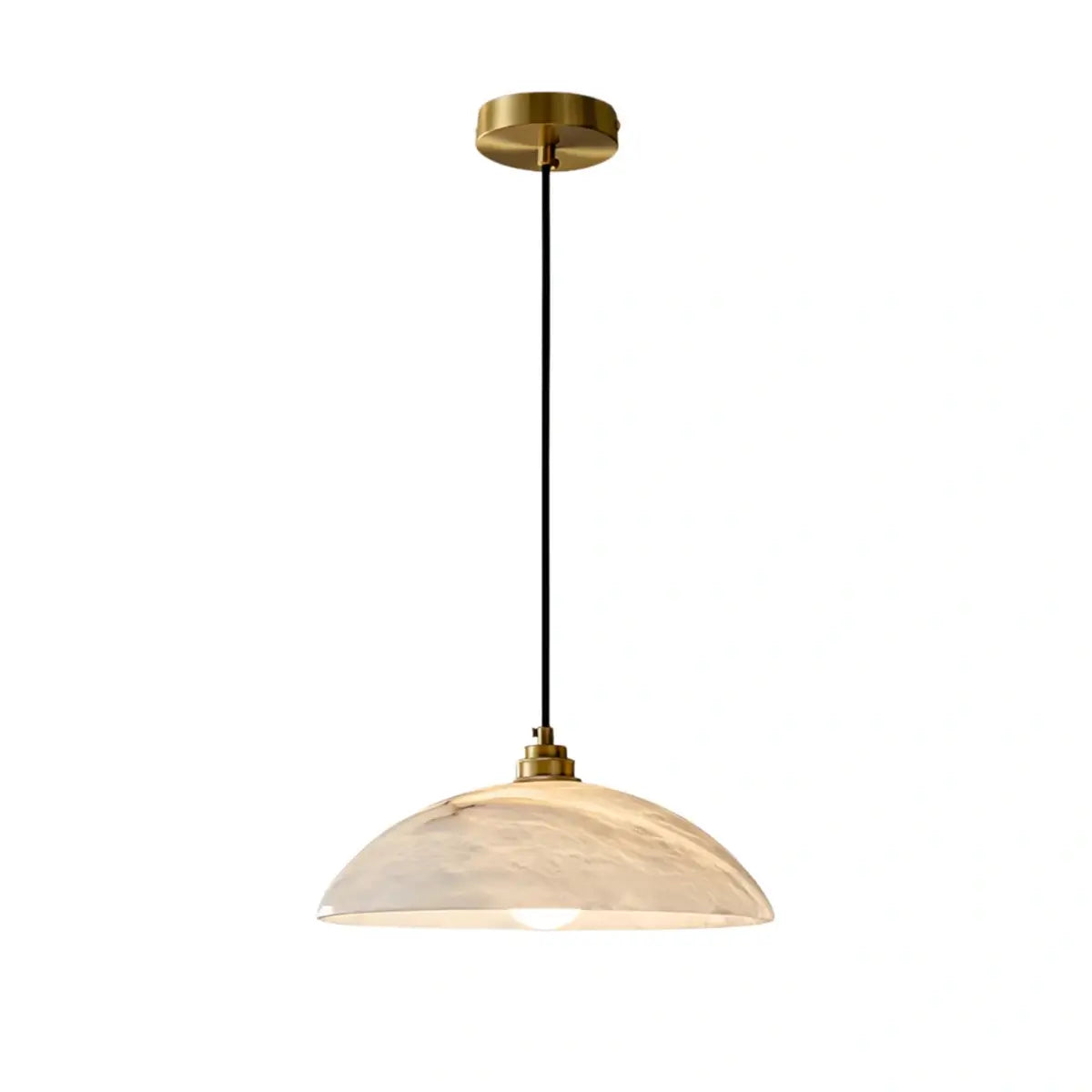
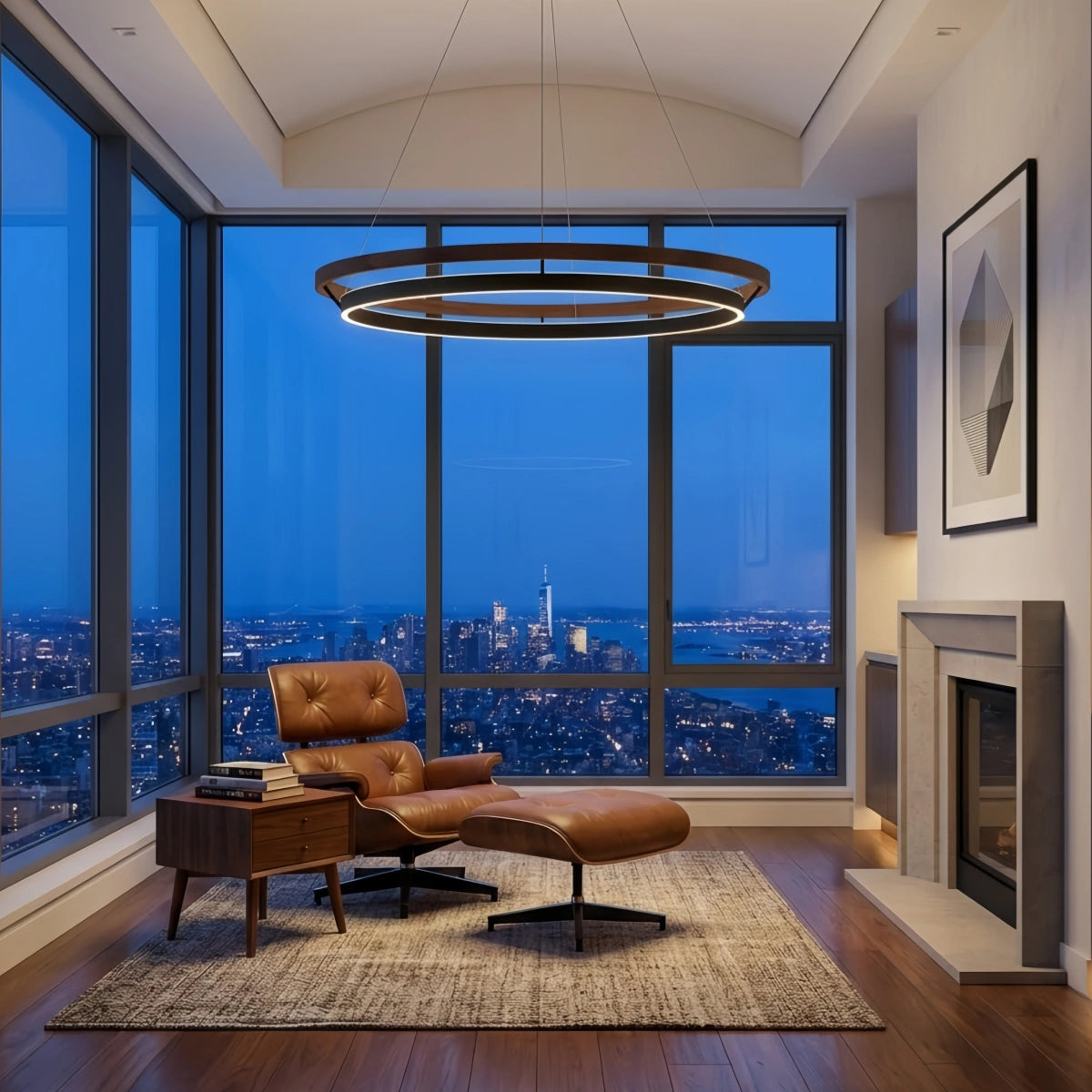
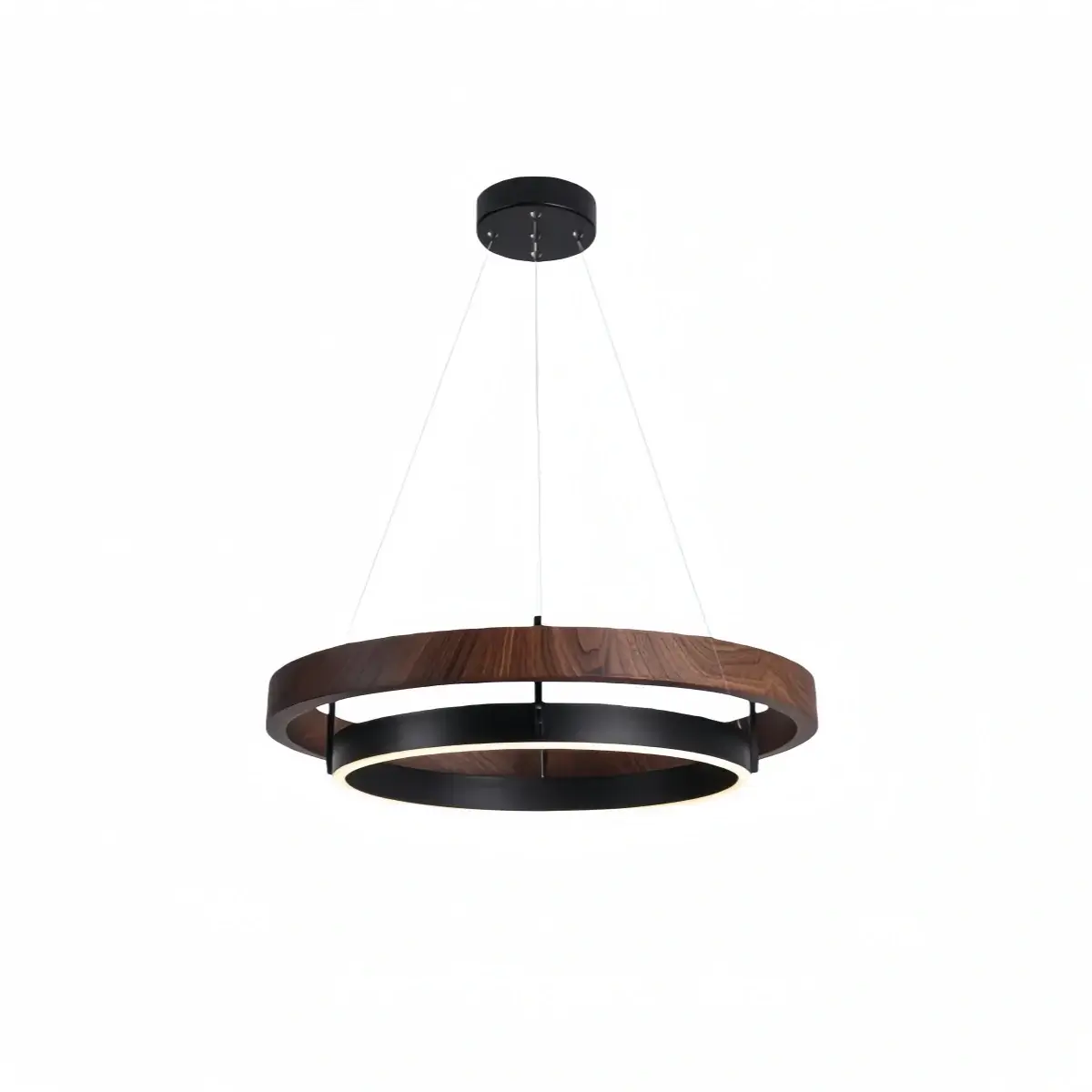
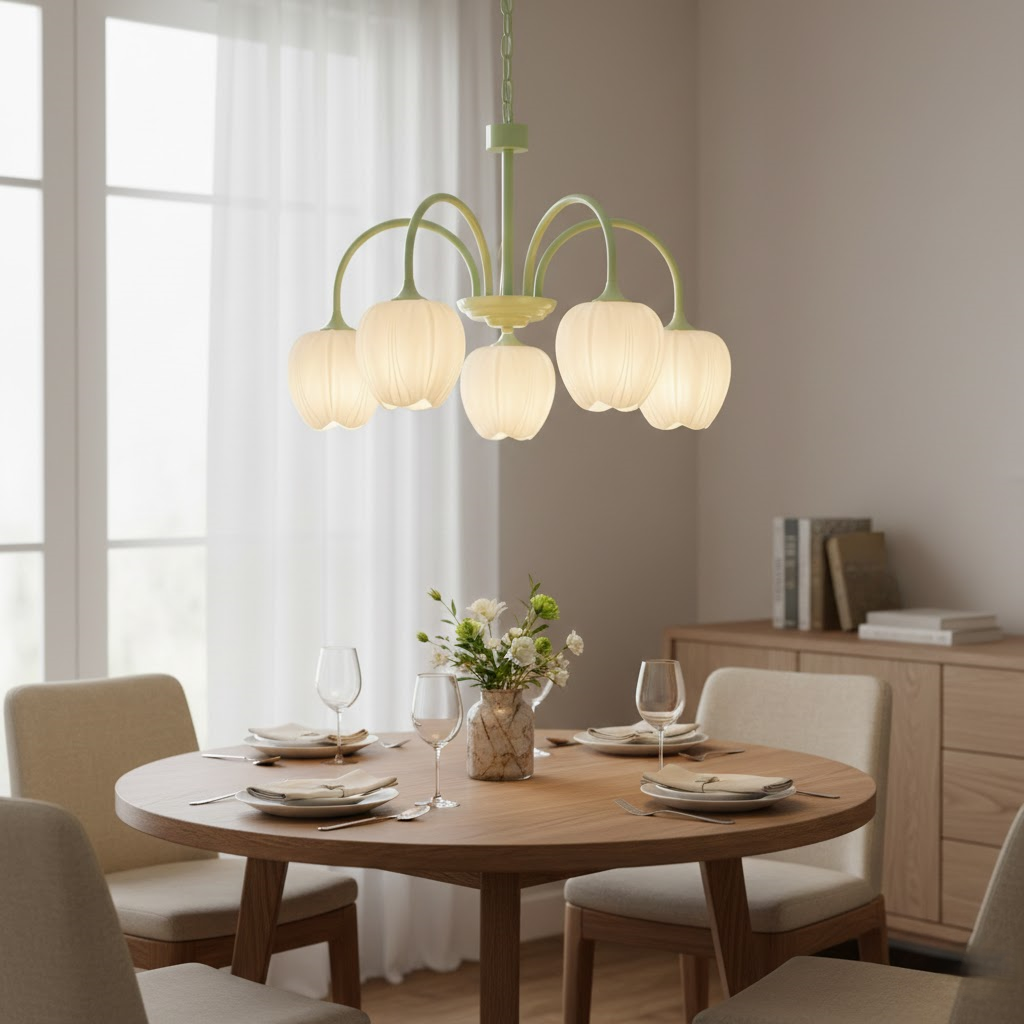
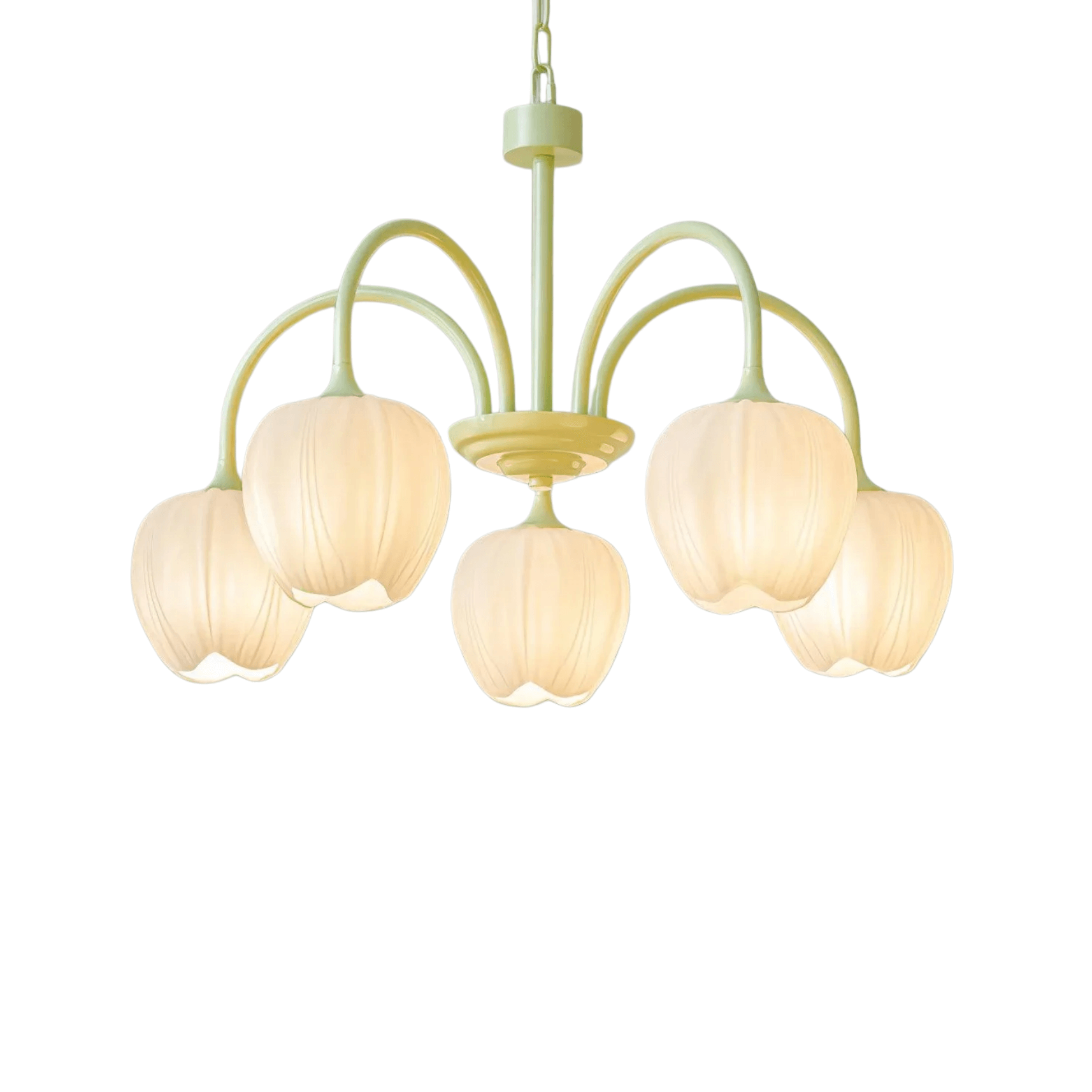
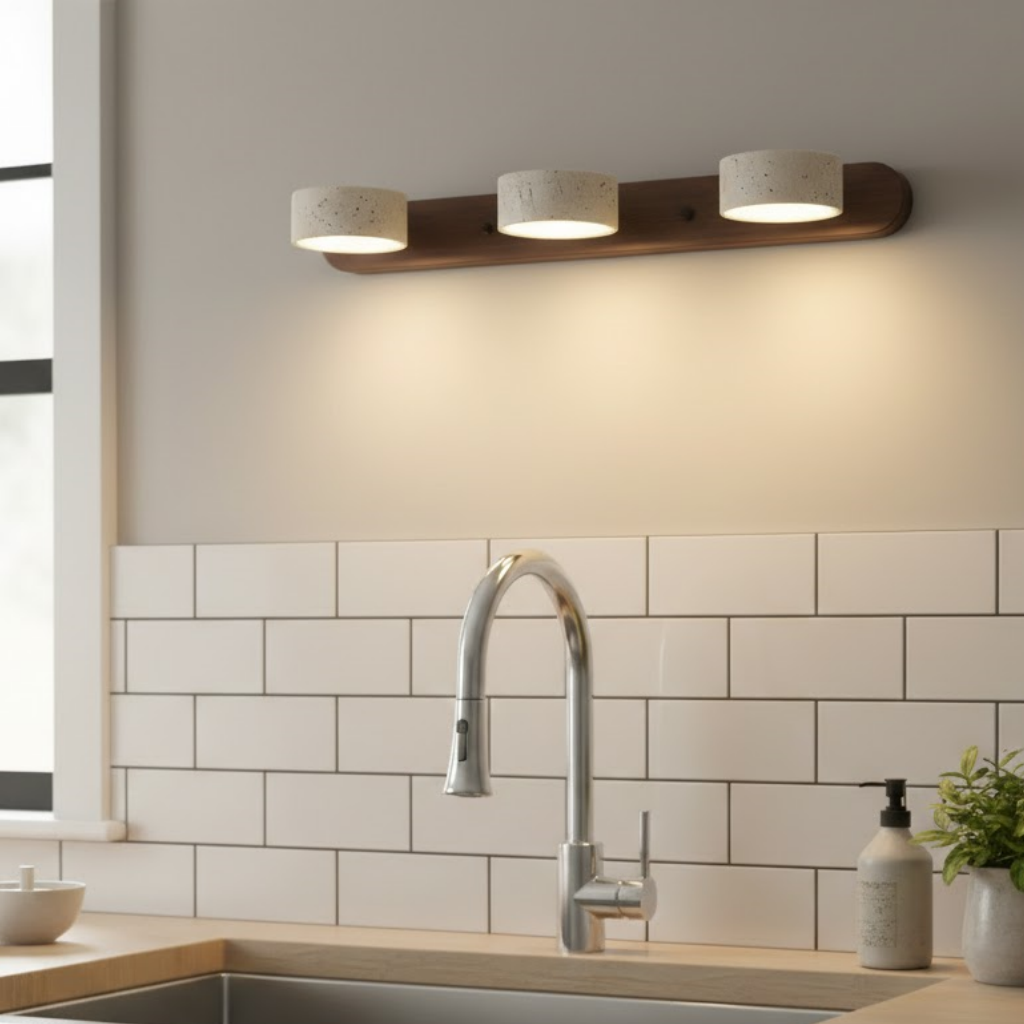
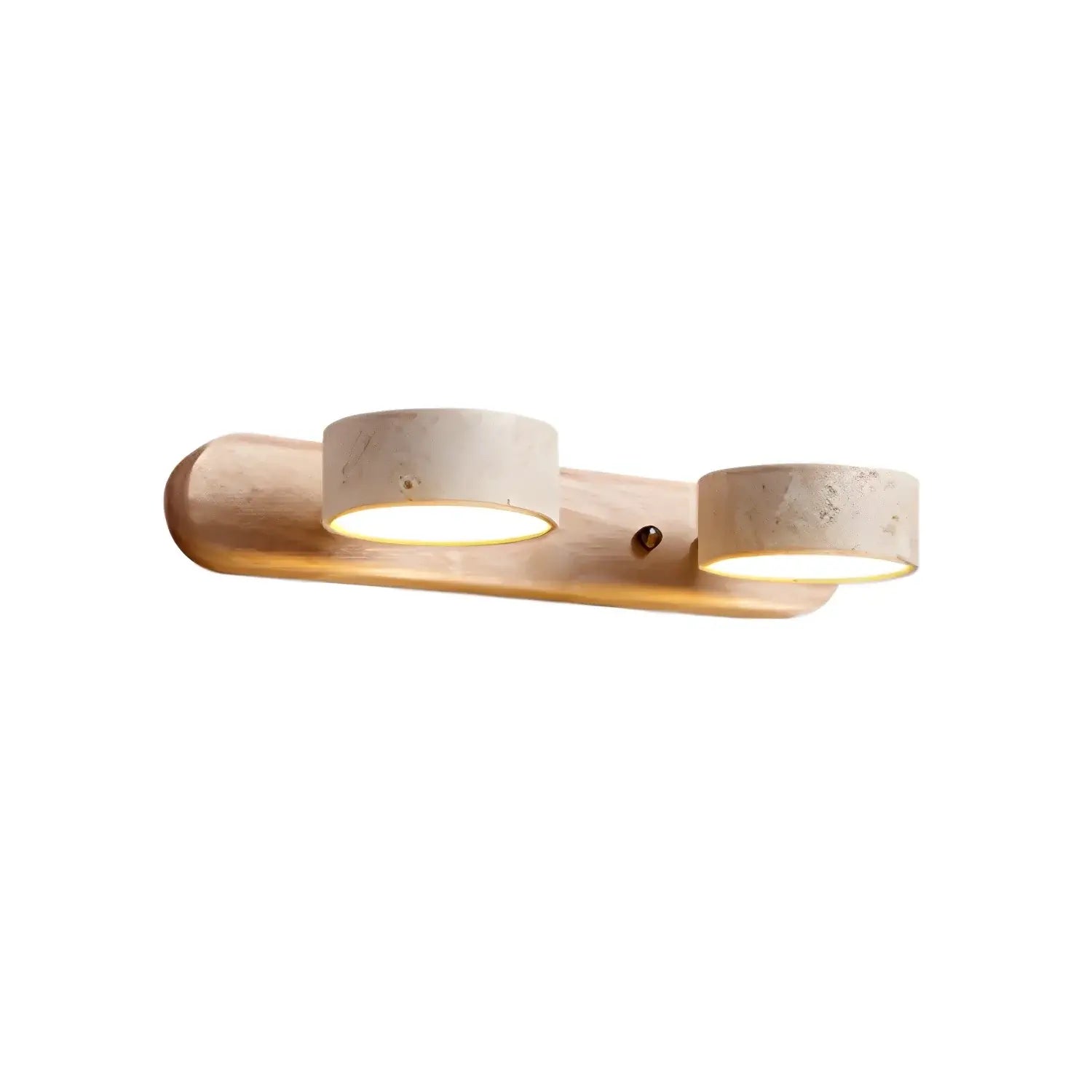
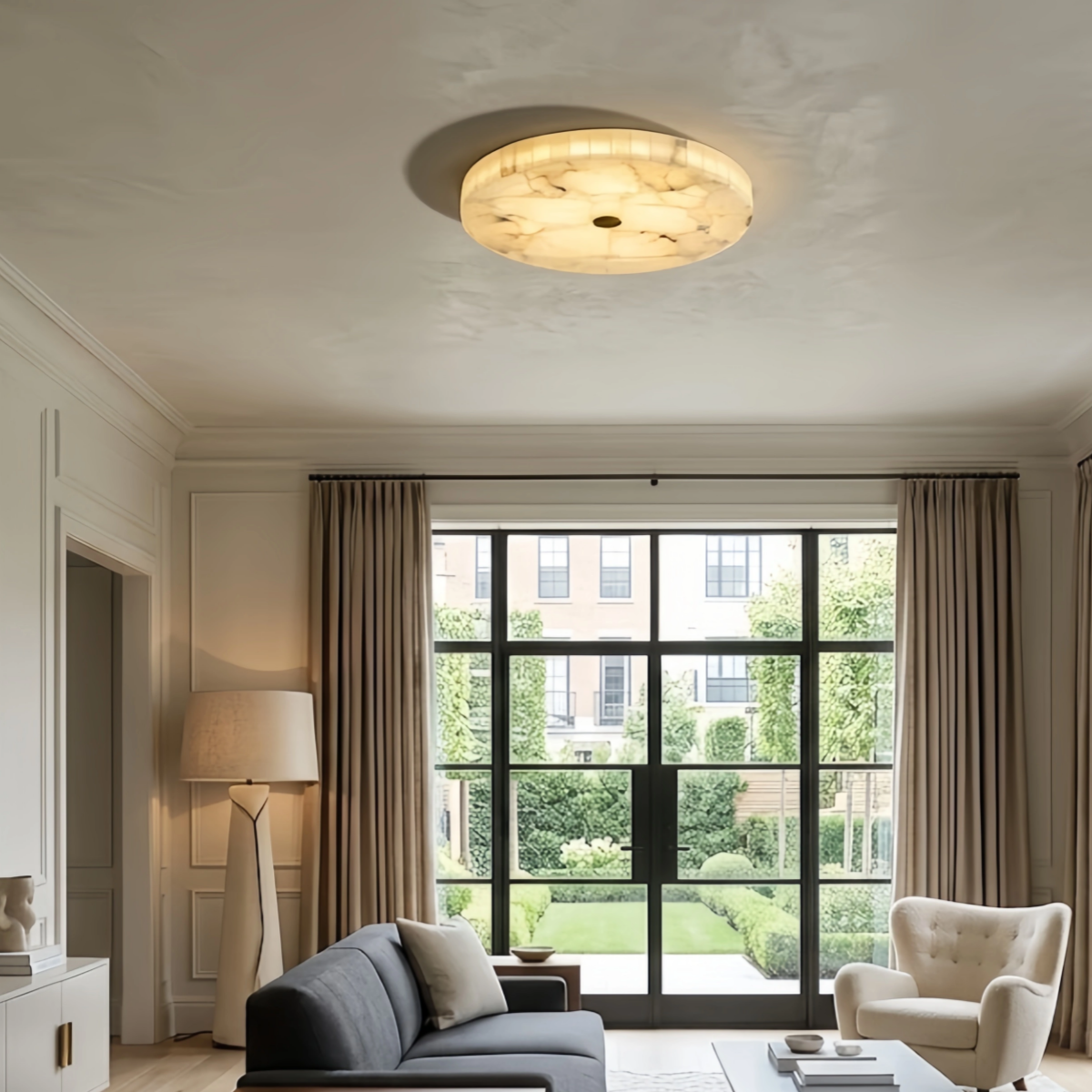
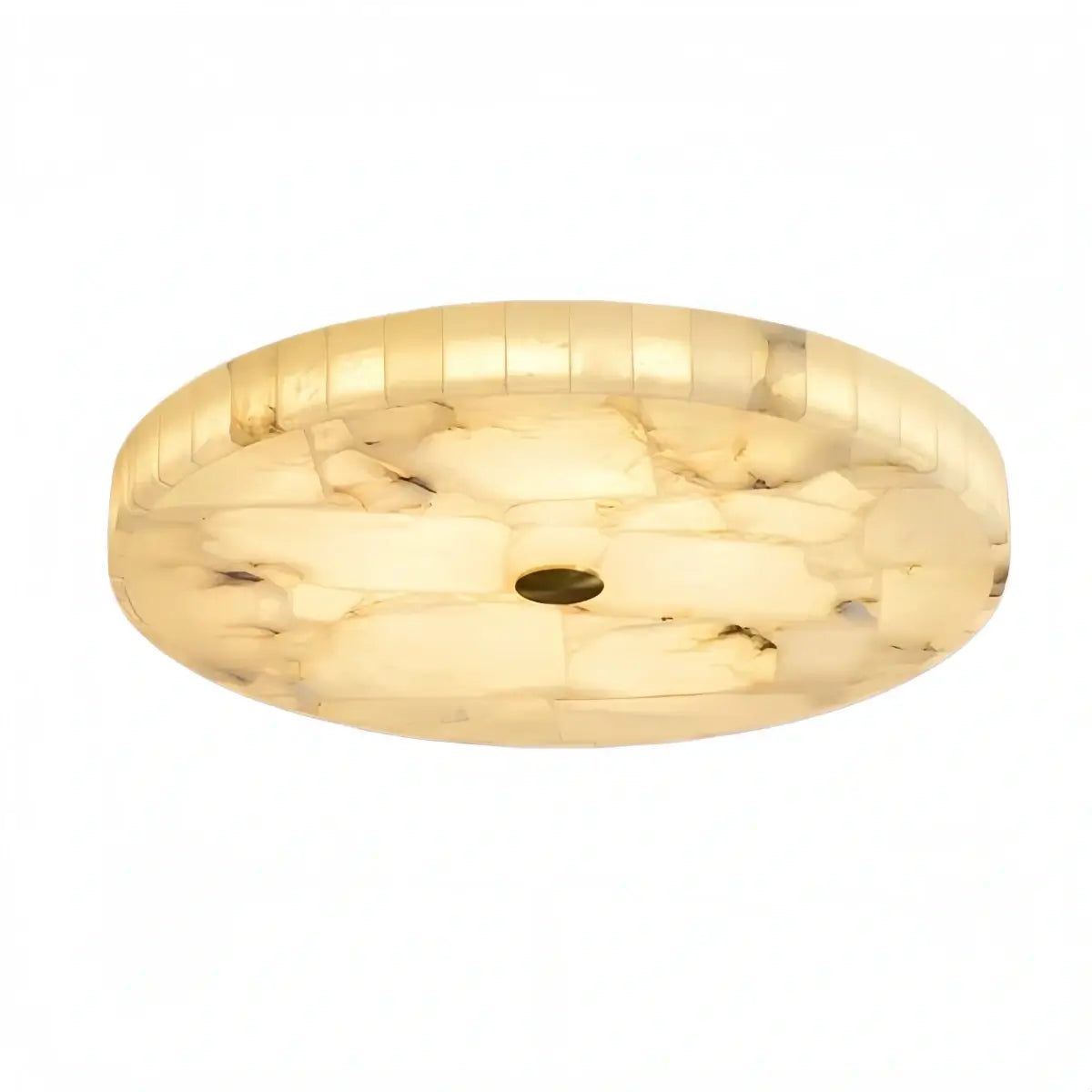
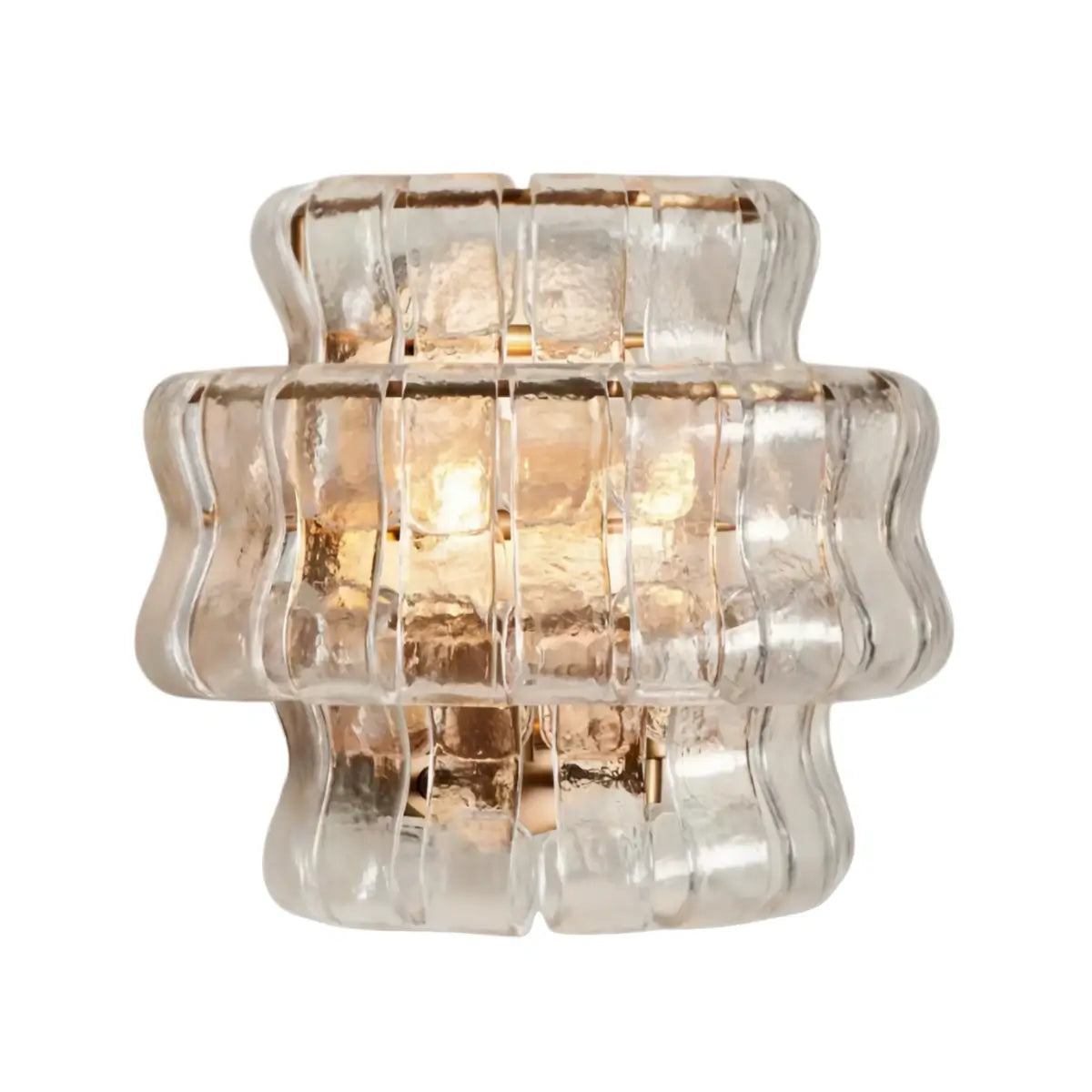
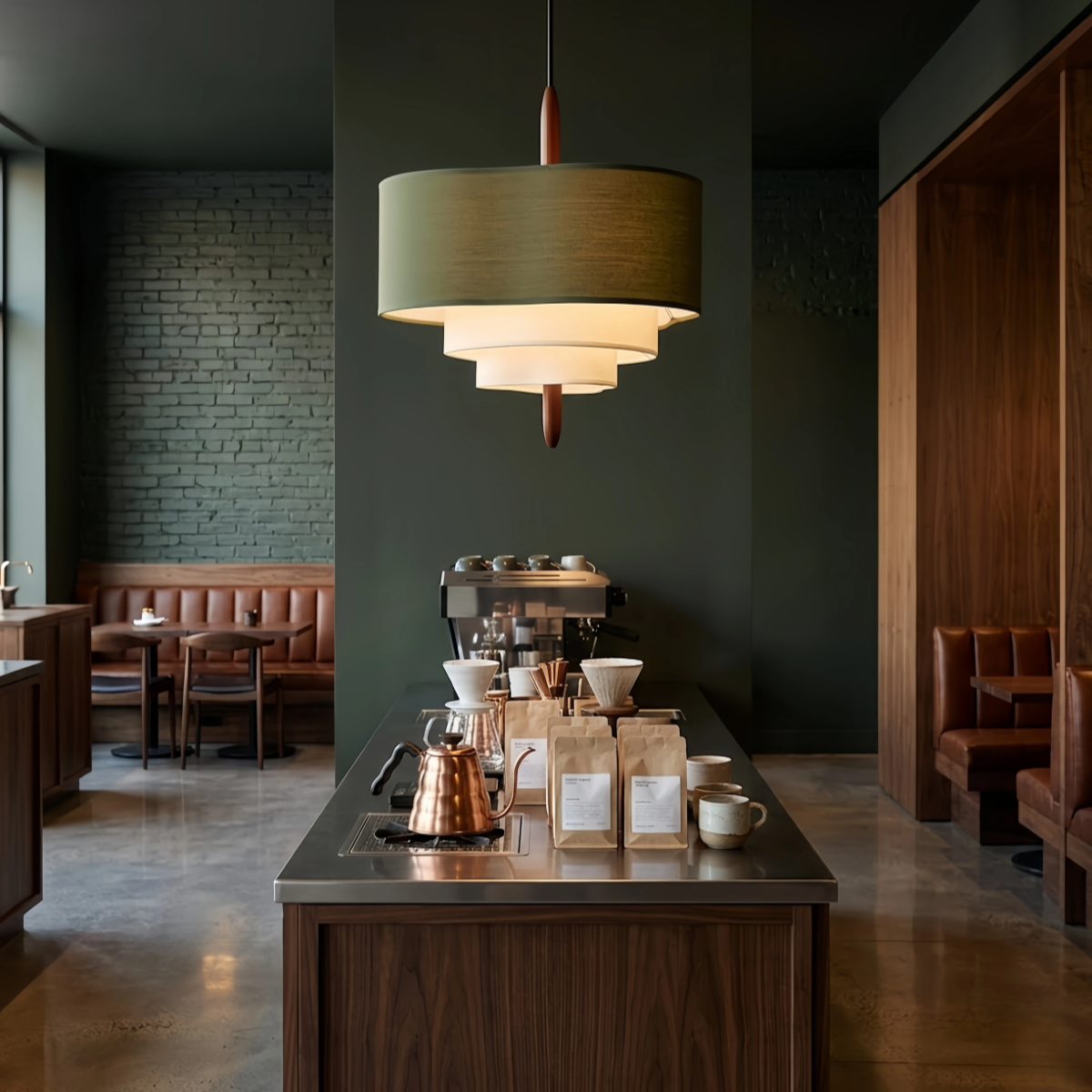
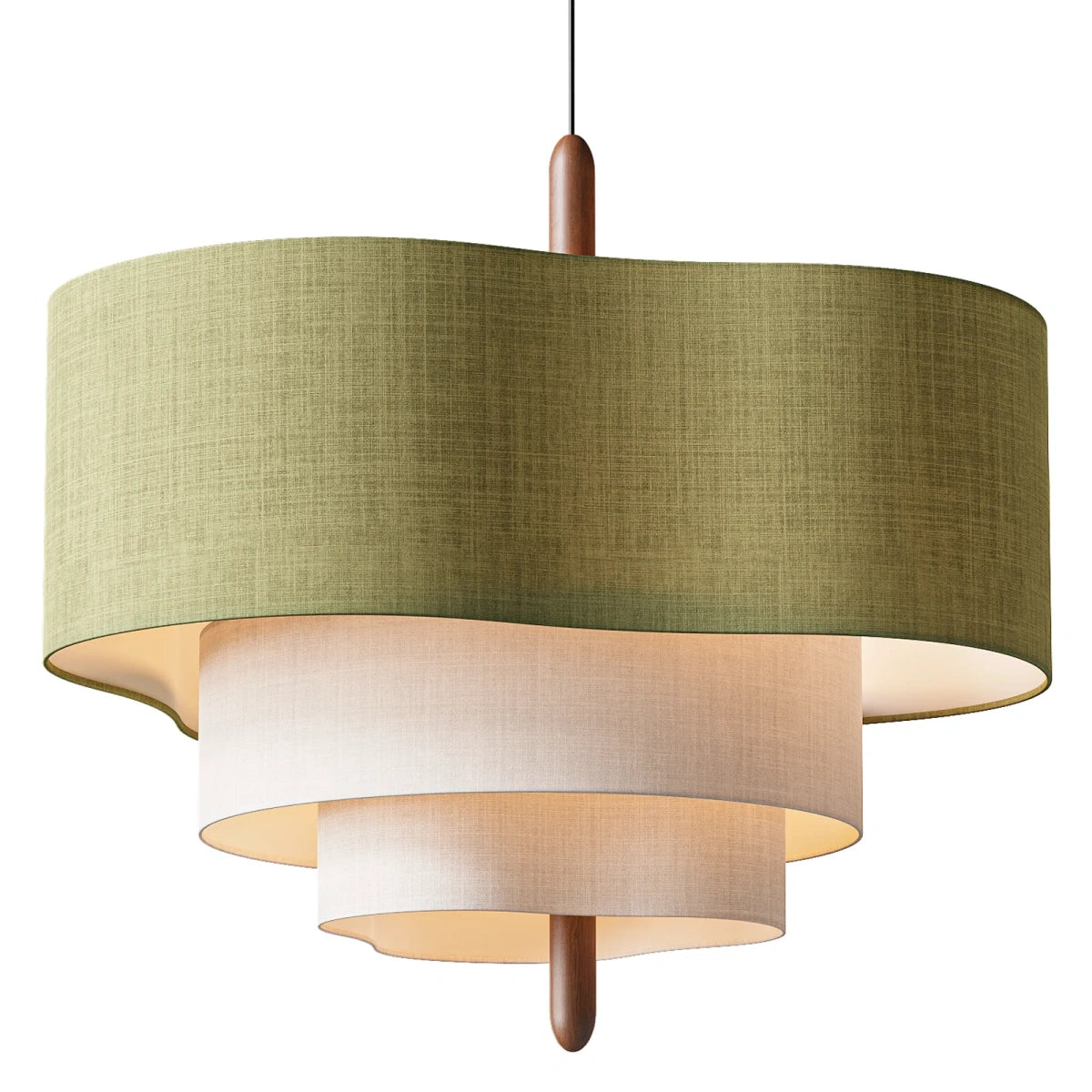
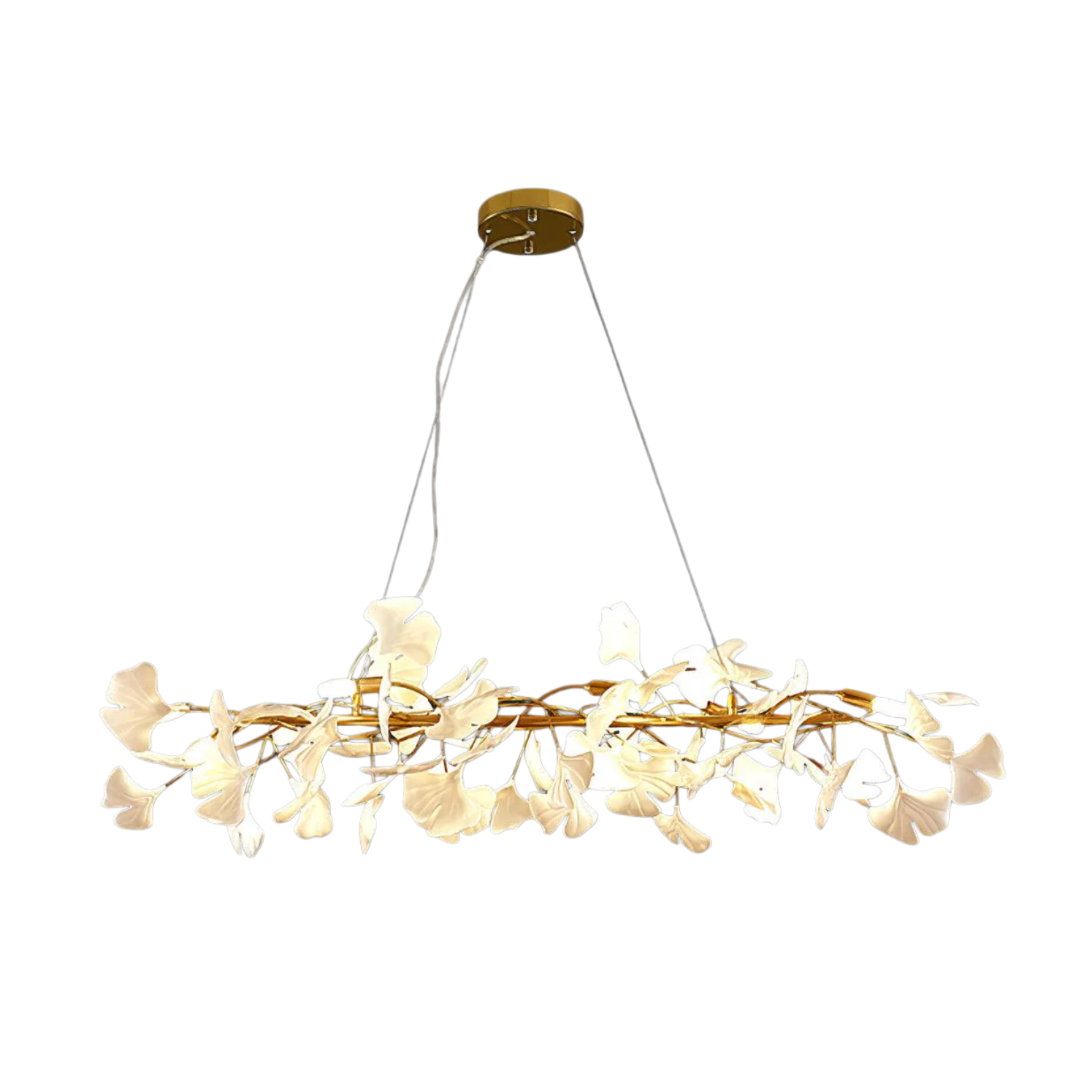
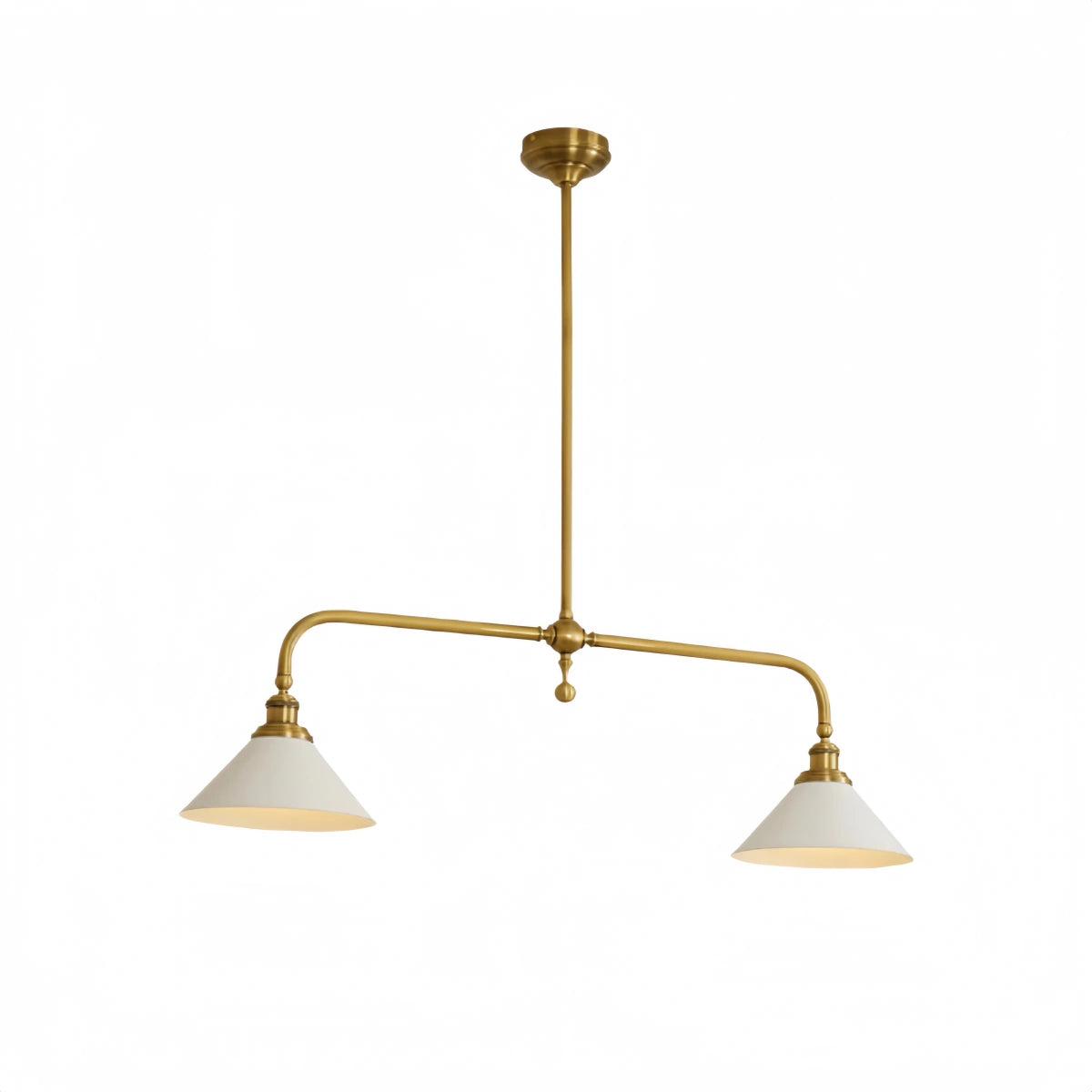
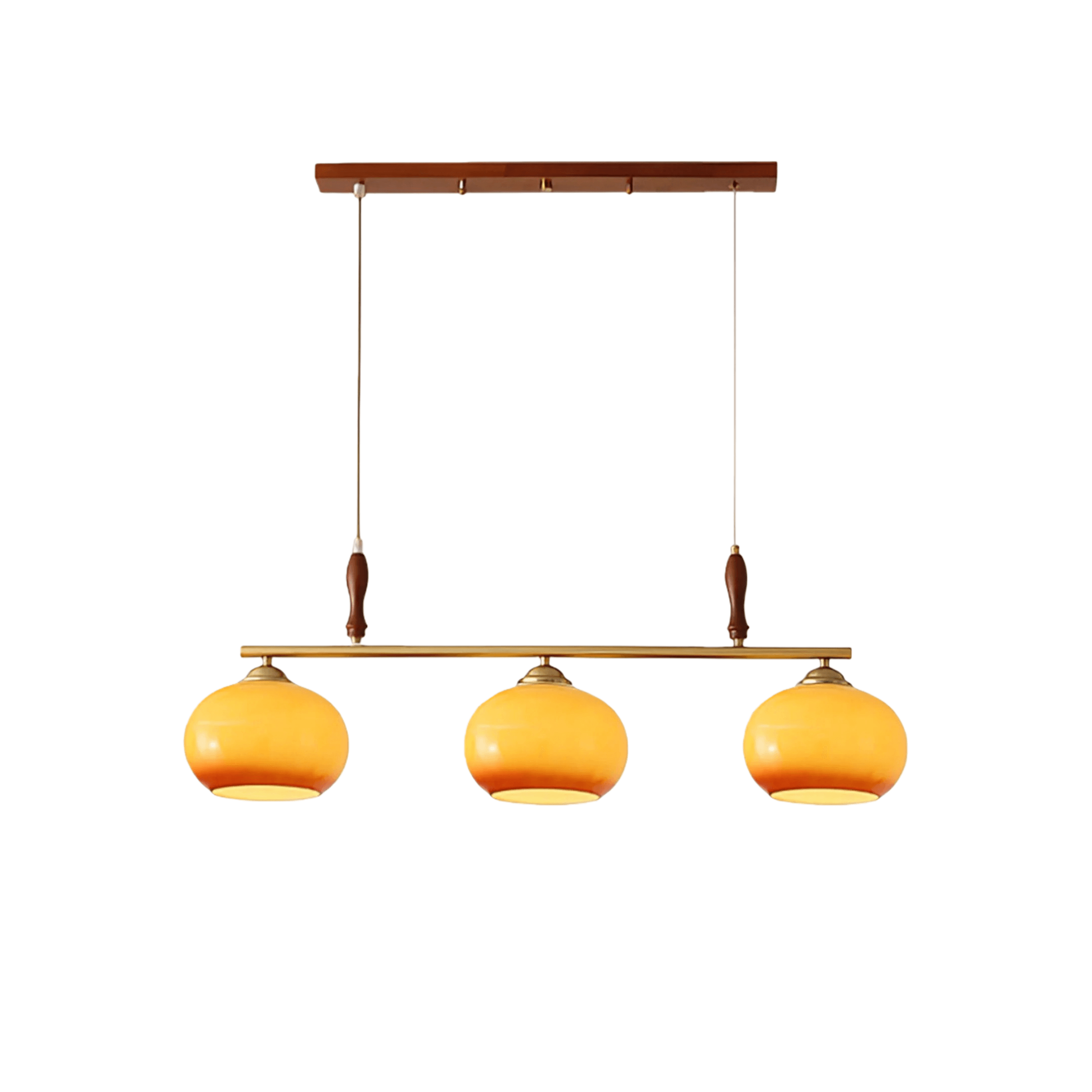
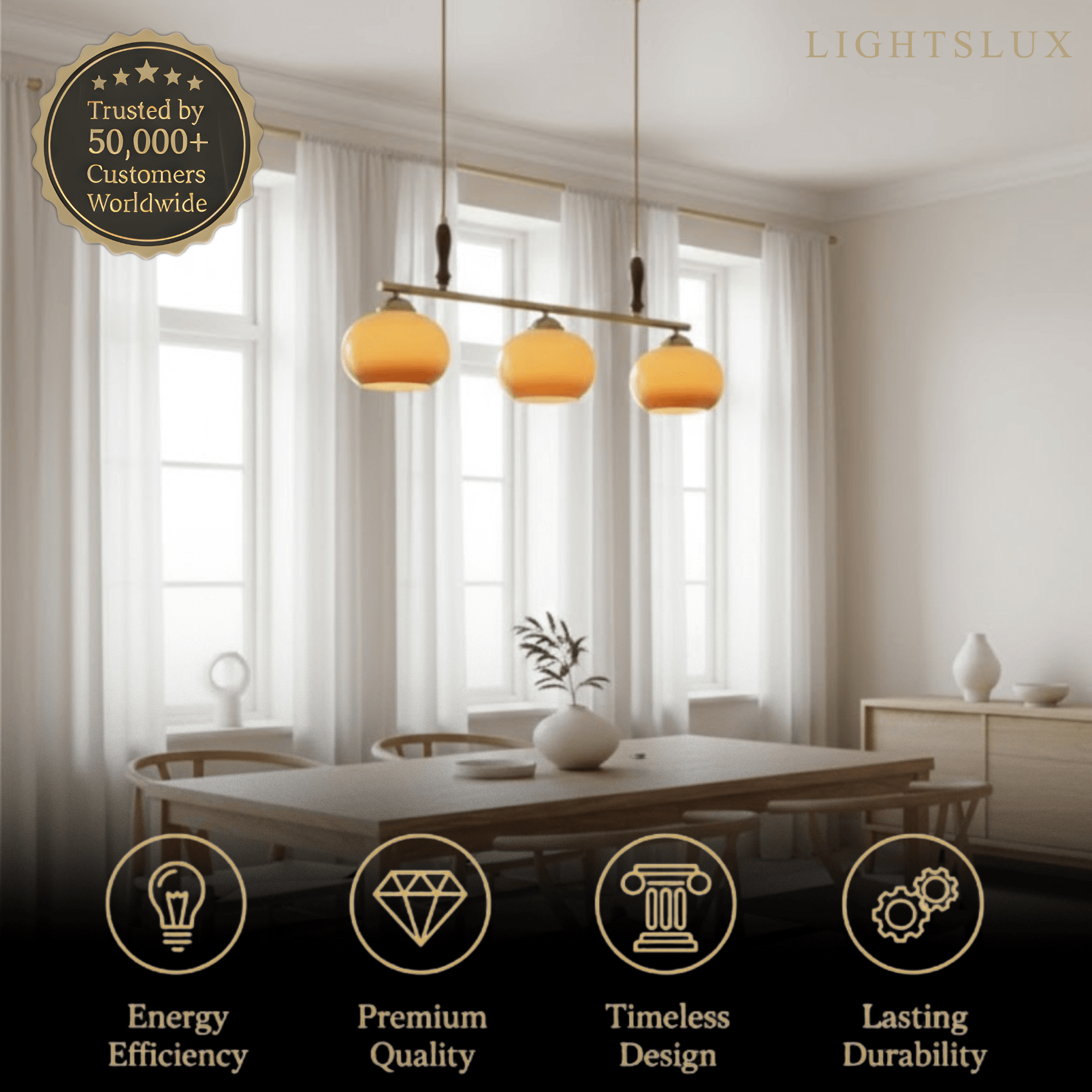
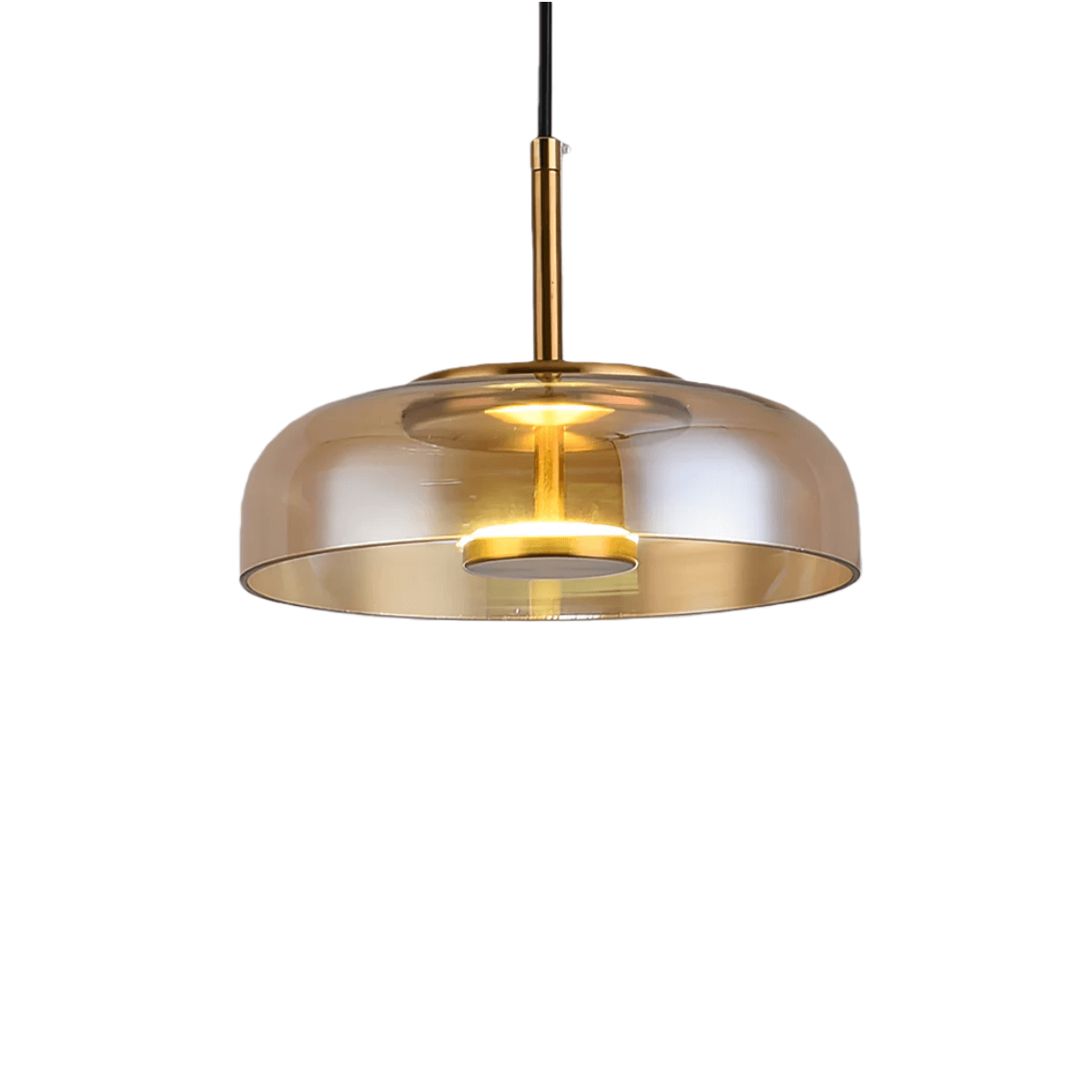
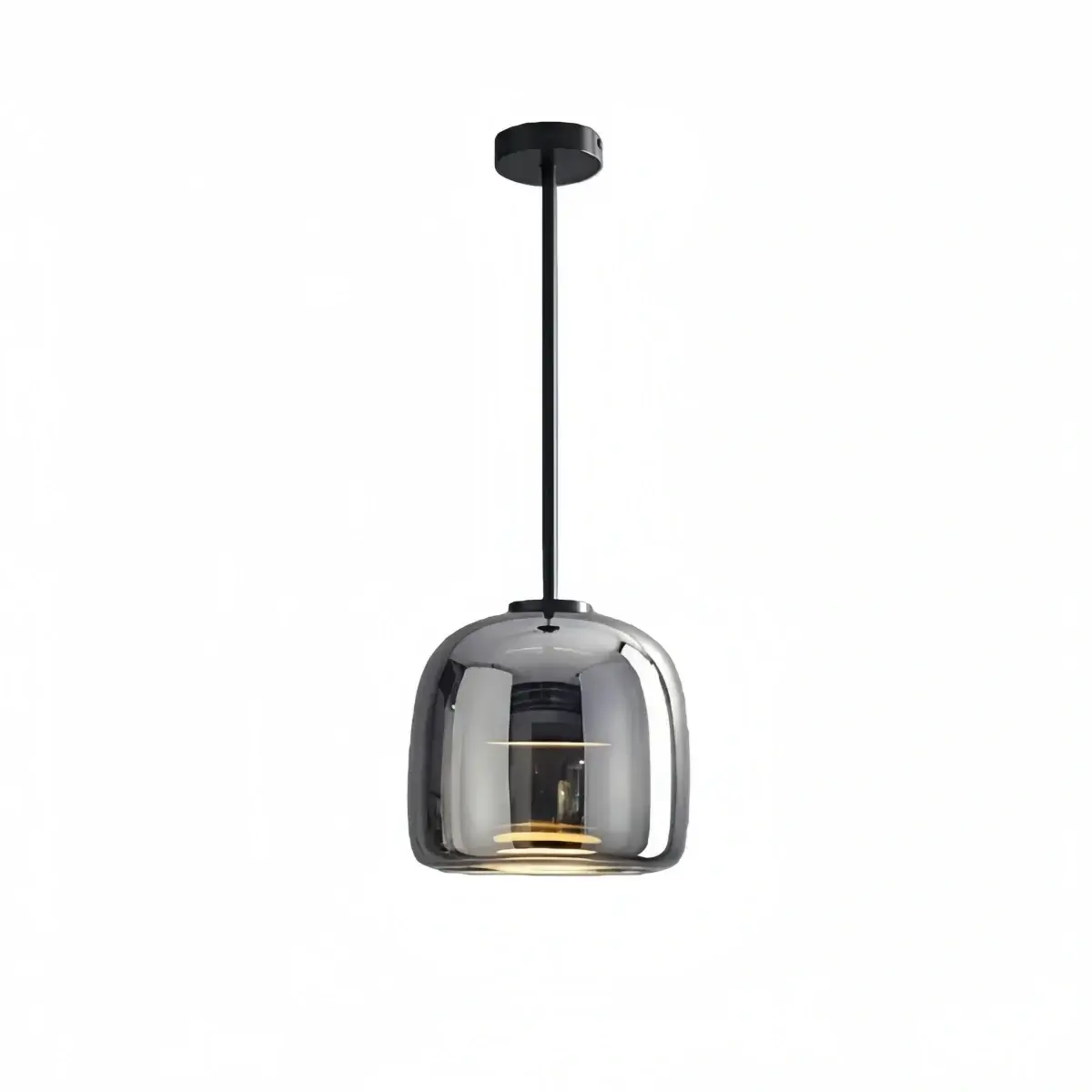
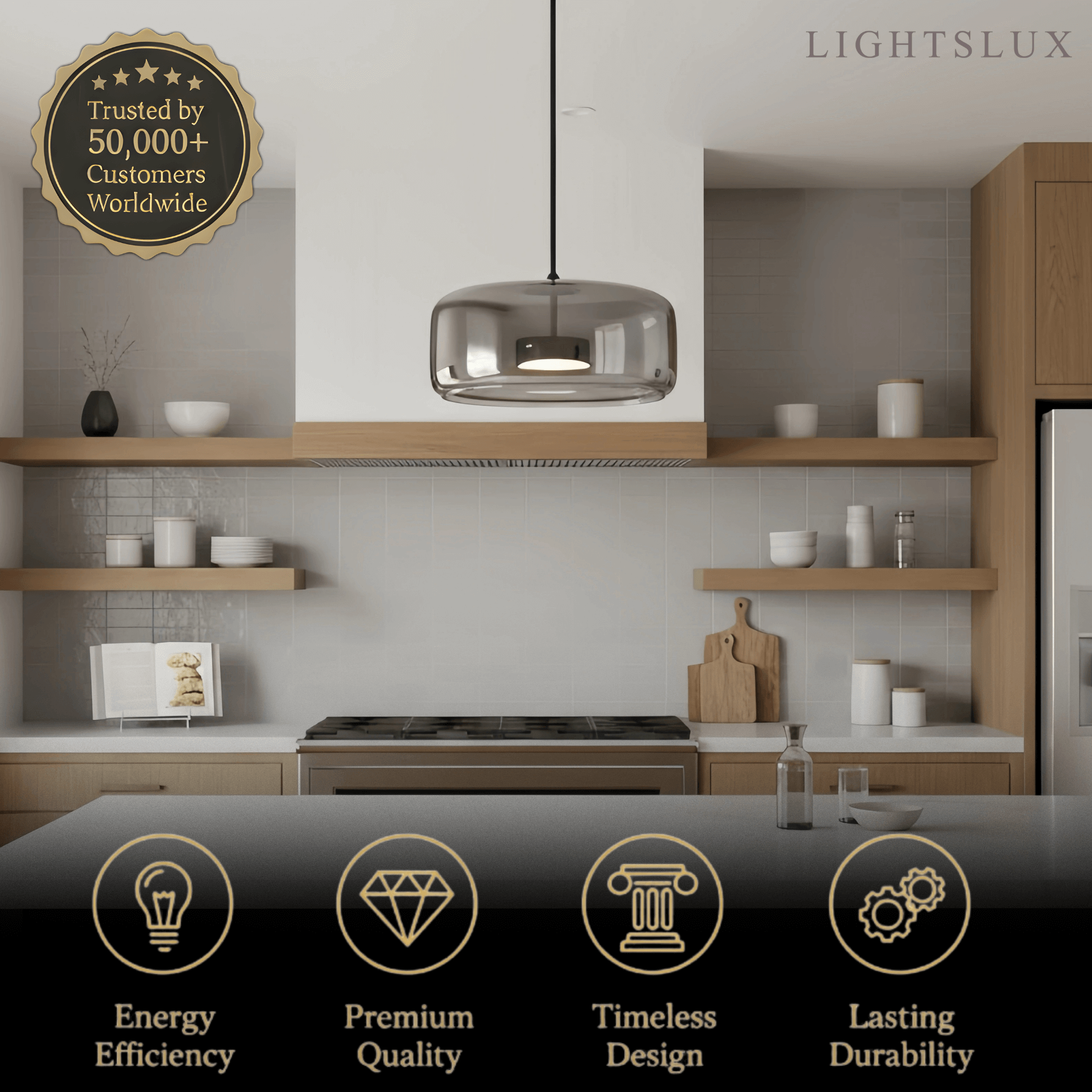
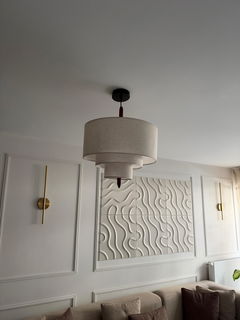
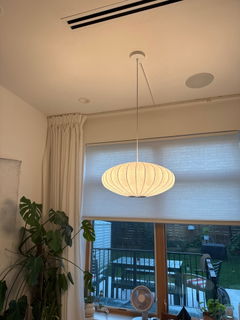
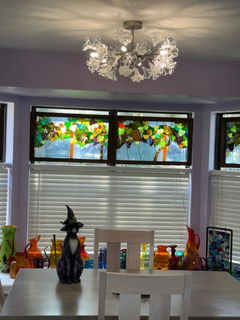
Choosing a pendant light for a dining space involves more than finding a style that matches your décor. The size of the fixture, the proportions of the dining table, ceiling height, and the number of lights all affect how balanced the final space feels. A fixture that is too large can dominate the room, while one that is too small may lack visual impact and sufficient coverage. The hanging height is equally important because it affects both comfort and the way light is distributed across the table. Understanding these basic principles makes it easier to create a dining area that feels cohesive, comfortable, and visually balanced. For practical guidance on selecting the right size, style, and placement for dining spaces, explore How to Pick the Best Pendant Light for Your Dining Room in 2026.
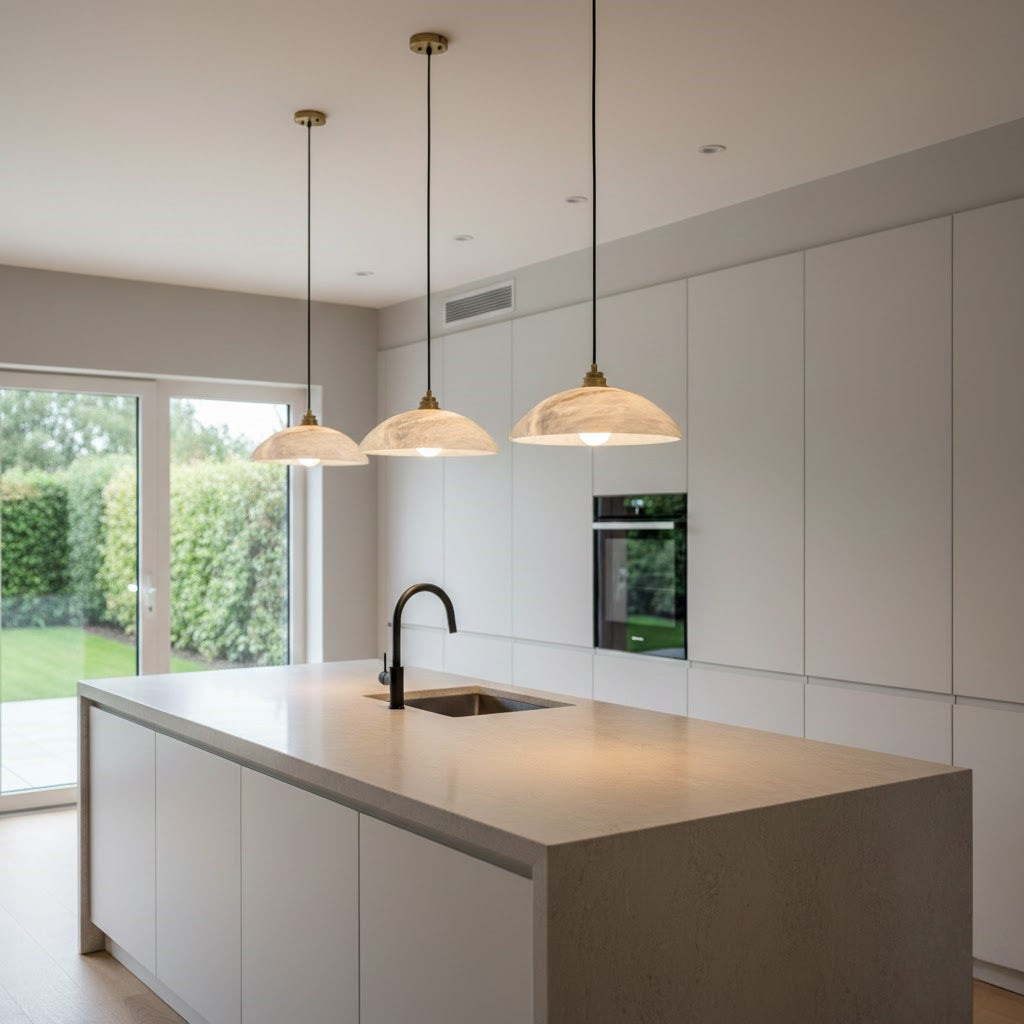
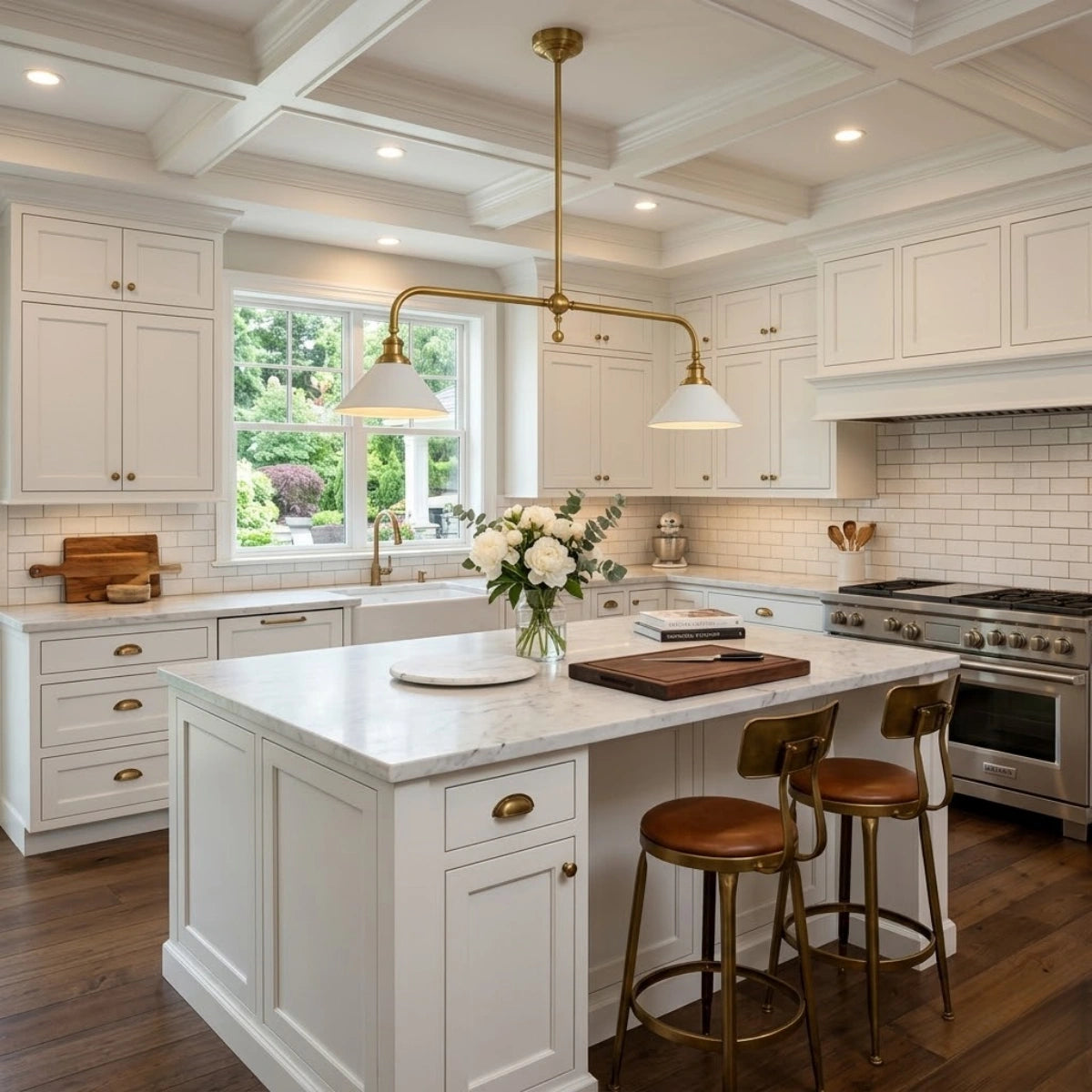
Once the appropriate fixture has been selected, installation and positioning become the next important considerations. Even a well-designed pendant light can look out of proportion if it is hung too high, too low, or slightly off-center from the area it is intended to illuminate. The surrounding architecture also matters, particularly when working with kitchen islands, dining tables, entryways, or rooms with higher ceilings. Consistent spacing is especially important when multiple pendant lights are installed together, helping create a cleaner visual rhythm while distributing light more evenly. Paying attention to these details can make a noticeable difference in both appearance and everyday functionality. For a more practical look at pendant installation, hanging height, spacing, and positioning, explore How to Install a Pendant Light: Step-by-Step DIY Guide.
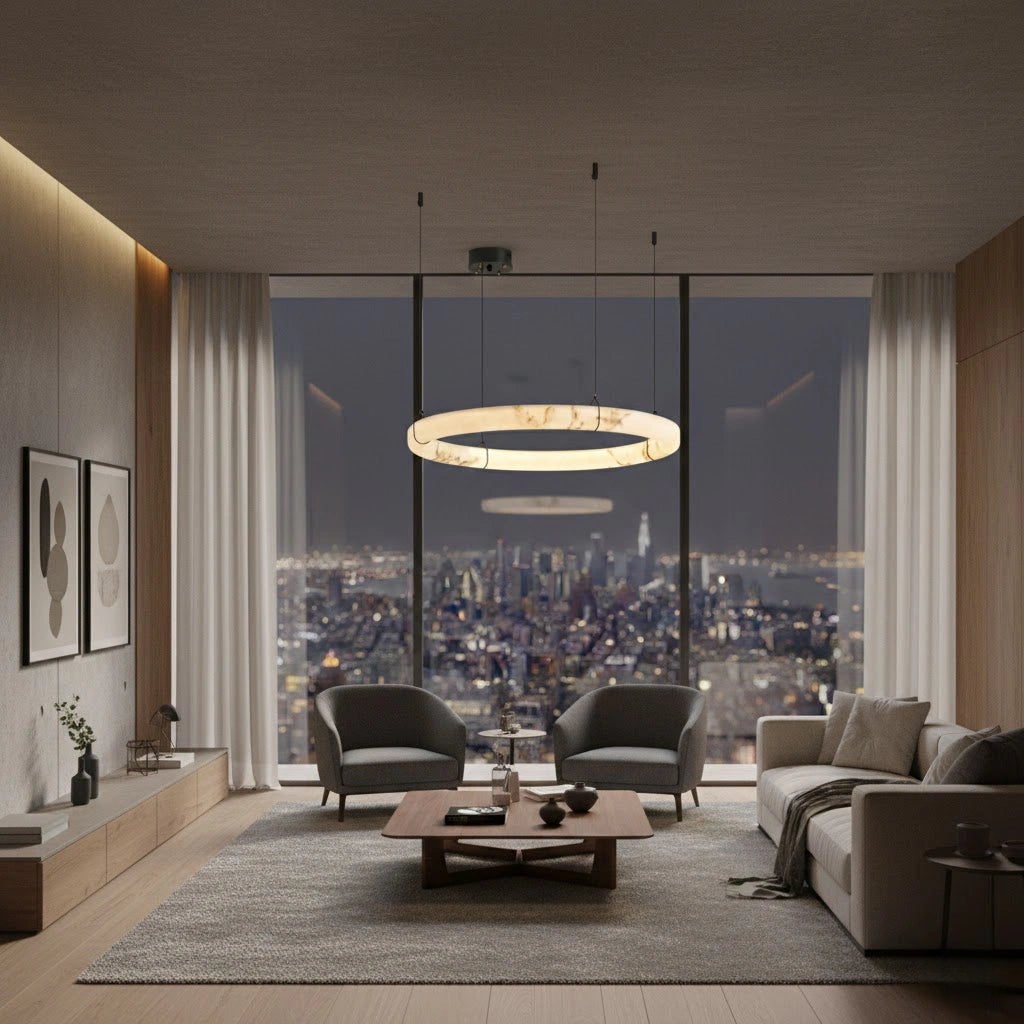
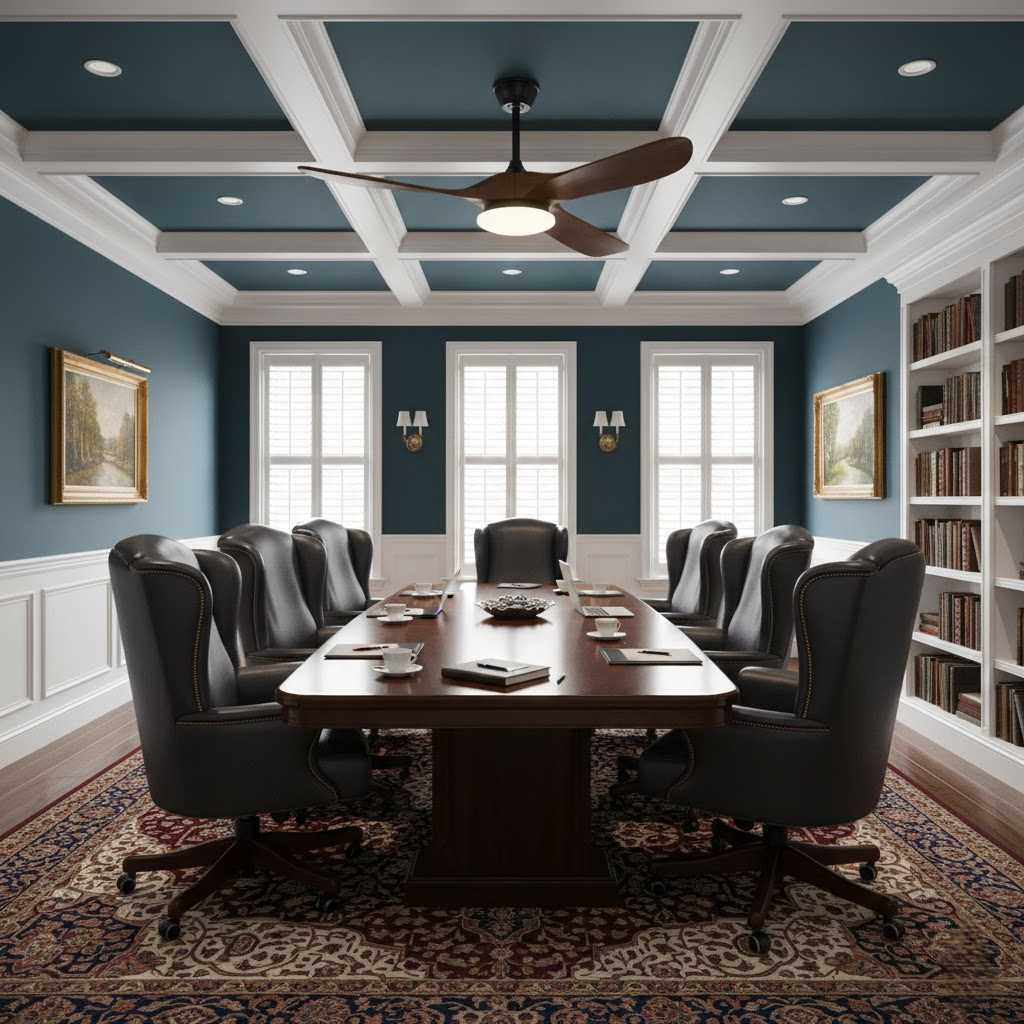
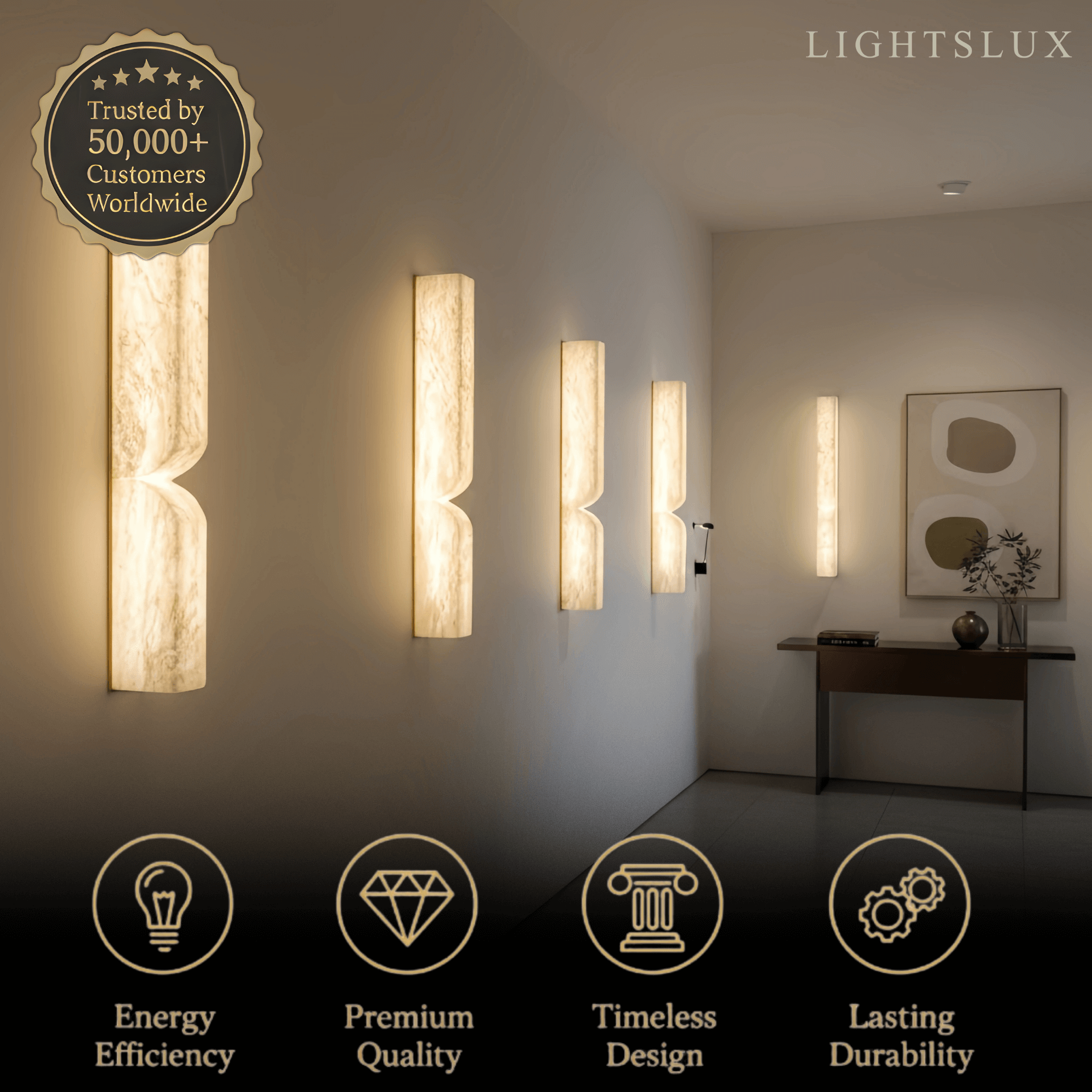
Good lighting design rarely depends on a single fixture. While a ceiling light or pendant can provide the primary source of illumination, additional light sources can help eliminate dark corners, define different functional areas, and create a more comfortable atmosphere. This approach is known as layered lighting, which combines ambient, task, and accent lighting at different levels throughout the room. A pendant light can establish the main visual focus, while floor lamps, wall sconces, or table lamps add softer illumination closer to seating and activity areas. This combination creates greater flexibility and allows the atmosphere to change according to different activities and times of day. To learn how different lighting types can work together to create a more balanced interior, explore Lighting Layering 101: How to Combine Your Floor Lamp with Other Lights.
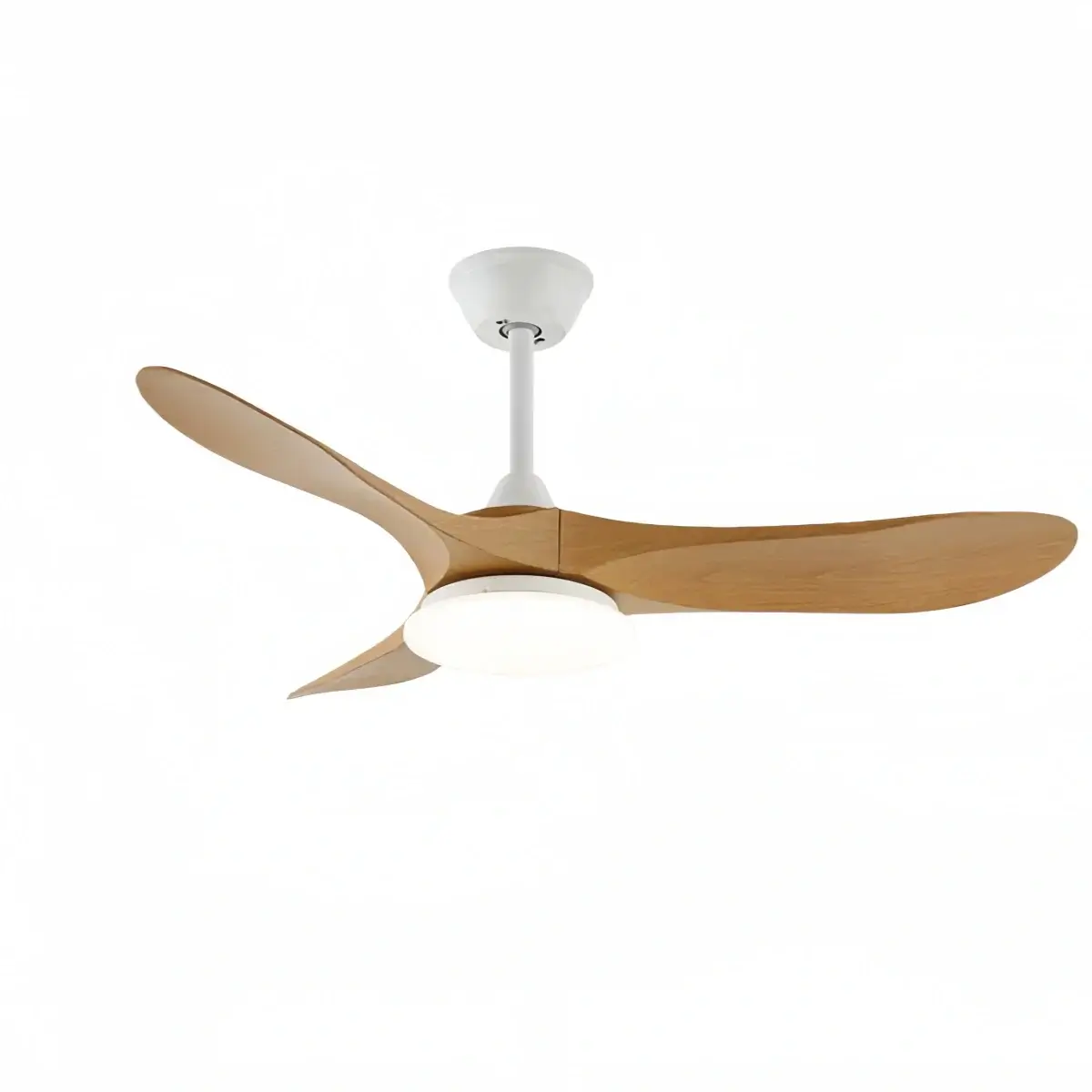
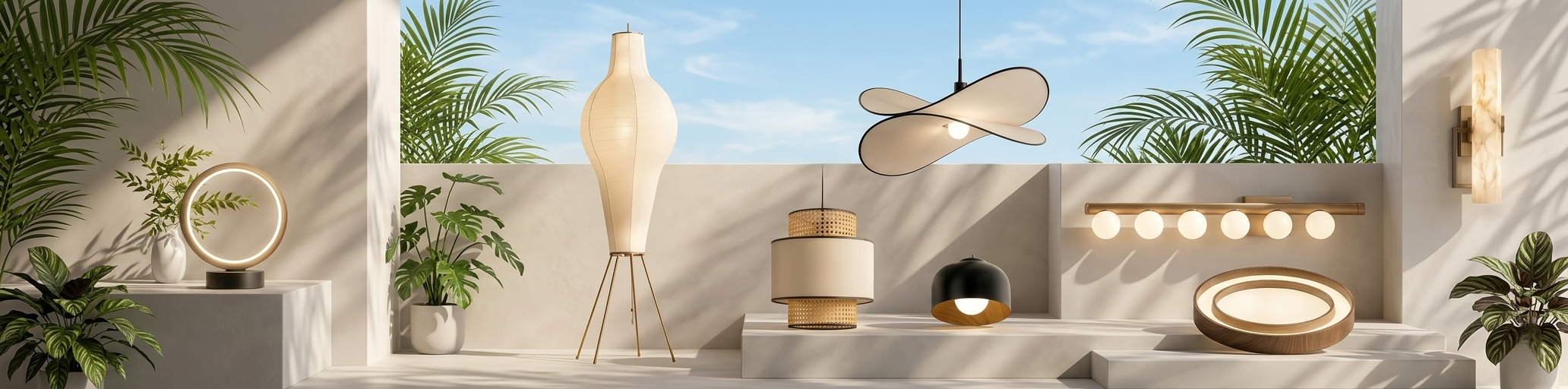
After considering fixture selection, placement, and lighting layers, the final step is understanding how these elements fit into the broader direction of modern interior design. Lighting is increasingly being treated as both a functional necessity and a decorative feature, with homeowners paying more attention to sculptural forms, natural materials, textured finishes, energy-efficient LED technology, and flexible lighting controls. Another important shift is the move away from perfectly matching every fixture. Instead, complementary finishes, materials, and silhouettes can be combined to create a more personalized and sophisticated interior. These trends provide useful inspiration when planning a lighting scheme that feels current without becoming overly dependent on short-lived styles. For a closer look at the materials, aesthetics, technology, and design approaches shaping contemporary residential lighting, explore Lighting Design Aesthetics: How to Balance Function and Style.