Iluminación del comedor
La iluminación para comedores Lightslux combina estilo y funcionalidad con luminarias regulables de alta calidad, mejorando el ambiente, la comodidad y el atractivo visual para las comidas compartidas.
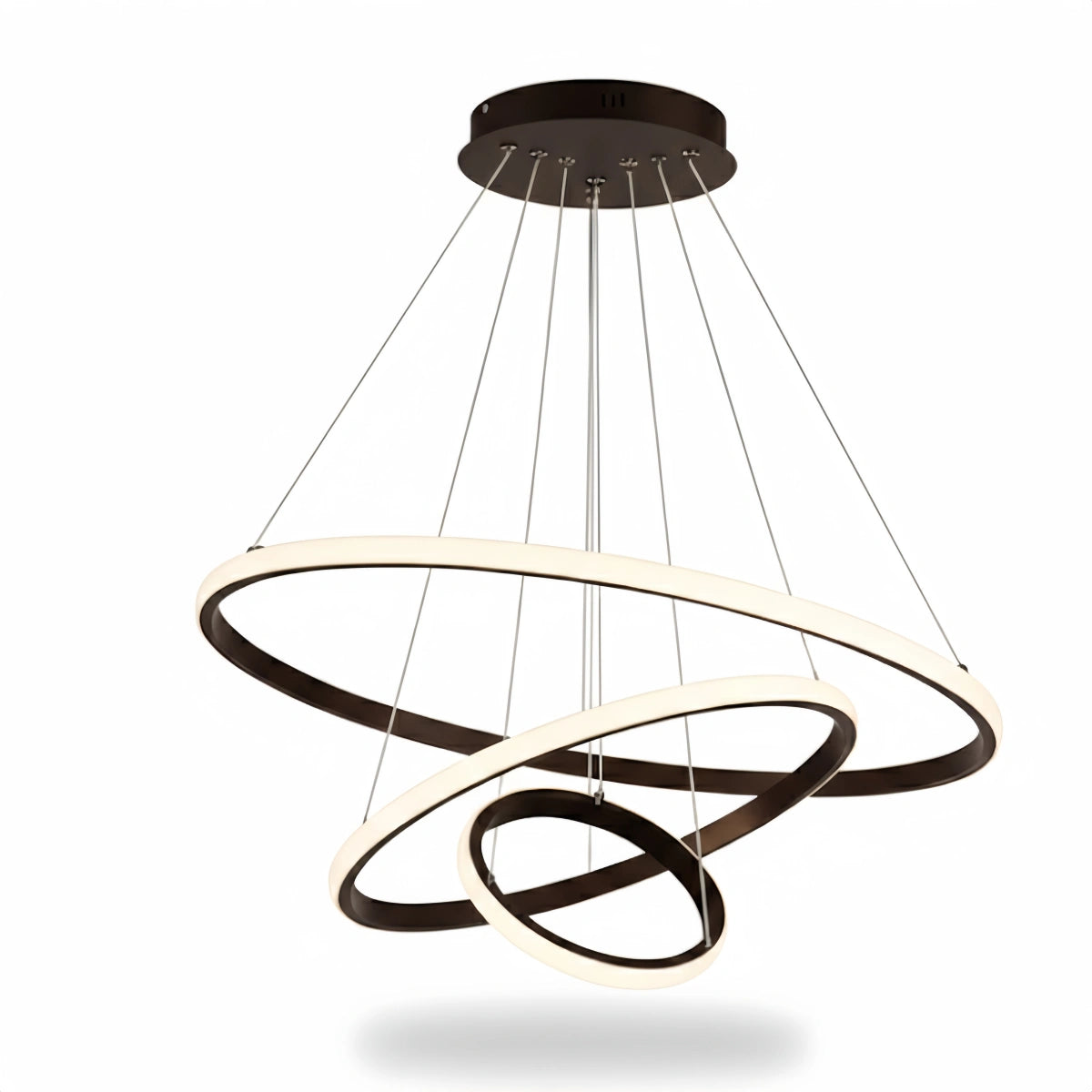
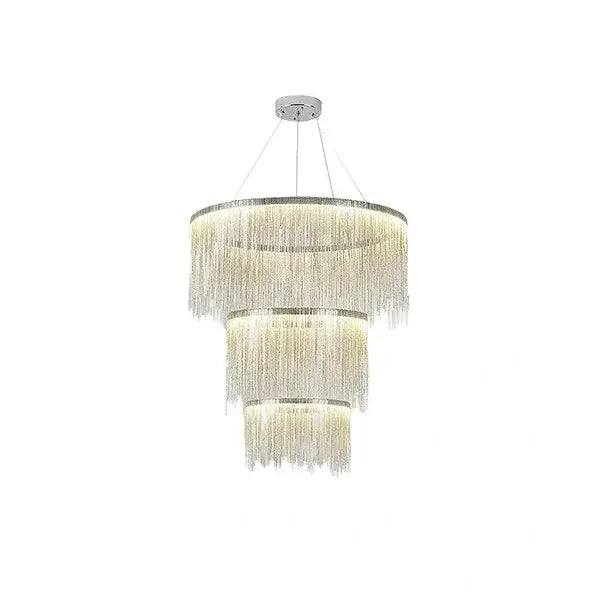
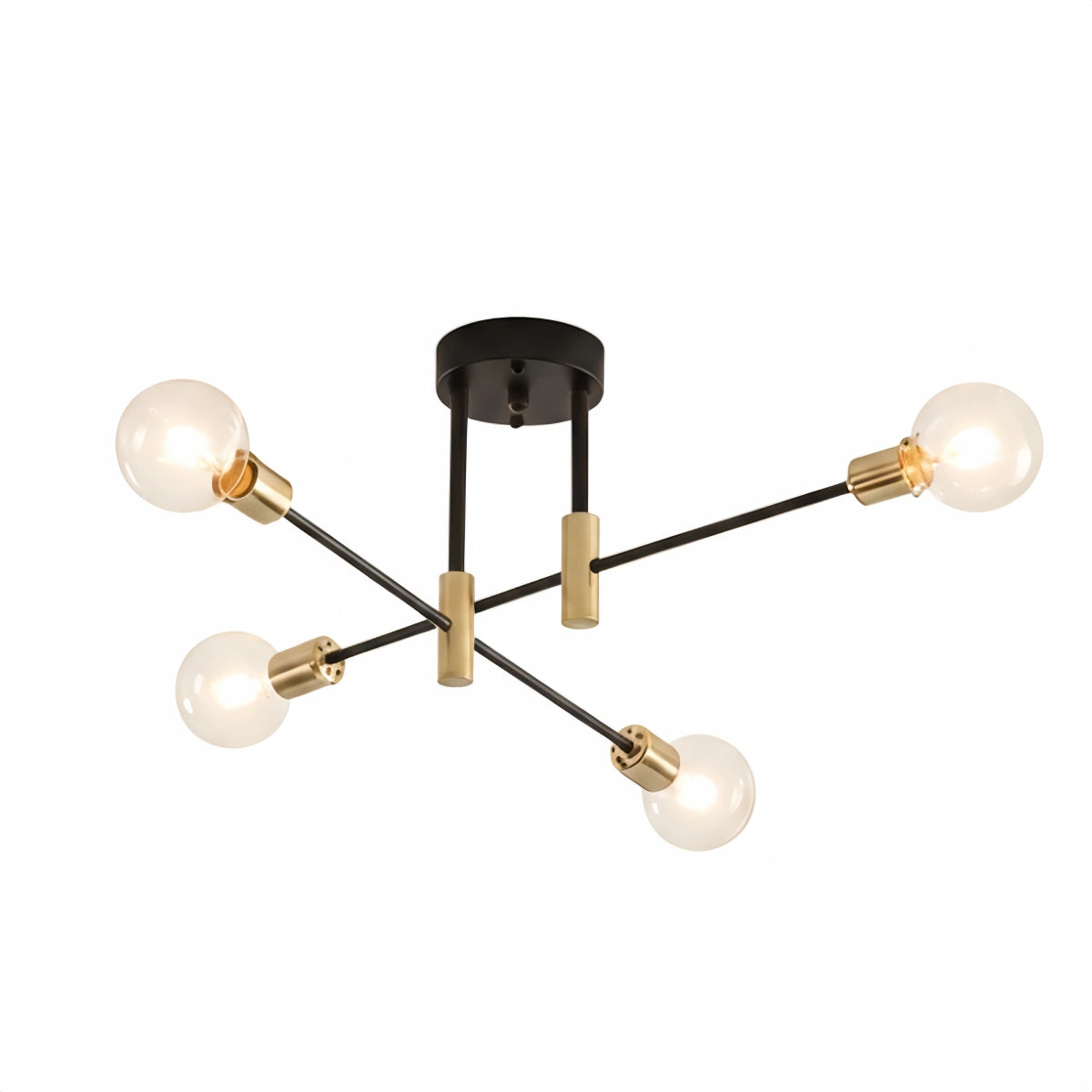
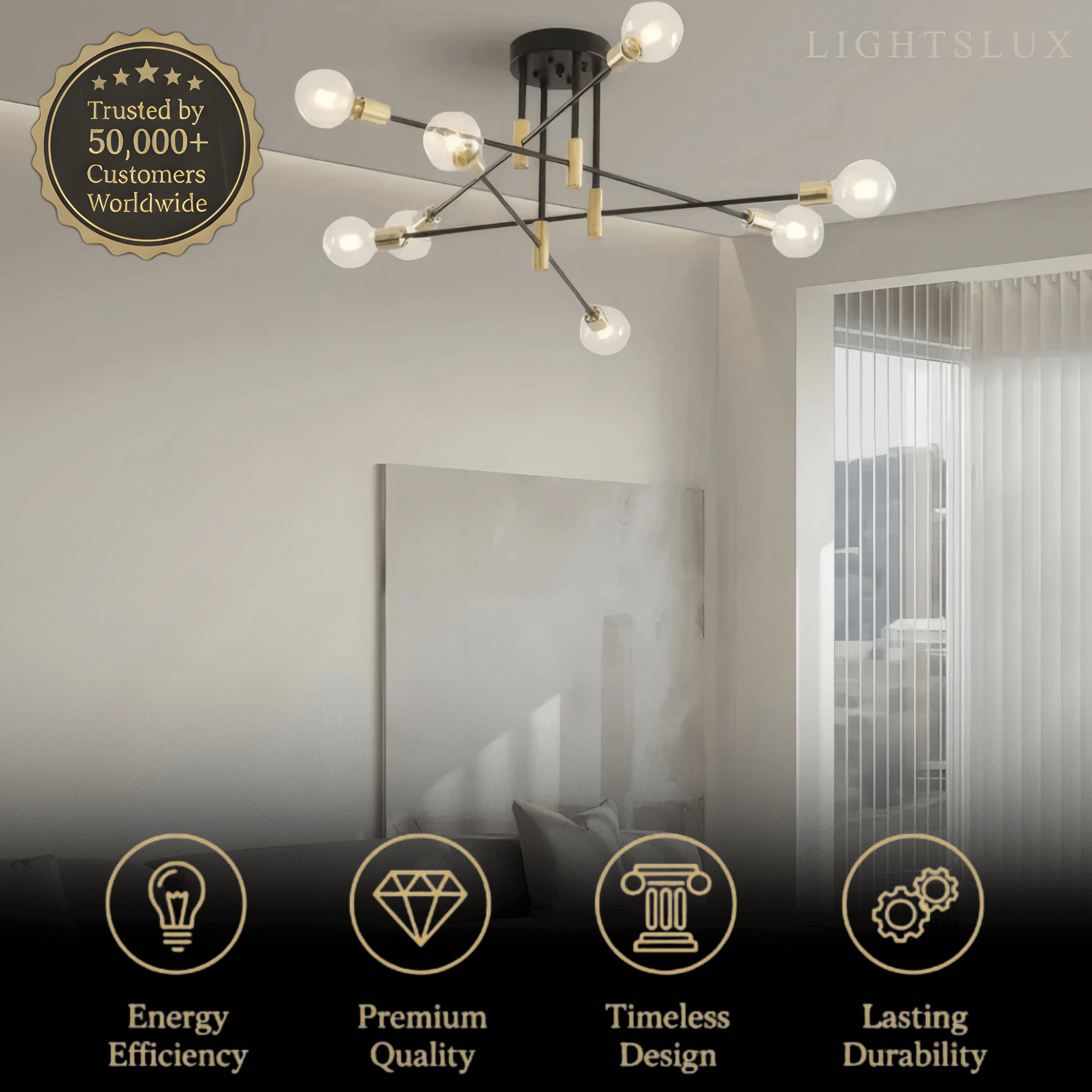
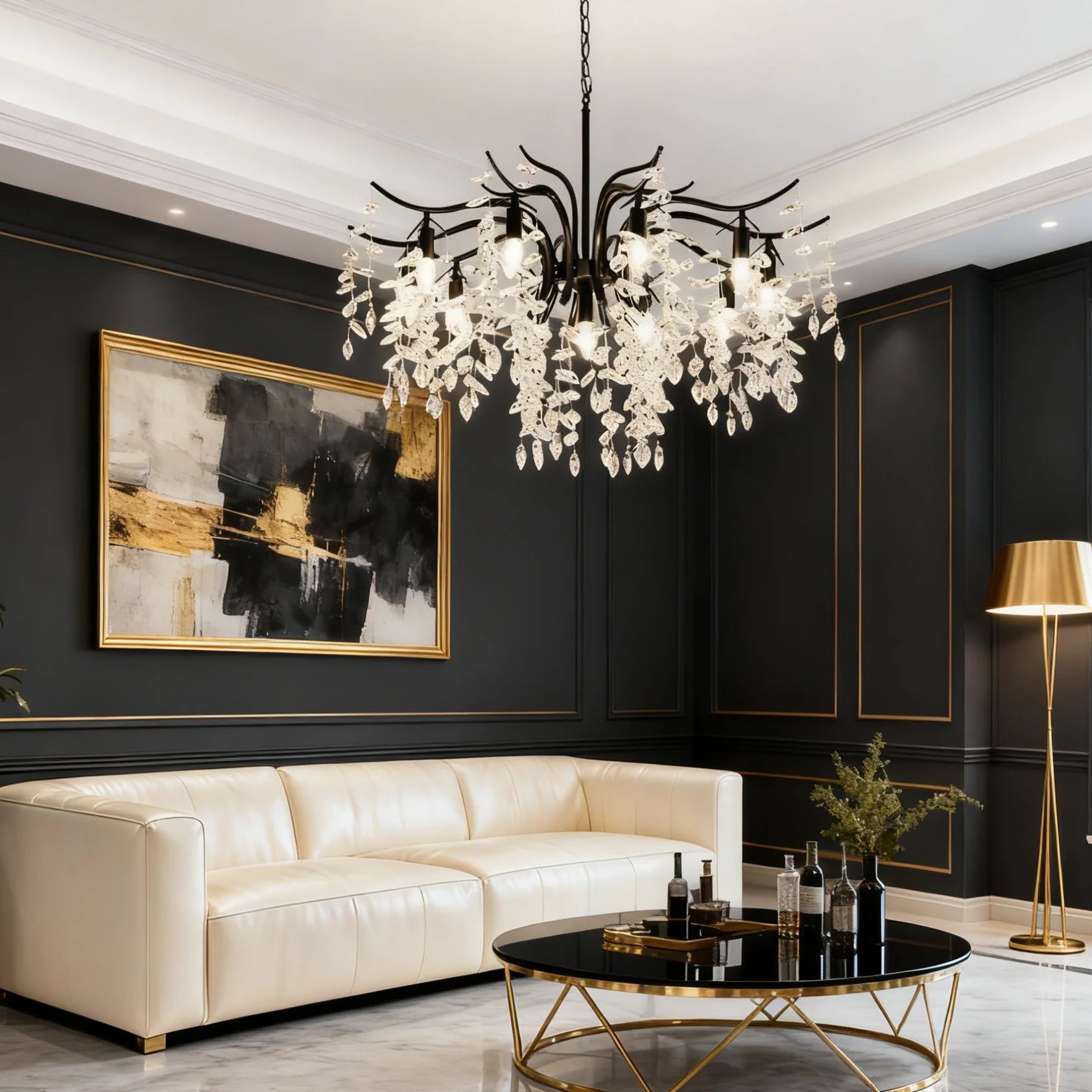
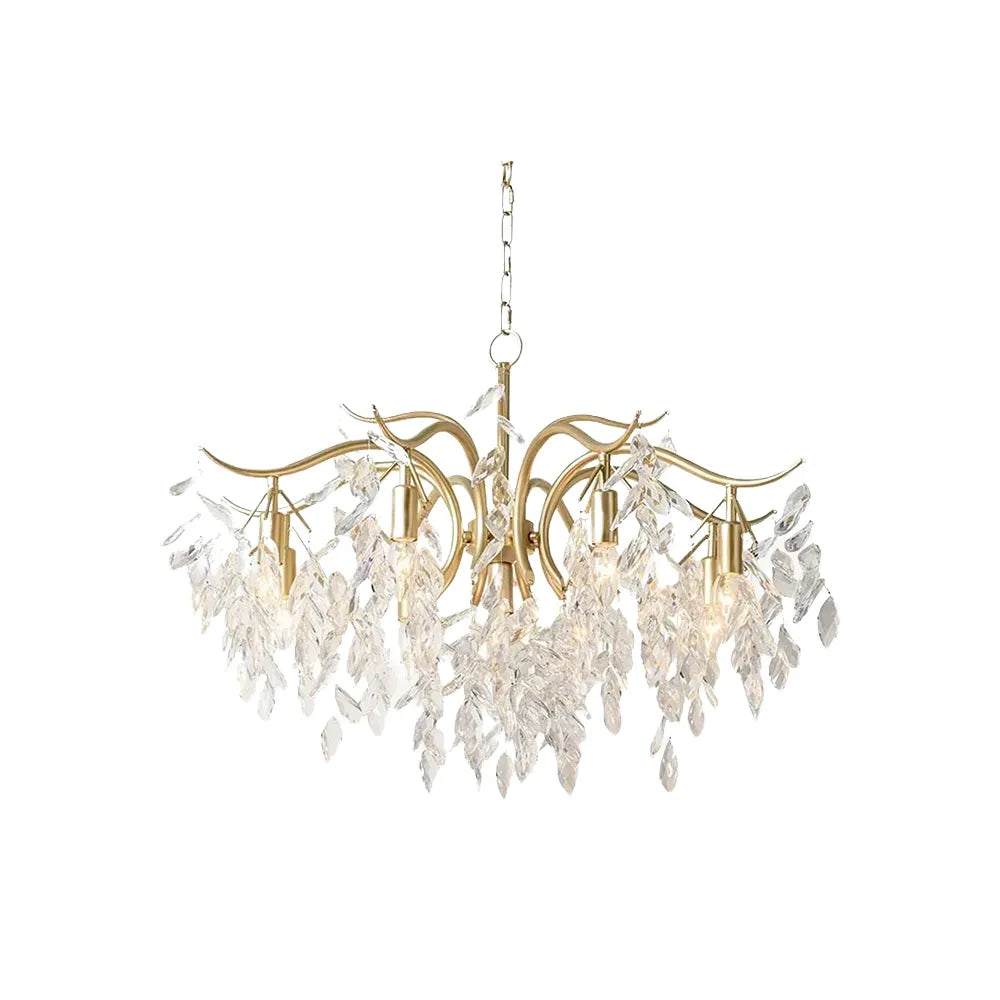
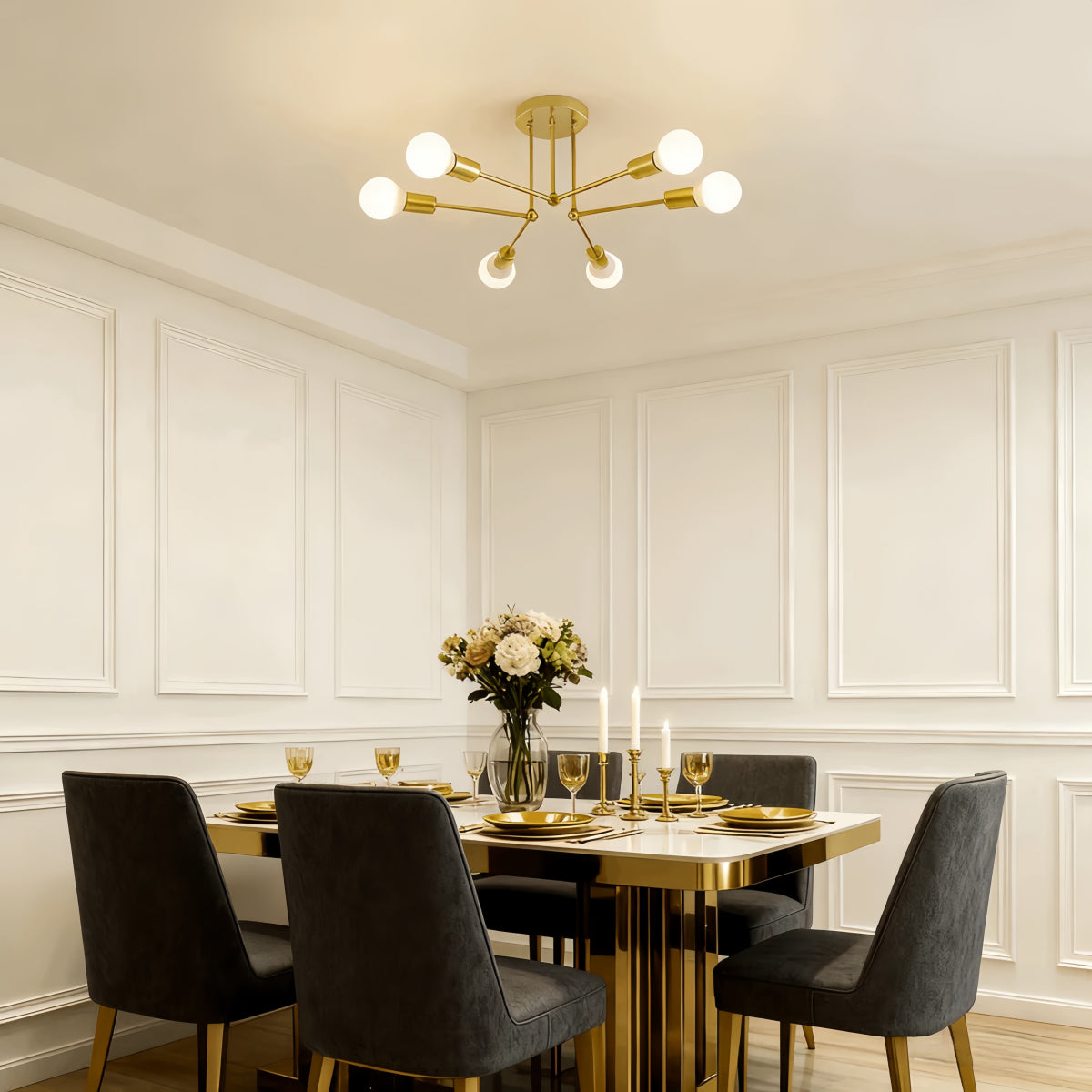
Lámpara de araña LED Nebula Royal Gold/Black: Iluminación elegante para sala de estar/dormitorio
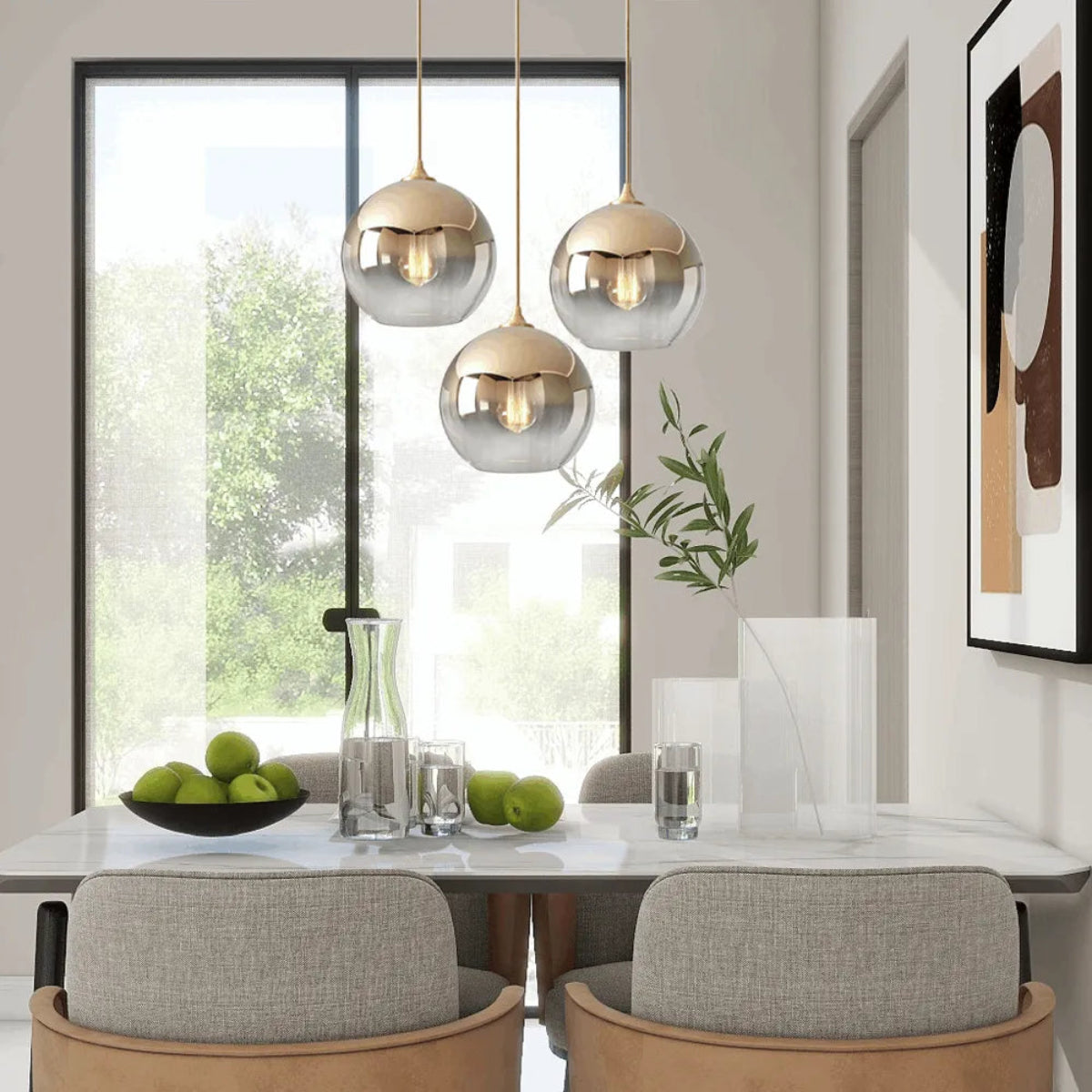
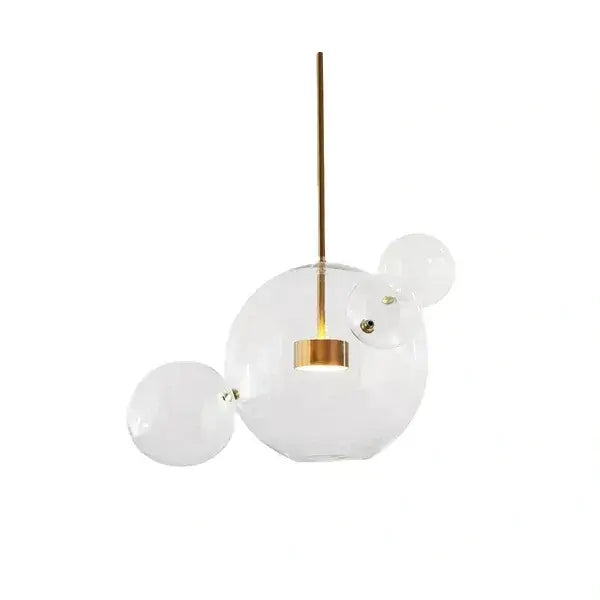
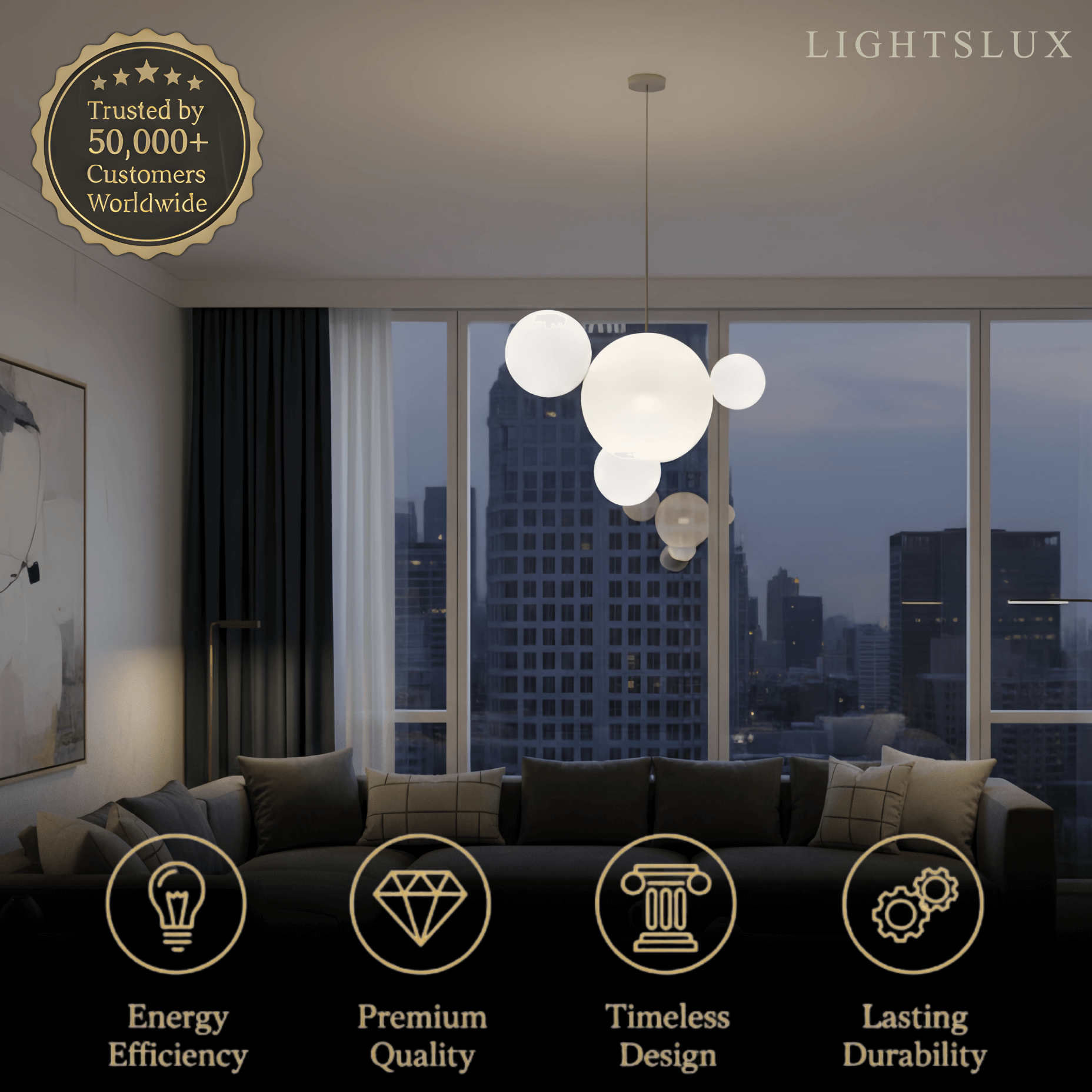
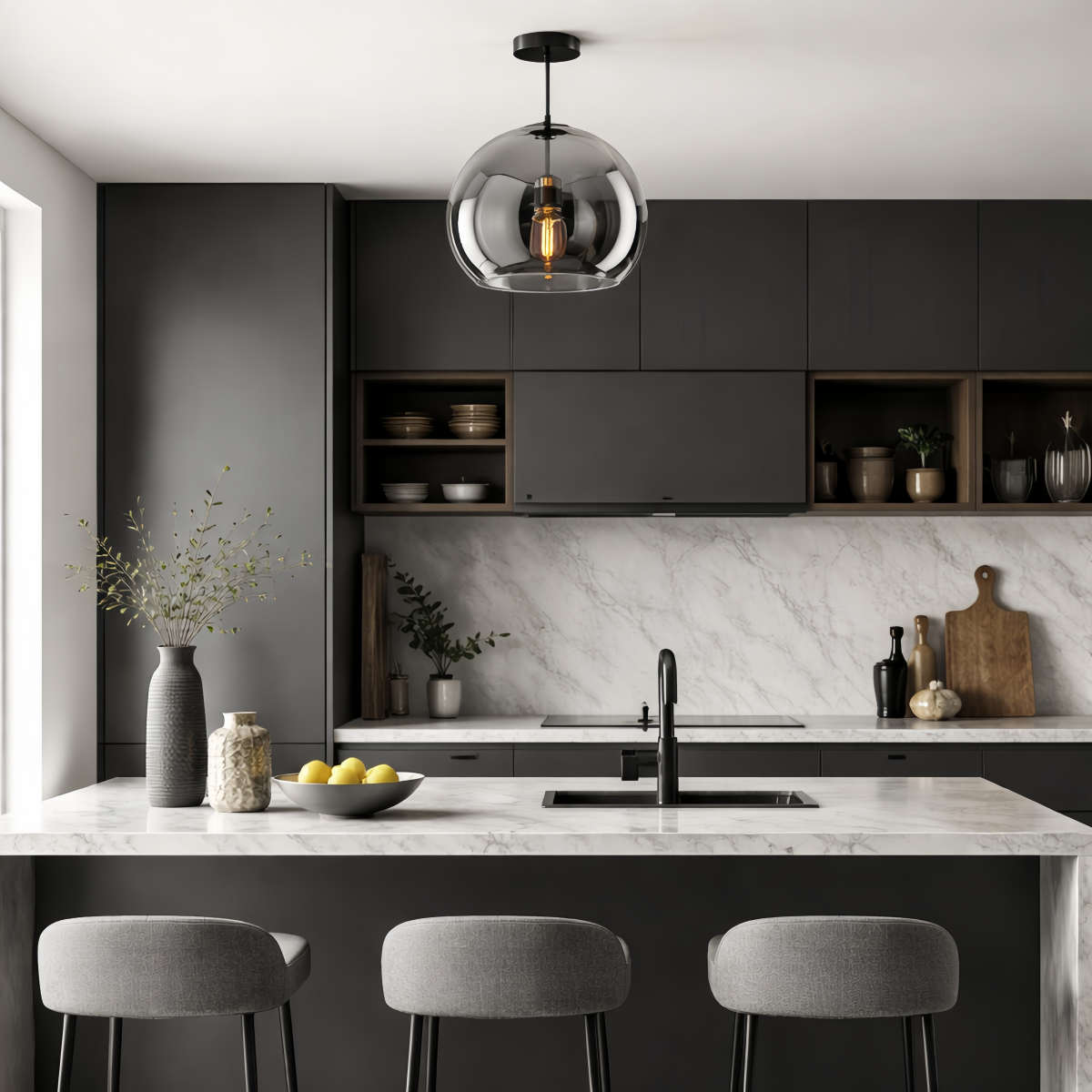
Lámpara colgante Excelis Modern Glass Globe – Lámpara LED dorada/plateada para comedor
Lámpara colgante moderna Irondale – Comedor
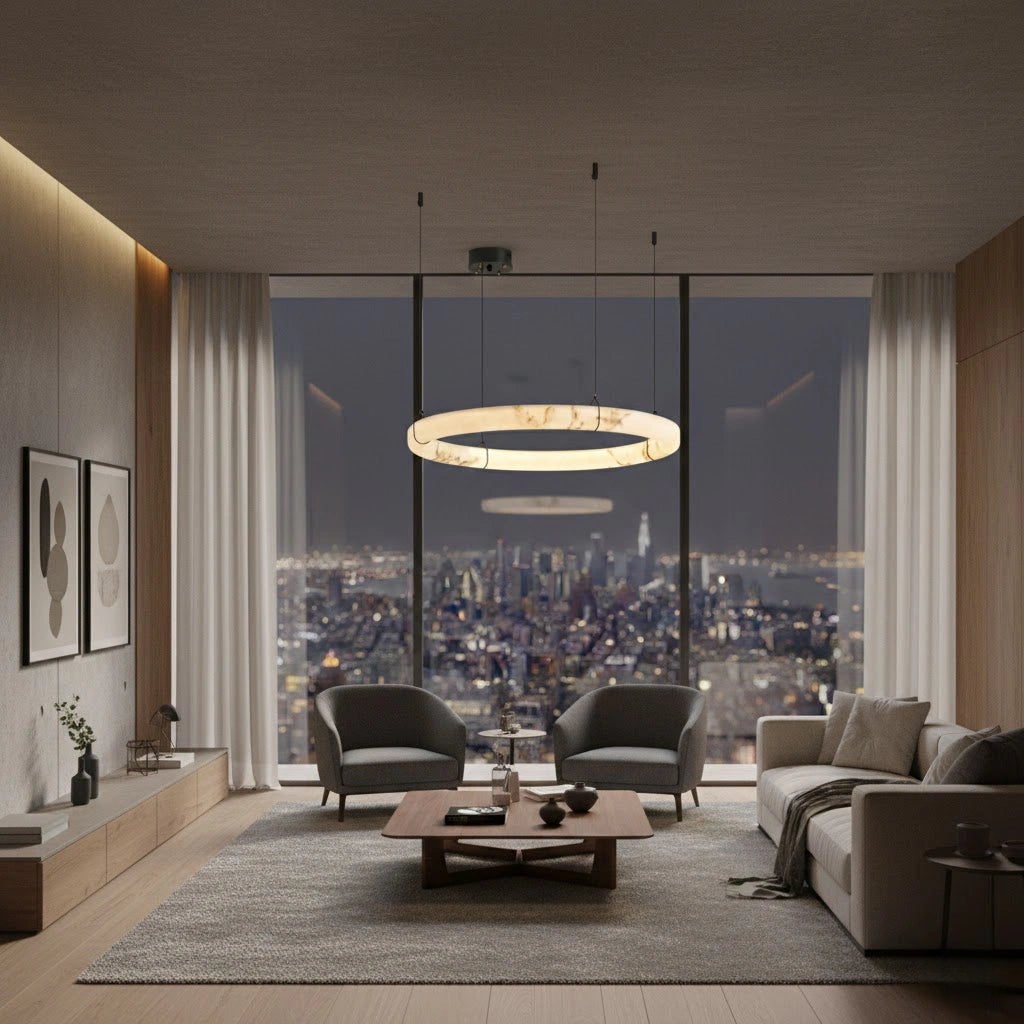
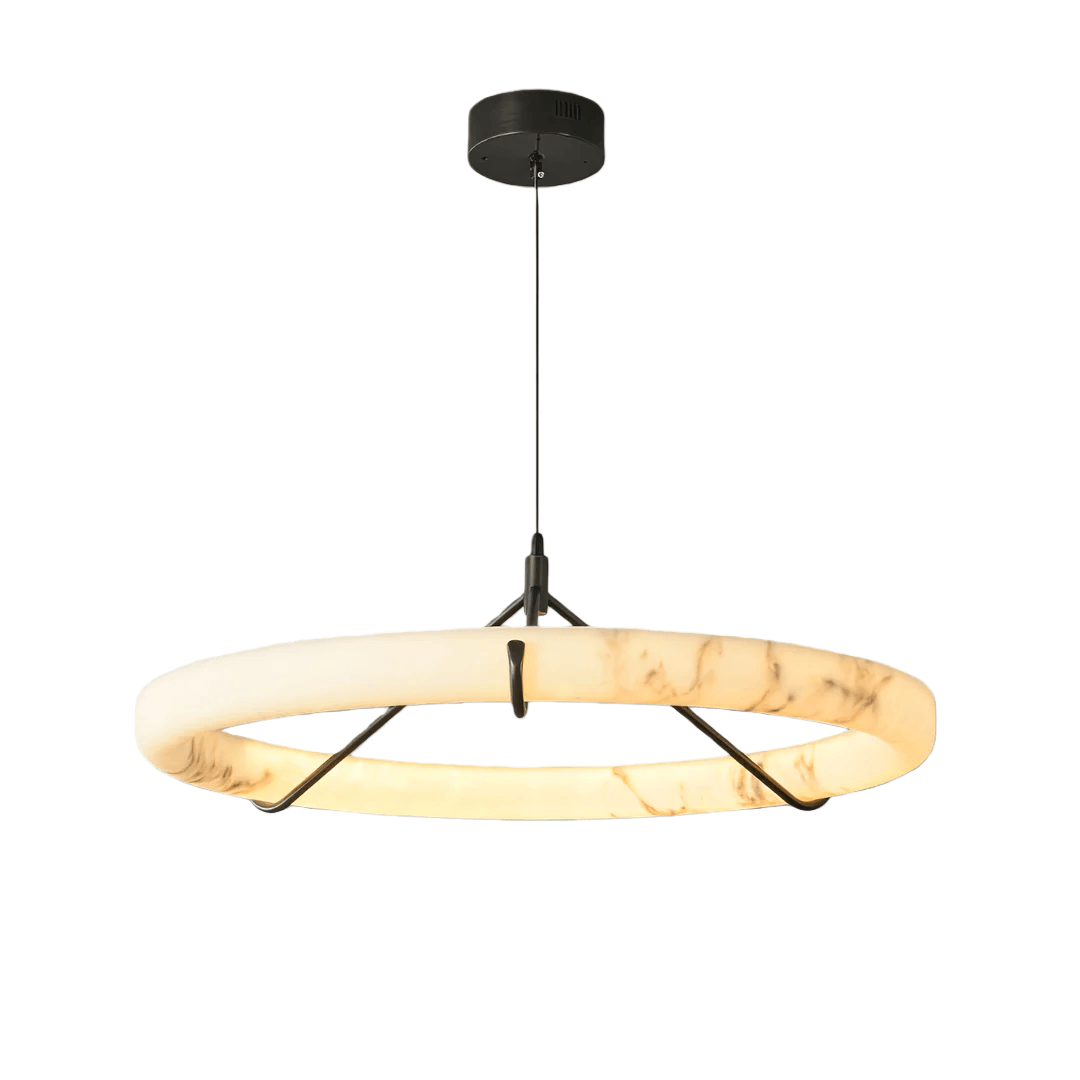
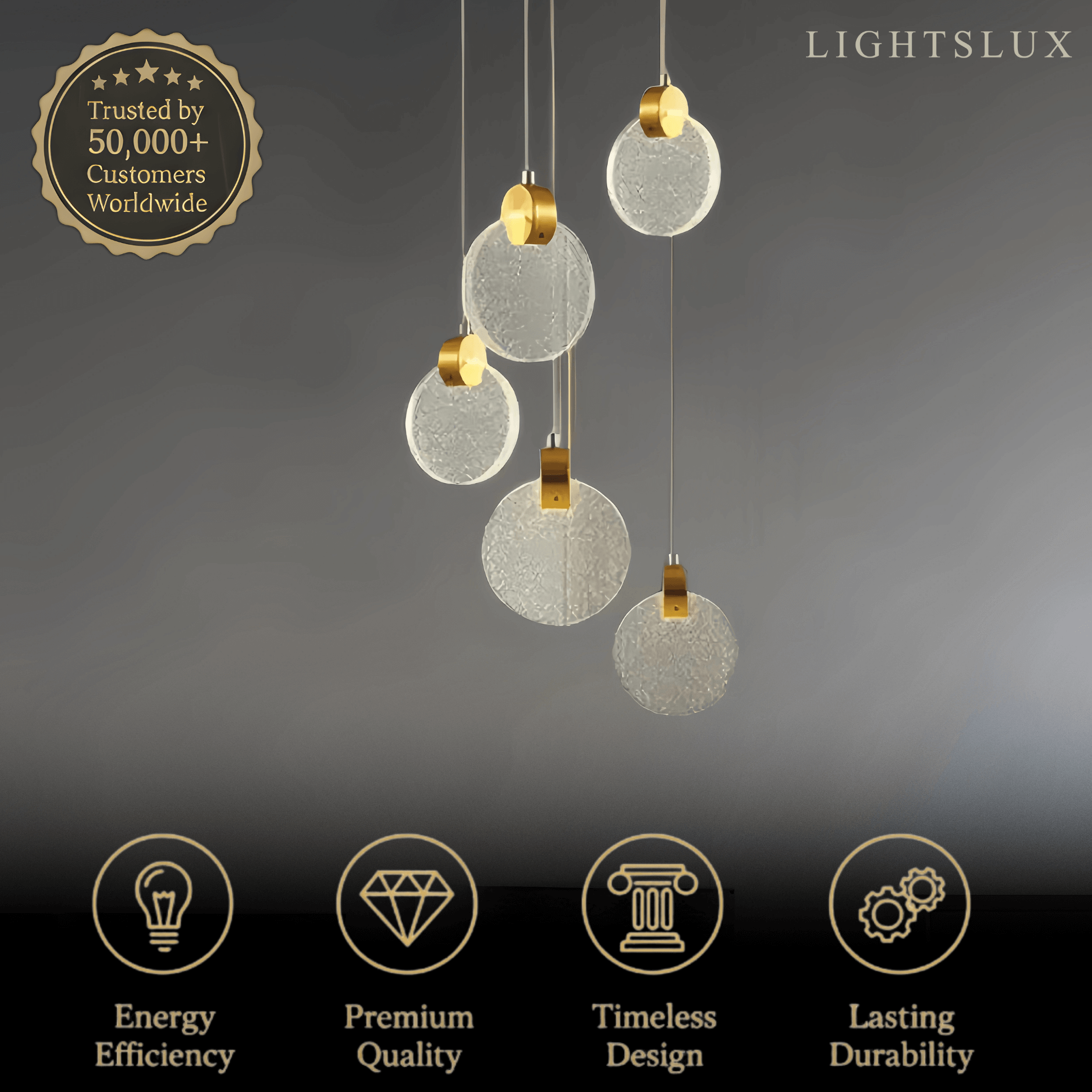
Lámpara Colgante de Anillo de Alabastro Moderna — Piedra Tallada a Mano y Metal Negro para Comedor
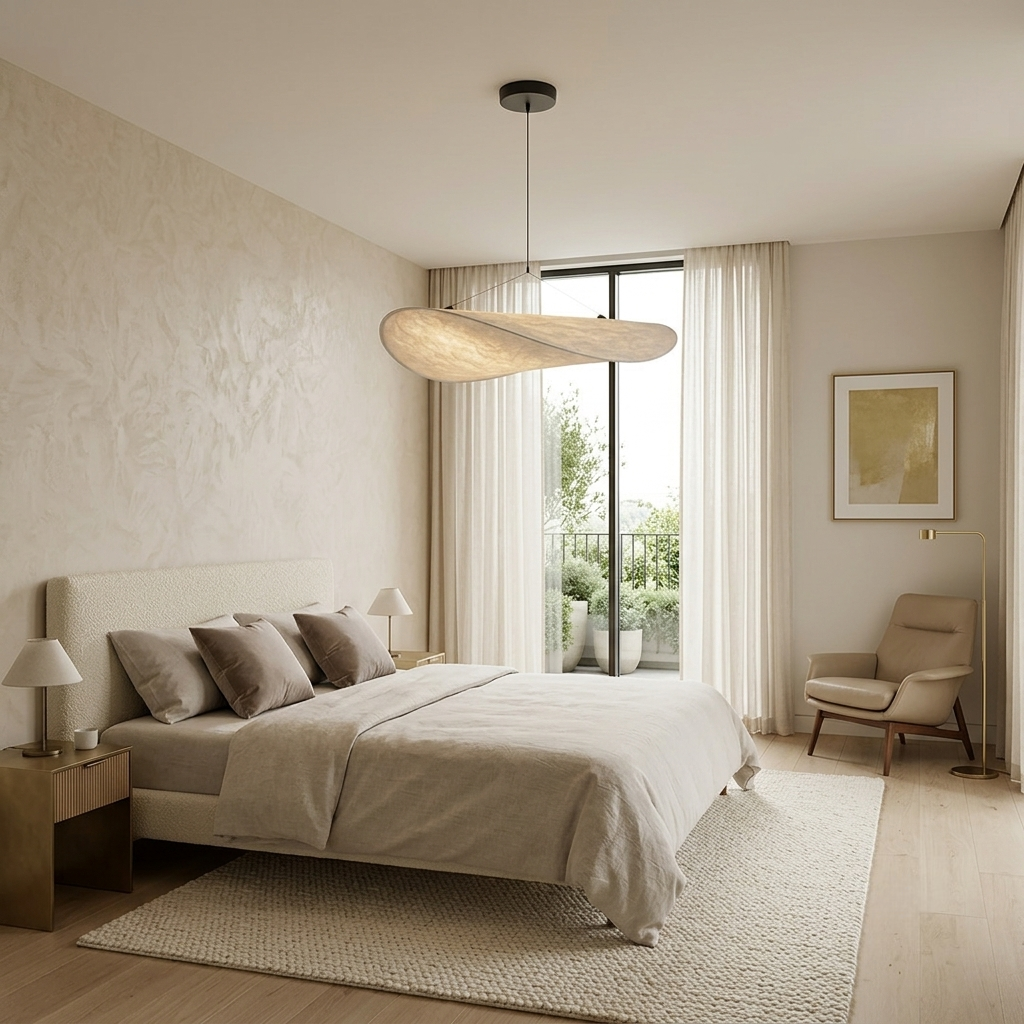
Lámpara colgante Crema Art Déco blanca – Diseño de metal curvo para comedor
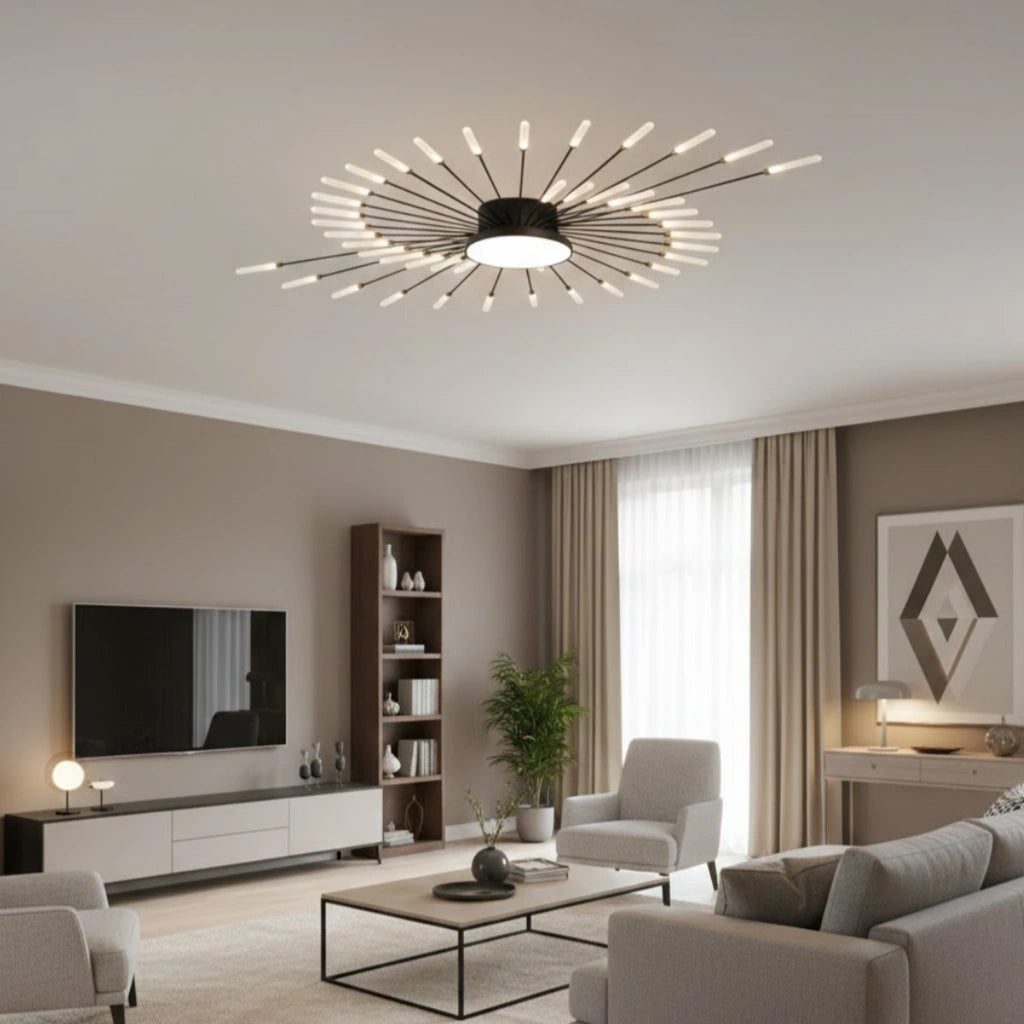
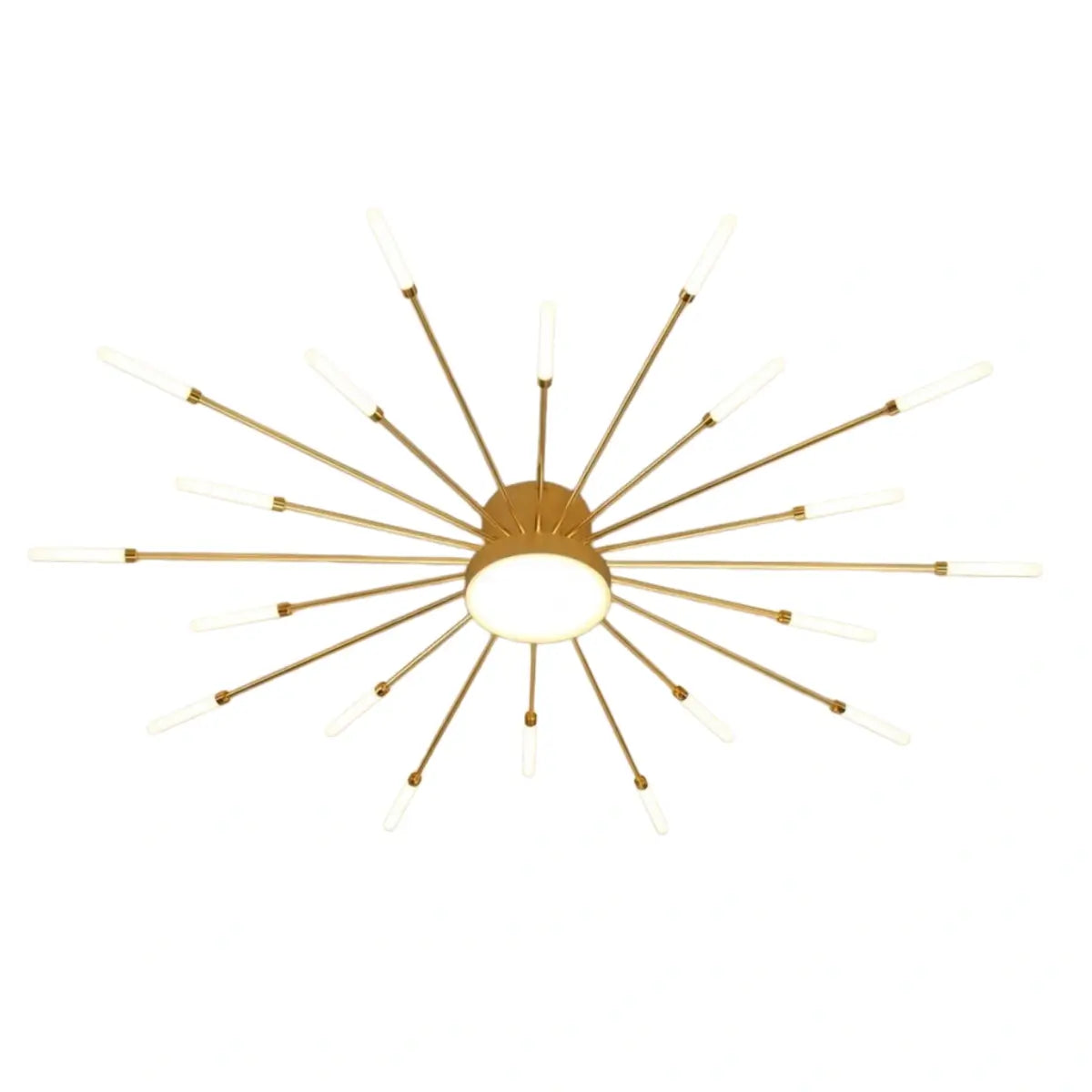
Lámpara de techo moderna Nebula Firework – Dormitorio
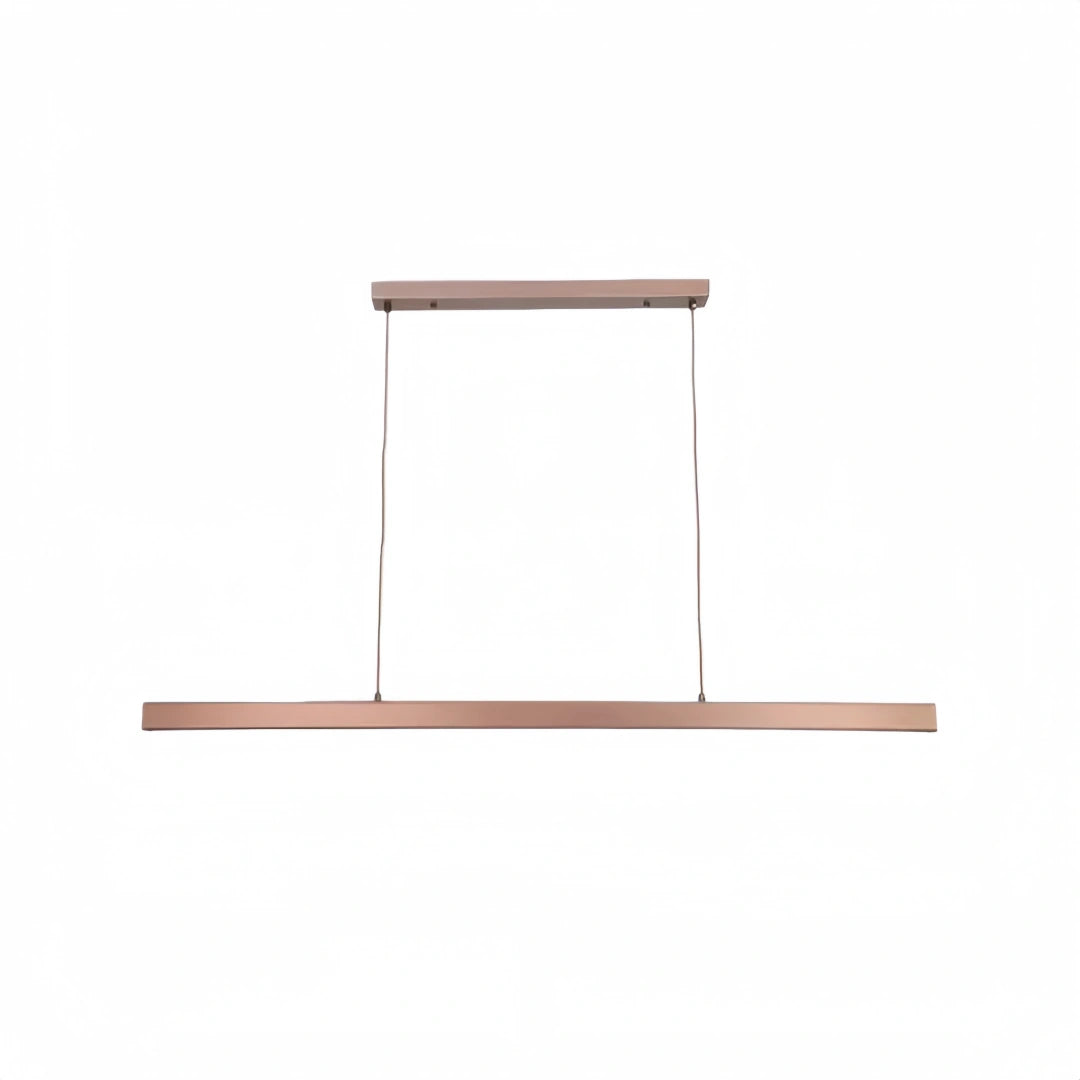
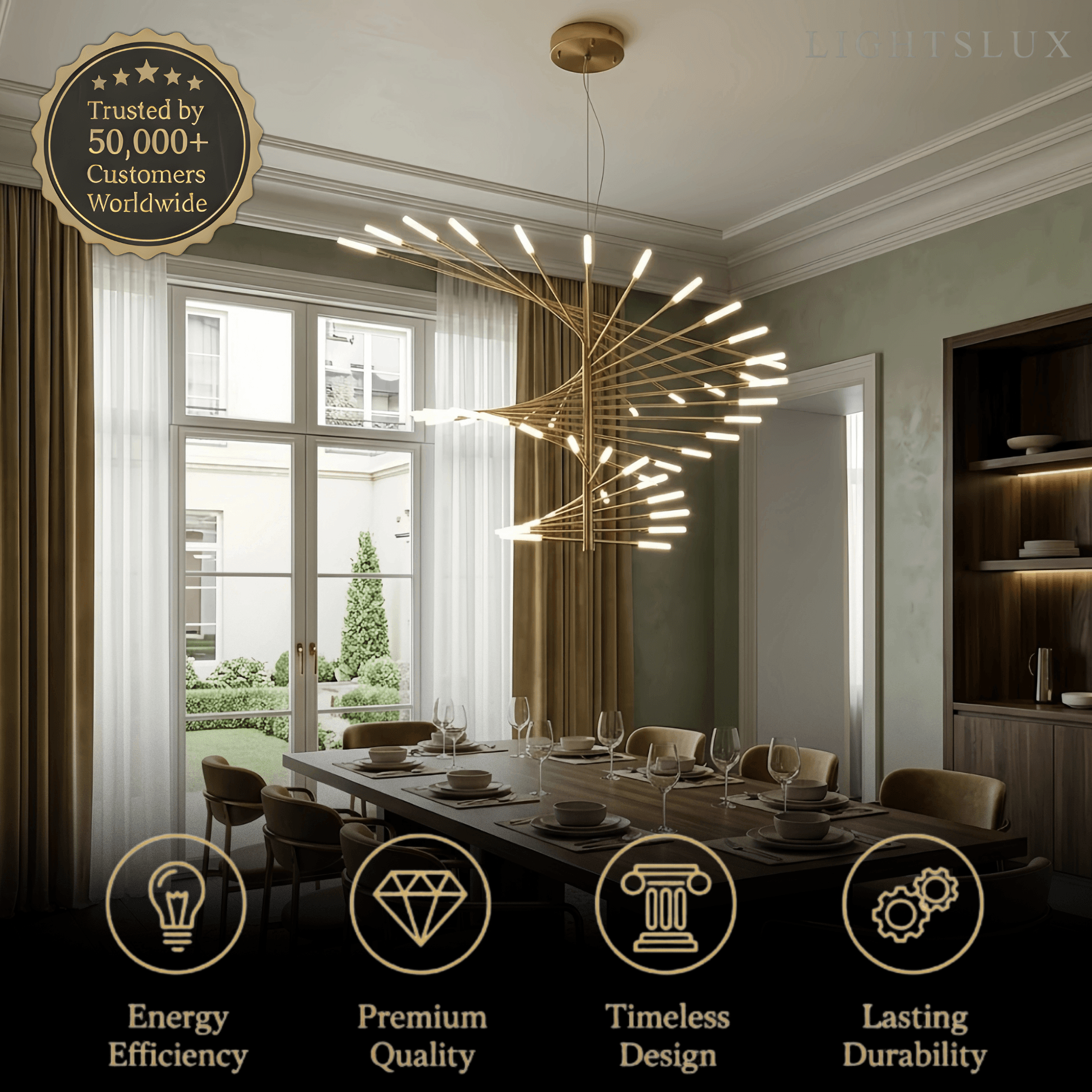
Lámpara colgante LED moderna Arcato - Cocina
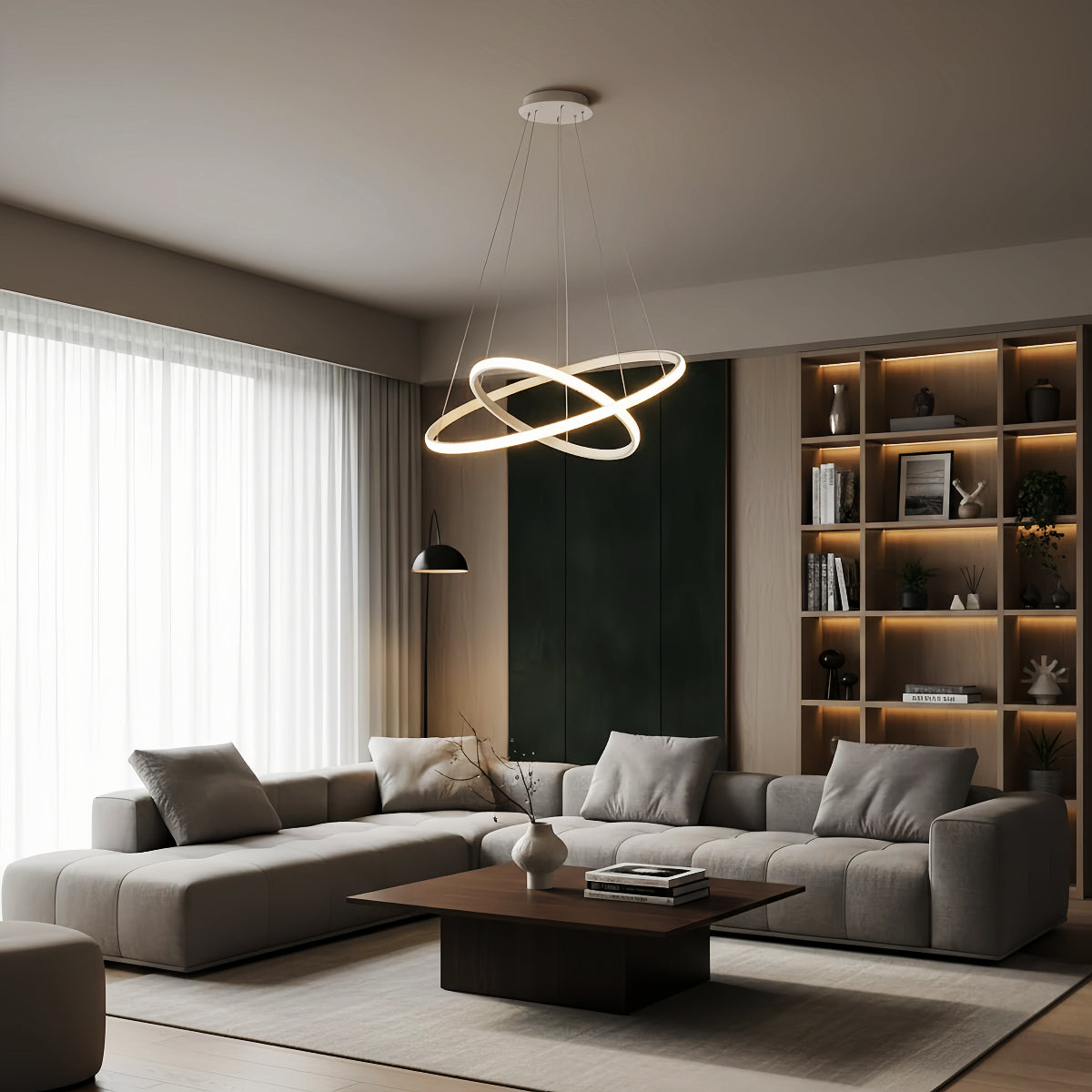
Lámpara colgante Velora moderna de metal – Lámpara para sala de estar
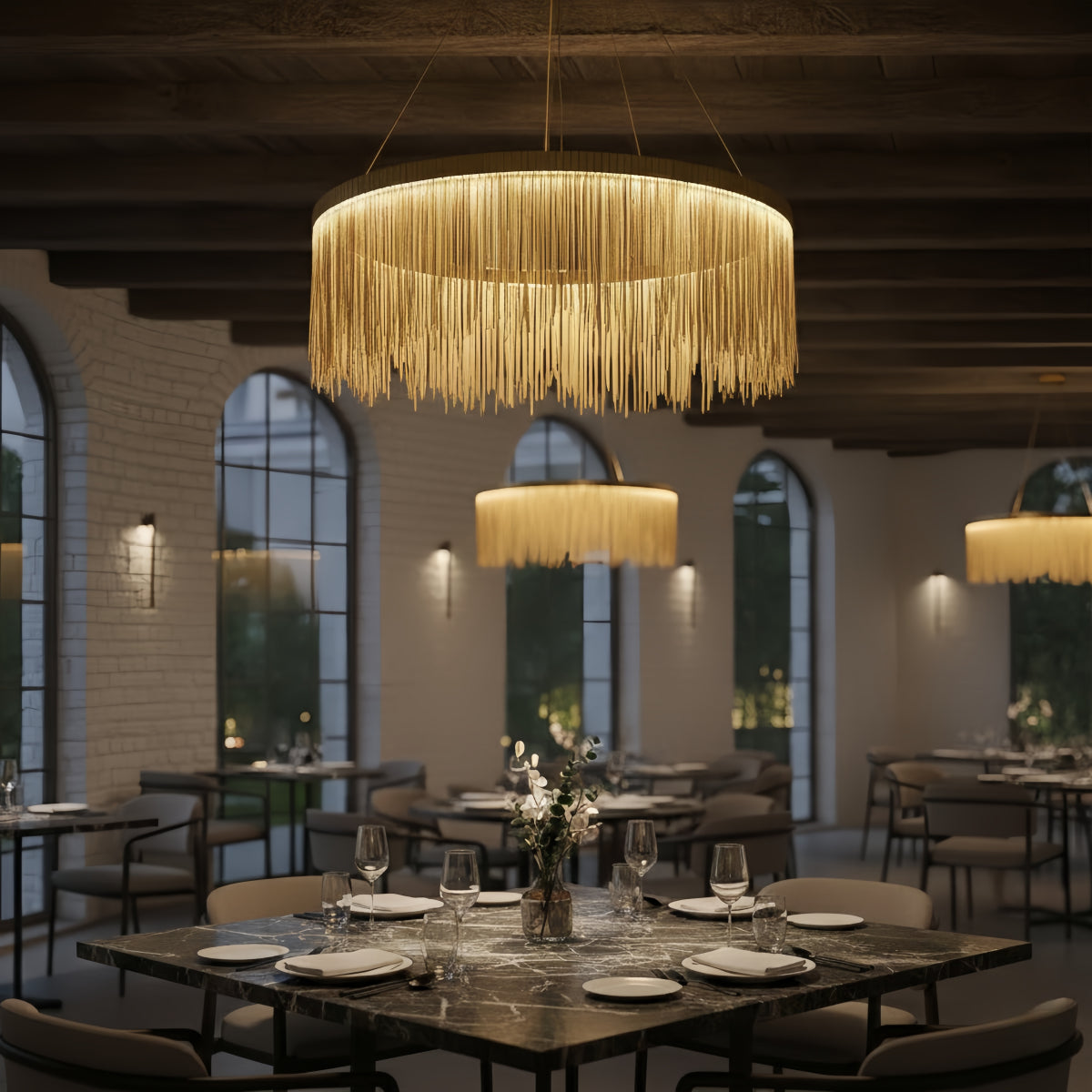
Lámpara Colgante Velora Royal – Acabado Metálico Dorado/Níquel Satinado para Sala de Estar
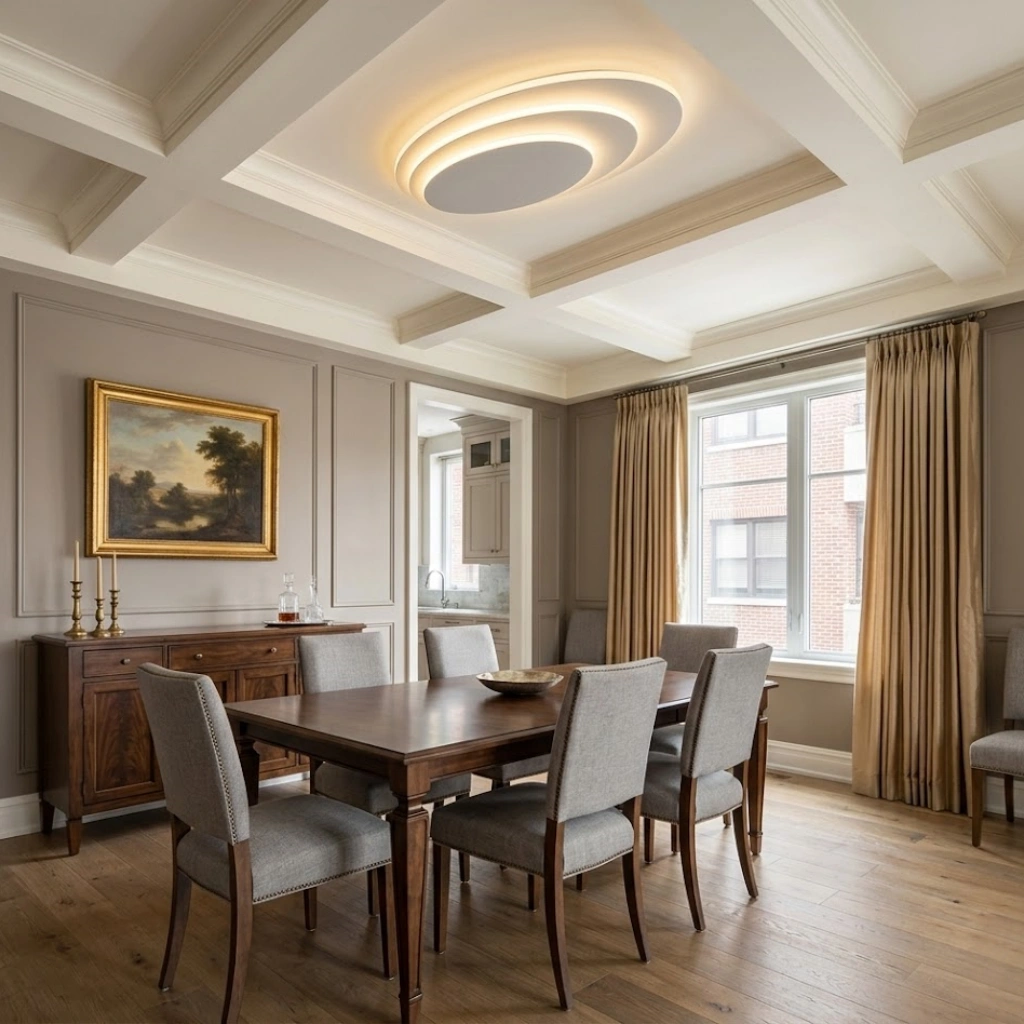
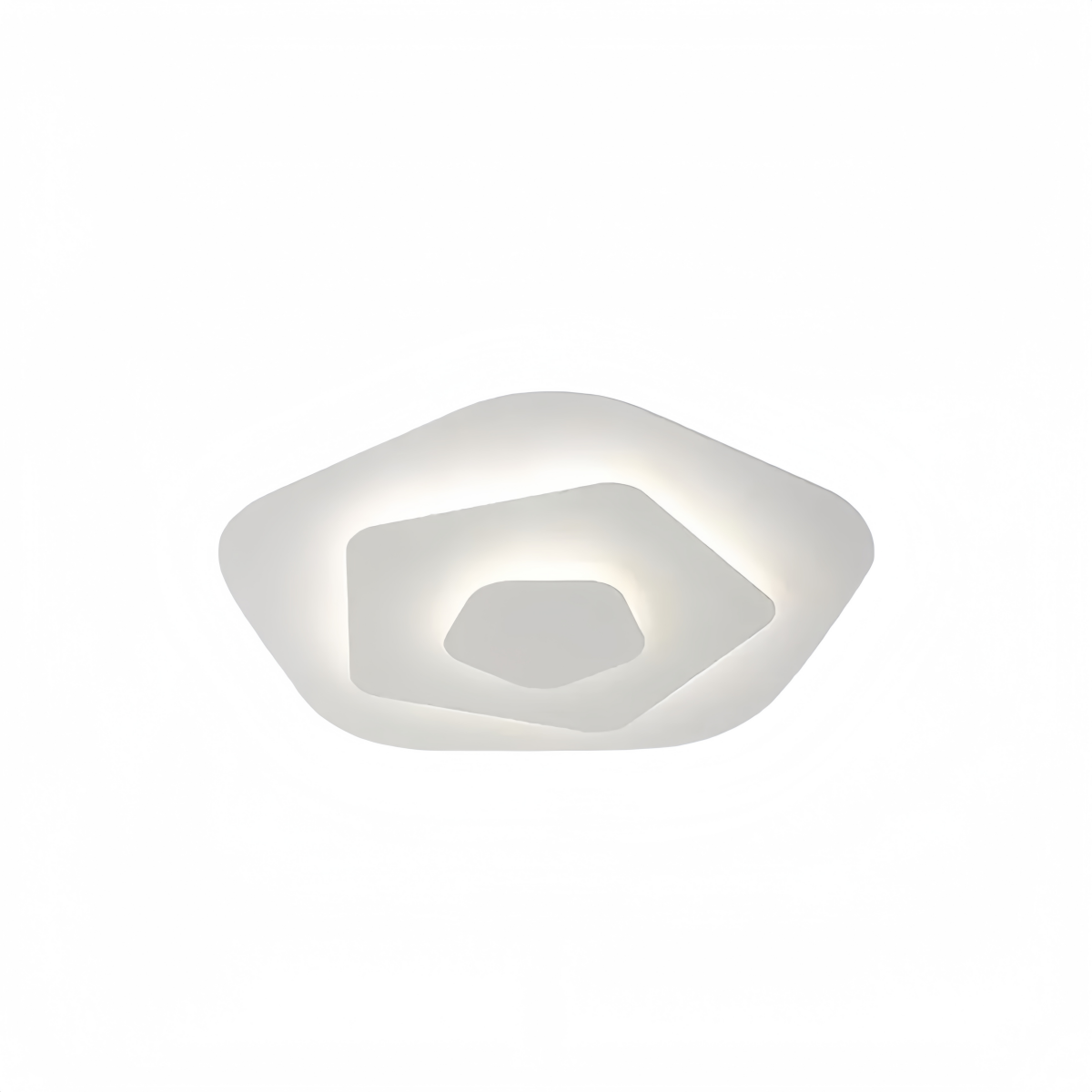
Crema, plafón moderno nórdico redondo, lámpara de techo – Dispositivo blanco
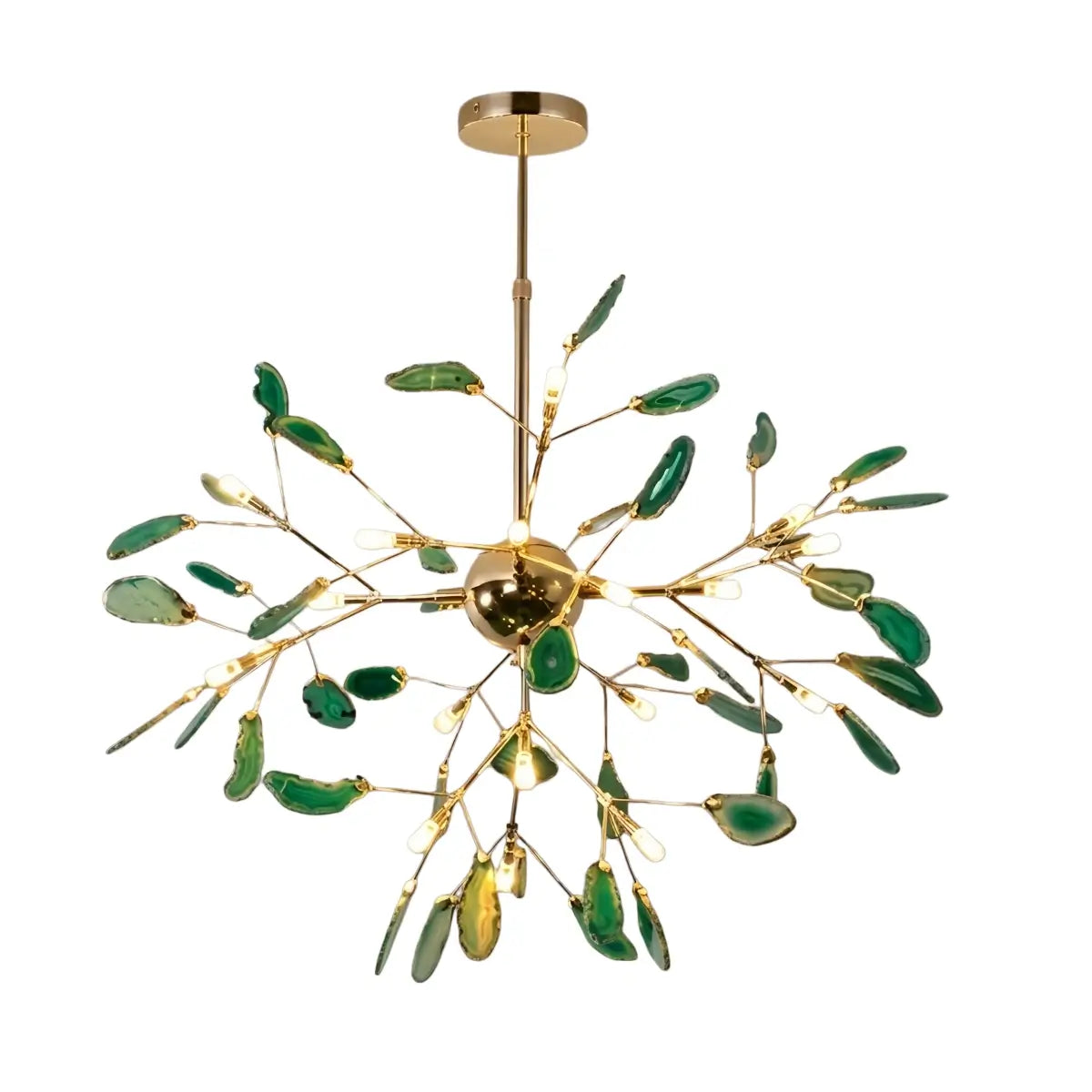
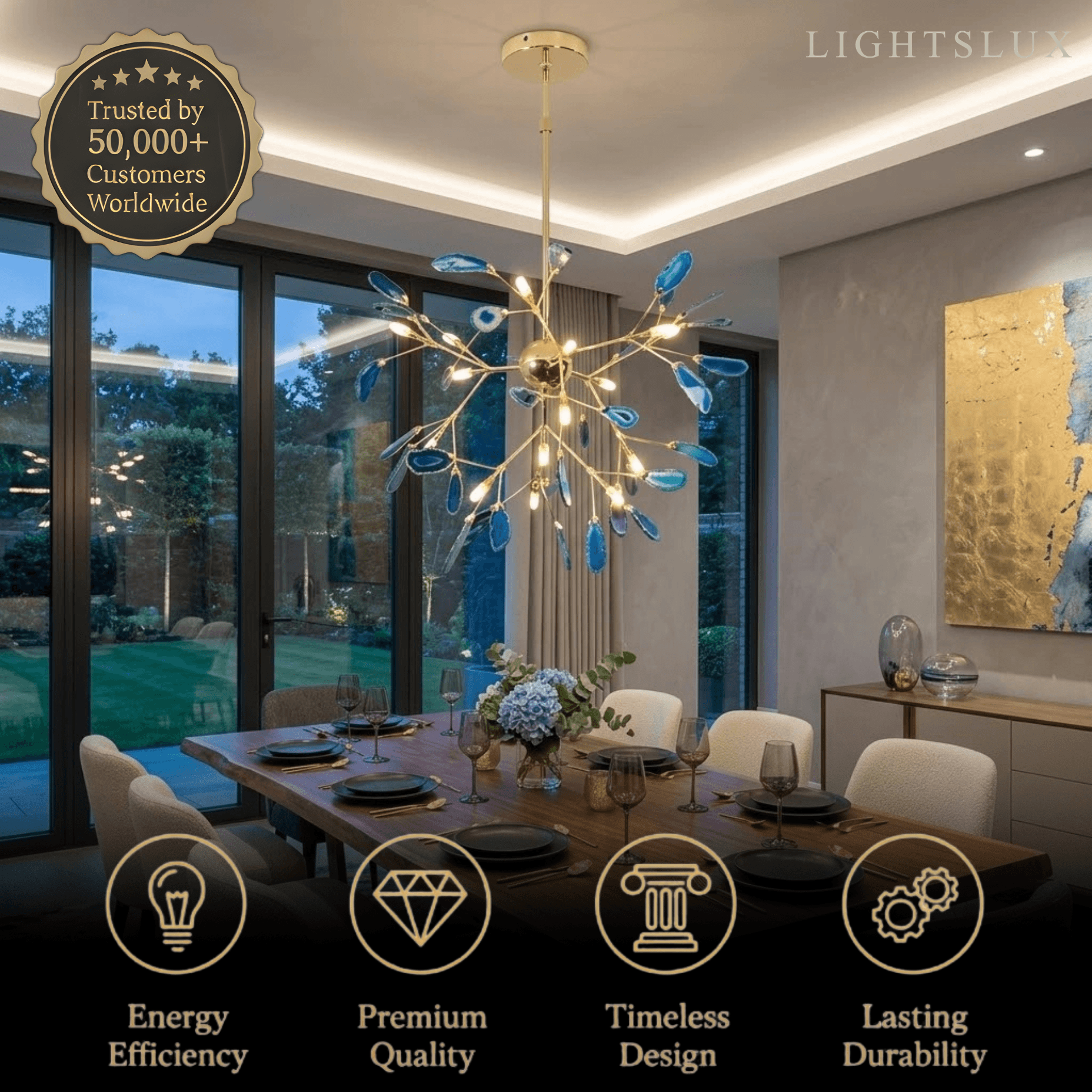
Lámpara de araña Excelis Art Deco de ágata - Diseño de hojas en azul/verde/colorido
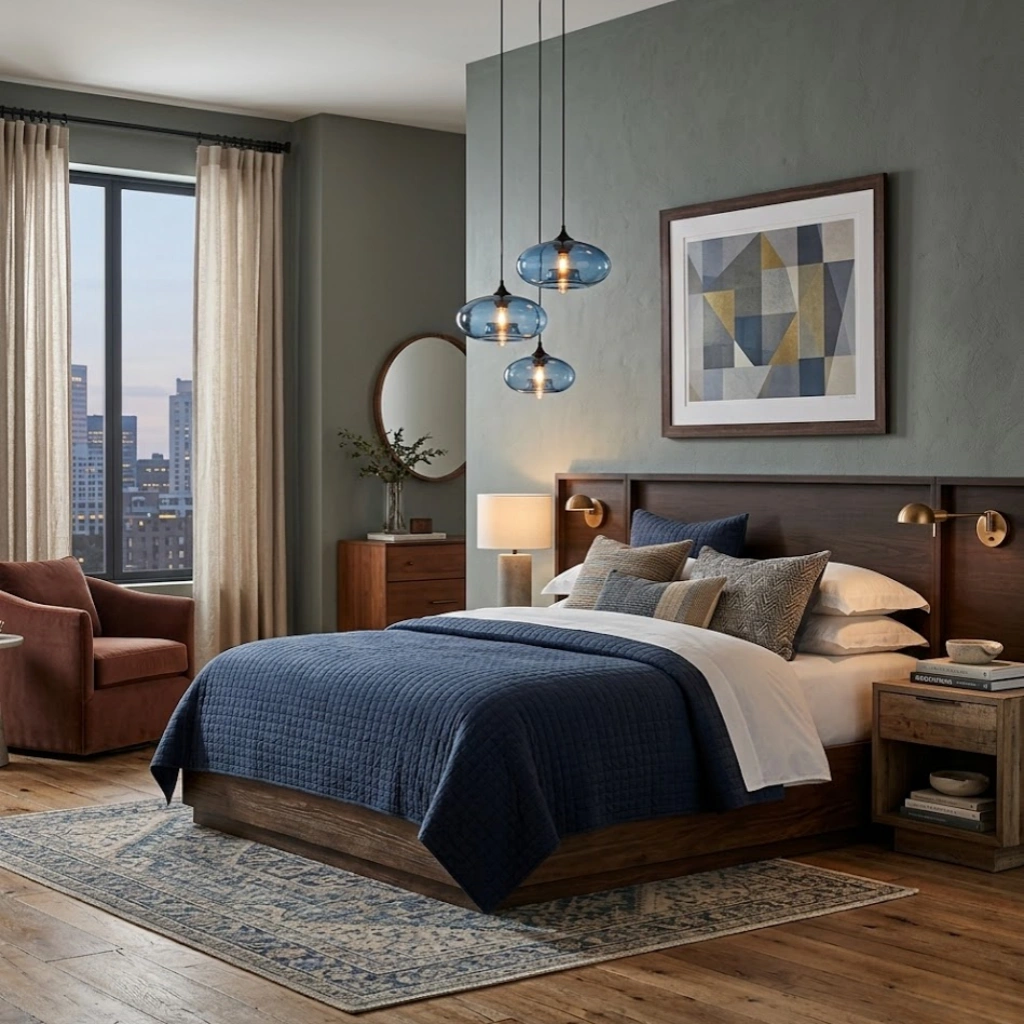
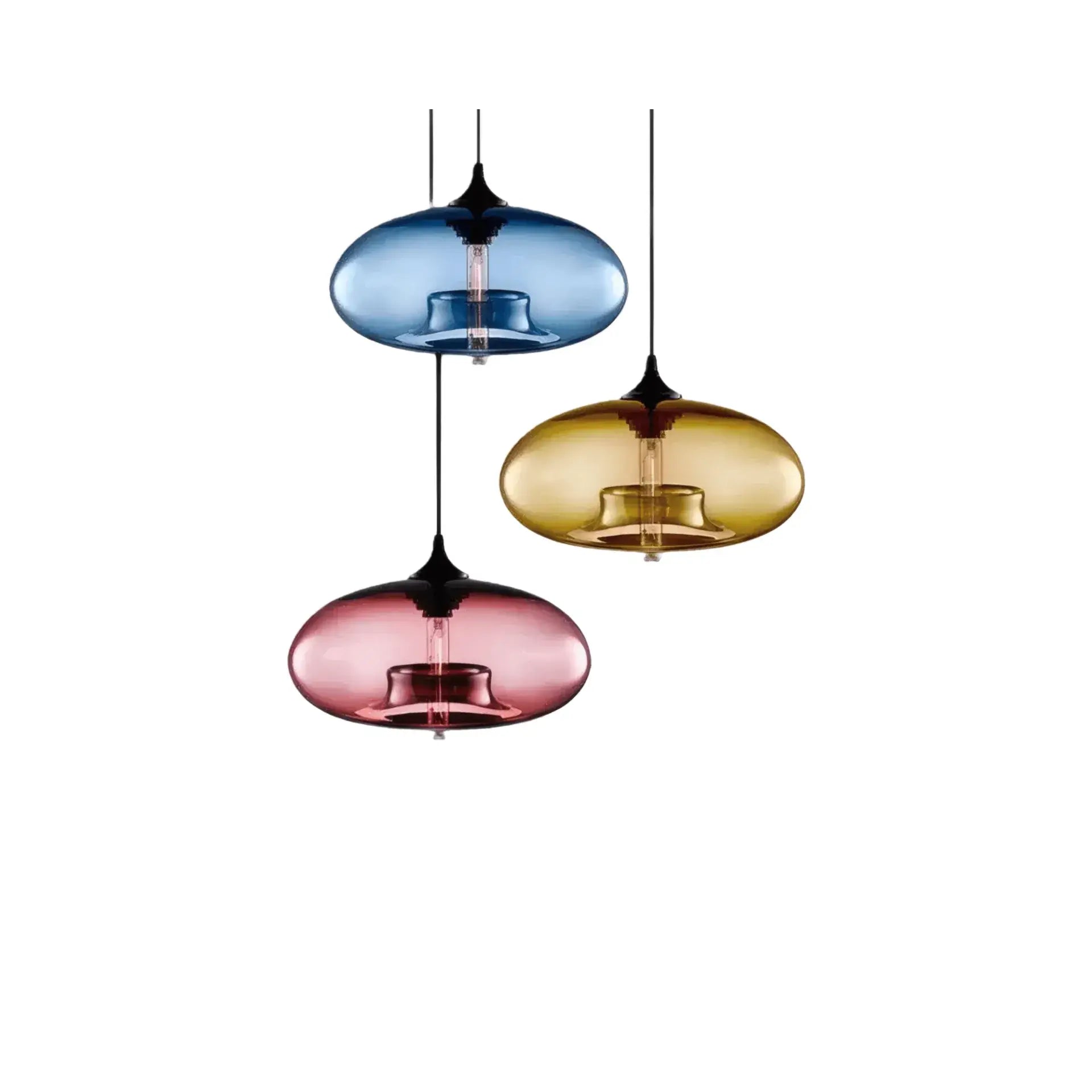
Lámpara Colgante Moderna de Vidrio Morandia – Lámpara en Forma de Pan para Isla de Cocina, 5 Colores

Dining Room Lighting FAQs
What type of lighting is best for a dining room?
The best dining room lighting usually combines a central fixture with layered lighting. A dining room chandelier or pendant light works well as the focal point, while wall sconces or dimmable accent lights help create a warm and balanced atmosphere for meals and gatherings.
How low should a dining room pendant light hang?
A dining room pendant light should typically hang about 28–36 inches above the dining table surface. This height provides enough illumination without blocking sightlines or feeling too low, ensuring both comfort and visual balance in your dining space.
What color temperature is best for dining room lighting?
For a cozy and inviting atmosphere, warm white lighting (2700K–3000K) is most recommended for dining rooms. It enhances food presentation and creates a comfortable environment for family dinners and entertaining guests. Cooler tones are generally less suitable for dining areas.
How big should a dining room light fixture be?
The size of your dining room lighting fixture should be proportional to your table. A good rule is that the fixture width should be about half to two-thirds the width of the dining table. Larger tables benefit from linear pendant lights or multi-light chandeliers to ensure even illumination.
Dining Room Lighting Ideas and Design Inspiration
Lighting in a dining room is a key factor that defines not only visibility but also atmosphere, social comfort, and visual identity. A well-designed lighting plan goes beyond a single fixture above the table and instead focuses on layered illumination that balances brightness and mood. Designers often combine ambient ceiling lighting with accent and task lighting to create depth and avoid flat, overly uniform illumination. This approach ensures that dining spaces feel warm during meals while still maintaining clarity for daily use. To explore how these principles are applied in real residential design scenarios, it is useful to look at professional guidance in Dining Room Lighting Ideas: Illuminate Your Space with Style.
The structure of dining room lighting is strongly influenced by the choice of ceiling fixtures, especially chandeliers and pendant lights placed above the table. These fixtures act as both functional light sources and visual focal points that define the entire dining space. Proper selection of size, height, and brightness ensures balanced illumination without overpowering the room. In modern interiors, ceiling lighting is often combined with dimmable technology to allow flexible mood control across different occasions. This combination helps create a dining environment that can shift from casual meals to formal gatherings effortlessly. For deeper insight into fixture selection and styling, see Best Pendant Light for Dining Room 2026: Size, Style & Tips.
Pendant lighting also plays a major role in shaping the visual identity of a dining room, especially when used as a statement piece above the table. The material, shape, and light diffusion all influence how the fixture interacts with surrounding furniture and décor. Glass, metal, and sculptural designs each create different lighting effects, from soft ambient glow to focused illumination. When properly proportioned to the dining table, pendant lighting enhances both symmetry and spatial balance. This makes it a crucial element in modern interior styling where lighting is both functional and decorative. To explore current design directions and styling ideas, refer to Pendant Lights for dining rooms you’ll love this year.
A complete dining room lighting system relies on combining multiple layers of illumination, including ceiling lights, pendant fixtures, wall sconces, and ambient accent lighting. This layered approach allows flexible control over brightness and mood, adapting the space for dining, entertaining, or relaxed everyday use. It also enhances architectural depth and helps visually define different functional zones in open-plan layouts. By integrating multiple fixture types, designers can achieve both consistency and versatility in lighting design. For a broader understanding of room-by-room lighting coordination strategies, explore Lighting Recommendations by Room: Stylish and Practical Fixtures for Every Space.