


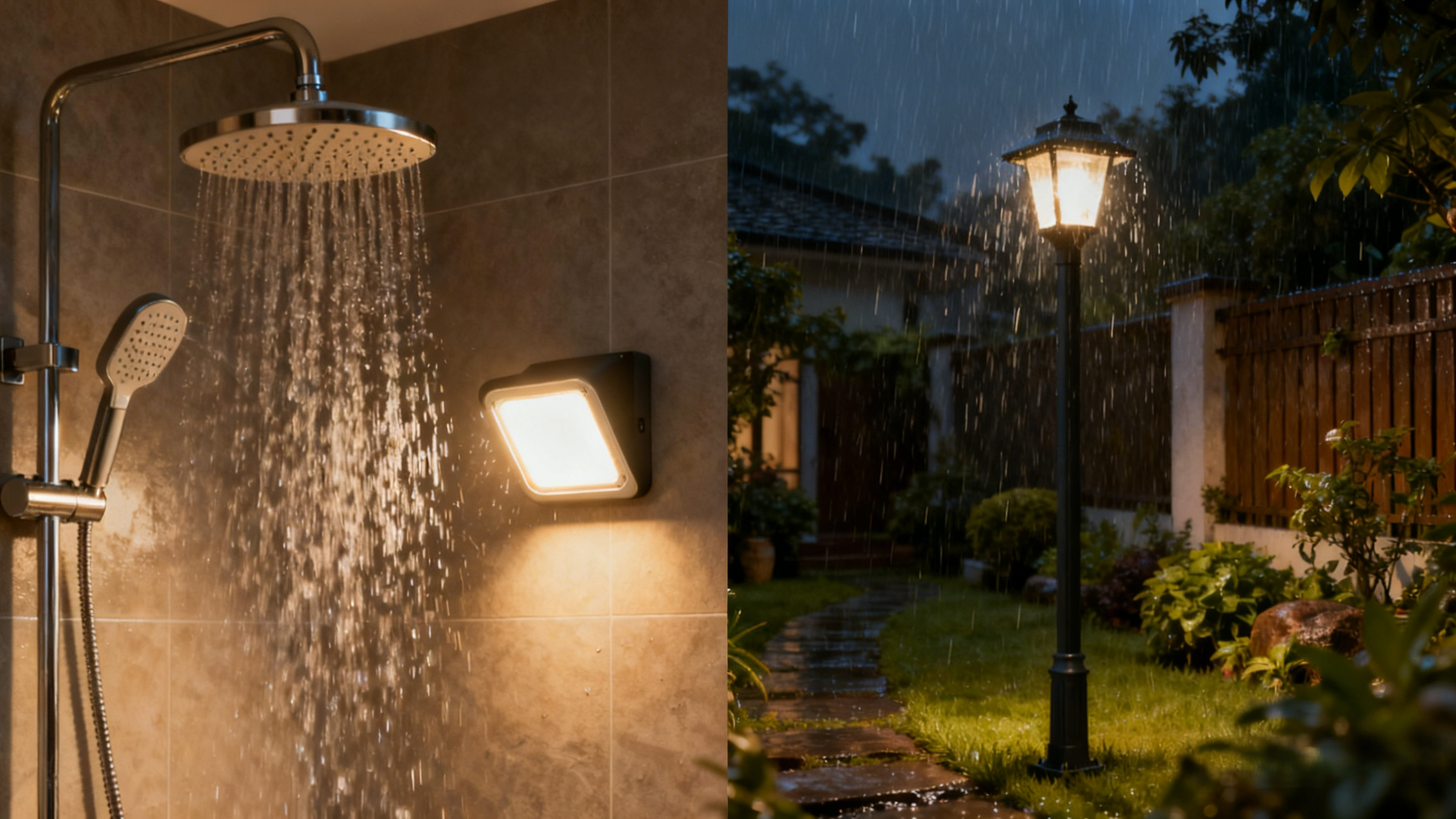
Do you ever feel worried about your bathroom or outdoor lights when water splashes or it rains? Picking the right ip rating keeps your lights safe from water and stops dust from building up. The right rating helps your lights last longer and stay safe, even in wet spots. Some people make mistakes by choosing the wrong Bathroom Light Outdoor Light for the space, and this can cause electrical dangers. An ip rating keeps out water and helps your bathroom and outdoor spaces stay safe.
Key Takeaways
Pick the correct IP rating for your bathroom and outdoor lights. This helps keep you safe and makes the lights last longer. For bathrooms, use IP44 or higher in wet places. This protects the lights from water splashes and moisture. Outdoor lights need at least IP65 to handle rain and dust. Use IP68 if the light will go underwater. Always look at the IP rating for each bathroom zone. This helps stop electrical dangers. Check the IP ratings table to choose the right lights. This helps you make smart choices about your lighting fixtures.
Choosing the Right IP Rating
Selecting the correct ip rating for your bathroom light outdoor light fixtures helps you keep your home safe and your lights working longer. You need to think about how much water and dust each area gets. The right rating protects your lighting from splashes, rain, and even full immersion. You can use quick recommendations to make smart choices for both bathroom and outdoor spaces.
Bathroom Light IP Ratings
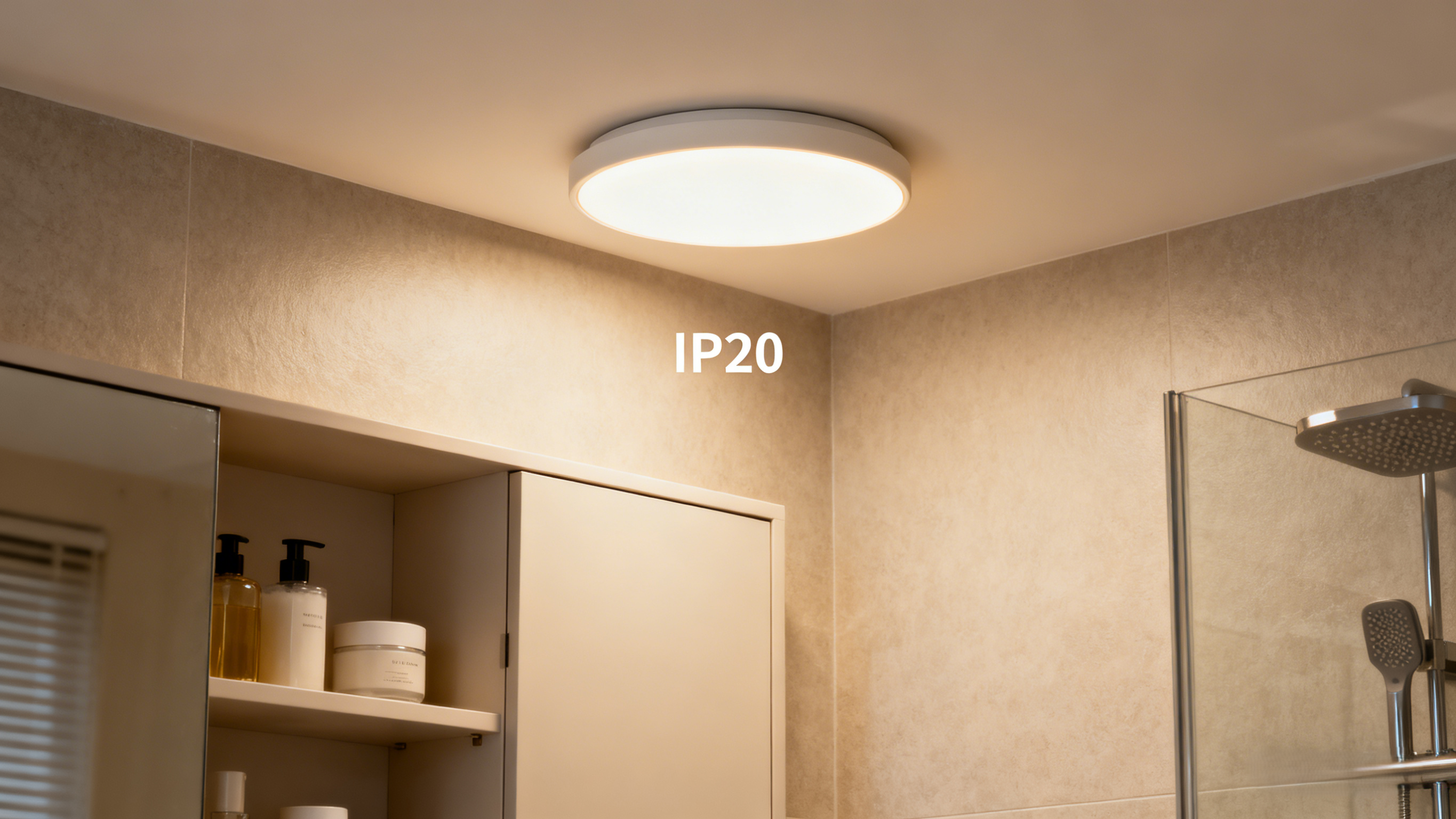
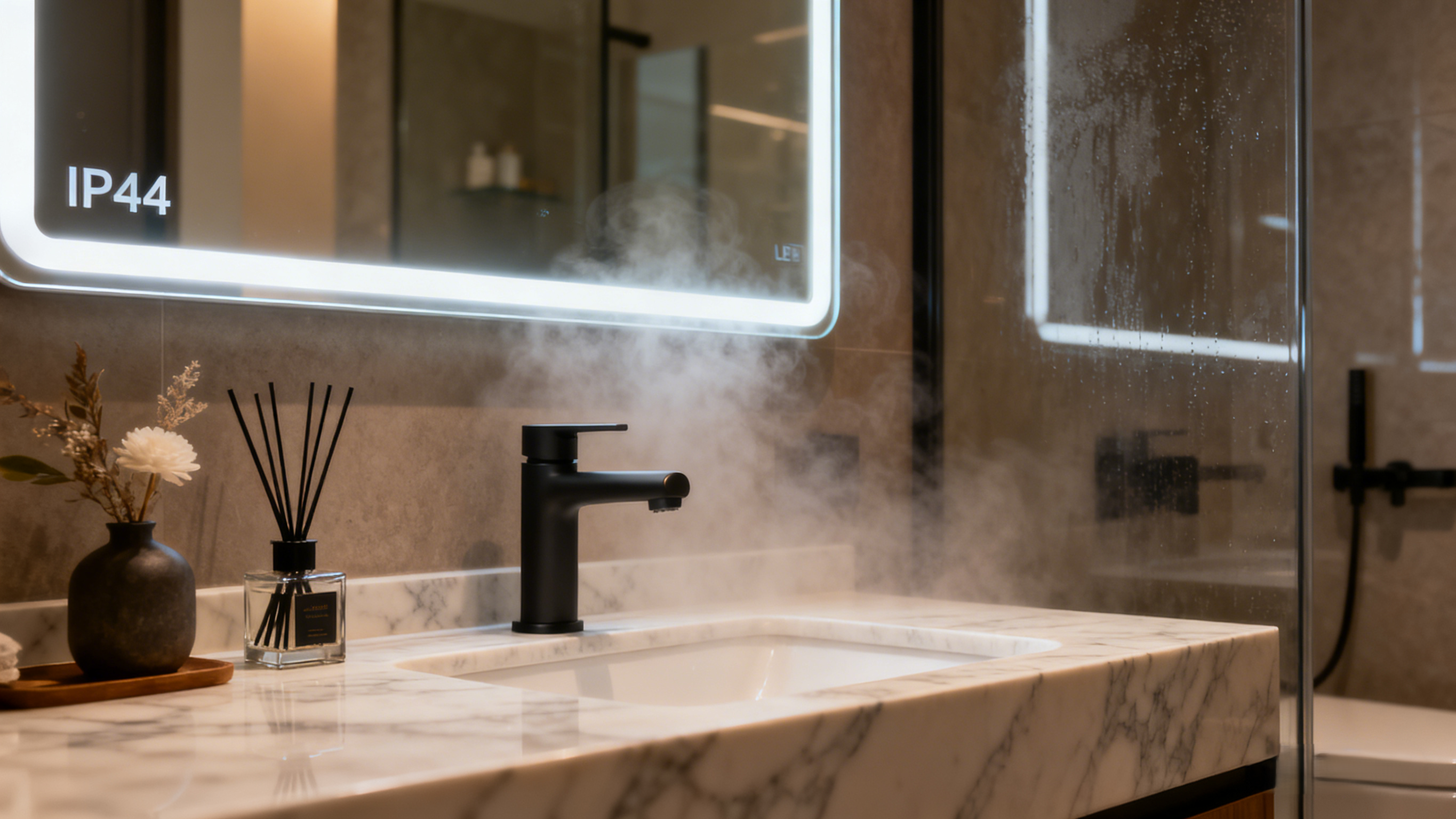
You must pay close attention to the bathroom zones when picking lighting. Each zone has different risks from water and steam. The lighting ip rating you choose should match the zone’s exposure. For dry areas, you can use fixtures with an ip rating of IP20. These work well in places with little moisture. In moist areas, such as near sinks or showers, you need IP44 or higher. These ratings keep your bathroom lighting safe from splashes and humidity.
Tip: Always check the zone before installing any bathroom light. The wrong rating can lead to electrical problems and safety hazards.
Here is a table that shows the minimum ip ratings for each bathroom zone:
Zone |
Description |
Minimum IP Rating |
|---|---|---|
Zone 0 |
Inside the bath or shower |
IP67 |
Zone 1 |
Above the bath or shower up to 2.25m |
IP44 (IP65 recommended) |
Zone 2 |
0.6m around the bath/shower and basin area |
IP44 |
If you use a fixture with a lower rating in a wet zone, water can reach the electrical parts. This can cause the light to fail or even create a shock risk. You should always use waterproof fixtures in Zone 0 and Zone 1. For Zone 2, splash-proof lights are enough.
Outdoor Light IP Ratings
Outdoor lighting faces rain, dust, and sometimes snow. You need strong protection to keep your lights working. For outdoor wall lights, streetlights, and security lighting, IP65 or higher is best. This rating keeps out water jets and dust. If you want to light up a pool or fountain, you need IP68. This rating means the fixture can stay underwater for a long time.
Here is a table that compares IP65 and IP68 for outdoor use:
Feature |
IP65 |
IP68 |
|---|---|---|
Water Resistance |
Protects against rain and splashes |
Can be submerged in water for extended periods |
Dust Protection |
Complete protection against dust |
Complete protection against dust |
Use Cases |
Outdoor lights, security cameras |
Underwater cameras, marine equipment |
Maintenance |
Requires more maintenance in humid conditions |
Minimal maintenance required |
Durability |
May degrade in humid conditions |
Higher durability under harsh conditions |
IP65 is perfect for outdoor areas with heavy rain and dust.
IP68 works best for pools, fountains, or places where lights stay underwater.
Note: Always use specific ip ratings for each area. This keeps your lighting safe and helps you avoid costly repairs.
Choosing the right ratings for your bathroom and outdoor spaces protects your home and your family. You keep water and dust away from electrical parts. You also make sure your lights last longer and work safely.
Understanding IP Ratings
What Is an IP Rating?
You may see the letters IP on many lighting products, especially for bathrooms and kitchens or outdoor spaces. IP stands for Ingress Protection. This code shows how well a fixture keeps out dust and water. The International Electrotechnical Commission (IEC) created this standard to help you know if a light is safe for wet locations. The IP rating uses two numbers. The first number shows how much protection the fixture has against solid objects like dust. The second number shows how well it keeps out water. For example, an IP67 rating means the light is dustproof and waterproof, even if you put it under water for a short time. This system helps you choose the right lighting for safety and durability.
How to Read IP Ratings
You can read an IP rating by looking at the two digits after the letters IP.
The first digit tells you how much the fixture keeps out solid things, such as dust.
The second digit tells you how much it keeps out liquids, such as water.
Higher numbers mean better protection. For example, IP20 is good for dry rooms, while IP65 is better for outdoor or wet locations. If you see IP68, the fixture can handle being underwater for a long time. Always check the rating before you buy a light for your bathroom or outdoor area.
Lighting IP Rating Explained
Lighting ip rating helps you pick the right fixture for each space. The IEC sets the rules for these ratings. You can see the most common ratings in the table below:
IP Rating |
Description |
|---|---|
IP20 |
Good for dry rooms. |
IP44 |
Works in semi-sheltered outdoor spaces and some indoors. |
IP65 |
Handles damp areas and sheltered outdoor spaces. |
IP66 |
Withstands strong water jets. |
IP67 |
Safe for full submersion. |
IP68 |
Protects against continuous water immersion. |
You should use IP44 or higher for bathrooms and kitchens. For outdoor lights, IP65 or higher is best. These ratings help keep your lighting safe and working well, even in wet locations. The IP system is important for safety and long-lasting lights.
Bathroom Zones and IP Ratings
Bathroom Zones Overview
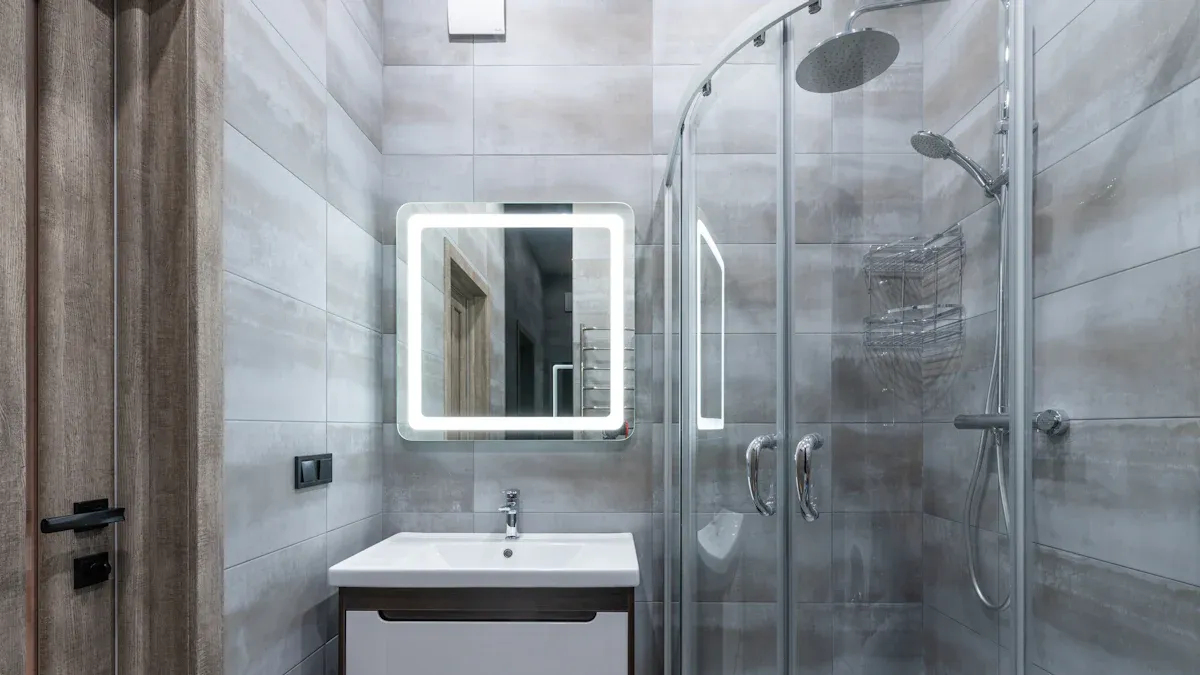
You need to know about bathroom zones before you choose any lighting. Each zone has a different level of risk from water. The closer you get to the bath or shower, the higher the risk. You will find four main zones in most bathrooms and kitchens:
Zone 0: Inside the bath or shower tray. This area gets the most water.
Zone 1: Right above the bath or shower, up to 2.25 meters high.
Zone 2: The area stretching 0.6 meters outside the bath or shower and around the sink.
Outside Zones: Any area outside Zones 0, 1, and 2. These spots stay mostly dry.
You must match the right ip rating to each zone. This keeps your bathroom lighting safe and helps prevent accidents. The ip system uses two numbers. The first shows protection from dust. The second shows protection from water. You can see how the need for protection increases as you move closer to wet locations.
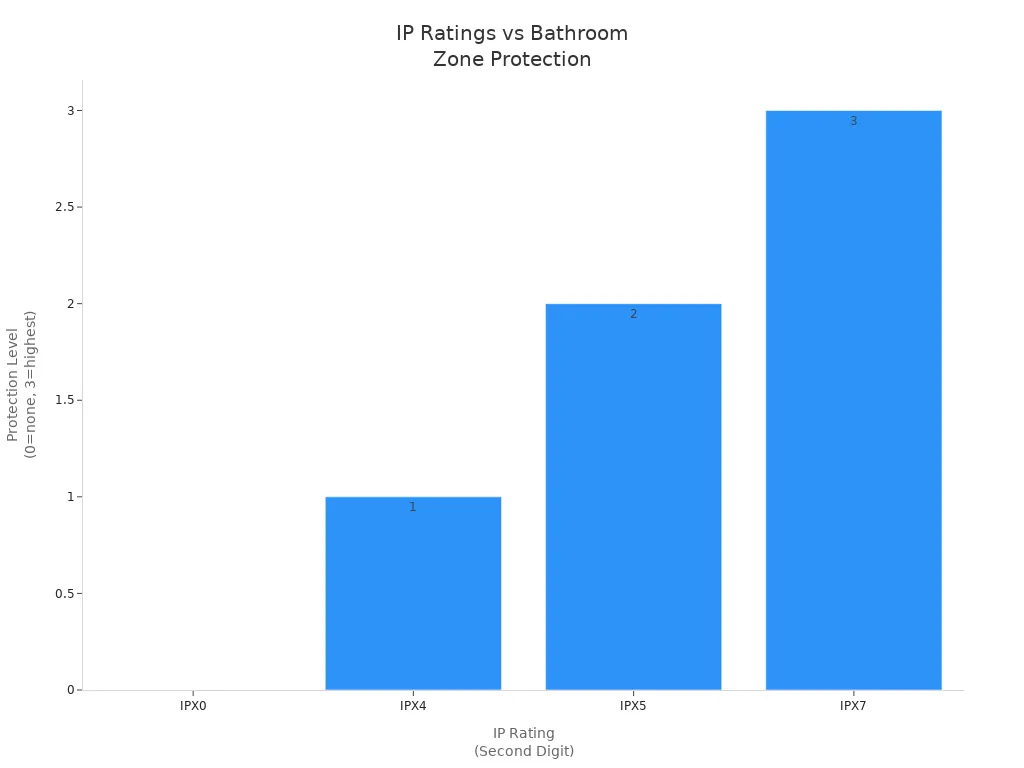
Recommended IP Ratings by Zone
You should always check the minimum and recommended ratings for each bathroom zone. The table below shows what you need for safety:
Bathroom Zone |
||
|---|---|---|
Zone 0 |
IP67 |
- |
Zone 1 |
IP44 |
IP65 |
Zone 2 |
IP44 |
- |
Outside Zones |
IP20 (advisable) |
- |
Zone 0 needs a waterproof fixture, like a shower light with IP67. This rating protects against full water immersion.
Zone 1 needs at least IP44, but IP65 gives better safety from water jets.
Zone 2 also needs IP44 to guard against splashes.
Outside zones can use IP20, but you should always check for dust and moisture.
Tip: Always use the correct rating for each zone. This helps your bathroom light outdoor light last longer and keeps your home safe.
The right ip rating protects your lighting from water and dust. You keep your bathroom lighting working well, even in wet locations. You also lower the risk of electrical problems in bathrooms and kitchens or outdoor spaces.
Outdoor Lighting IP Ratings
Protected vs. Exposed Areas
It is important to know about protected and exposed areas before picking outdoor lights. Protected areas are places like covered patios or porches. These spots have some shelter from rain and dust. Exposed areas are open gardens, driveways, or places with no cover. These areas get direct weather like rain and wind. The right ip rating helps keep your lights safe and working.
Here is a table that shows the lowest rating you need for each area:
Area Type |
Minimum IP Rating |
|---|---|
Partially Protected |
IP44 |
Completely Exposed |
IP65 or higher |
Protected areas can use lights with IP44. These lights can handle splashes and some dust. For exposed places, you need higher ip ratings like IP65 or more. These ratings protect against strong water jets and lots of dust. This keeps your lights safe from rain, mud, and wind.
Outdoor Light IP Ratings Guide
IP ratings show how well your lights keep out dust and water. Each rating has two numbers. The first number is for dust protection. The second number is for water protection. Picking the right rating helps your outdoor lights work safely and last longer.
An IP rating has two numbers, like IP65 or IP44. The first number shows protection from solid things. The second number shows protection from liquids. Picking the right IP rating keeps your lights safe and working in the right place.
When you choose outdoor lights, remember these tips:
For lights that stay outside all the time, pick ones with a first number of 5 or 6 and a second number of 5-8. This helps the lights last in wet places.
Make sure the lights fit the outdoor spot so they work well.
Use waterproof lights near pools or fountains.
Follow these steps to match your rating to the area:
Match the IP rating to the weather and dust. Make sure the rating fits the area.
Think about the weather and where you put the lights.
-
Pick the right ratings for each place:
For garden lights, use at least IP44.
For decks and patios, IP65 gives better protection.
For poolside lights, use at least IP67.
Outdoor lights need strong protection. Using the right rating keeps your bathroom light outdoor light fixtures safe. High ip ratings help your lights last longer and work well in any weather.
IP Ratings Reference Table
Bathroom Light Outdoor Light Quick Reference
This table helps you pick the right ip rating for your bathroom and outdoor lights. It shows common ip codes, what they mean, and where to use them. You can use this to choose safe lighting for each spot in your home. This keeps your lights safe from water and dust.
Location/Use |
Minimum IP Rating |
Description |
Example Fixtures |
|---|---|---|---|
Dry indoor areas |
IP20 |
Basic protection against solid objects |
Ceiling lights, wall sconces |
Bathroom Zone 0 (inside tub/shower) |
IP67 |
Complete protection against dust and immersion |
Shower lights, bath lights |
Bathroom Zone 1 (above tub/shower) |
IP44 |
Protection against splashes |
Ceiling spotlights |
Bathroom Zone 2 (near sinks, outside shower) |
IP44 |
Protection against splashes |
Vanity lights |
Outdoor covered areas |
IP44 |
Protection against small objects and light rain |
Porch lights, wall lanterns |
Outdoor exposed areas |
IP65 |
Dust-tight and protection against water jets |
Garden spike lights, path lights |
Pool or fountain lighting |
IP68 fitting |
Complete protection against dust and long-term immersion |
Underwater pool lights |
Tip: Always look at the ip rating before you put in any light. The right rating keeps your lights safe from water and dust.
The ip code uses two numbers. The first number tells how well the light keeps out dust. The second number tells how well it keeps out water. For example, an ip67 light is safe if it goes under water for a short time. An ip68 fitting can stay under water for a long time. You should always use the right ip rating for each place you want to put your lights. This helps protect your lights from water and dust.
Most companies show the ip code in their product info. You can use this table to compare ratings and pick the best one for your needs. The right ip rating helps your lights last longer and stay safe.
Picking the right IP rating for your bathroom and outdoor lights helps keep your home safe. It also makes your lights last longer. You stop dust, water, and electrical problems by using the right fixture in each place.
IP ratings tell you how much a light can block dust and water.
Bathrooms should have at least IP44. Outdoor areas need IP65 or higher.
Always look at the reference table and follow the rules. Check what the manufacturer says and local codes before you buy. This makes sure your lights are safe and meet all requirements.
FAQ
What does each number in an IP rating mean?
The first number shows how well the light keeps out solid things like dust. The second number shows how well it keeps out water. Higher numbers mean better protection.
Can I use an indoor light fixture outside if it has a high IP rating?
You should not use indoor lights outside, even with a high IP rating. Outdoor fixtures use special materials to handle weather changes. Always pick lights made for outdoor use.
Do I need a special IP rating for lights near a pool?
Yes. You need IP68 for lights that go in or near pools. This rating protects against long-term water immersion. It keeps your lights safe and working underwater.
How do I find the IP rating on a light fixture?
You can find the IP rating on the product label, box, or in the manual. Look for “IP” followed by two numbers, like IP44 or IP65.


