

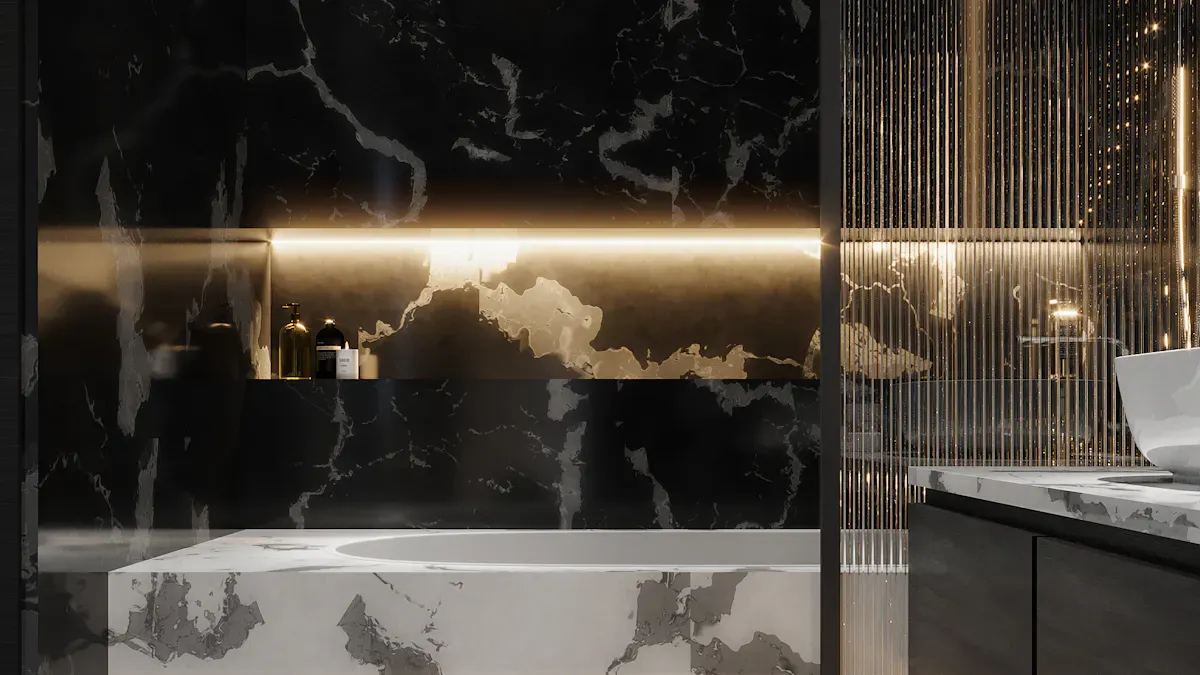
Great bathroom lighting can completely change how your space feels and works. When you think about lighting design, you want more than just one bright bulb overhead. You need to layer your lighting design for safety, function, and style. Bathroom lighting zones—ambient, task, and accent—help you cover every area. Many people make mistakes like placing fixtures in the wrong spot or picking the wrong bulbs, which can cause shadows or uneven light. Choose fixtures made for bathrooms that match your style and have the right safety ratings. With a few lighting design tips, you can make your bathroom look and feel amazing.
Key Takeaways
Use different lights in your bathroom for a good mix. Add ambient, task, and accent lights for a space that works well. Pick the best fixtures and bulbs for each area. This helps keep you safe and makes your bathroom look nice, especially where it gets wet. Put task lights at eye level near mirrors. This stops shadows and helps you see better when you get ready. Use dimmers and smart controls to change the lights for any mood or activity. This also helps you save energy. Accent lighting can show off cool design parts. It makes your bathroom look deeper and fancier.
Understanding Bathroom Lighting Zones
When you step into a bathroom, you probably notice how the light feels. Maybe it’s bright and welcoming, or maybe it’s a little too dim. The secret to a great bathroom is using the right mix of bathroom lighting zones. You want to make sure every part of your bathroom works well and looks good. Let’s break down what these zones are and why they matter.
Ambient Lighting Basics
Ambient lighting gives your bathroom its main glow. This is the light that fills the whole room and helps you see where you’re going. You might use a ceiling fixture or hidden lights for this. Ambient lighting creates a warm, even atmosphere so you don’t have dark corners.
Here’s a quick look at the three main bathroom lighting zones and what they do:
Lighting Type |
Definition |
|---|---|
Task Lighting |
Focused illumination for grooming activities, typically provided by fixtures around or above mirrors. |
Ambient Lighting |
General illumination that creates a warm atmosphere, often achieved with ceiling fixtures or hidden lights. |
Accent Lighting |
Highlights specific features or decor elements, using fixtures like recessed spotlights for emphasis. |
You want to start with ambient lighting because it sets the mood for the whole space. It helps you move around safely and makes the bathroom feel inviting.
Task Lighting for Vanities
Task lighting is all about helping you see clearly when you need to do something important, like shaving or putting on makeup. You usually find task lighting near the vanity or mirror. This type of light should be bright and focused so you don’t get shadows on your face.
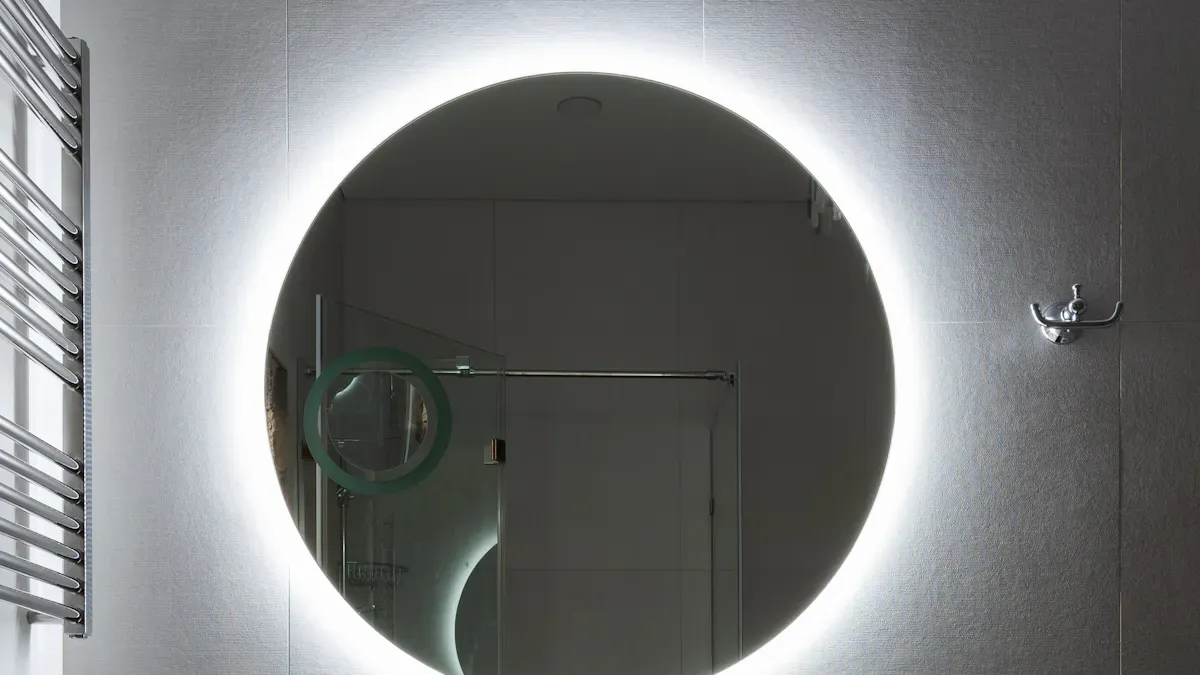
Many people use lights on both sides of the mirror or a fixture right above it. One of the latest trends is backlit mirrors. These mirrors have LED lights built in, so you get even light without taking up extra space. The soft glow from behind the mirror helps you see your face clearly and gets rid of harsh shadows.
If you want your bathroom lighting zones to work well, you need to layer your lights. Layering means you use ambient lighting, task lighting, and accent lighting together. This way, you get enough light for every activity and your bathroom looks stylish, too. Layering also helps you avoid shadows and makes the space feel more relaxing.
Accent Lighting Ideas
Accent lighting adds a little extra style to your bathroom. You use it to highlight special features, like a cool tile wall or a fancy bathtub. Accent lighting can go in niches, under cabinets, or along accent walls. It doesn’t have to be super bright. The goal is to draw attention to something you love.
Here’s a table to help you see where each type of light works best:
Lighting Type |
Purpose |
Best Placement |
|---|---|---|
Task Lighting |
Functional, shadow-free |
Vanity, mirrors |
Accent Lighting |
Decorative, highlights features |
Niches, under cabinets, accent walls |
When you pick fixtures for your bathroom lighting zones, you need to think about safety, too. Bathrooms have a lot of water, so you want lights that can handle moisture. Look for the right IP rating for each zone. Here’s what you need to know:
Zone |
Minimum IP Rating |
Description |
|---|---|---|
Wet Zone |
IP65 or higher |
Completely protected against dust and withstands low-pressure water jets from any direction. |
Damp Zone |
IP54 |
Protected against dust and can withstand water splashes from any direction. |
Tip: Always check the IP rating before you buy a new light for your bathroom. This keeps you safe and makes sure your lights last longer.
When you use all three bathroom lighting zones, you get a space that works for everything—getting ready in the morning, relaxing in the tub, or showing off your favorite design features. You can mix and match different lights to fit your style and needs. With the right plan, your bathroom lighting will make your space shine.
Ambient Bathroom Lighting
Fixture Types and Placement
When you want your bathroom to feel bright and open, you need the right fixtures for ambient bathroom lighting. Ceiling-mounted fixtures work great because they spread light across the whole room. You can also use LED downlights or recessed ceiling lights. These options create a soft glow that makes your bathroom feel calm and welcoming. If you want to add a bit of style, try a small chandelier or a decorative flush mount. Just make sure the size of your fixture matches your bathroom. A big fixture in a tiny space can look out of place, while a small one in a large room might not give enough light.
For even coverage, space recessed lights evenly across the ceiling. This helps you avoid dark spots and shadows. Always think about your bathroom’s layout and size before you pick your fixtures. A well-placed light can make your space feel bigger and more comfortable.
Tip: Use dimmer switches with your main lights. You can set the mood for a relaxing bath or turn up the brightness for cleaning.
Bulb Selection and Brightness
Choosing the right bulbs is just as important as picking the right fixtures. LED bulbs are a smart choice for bathroom lighting. They use less energy, last much longer, and stay cool to the touch. Here’s a quick comparison:
Feature |
LED Bulbs |
Incandescent Bulbs |
|---|---|---|
Energy Efficiency |
Consume significantly less power |
Use more power (e.g., 60 watts) |
Lifespan |
Last up to 50,000 hours |
Shorter lifespan |
Safety |
Operate at cooler temperatures |
Can get very hot |
Environmental Impact |
Lower carbon footprint |
Higher carbon footprint |
Initial Cost |
Higher upfront cost, but savings |
Lower upfront cost |
For general lighting, aim for about 70 to 80 lumens per square foot. This gives you enough brightness without being harsh. When it comes to color, bulbs with a color temperature between 2700K and 3000K work best. This range gives a warm, natural light that flatters your skin and makes the bathroom feel clean. Cooler bulbs can make your skin look dull or washed out, so stick with warmer tones for the best results.
Vanity and Task Lighting
Best Fixtures for Grooming
You need dedicated vanity lighting in every bathroom. This type of lighting helps you see clearly when you shave, put on makeup, or brush your teeth. The right fixtures make a big difference. Here are some popular choices for grooming:
Wall-mounted fixtures
Sconces
Illuminated mirrors
Each one brings its own style and benefits. You can use them alone or mix them for the best effect. Vanity lighting is the most common form of task lighting in bathrooms. It usually sits around or above the mirror. You want your fixtures to give at least 150 watts of illumination. This level of brightness helps you avoid shadows and see every detail.
Placement for Shadow-Free Light
Where you put your lights matters just as much as which ones you pick. If you want to avoid shadows on your face, place vertical fixtures or sconces on both sides of your mirror. Set them at eye level and space them about 36 to 40 inches apart. This setup spreads light evenly across your face. You can also use lighting above the basin. For this, choose a fixture at least 24 inches long and mount it 75 to 80 inches from the floor. This gives you soft, even light that makes grooming easier.
Tip: Good placement keeps your face well-lit and helps you avoid mistakes during your morning routine.
Choosing the Right Bulbs
The bulbs you choose matter a lot for bathroom lighting. Look for bulbs with a Color Rendering Index (CRI) of 90 or higher. High CRI bulbs show colors more accurately, so you can see your skin and makeup as they really look. Pick bulbs with the right wattage for your fixtures. If your lighting is too dim, you might miss spots while shaving or applying makeup. Too much brightness can feel harsh. Proper task lighting around mirrors reduces shadows and helps you stay safe, especially in wet areas.
Bulb Feature |
Why It Matters |
|---|---|
CRI 90+ |
Shows true colors |
Right Wattage |
Prevents harsh or dim light |
LED Option |
Saves energy and lasts longer |
When you get your vanity lighting right, you make your bathroom lighting work for you. You get a space that feels bright, safe, and ready for anything.
Shower and Tub Lighting
Waterproof Fixtures and IP Ratings
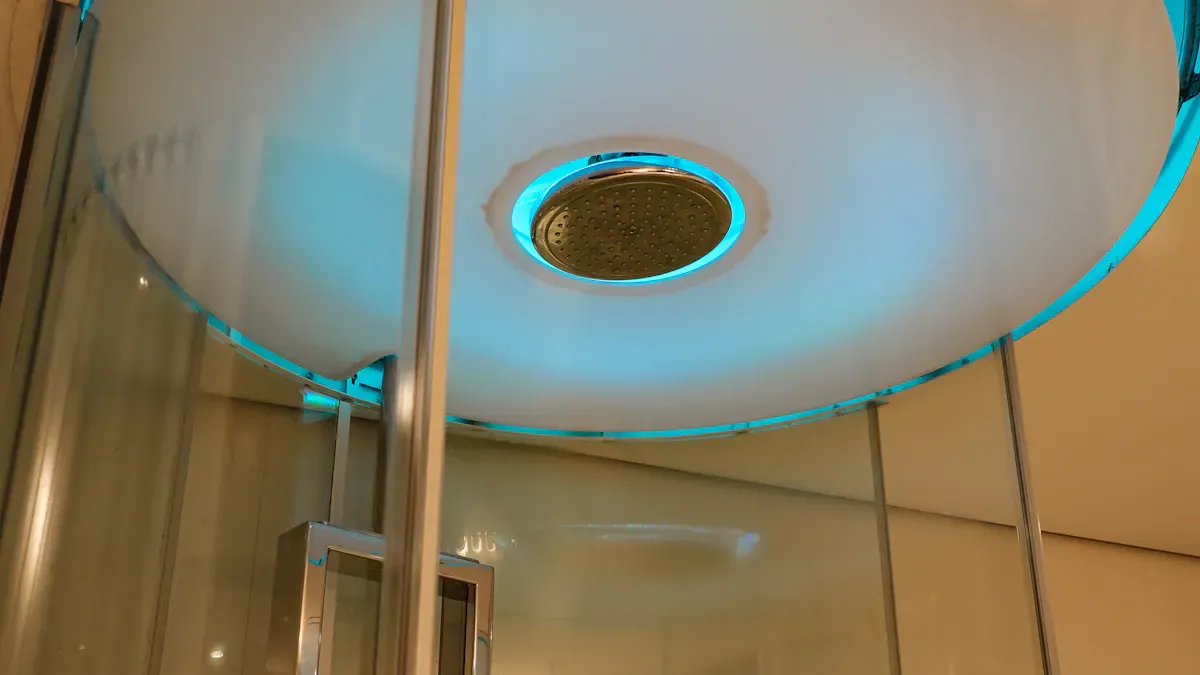
You want your shower and tub areas to feel bright and safe. Water and electricity do not mix, so you need to pick the right fixtures. The best choice for these wet zones is waterproof recessed lighting. These lights sit flush with the ceiling and have a special trim that keeps out water. You get clean, direct light without any risk of splashes reaching the bulb.
When you shop for shower or tub lights, always check the IP (Ingress Protection) rating. This rating tells you how well the fixture keeps out water and dust. For showers and tubs, look for fixtures with an IP65 rating or higher. This means the light can handle water jets from any direction. You stay safe, and your lights last longer.
Here’s a quick table to help you remember:
Area |
Minimum IP Rating |
Why It Matters |
|---|---|---|
Shower/Tub |
IP65 |
Protects against water jets |
Damp Bathroom |
IP54 |
Handles splashes and humidity |
Tip: Never use regular ceiling lights or hanging fixtures in the shower. They are not safe for wet zones.
Placement for Safety and Visibility
You want to see clearly when you step into the shower or soak in the tub. Good lighting helps you avoid slips and makes your bathroom feel relaxing. Place recessed lights right above the shower or tub for the best coverage. These lights shine straight down, so you get bright, even light where you need it most.
For the right brightness, aim for 400 to 800 lumens from each recessed light. This range gives you enough light to see soap, shampoo, and every corner of the shower. Use LED bulbs made for wet locations. They last longer and use less energy.
Use recessed lights with waterproof trim for clean, direct lighting.
Avoid chandeliers or hanging lights over tubs unless you have at least 8 feet of clearance.
Recessed lights are the safest and most code-compliant choice for these areas.
Proper shower and tub lighting keeps you safe and adds a touch of spa-like comfort to your bathroom. With the right fixtures and placement, you can enjoy every part of your space.
Layering and Accent Bathroom Lighting
Layering your bathroom lighting gives you the power to change the mood and function of your space. You can create a bright, energizing room for busy mornings or a soft, relaxing retreat for evening baths. Here’s how you can build a flexible lighting plan:
Start with ambient lighting. Use ceiling fixtures or chandeliers to fill the room with even light.
Add task lighting around your vanity. This helps you see clearly for grooming and daily routines.
Finish with accent lighting. Use it to draw attention to your favorite features or add a touch of drama.
When you layer these three types, you get a bathroom that works for every activity. You can turn on just what you need, whether you want to wake up or wind down. Layering lets you control the look and feel of your bathroom at any time.
Adding Style with Accent Lights
Accent lighting brings out the best in your bathroom’s design. You can use LED strips to highlight shelves, niches, or even the edge of your bathtub. Try modern wall sconces to show off artwork or textured tiles. Place LED strips under cabinets for a floating effect or add toe-kick lights for a soft glow at night. Backlit mirrors give your bathroom a modern touch and make your space feel bigger. Recessed spotlights work well for highlighting decorative basins or special tilework. You can angle these lights to shine right where you want.
Tip: Choose warm color temperatures (2700K–3000K) for accent lights. This creates a cozy, inviting atmosphere.
Using Dimmers and Controls
Dimmers and smart controls help you save energy and set the perfect mood. Lowering the brightness can double the life of your bulbs and cut down on electricity use. You can use dimmers to create a gentle glow for nighttime or boost the light for cleaning. Smart controls let you adjust lights with your phone or voice. Some systems even change the color and brightness based on the time of day. You can set a bright, cool light in the morning to help you wake up, then switch to a warm, soft light at night to help you relax.
Feature |
Benefit |
|---|---|
Mobile device control |
Adjust lights from anywhere |
Voice command integration |
Hands-free operation |
Customizable settings |
Set scenes for different activities |
Energy efficiency |
Use only the light you need |
Smart sensors |
Lights turn on only when needed |
With the right layers, accent lighting, and smart controls, your bathroom becomes a space that fits every mood and moment.
You can make your bathroom look great with easy steps. First, use this checklist:
Put task lighting at the vanity for grooming. Place lights at eye level on both sides of the mirror.
Use ambient lighting for a soft glow. Try a central fixture or recessed lights.
Add accent lighting to show off features and add style.
Use a shower light with a wet-rated fixture for safety.
Balance safety, function, and style in your bathroom. Here’s how each lighting type helps:
Lighting Type |
Purpose |
Key Features |
|---|---|---|
Ambient Lighting |
Makes the space feel open |
Ceiling fixtures, dimmable options |
Task Lighting |
Helps with detailed activities |
Focused light around mirrors |
Accent Lighting |
Adds depth and luxury |
LED strips, warm color for ambiance |
Good lighting can make your bathroom feel like a spa. It can also raise your home’s value. ✨
FAQ
What is the best color temperature for bathroom lights?
You want bulbs between 2700K and 3000K. This range gives you a warm, natural light. Your skin looks healthy, and the space feels inviting. Avoid cool, blue-toned bulbs for the best results.
How do I choose safe lighting for wet areas?
Look for fixtures with an IP65 rating or higher. These lights keep out water and dust. Always check the label before you buy. Safety comes first in showers and above tubs.
Can I use dimmers in the bathroom?
Yes! Dimmers let you control the mood and save energy. Make sure your bulbs and fixtures work with dimmers. You can set bright light for cleaning or a soft glow for relaxing.
Do I need accent lighting in a small bathroom?
Accent lighting works in any size bathroom. Use LED strips under cabinets or a small spotlight on a feature wall. Even a tiny space feels special with a little extra glow.


