


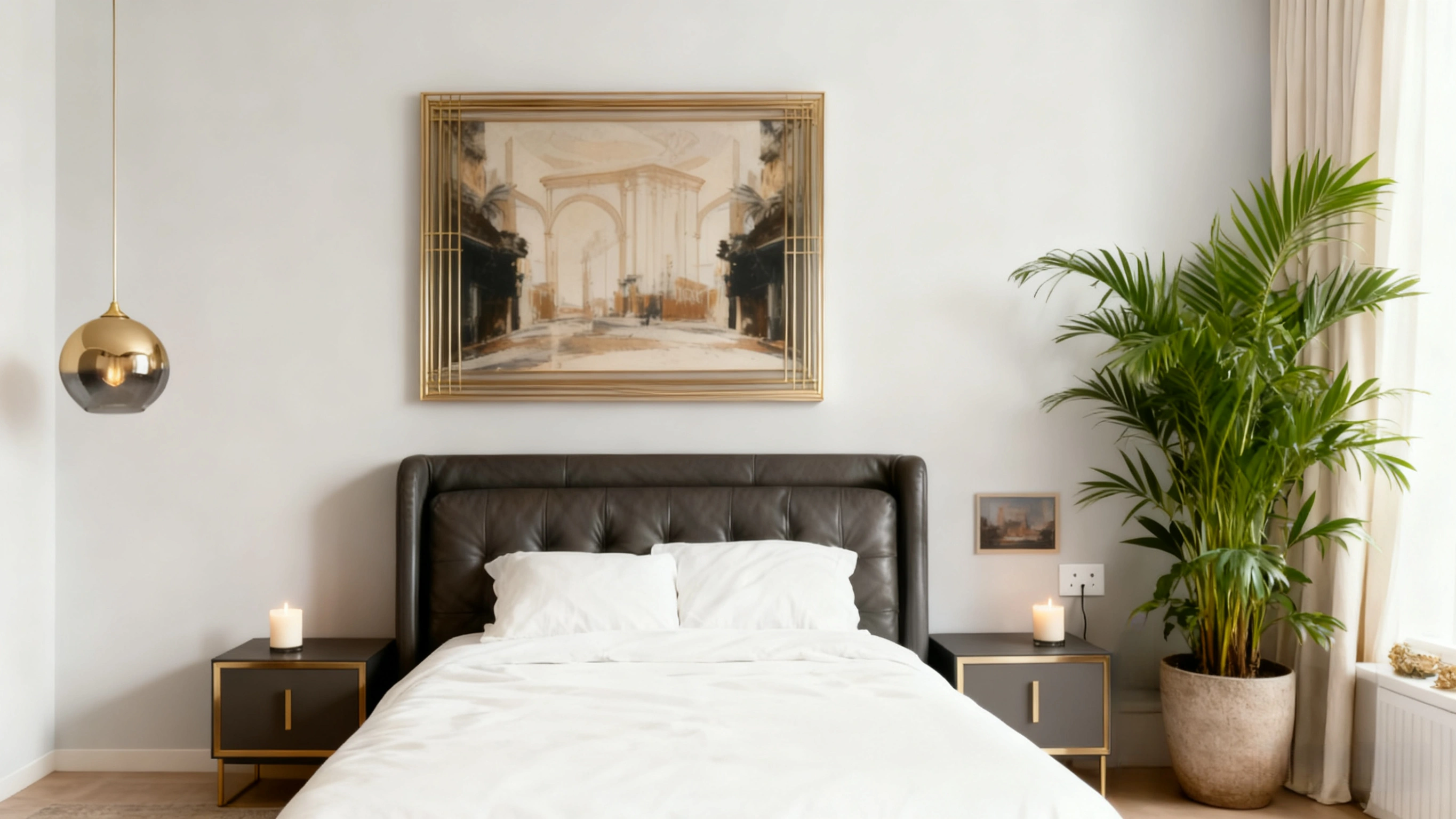
Have you ever walked into a space and felt like something was missing, even though the decor was stylish? The issue might be that you didn’t choose the right lights for modern room settings, or perhaps the only fixture is too white and makes the space feel cold. Many people have trouble selecting the best lights for modern room designs. Sometimes, a room ends up with just one lighting source, which creates dark corners and awkward shadows. Other times, the fixture is either too large or too small for the space.
-
Common lighting problems in modern rooms include:
Choosing lights for modern room that are the wrong size
Relying on a single light source
Making the room feel cold and unwelcoming with harsh white lighting
If you want your space to feel balanced and inviting, it’s important to layer your lights for modern room designs. This strategy helps you avoid the most common mistakes and creates a modern look that feels comfortable and just right.
Key Takeaways
Use ambient, task, and accent lighting together. This helps make the room feel balanced and welcoming. Pick lights that match your room’s size and style. This will make your room look better. Put warm bulbs in bedrooms to make them cozy. Use cool bulbs in work areas to help you focus. Do not use just one light source. Mix different lights for more choices. Try LED bulbs to save money and help the planet.
Lighting Basics for Modern Rooms
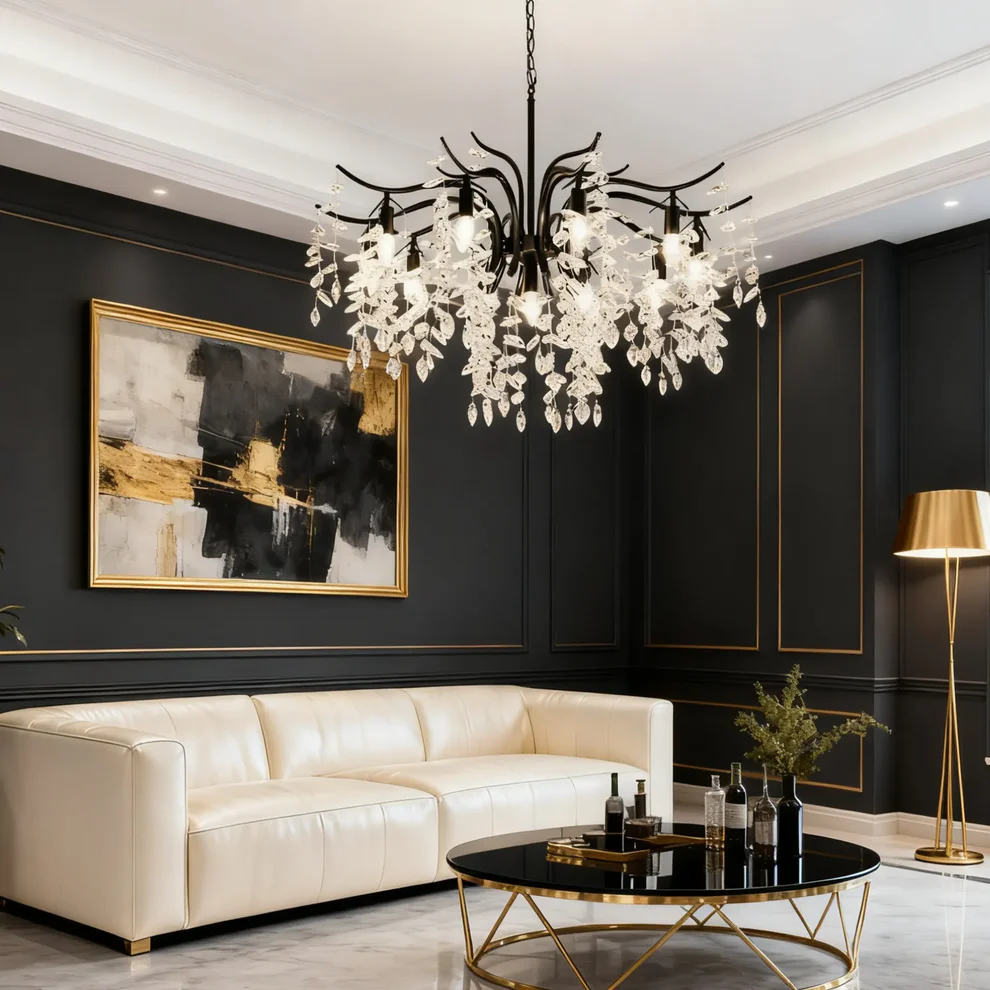
Lighting can change the way you feel in any space. In a modern room, you want to use different layers of light to make the space both stylish and practical. Let’s break down the three main types of lighting and see how each one works for you.
Role/Function |
|
|---|---|
Ambient Lighting |
General illumination for overall brightness |
Focused lighting for specific activities |
|
Highlights design elements and creates focal points |
Ambient Lighting
Ambient lighting gives your room its main source of brightness. You might use ceiling lights, recessed fixtures, or even large windows to fill the space with light. Try warm tones if you want a cozy feeling, or cool tones for a crisp, modern vibe. This layer of light helps you see and move around comfortably. It also sets the mood for the whole room.
Task Lighting
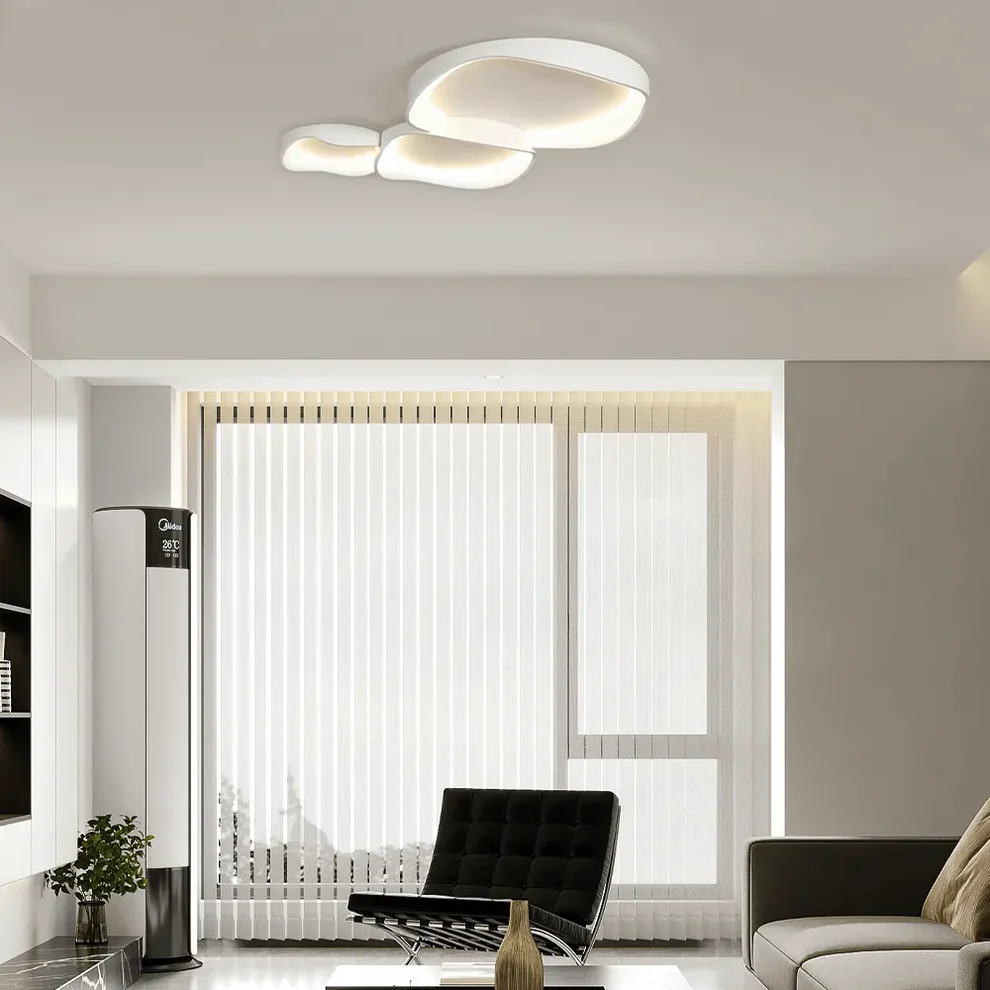
Task lighting helps you focus on activities like reading, cooking, or working. You can use desk lamps, under-cabinet lights, or pendant lights above a table. Place task lighting close to where you need it most. Adjustable fixtures let you direct the light exactly where you want. This layer of light makes sure you can see clearly when you need to get things done.
Accent Lighting
Accent lighting adds style and personality to your modern room. Use it to highlight artwork, textured walls, or cool architectural features. Try LED strips, picture lights, or spotlights to draw attention to special areas. Accent lighting creates layers of light that add depth and make your space feel more interesting.
Layering Lights for Modern Room
When you combine ambient, task, and accent lighting, you create layers of light that work together. This approach gives you flexibility and lets you change the mood whenever you want. You can highlight your favorite features, make the room feel bigger, and save energy by only using the lights you need. Most modern rooms look best when you use at least two layers of light. Try mixing different fixtures and see how your space transforms!
Choosing Fixtures and Scale
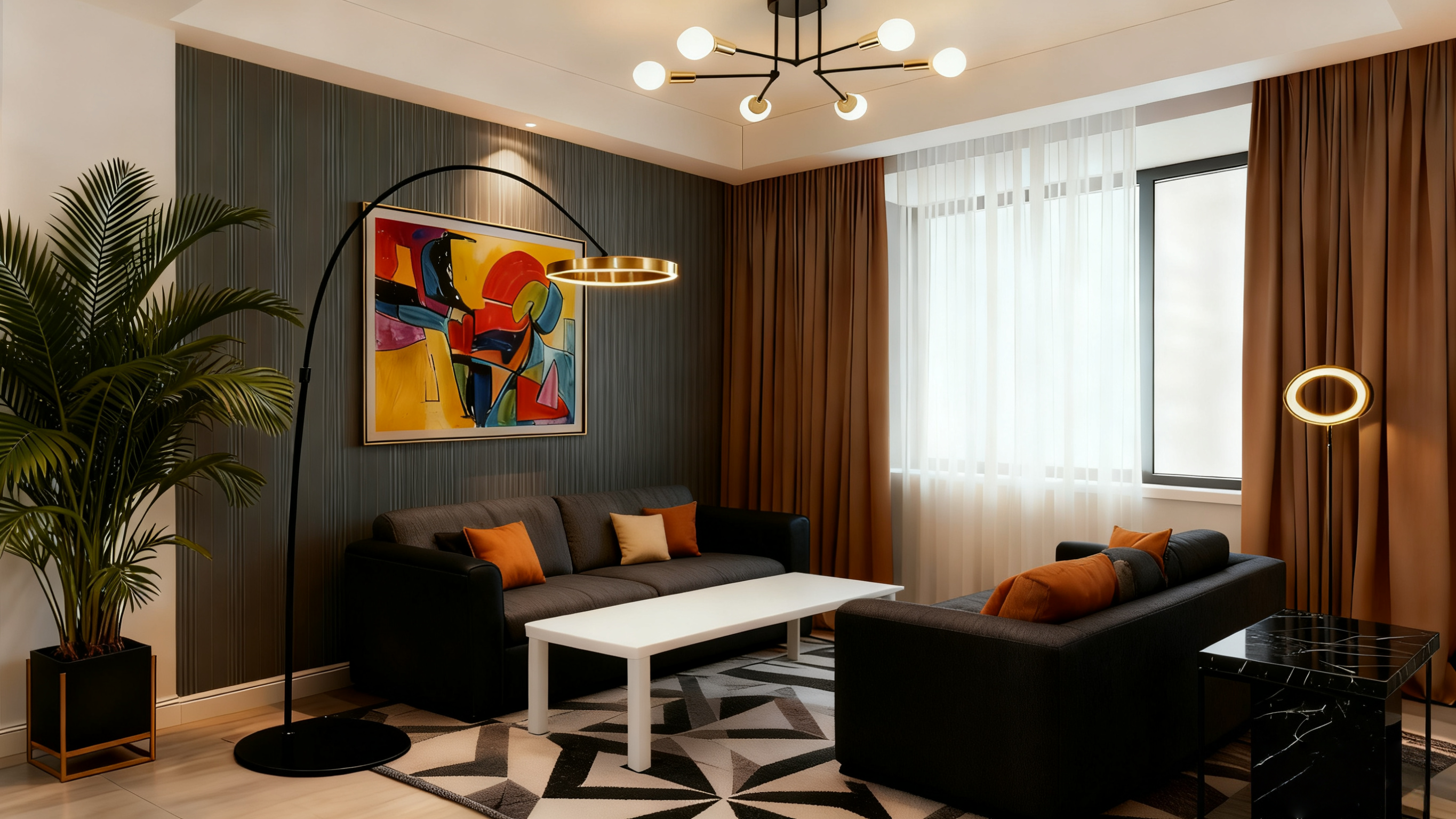
When you pick lighting for a modern room, you want to make sure every choice fits your space and your style. The right fixtures can turn a plain room into a stunning design. Let’s look at how you can choose the best options for your home.
Modern Fixture Styles
Modern design loves clean lines and creative shapes. You’ll see lots of curved and scalloped lines in today’s lighting. Glass fixtures that look like moving water are popular, and some even use stone or terrazzo bases to mix natural and modern design. Asymmetrical chandeliers and geometric pendant lights are everywhere. Some light fixtures look like art pieces, making them the star of the room. You can also find designs that blend vintage charm with a modern twist. These choices help your space feel fresh and unique.
Tip: Try using a fixture with an undulating shape or a bold geometric form to create a focal point in your design.
Sizing and Placement
Getting the size right is key. If your fixture is too big, it can overwhelm the room. Too small, and it gets lost. Here’s what you should check:
Measure your room’s height, length, and width. This helps you pick a fixture that fits the scale of your space.
Make sure there’s enough space between the floor and the bottom of the fixture, especially in places where people walk.
For dining tables, keep 32 to 36 inches between the table and the bottom of the fixture if your ceiling is 8 feet high. Add a few inches for taller ceilings.
In kitchens, hang pendants 30 to 36 inches above the island.
For hallways, keep fixtures at least 7 feet above the floor.
Matching the size and placement to your room’s design makes everything look balanced.
Geometric and Matte Finishes
Modern design often uses geometric shapes like squares and chevrons. These patterns add movement and keep the look clean. Matte finishes are also a big part of modern style. They absorb light and give a soft, smooth look. When you mix matte and glossy finishes, you create contrast and make certain areas stand out. This trick adds depth and makes your design feel more interesting.
When you choose fixtures, think about how they work with your furniture and the rest of your design. Keep things consistent so the room feels put together. The right light fixture can tie your whole design together and make your space shine.
Room-by-Room Lighting Guide
Living Room Lights for Modern Room
The living room is a place to relax and have fun with family. You want the lights to make it feel warm and look nice. Use more than one kind of light for a good mix. Here are some ideas for lighting a modern living room:
Use ambient lighting to make the room comfortable. Ceiling lights or recessed lights are good choices.
Add accent lighting to show off art, shelves, or cool features.
Put task lighting near chairs where you read or work.
Use decorative lights to show your style. Try a floor lamp with a fun shape or a bold pendant.
Mix work, mood, and general lights for a nice effect.
Layering these lights helps you avoid dark spots and makes the room cozy. You can change the mood by turning different lights on or off. Floor lamps, sconces, and table lamps give you lots of options and style.
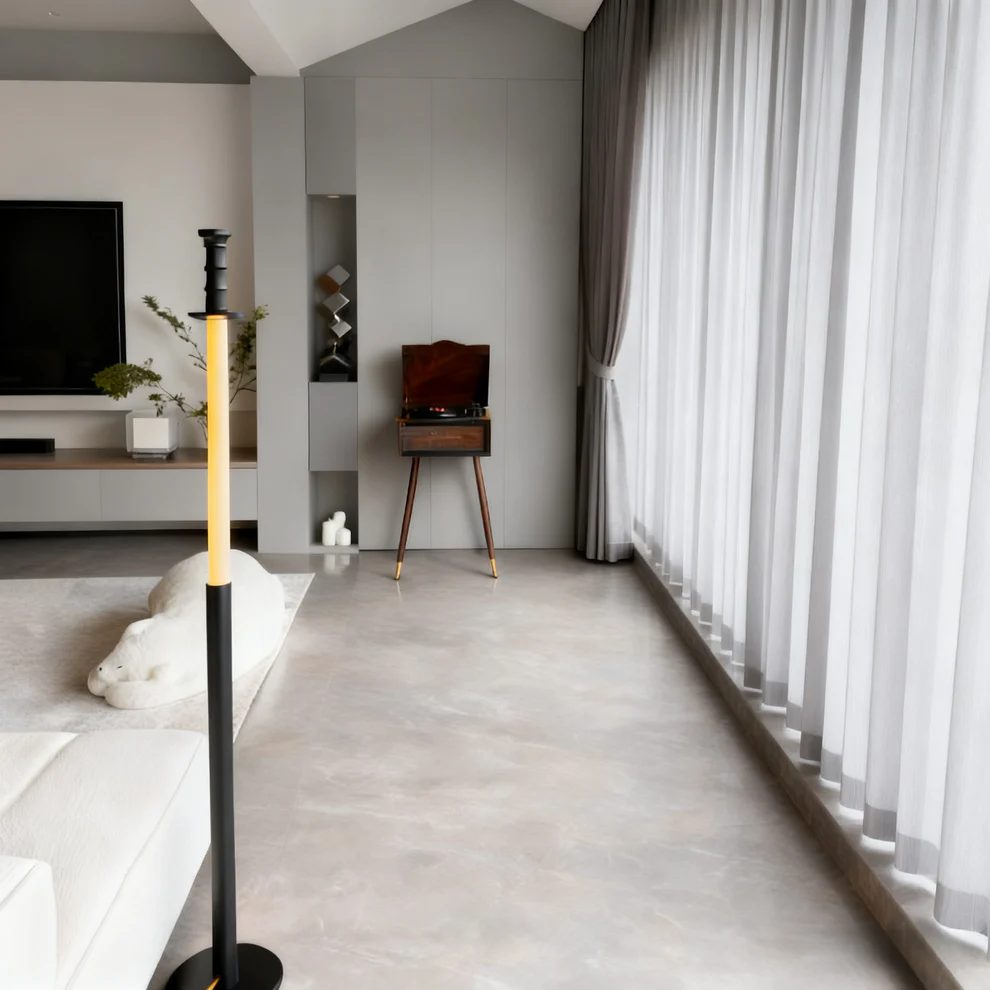
Lightslux's Living Room
Arcato Minimalist Linear Wall Lamp – Black Modern Light for Living/Bedroom
Bedroom Lighting Tips
Your bedroom should help you rest but also be useful. You need lights that let you relax, read, and get ready. Start with ambient lighting to make the room bright. Add task lighting for reading or getting dressed. Accent lights can make decorations stand out or give a soft glow.
Try smart lighting so you can dim or change colors easily.
Pick a special fixture like a chandelier or a cool pendant to stand out.
Use lights you can move so you can shine light where you want.
Asymmetrical lighting gives your room a unique look.
Modern bedside lights, like hanging pendants or wall lamps, save space and look neat.
Layering your lights in the bedroom makes it easy to use for many things. Table lamps, pendant lights, and accent lights all work together for both style and use.
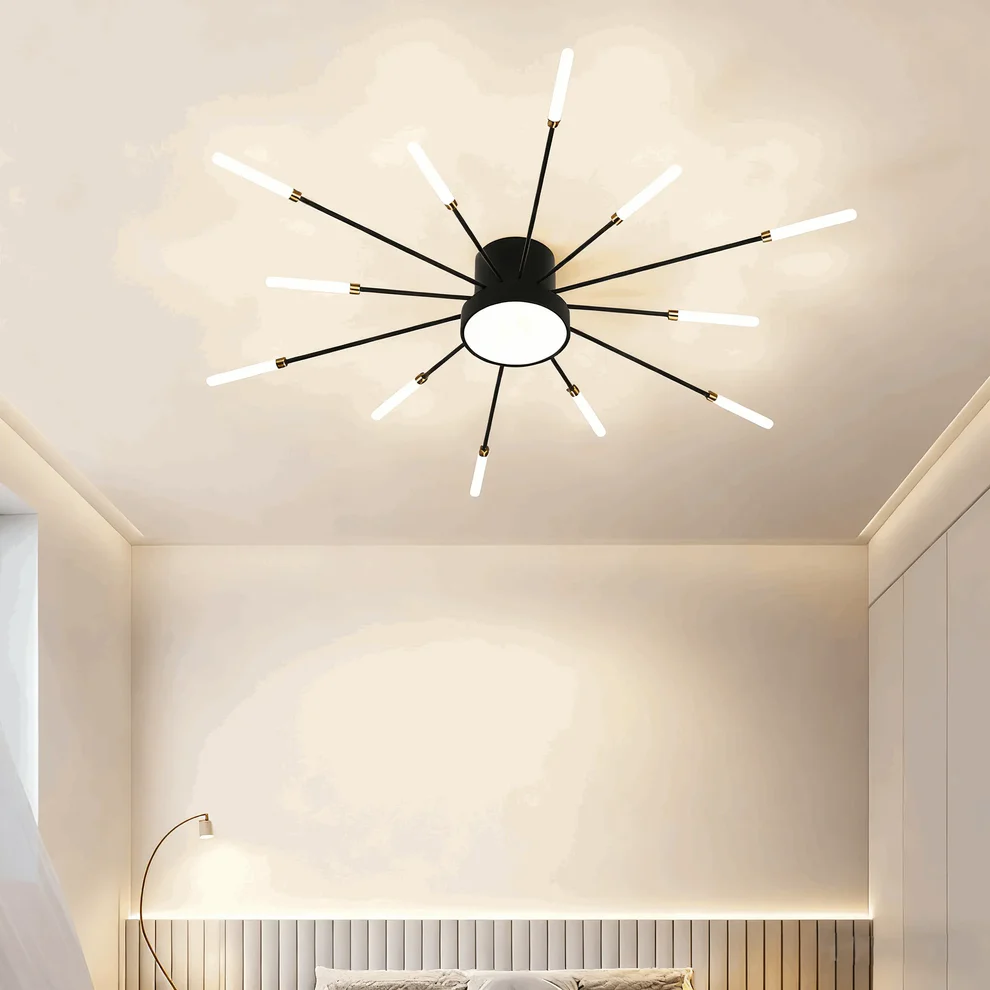
Lightslux's Bedroom Light
Nebula Modern Firework Ceiling Light
Kitchen Lighting Ideas
The kitchen is always busy. You need good lights for cooking, cleaning, and hanging out. A smart plan uses different lights to keep the kitchen bright and safe. Here’s a quick guide:
Description |
|
|---|---|
Under-Cabinet Lighting |
Good for counters, removes shadows, and covers the area evenly. |
Pendant Lights |
Looks nice above islands and helps with tasks. |
Recessed Lighting |
Gives general light, is simple, and easy to control. |
Track Lighting |
Can be moved around, fits different needs and layouts. |
Under-cabinet LED strips or spotlights light up counters and sinks. This makes it safer to prepare food. Pendant lights above islands add style and help you see better. Recessed and track lighting keep the kitchen looking modern and neat. Using many lights lets you change the mood and put light where you need it.
Bathroom Lighting
Bathrooms need to be safe and look good. Your lights should make the room bright and relaxing. Start with ambient lighting for general light. Add task lights near mirrors for grooming. Accent lights can show off tile or art.
Pick fixtures with the right IP ratings for wet places.
Place lights so they don’t get wet.
Use GFCI protection for safety.
Ask a licensed electrician to help install your lights.
Dimmable lights let you go from bright mornings to calm evenings. Choose lights that match your style and keep you safe.
Home Office Lighting
Your home office needs lights to help you work well. You want to stay focused and feel good. Layering lights works best here. Use overhead lights for general brightness. Add lamps that point at your desk or work area. Task lighting helps you see papers or screens clearly.
Layering lights in your office means using overhead lights and lamps together. This helps you work better and keeps your space comfy. Task lighting for certain spots helps you focus.
Stop glare by picking lights that don’t shine on screens. Curtains with special fabric help block sunlight and cut glare.
Add things you like, such as favorite colors or art. This makes you feel happier while you work.
Use as much natural light as you can. Shiny surfaces bounce light and make the room brighter.
LED bulbs are great for offices. They save energy, last long, and give bright, clear light.
Mixing different lights in your office lets you change the space for work, calls, or creative time. A good lighting plan makes your office useful and inspiring.
Light Bulbs and Controls
Brightness and Color Temperature
Picking the right bulb can change the whole atmosphere of your room. You want enough light for every task, but not so much that it feels harsh. Each room needs a different level of brightness and color temperature. Check out this table to see what works best for each space:
Room Type |
Brightness (Lumens) |
Color Temperature (Kelvin) |
|---|---|---|
Living Room |
1,000 - 2,000 |
2,000 - 4,000 |
Kitchen |
3,000 - 4,000 |
4,000 - 4,500 |
Dining Room |
2,000 - 4,000 |
2,700 - 3,000 |
Bedroom |
1,000 - 2,000 |
2,000 - 3,000 |
Bathroom |
50 - 75 per sq ft |
3,000 - 4,000 |
Home Office |
300 - 700 |
4,500 - 5,000 |
The color temperature of your lighting affects both mood and function. Warm light makes bedrooms feel cozy and helps you relax. Neutral light works well in kitchens and bathrooms, giving you a clean look for any task. Cool light boosts focus, so it’s perfect for your home office or any spot where you need to concentrate.
Tip: Use warm bulbs for relaxing spaces and cool bulbs for work or task lighting. This helps set the right mood and makes every task easier.
Energy Efficiency
You want your lighting to save energy and last a long time. LED bulbs are the best choice for modern homes. They use a fraction of the energy of old bulbs and can last for years. Here’s a quick look at your options:
Light Bulb Type |
Energy Efficiency |
Lifespan |
Notes |
|---|---|---|---|
LED |
Most efficient |
Several years |
Uses a tenth of the energy of old bulbs |
CFL |
More efficient than old bulbs |
Moderate |
Contains a small amount of mercury |
Halogen |
Less efficient |
Shorter |
Not as energy-saving as LEDs |
Switching to LED lighting can cut your lighting costs by up to 90%. You could save hundreds of dollars each year and spend less time changing bulbs. Sylvania’s LED bulbs are a great pick if you want to save energy and money.
Dimmers and Smart Lighting
Dimmers and smart lighting controls give you more ways to set the mood and save energy. You can adjust the brightness for any task or atmosphere. Smart lighting lets you control lights with your phone or voice. You can even set schedules or change colors to match your mood.
Save energy by turning lights off when you leave a room.
Change the brightness for reading, relaxing, or working on a task.
Use smart lighting to make your home safer and more comfortable.
Connect your lights to other smart devices for even more control.
Dimmers and smart controls help you create the perfect atmosphere for every moment. You get flexibility, comfort, and lower bills—all with just a few changes to your lighting.
Practical Tips and Mistakes to Avoid
Common Lighting Mistakes
You want your modern room to look great, but some mistakes can ruin the vibe. Many people use only one light source, which makes the room feel flat and full of shadows. Others pick fixtures that are too big or too small, throwing off the balance. Sometimes, the color of the bulbs does not match, so the space feels awkward.
Here’s a quick table to help you spot common mistakes and how to fix them:
Mistake |
Description |
Solution |
|---|---|---|
Skimpy Small-Space Lighting |
Not enough lighting in small rooms, causing dark corners. |
Add LED lights, wall sconces, or under-cabinet lights. |
One-Dimensional Lighting |
Only one type of lighting, making the room uncomfortable. |
Layer ambient, task, and accent lighting for balance. |
Overused Recessed Lighting |
Too many recessed lights, leaving some spots too bright or too dark. |
Mix in pendant lights and sconces for a softer look. |
Other mistakes include using the wrong size fixture or mixing bulbs with different color temperatures. These choices can make your room feel off.
Multiple Light Sources
You can make your space flexible and cozy by using more than one type of lighting. Layered lighting lets you change the mood for any activity. For example, you might want bright lights for cleaning and softer lights for movie night. Using several light sources helps you adjust the room as your needs change during the day.
Layered lighting combines ambient, task, and accent lights for the best effect.
You can highlight art, make reading easier, or just relax with the right mix.
Multiple light sources let you control the brightness and feel of your room.
Tip: Think about what you do in each room. Add lighting that fits those activities, so your space always works for you.
Final Checklist
Before you finish your lighting plan, use this checklist to make sure you have everything covered:
Check the placement and type of every light fixture.
Make sure each area has enough lighting for its purpose.
Confirm that switches and dimmers are easy to reach.
Plan for future changes or upgrades.
Use both ambient and task lighting in every room.
Add accent lighting to highlight special features.
Position fixtures to avoid glare and shadows.
Choose energy-efficient bulbs for every fixture.
Place controls in logical spots throughout your home.
If possible, have a professional electrician review your lighting plan.
These lighting tips will help you avoid common mistakes and create a modern room that feels just right.
You can transform your home by layering lighting, picking modern fixtures that fit your space, and choosing the right bulbs and controls for each room. Try plug-in pendant lights or wall sconces for easy updates. Wireless LED motion sensor lights work great in dark spots. Even swapping lampshades can change the mood. Designers say new lighting ideas boost comfort and style, and many homeowners feel happier after making these changes.
Don’t be afraid to experiment with different layouts and brightness levels. Trust your instincts and see how small changes can make your space feel more inviting. Start today and enjoy a modern, comfortable home that stands out.
FAQ
What is the best type of lighting for a modern living room?
You want to mix ambient, task, and accent lights. Try recessed lights for general brightness, a floor lamp for reading, and LED strips to highlight art. Layering lights makes your living room feel cozy and stylish.
How do I choose the right size light fixture?
Measure your room’s length, width, and height. Pick a fixture that fits the space without looking too big or too small. For dining tables, keep the light 32–36 inches above the surface. This keeps everything balanced.
Can I use smart bulbs in any fixture?
Most smart bulbs fit standard sockets. You can use them in table lamps, ceiling fixtures, or pendant lights. Just check the bulb size and wattage before you buy. Smart bulbs let you control brightness and color with your phone.
What color temperature works best for bedrooms?
Warm white bulbs (2,000–3,000 Kelvin) help you relax and sleep better. You want soft light that feels cozy. Avoid cool white bulbs in bedrooms because they can feel harsh and make it harder to unwind.
How do I avoid glare in my home office?
Place lights so they don’t shine directly on your computer screen. Use lamps with shades or diffusers. Try curtains to block sunlight. You want bright light for work, but no glare on your eyes or screens.


