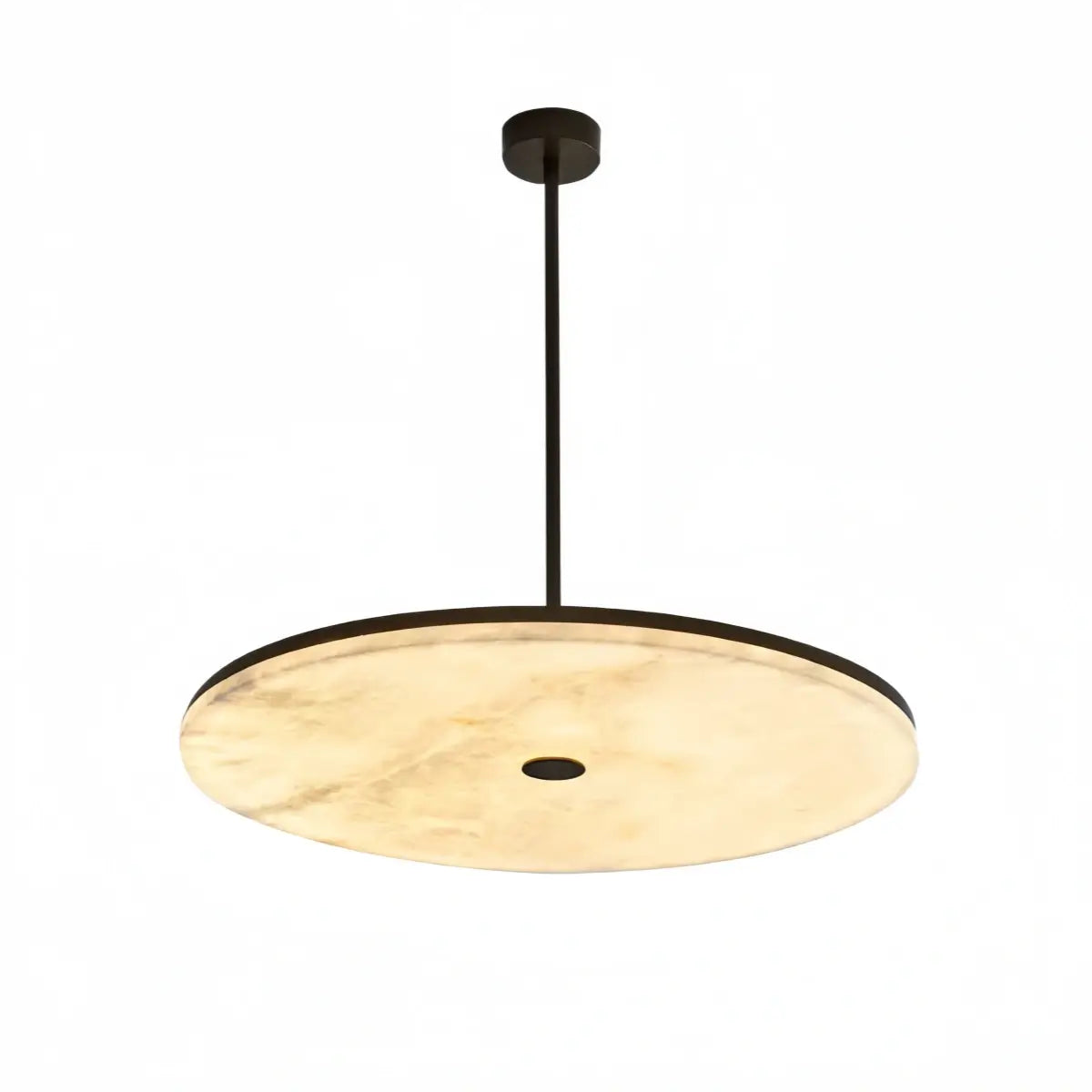
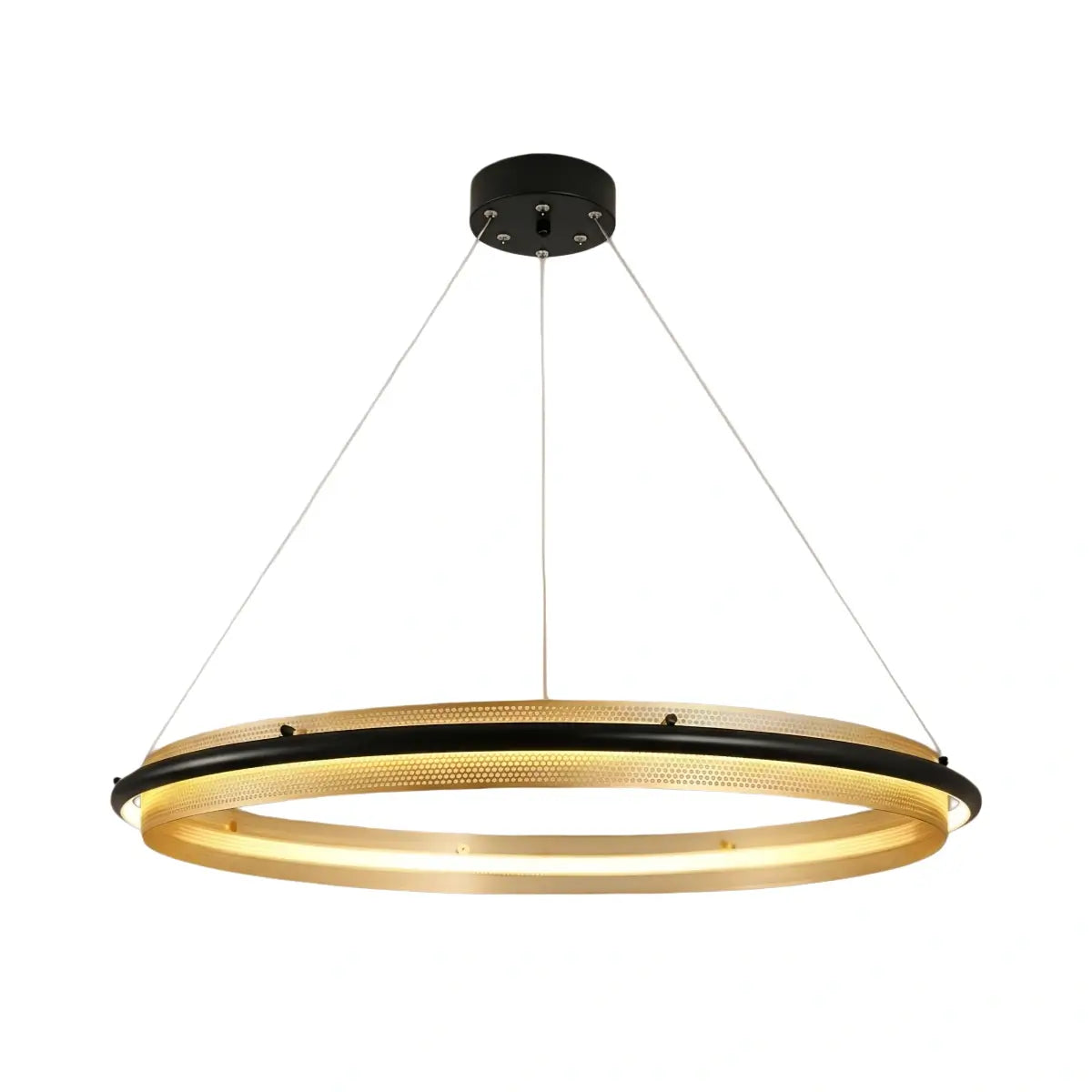
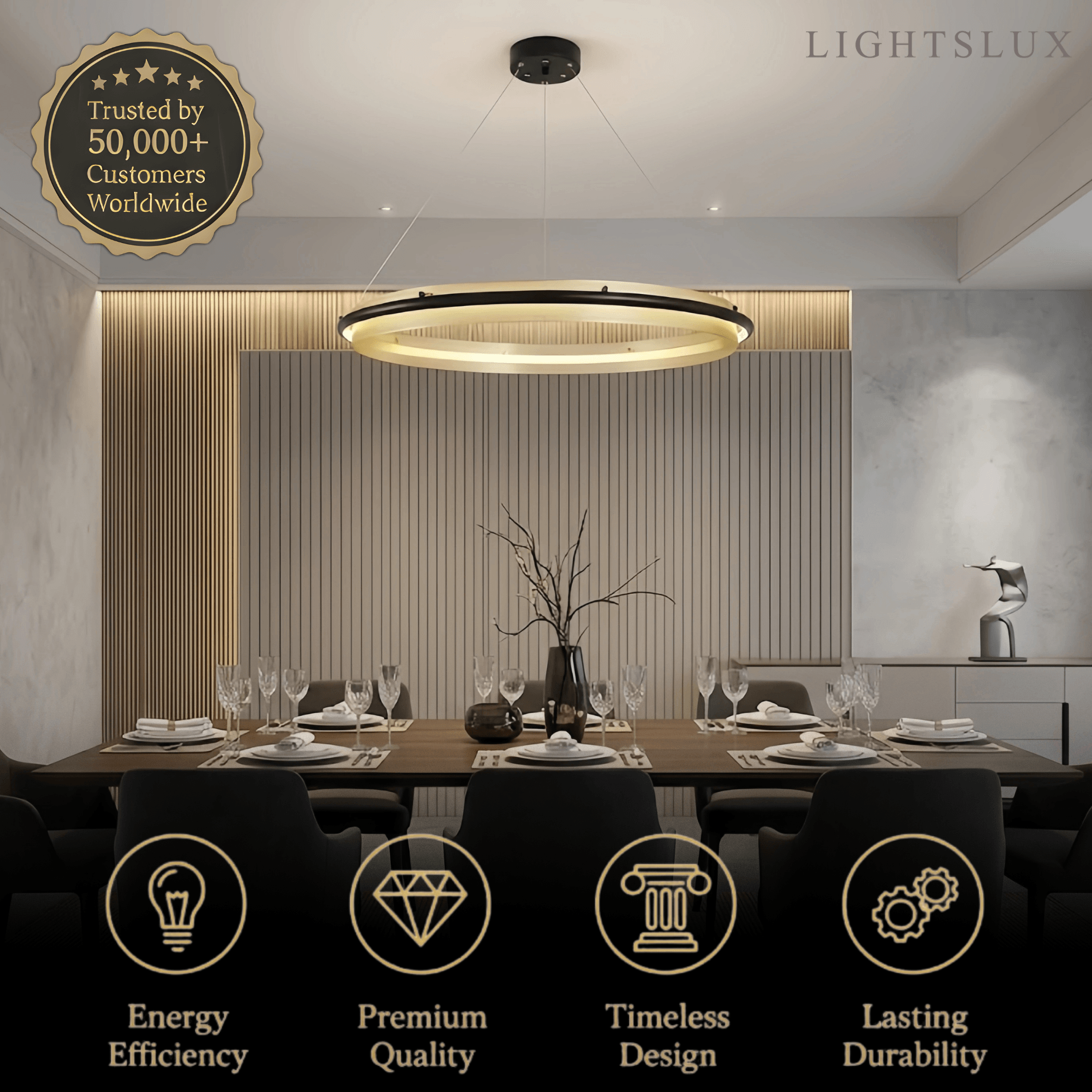
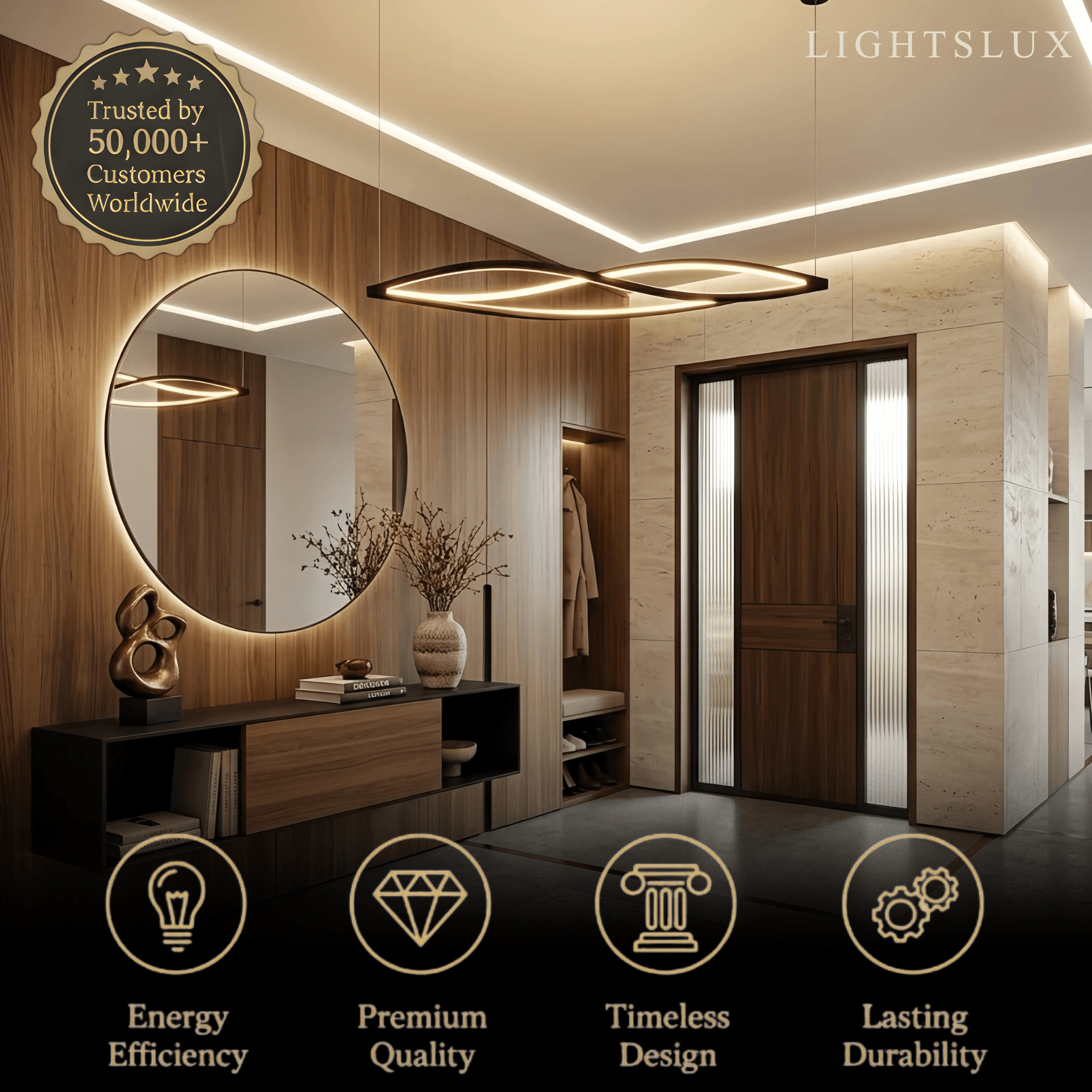
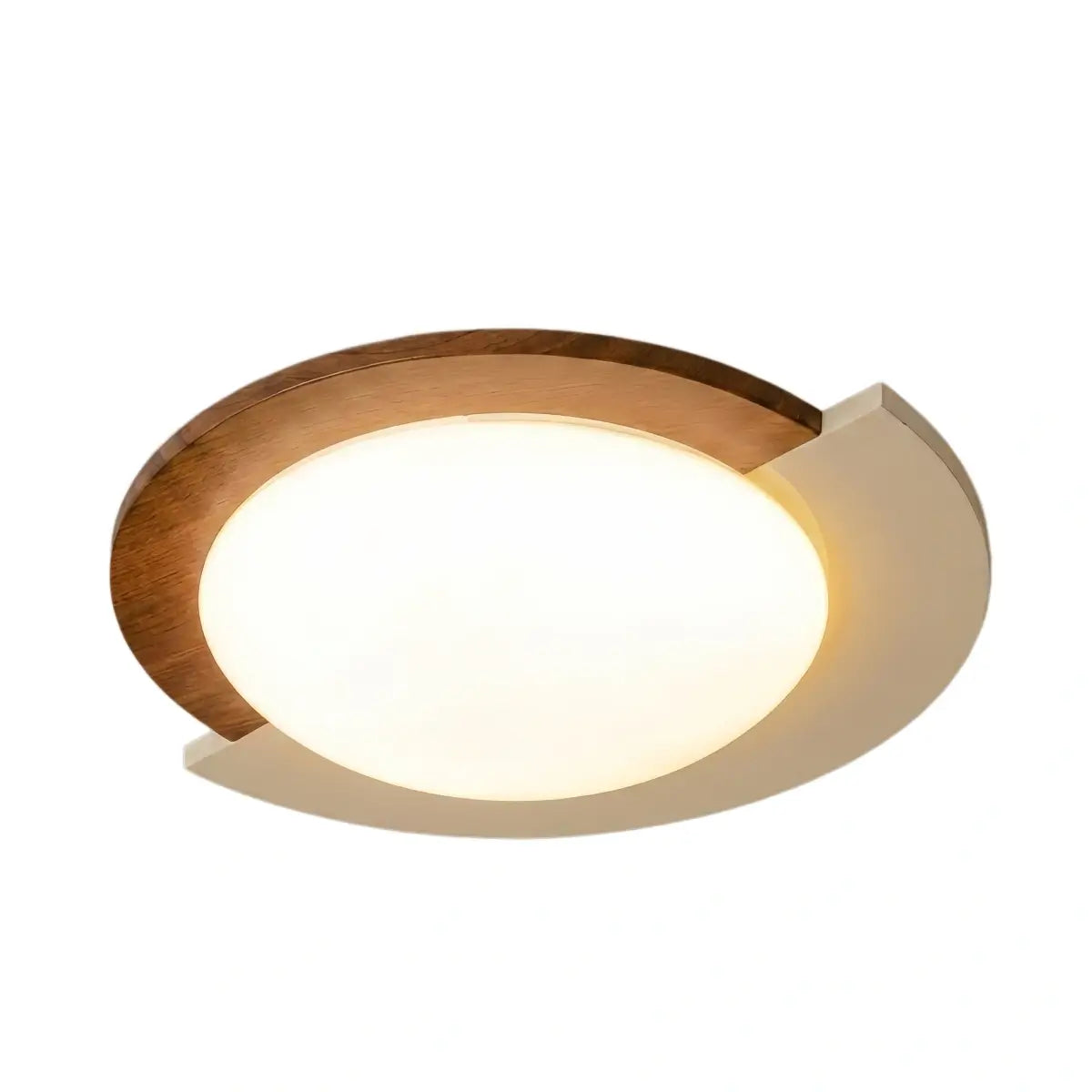
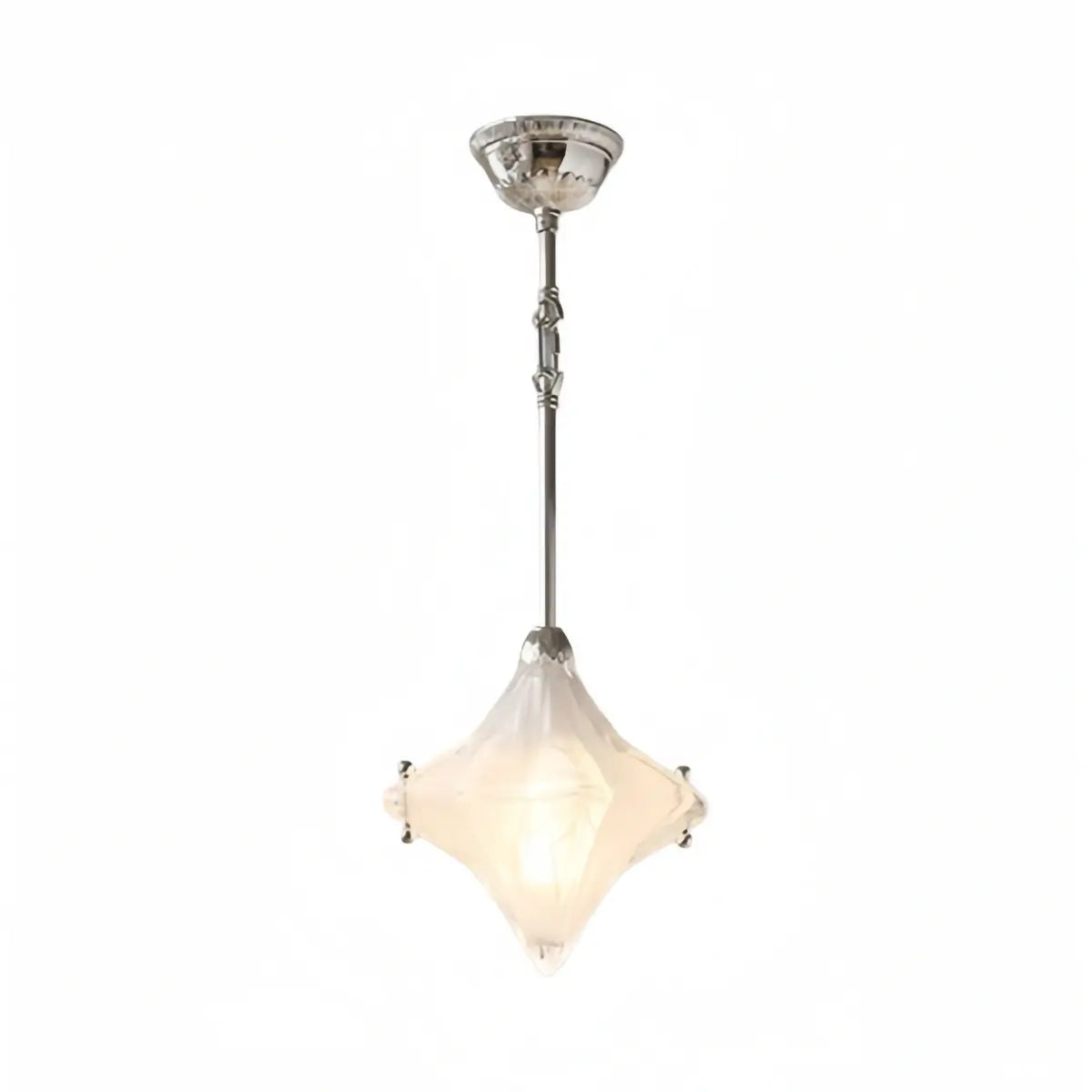
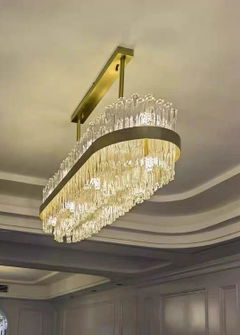
Hallway lighting plays a crucial role in both safety and visual flow, especially in narrow or windowless corridors where natural light is limited. A well-designed lighting plan ensures clear visibility, reduces accident risks, and helps guide movement between rooms. Modern hallway lighting often combines ceiling fixtures with wall sconces to eliminate dark corners and create a welcoming transition space. Designers also recommend choosing fixtures that match the scale of the hallway to avoid overcrowding or harsh shadows. Proper placement at eye level can further improve comfort and reduce glare. For a deeper understanding of how to balance safety, style, and layout in corridor lighting design, you can read What to Look for When Choosing Hallway Lighting.
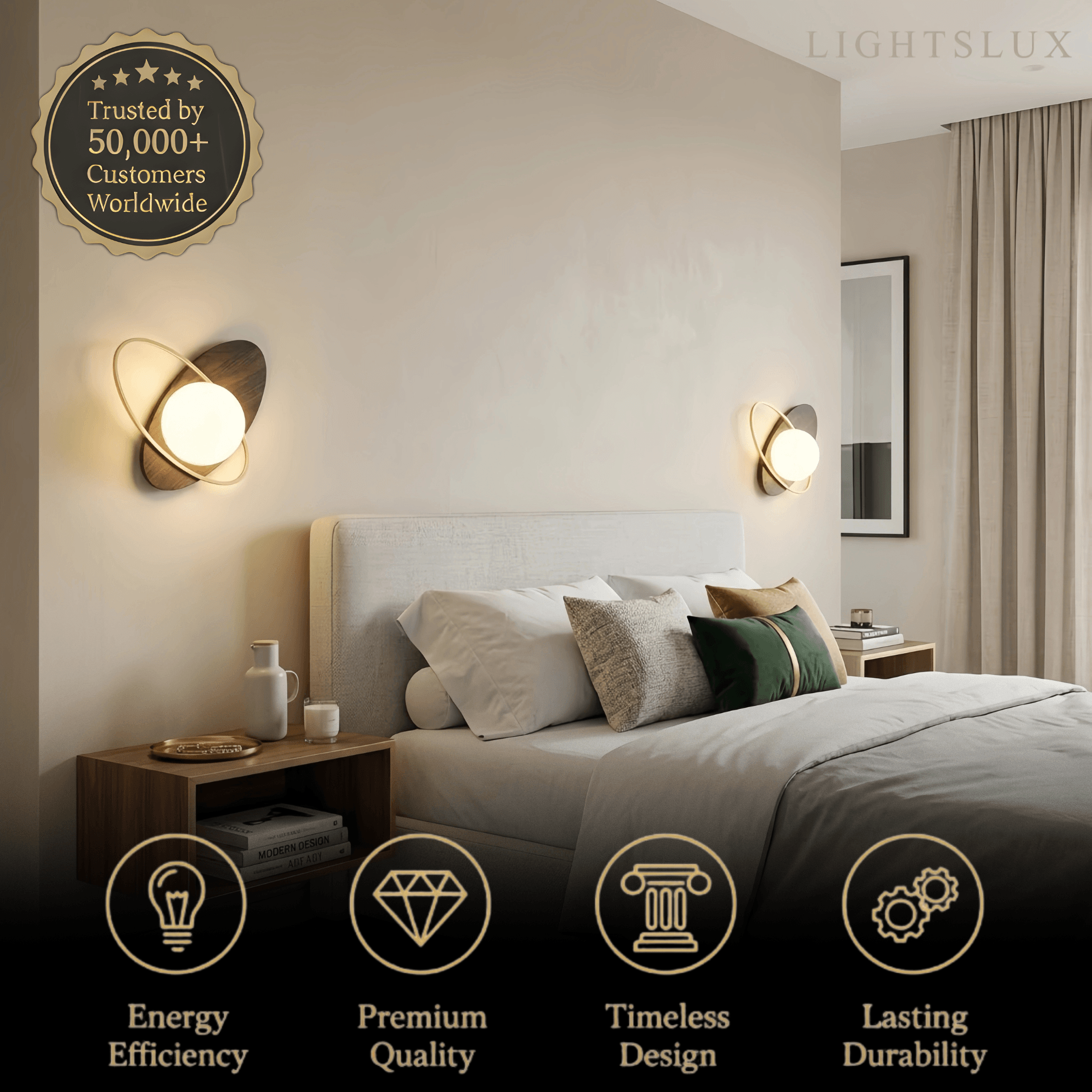
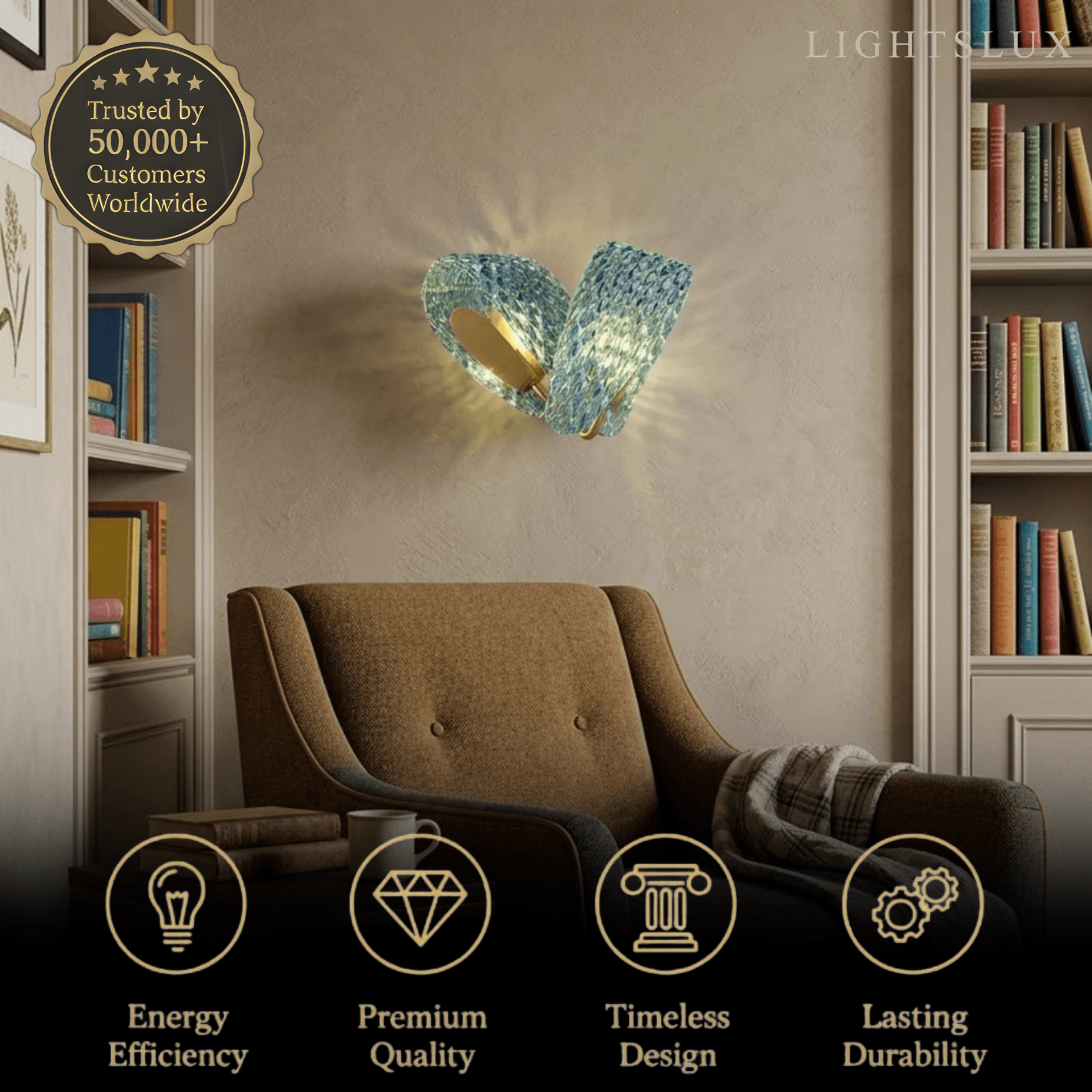
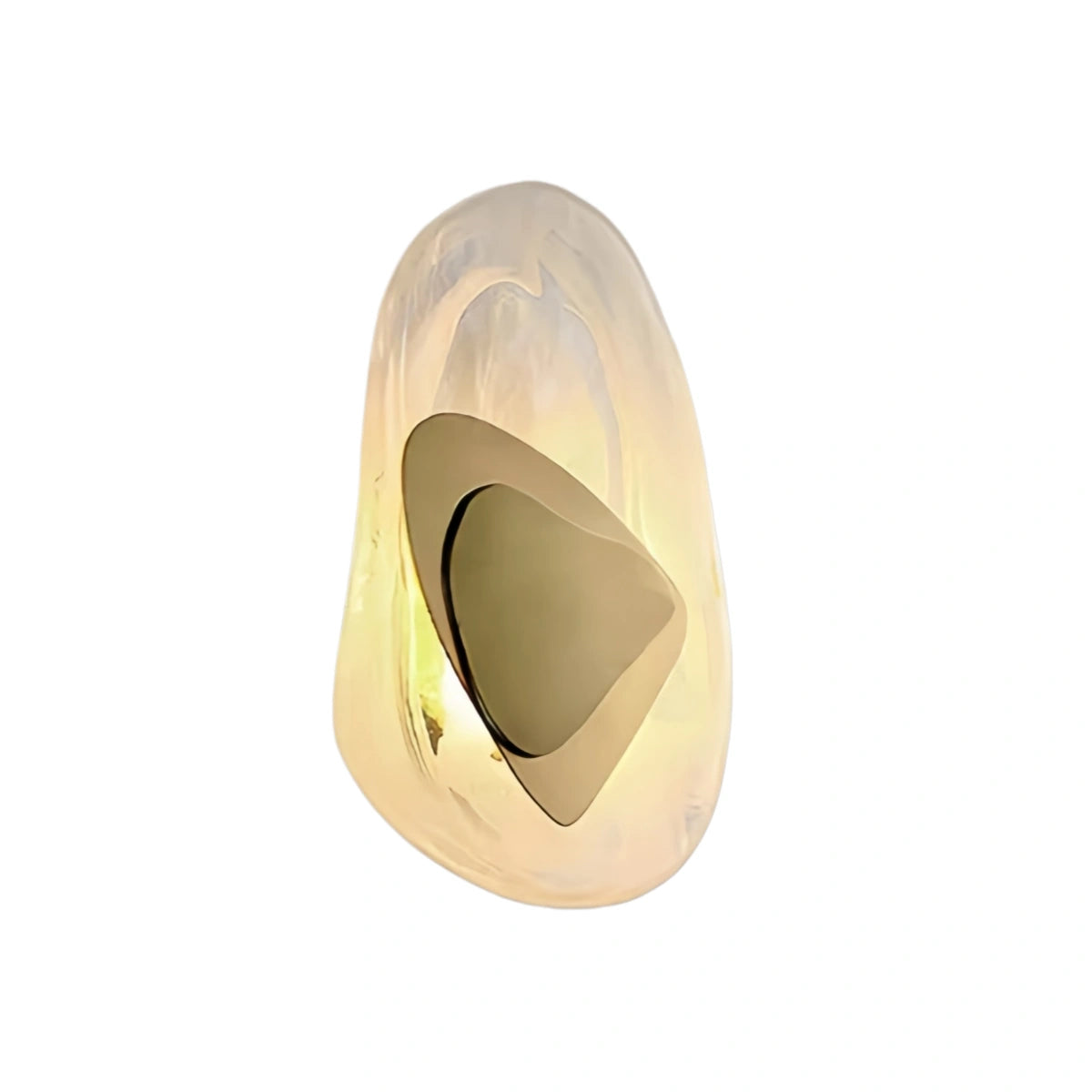
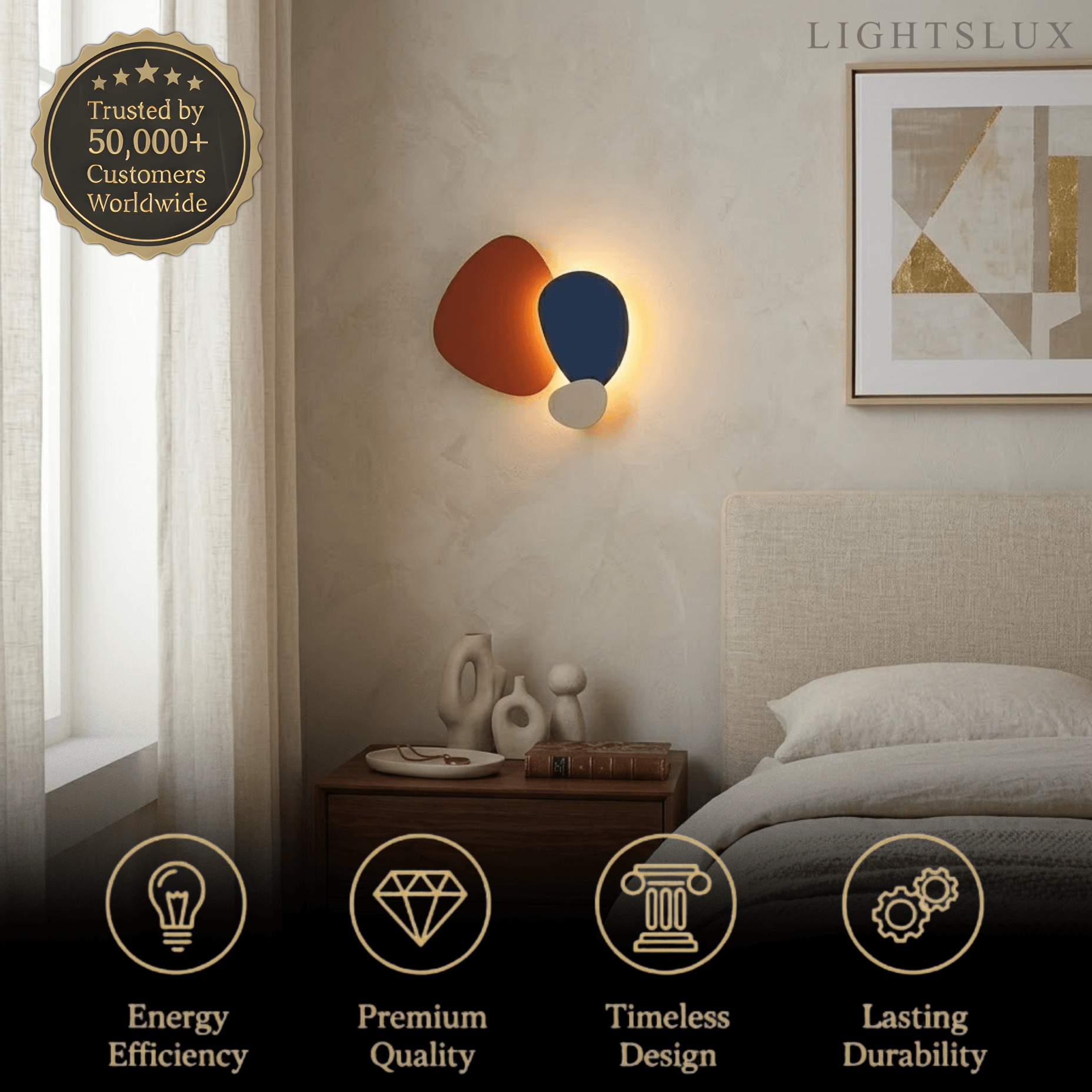
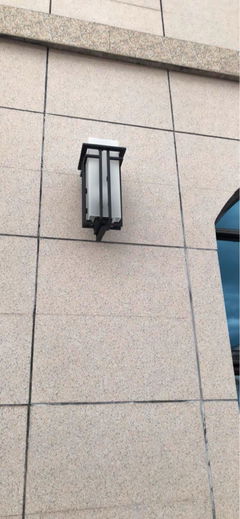
Wall sconces are one of the most effective solutions for hallway lighting, offering both decorative value and functional illumination. When placed at regular intervals, they help guide movement and create a rhythm of light that enhances spatial depth. Layered lighting—combining sconces with ceiling or recessed lights—ensures even brightness without dark patches. This approach is especially useful in long corridors where a single light source is insufficient. Material and finish selection also plays a key role in aligning lighting with interior design style. For more insights into modern wall lighting trends and placement strategies, you can explore Wall Sconce Lighting Trends to Watch in 2026.
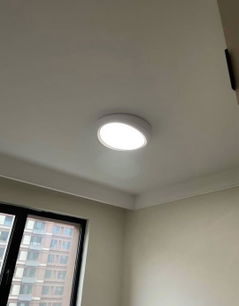
Proper lighting placement is essential in hallway design to ensure both comfort and usability. In narrow corridors, recessed lighting helps maintain a clean ceiling line while providing even illumination. In wider hallways, multiple fixtures or alternating wall sconces can prevent uneven brightness. Light spacing should follow proportional rules based on ceiling height and corridor length to avoid dark zones. Using reflective surfaces such as mirrors or light-colored walls can further enhance brightness and visual openness. For a detailed breakdown of placement rules, spacing methods, and lighting balance strategies, you can refer to Wall With Lighting Made Easy Indoors and Out.
Hallway lighting should not be designed in isolation but instead integrated into the overall home lighting system. In modern interiors, corridors act as transition zones that connect living rooms, bedrooms, and kitchens, requiring consistent lighting tone and style. Coordinating ceiling lights, wall sconces, and ambient fixtures across different rooms creates a unified visual language throughout the home. Designers also emphasize the importance of maintaining similar color temperatures to ensure smooth transitions between spaces. This holistic approach enhances both aesthetic harmony and functional flow. For broader insights into how lighting connects different areas of a home, you can read Lighting Recommendations by Room.